Jason Eady
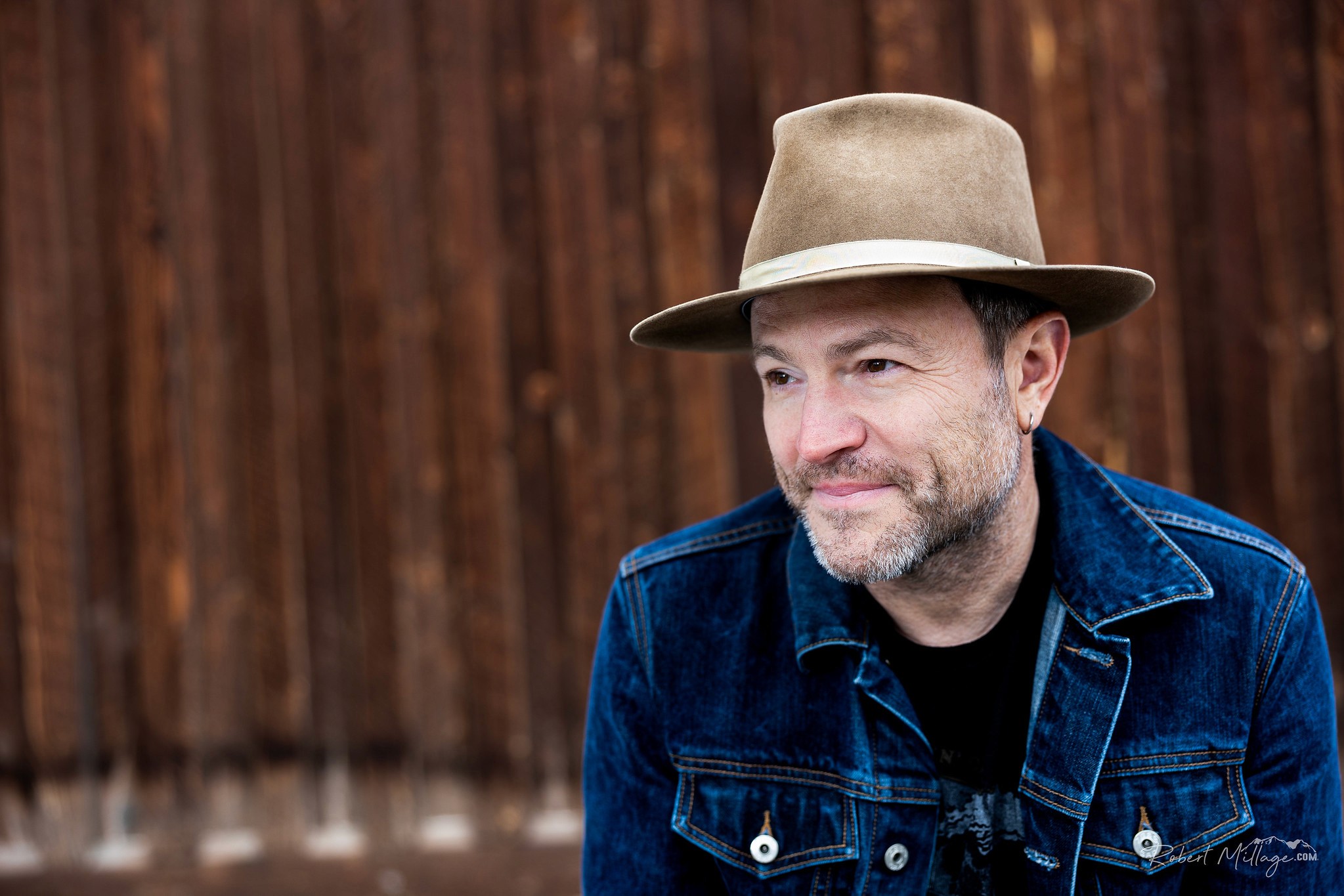
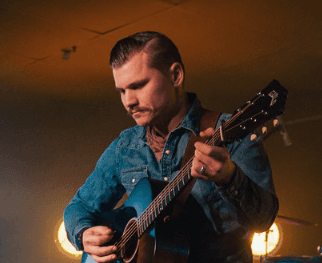
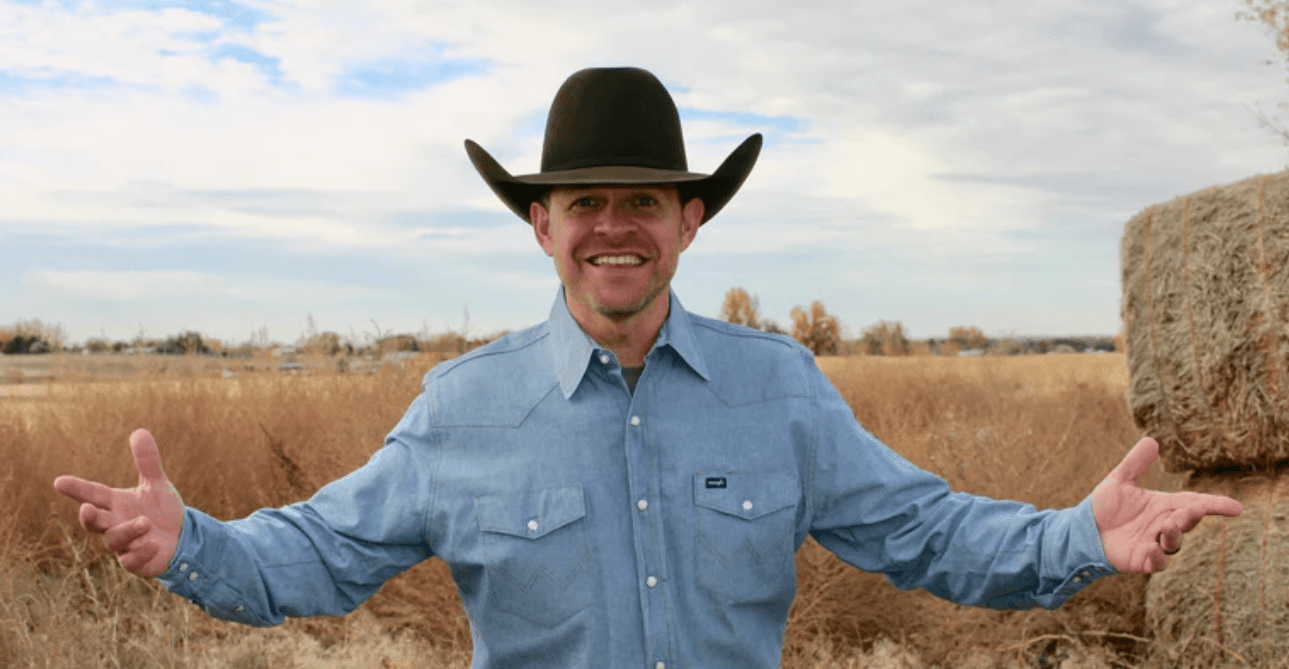
Hosted by Jarrod Morris, Texas-based singer-songwriter.
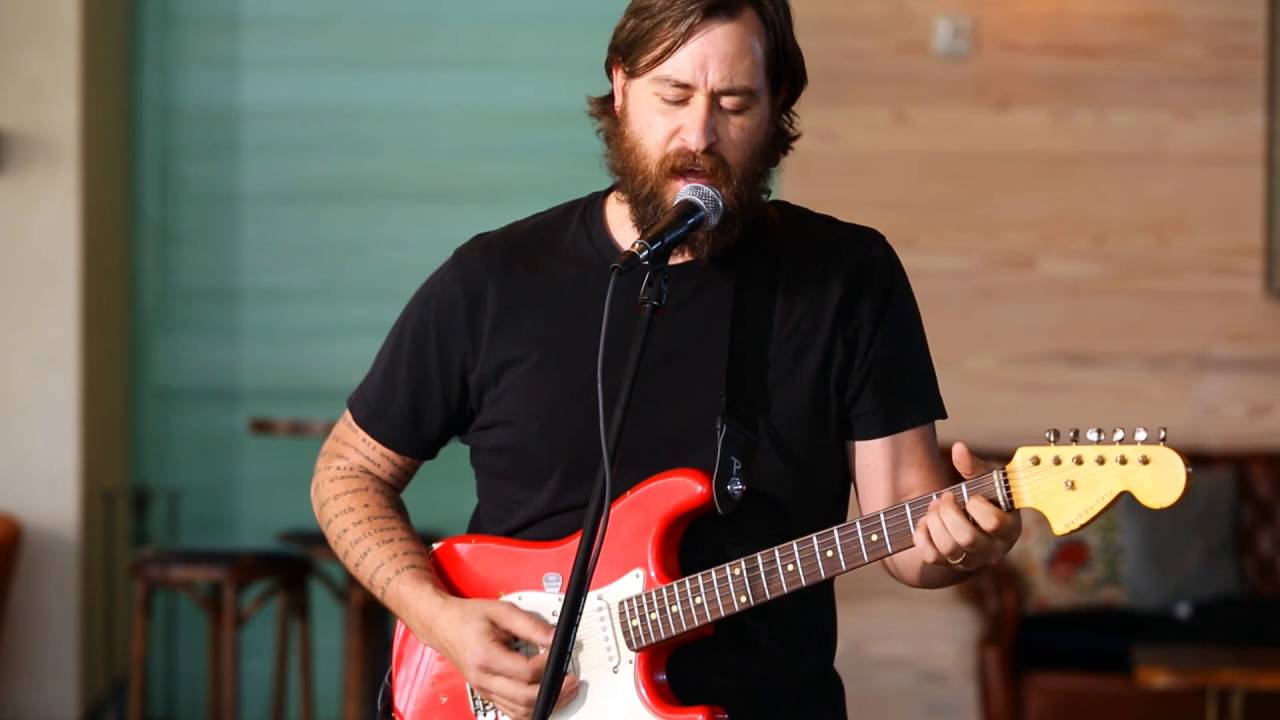
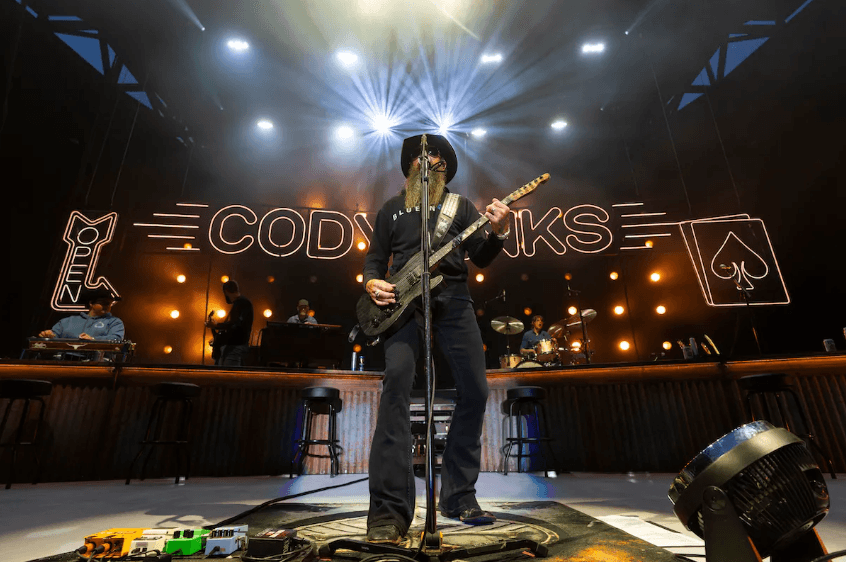
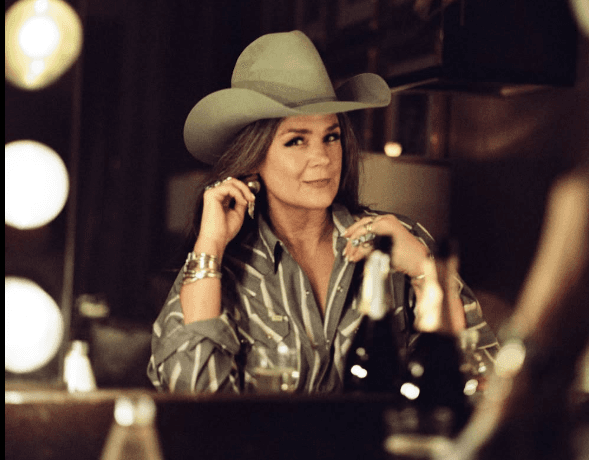
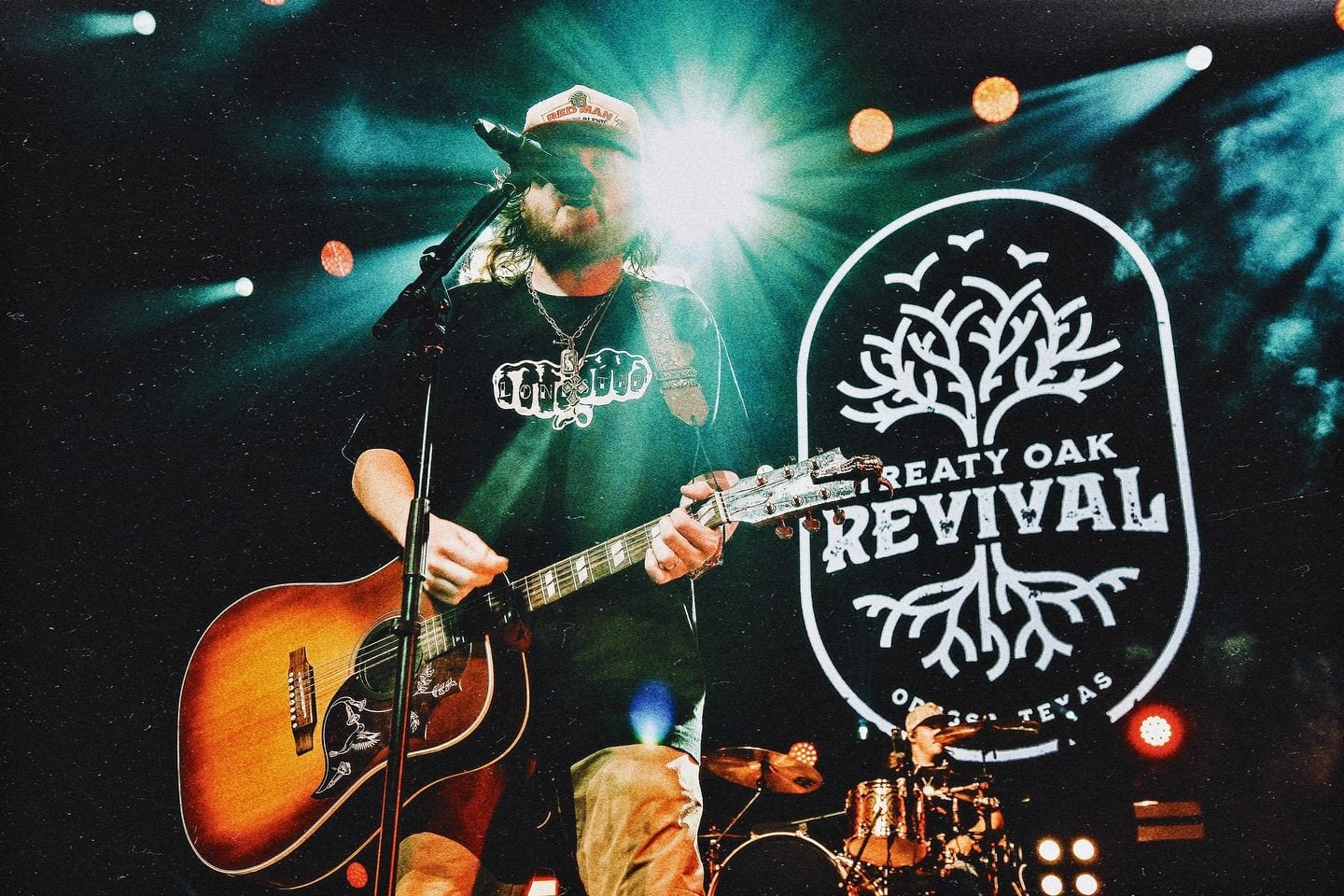
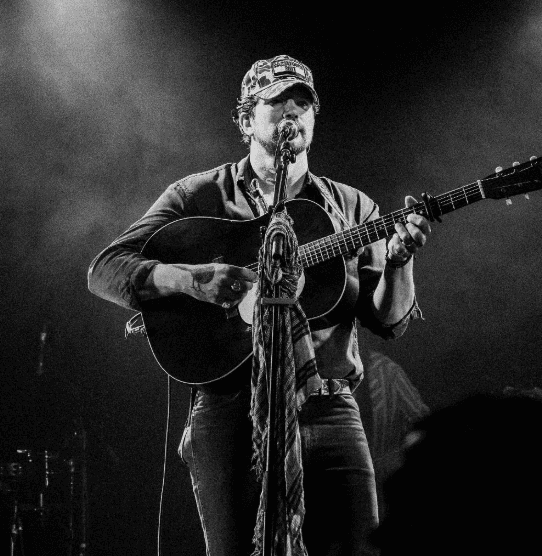
Jason Eady is an American singer and guitarist, originally from Mississippi, now based in Texas, Jason has written for and collaborated with some of the top acts in the music today including Cody Jinks, Adam Hood, Courtney Patton, Josh Grider, Taylor Hunnicutt, and Corb Lund. Jason's latest single with Taylor Hunnicutt "Burn It Down" was released in 2024. Jason has a new project on the way and will announce details in the near future.
Category: Music
https://www.jasoneady.com Singer SongwriterJason Eady Episode Transcript
Episode TranscriptRead / hide
Full episode transcript, auto-generated from the audio and lightly formatted (verbatim, not edited).
Purple [Music] fan for a long time. Oh man, I'm an OG. Yeah, OG. That's cool.
I don't know. Grew up listening to it. That makes me feel old. Why?
I don't know. I Because I am old, I guess. Well, that doesn't mean that you could have technically been my same age. Oh, that's true.
You know what I mean? Yeah. You just were putting stuff out. Yeah.
And I wasn't. Yeah. I had to I started so late. Like I mean I like I didn't put out my first record till I was 267 27 something like that.
Yeah I was later than that. Really? Yeah. Oh I was 30.
Oh you were old then? Huh? Yeah. I'm just kidding.
No I really was. Yeah I was 30. I got uh I had a whole other life in my 20s and then started doing this in my when I turned 30. How did I miss that?
Well that's inspiring for me. Yeah. Well yeah. I mean it's like you feel like an oddball sometimes if you started a little later.
Yeah I did. Like I find it fascinating how good some super young people are. Like it blows my mind. Yeah, I know.
It's unbelievable. Yeah. I did a show the other night with this guy. He's in his mid20s and he uh and he played some song.
He's like, "This is one of the first songs I wrote." And it was amazing. I'm like, "Oh my god, man. I didn't write a good song till I was late 20s."
Yeah. And then just their ability to play and how they sing is like Yeah. crazy to me. Yeah.
I don't I don't have that. Well, I it feels like I'm still trying to figure it out in ways, right? Like I'll just play sometimes and I'm like, "God, you're just not that good." Yeah.
And then some of these kids are just this Yeah. I wish uh I wish I had that. I Sometimes I think I kind of had to learn how to do it. You know what I mean?
I mean, I think I have a little bit of a natural thing, but I've seen, you know, doing this long enough, you're around people that actually have like the full natural like it just pours out of their being, you know? Do you really buy that? Like, do you really think they just like naturally had it? Yeah, I've seen it.
Yeah, I've seen it. Well, Courtney um Courtney Patton um you know, we lived together for a long time. We're married for a long time. And um she's like that.
I mean, it's just effortless. Not that she doesn't put in effort, but you know, I mean, she things that I have to work at, she just does naturally, you know. Do you think that sometimes that's a not specifically for her, but for some people that's like a hindrance because it comes so easily? I mean, it could be if they let it she did she doesn't, you know, the good ones don't, you know, they still they still work at it.
But, uh, yeah, I could see how I have known some people like that, too, in the past that and they're not doing it anymore, you know. Do people tell you that? So, you're saying you personally don't feel like it came supernaturally to you? No, I think I had to learn how to do it.
Do people tell you, "Man, what a talent." It's just incredible that it just You're so natural with it. Yeah. Yeah.
But it, you know, but I don't think they it they don't know what it they didn't see the work it took to get there. Does it kind of bug you if people say that? No, I don't. It's f I mean, that's a good that's a positive, right?
If they If it looks If it looks natural, that means I've done the job, right? Totally. Yeah. But no, I definitely had to I had to learn it.
I mean, I had to work at it, you know. I had the writing part does come natural. I think that's if I have a natural ability, it's writing. Um I've just always kind of done that, but um and writing in whatever form, you know, not just songwriting, but musically, you know, I kind of had to learn music because I mean, I always loved music and I would be playing music no matter I played music even before I was playing music, you know, for a living.
And uh I've been playing music since I was 13 and I love it. But you know, I started making records and stuff because I was writing these songs and I didn't have the patience to try to pitch the songs and hope somebody would record them. You know, it's like I just want to get these things out there. And then I kind of learned as I went and to me when I go back to like my first records, I hear that.
I hear it big time, you know? I hear just how far I've come in 20 years, you know, just learning how to do things. Do you feel like lyrically the way you put something together has come further or musically? Musically is what I'm talking about.
But lyrically, too. Yeah. Yeah. But the writing component came pretty naturally to you, writing lyrics at least.
Yeah, it came natural. Um, and even musically, like writing, I'm talking about the performing side, you know? Yeah. like learning how to sing.
Oh yeah. You know, learning how to how to perform and how to all of that stuff, you know, is what I had to work at, you know. I was always I kind of got the whole writing songs and putting melodies and, you know, that kind of thing came pretty that if anything came quick and easy, it was that, you know, but the per on the performing side, yeah, I had some learning to do. you ever I started I guess co-writing over the last couple years I guess more in like a more professional sense of like going in and co-writing with people I've started to do that more because I always wanted to just be a songwriter that's like all I the performance element of it I didn't actually love yeah see I don't think it's still not my favorite part of it um but uh anyways I've discovered There is still a performative part of songwriting, especially in coowwriting, that I also don't like where when you're sitting down with somebody, how you present an idea to them and how into it you are also like if it's a melody idea or a cordal thing or whatever, how you sing it to, how you perform it for them will dictate how much they like it.
Yeah, that's true. Which kind of is [expletive] to a degree. Sure. And I've noticed it in some sessions recently if you're riding with people that maybe are really good singers.
Mhm. It's like the whole session they are singing like full voice like you know you're just noodling around trying to figure and they are singing and like some and if there's more than two people in the session they'll be like God you're so good. You know that whole thing and it's like guys are we kind of like yeah they sing good but what they saying is trash. like a little bit more.
But there starts to be a performative element to the creative process. Yeah. That I don't love. It's like it takes away some of the I agree.
I kind of got around that, but I don't I don't co-write with strangers anymore. I just I just write with people. I just write with friends now. You know, I still love coowriting, but I want to write with somebody that we've hung out, you know, and I'm we're friends and I know their style and I know how they're going to go and there's no judgment.
Yes. You know, I don't want to walk into a room and because I know for me the times I've tried to sit down with a stranger and write, you're right. You're not only writing like you're kind of trying to prove yourself a little bit. You know what I mean?
I hate that. Yeah. I do. But then there's some people that like they're strangers but for whatever reason they have a similar maybe, you know, idea of how to do it and you don't feel like you have to perform for them.
Yeah. I never found that. That would be nice. You've never had that?
I've never had that with a stranger. I mean, no. I mean, the friends that I write with, it's that's it's extremely laid-back and easy. That's why I do it, but I've never writing with just somebody I've never met.
Sitting down and writing, that's I've never had that go well. Wow. Yeah. Yeah.
Okay. So, I'm not crazy for that seeming kind of awkward for me. Yeah. No, not at all.
Everybody has different takes on that, you know, like Adam Hood is he's is one of my best friends and man, he's the opposite. He is a he is just a monster when it comes to co-writing. I mean, he's just figured that out, you know, and he can sit down with anybody and he'll listen to you and he's just quick and fast and it's good, you know? It's not just quick and fast to get it done.
Like it's, you know, like when he and I write together, I'm a very slow, deliberate writer, you know. I in fact I usually I start every song with the intention of finishing it myself. So if I'm ever co-writing it's because I've gotten stuck and I'm taking it to somebody to help me finish it or vice versa, you know, or they're bringing something to me. But um but yeah, so when I'm writing with Adam, you know, I like to think and take my time and so we'll sit down and I'll have this song kind of verse course or whatever framed out and I'll go, "Okay, let's" and I'm working on a line in the next verse and I'm, you know, sitting there.
We're both kind of not talking for a second and we're just working and then he goes, "What about this?" And I've got this one line and he goes and he plays a whole verse. He's written a whole verse in the time it took me to write a line. You know, he's just so good at it.
I'm very jealous of that gift, but I wonder what creates that. Yeah. I have no idea. Maybe practice.
He's been doing it a long time. Yeah. Yeah. Yeah.
I definitely think there's a practice element to it. I find the whole the whole process to be fascinating. Yeah. I don't I don't It doesn't feel like even creativity to me.
It doesn't feel like I'm actually ever creating anything. It just feels like there's potentially infinite options, but you're just kind of discovering what you think in that moment might be the best option, but you're not really like creating. You mean in co-writing or just in general? In general.
Yeah. The only thing that feels like more of creation, and this might be a weird take, but where it truly feels like infinite options. And if you choose option A, all of the infinite options after that change. Yeah.
If you chose B, it would be a separate infinite options, which is kind of weird to wrap your head around. But mixing, like mixing feels like that to me. Like you make one little choice, like one little EQ thing here. It's like, but then that dictates like all these other So like you could go in and like mix a song or maybe even like cut a song and then you could go in and try to duplicate it the exact same way a second time, but it won't turn out the same way.
Yeah, I know. And I mean, that's life though, isn't it? I mean, in general, you know, just every choice you make kind of disregards all these other, you know, like takes away all these other choices. Uh, you know, I don't know.
Um, you kind of just have to pick one, you know, and go with it. I think that's one lesson I've somebody told me about making records, you know, the mixing process and things like that. They're like, um, you know, it's you've got to you got to there's it's never done. You just have to stop.
You know, you can just go on forever and ever. And I think that's true even down to the choices, each choice that you make. You know, you can drive yourself crazy over this EQ or that EQ or this line versus that line, but some point you just got to kind of So, did you struggle with the idea of like making choices? At first, I did.
Yeah. I've the if there's anything I've learned in my 20 years of doing this, I think and I was going to say this too on the performing side because I actually love performing now, but I had to but it's because of this principle of I just kind of had to learn to let go and learn it first, you know, learn how to do the thing I was trying to do, whether that's making records or refining the writing or performing or whatever, you know, learn the craft of it and then let go and then just kind of trust that I know how to do it now, you know, and let the process go. Cuz once I did that, I've enjoyed it a lot more and I'm more confident in it. I think the records sound better.
I think the shows are better. You know, I just I'm an overinker. I can do I definitely think things to death. And so I had to really kind of learn how to just trust that I know what I'm doing now.
And you know, it took a long time to get there, but Well, what do you think like was the main cause for you sort of getting around that and just accepting the choices you made? Well, part of it was just it was just driving me crazy. I hit a wall probably about 12, 13 years in where I really wasn't enjoying it anymore, you know, and that same principle was true not just with like performing and writing, but even as far as my career goes, you know, I was trying to be something. I was trying to craft this, you know, kind of what is it to be successful?
How do I be successful? And just kind of trying to do things, you know, and again, once I just kind of said, I can't keep going like this. It was just it was making me not like music anymore. Whoa.
And so I had to just kind of decide, do I really do I want to do this the rest of my life or not? And if I do, I've got to learn how to just let go and enjoy it. Was it driving you crazy because the way you were trying to orchestrate it and the results you were wanting to get weren't happening? Part partly.
Yeah. And partly it was making me do things I didn't really want to do. Okay. You know, playing venues I didn't really want to play.
Playing, you know, um playing the shows I was playing weren't the shows I was wanting to be playing. You know, just trying to appeal to a, you know, more of a mass audience. And do you think if you would have gotten the results that you wanted, would that have been good for you? I don't think so.
No, I think, you know, I look at that, it's that unanswered prayers thing, man. I mean, it's so true. I think, you know, at the end of the day, I think it usually turns out like it's supposed to, you know, but I mean, I have friends that have reached that level, you know, that just blew up and, you know, and I see their life, their life and what they do dayto-day and they're incredible at it. I would not be I just don't have that, you know, whatever they whatever personality they have that like lets them just be on all the time and kind of live that life.
I just, you know, I don't have it. So, yeah, I think I would be, if I got in that, if I had the things I thought I was wanting, uh, yeah, I think I'd have been really uncomfortable. Isn't that fascinating? Yeah.
Yeah. Be careful. Yeah, that is totally the unanswered prayers. Yeah, it's true.
Yeah. Well, like what a you know, some of those people you're describing where they like they're like always on. Mhm. I mean, that's tough in like your personal side of your life if you're just always on.
Yeah. You can't ever turn it off. Yeah. That can become debilitating in its own way.
Uh yeah, I'll tell the story. I'll just tell um I went and had lunch uh a couple years ago with Cody Jinx. We met out on the road. We were in Pittsburgh.
We were both there same time. I had a day off and he had a show there and I hadn't seen him on the road in years. And so I went out and I hadn't really hung out with him since he kind of leveled up, you know, and uh we went to lunch and we got in his car and there were people just watching from up in on the bluffs above, you know, this was at 3:00 in the afternoon and we go to lunch, you know, this place downtown and this caravan of people followed and we're at the bar and we're trying to talk and he every time he takes a bite, you know, it's just somebody's tapping him on the shoulder wanting to take a picture and Um, man, he was like I've never seen somebody be so gracious and handle that as I mean, he was like he treated every single per I mean I need I need my private space a little more. Wow.
You know, I don't know if I could not that I don't love the fans, but I mean at some point I you know, if I'm eating lunch sometimes I just need to eat lunch. You know what I mean? But he's so man he's so good at it. Like he's just I don't know.
He's just got that thing golden cage. Yeah. Yeah. There's been there's been some guys I've been around that uh you see him interact with like a fan or something and like what they say after that interaction like just with you is very telling about like who they are as a person.
I've seen that too. You know what I'm saying? Yeah. Cody's not like he's not like that.
He actually that's why people love him, right? Because he's genuine. Genuine. But uh I have seen that.
It's inspiring when like, you know, they'll like you're walking with them and then they get hit by somebody and they take pictures and talk to them, you know, and real sincere with them and everything and then they walk off and then they just start talking about whatever you were just talking about. Like they don't even And then there's other people that'll be like, "Man, can you believe that?" What? They like make fun of them or something.
Sure. And it's like, "Oh, those are two different distinctly different people." I think that comes through over time, you know? I think the people that are the second one um I don't think they last, you know, or if they do, it comes out somehow.
Especially nowadays, right? Can't hide anything. I don't think No, I don't either. I've met some characters.
I'm sure you have. It's a tough one. It comes with the territory, the disingenuousness. Yeah.
It's the show biz part of it. Yeah. I won't name those names. I mean, I'll talk about somebody that's gracious all day long, you know, because they I want people to know that they're the real deal.
But yeah, there's plenty of the other, too. I think it ends up coming through in the art, too, though, because if you're only doing this for attention, it's going to start showing up in your art. Like, even if maybe you have some hitters and you got some good stuff, I think over the long run, if you're just doing it to chase some sort of like just attention seeking behavior. Yeah, there's a lot of that.
But that's part of like entertainment and show business. Sure. You know, you just want the result, not the actual work that goes into it. Yeah.
Yeah. I know. I think especially if you're going to be a lifer, you know, if you're going to do it for life, you really have to learn. You have to find this love of it.
You have to find a love for the people you're playing for, the people you're writing for. It has to be way more than just about yourself and you know what you've accomplished because that'll burn you'll burn out quick. Yeah, I've noticed that definitely with people that maybe started like a little bit later in their life. Mhm.
I think they probably were forced to develop maybe more of a love for the process than maybe somebody that just like caught a little bit of fire when they were real young. Yeah. Maybe didn't get to explore some other things in life. Yeah.
But like you I mean you like venture over there when you're 30. That was probably a pretty definitive choice in your life. Like I'm going to really go after this thing. Yeah.
But also because it was like eating at you. Yeah. You know. Yeah.
Like as you're right. I tried to not do it and I couldn't do it. You know what I mean? I really did like I actively because I did want to curse, right?
It's the worst. Yeah, I know. When I was like uh 17 to 19, I really thought I quit, not quit. I graduated high school a year early just to go do this.
Um and uh I wanted to I went to started going to Nashville and I wanted to do it right out of the gate, you know, and I that I realized that path was not for me really quick, you know. Um, so I kind of got out of it and like I said, I tr I tried for 10 years to not do it and it just man it just ate me up, you know? It's just really hard. It just I just had to.
I don't know. There's certain things I think you just have to. But as a writer, I think because you went and experienced some other things. Yeah.
It probably opened up your mind to the writing component more than maybe somebody that's Yeah. always been in the industry or something. Yeah, for sure. I mean, live life.
I had a daughter. I had, you know, I had um I'd been married for the for 10 years at that point and um yeah, I mean, I'd seen the world. I was in the Air Force during that time. So, I mean, I'd seen I'd lived overseas and been around all kinds of different cultures and lived several places around the country and had roommates from New England, you know, and I mean, just stuff that I never would have had straight out of high school in Mississippi at 18 years old, you know.
So yeah, on the writing side, you know, I do wonder, you said that about people that have it later in life. I worry a little bit. Maybe I shouldn't, but you know, there's kids now. I've seen it.
It's I mean, especially in the last year. I mean, there's kids that are 17 and they have one Tik Tok hit and then they're selling out. I mean, they're selling out Billy Bobs like right out of the gate, you know? I don't know, man.
I mean, good luck to him and I and I wish him all the best, but man, I wonder how that's going to go. Yeah, it's really not rooted. I thank God I don't have I can't imagine being in this industry and having like that overwhelmingly like jealous thing like that. I got a lot of issues, but like fortunately jealousy is like not one that I actively struggle with.
Like sure, we all get in little moments, but yeah, like when I look at some of these younger like super young people and I like I don't I'm not even trying to sit here and act like I'm some freaking vet of the industry. Like I just put out my first record in 2019 so it's not um but I you still do like it's been a grind for me and just like the idea of like putting a band together and being on the road and putting out records and doing the promo and like playing hung over playing sick like writing your own songs, producing your own you know the whole thing. Yeah. And like that is all fa like adversity and learning perseverance and then learning who you are and digging deeper into who you are and finding like all of that like just that interwoven connective tissue and like all that scar tissue that's created.
And so some of the young cats like just haven't they haven't gotten to experience that. Yeah. It's not like that's a bad that's a good thing to experience those things. Yeah, for sure.
And like now what do they so like it's not out of jealousy. I'm like almost like kind of scared for them. Yeah, me too. exactly what I think too.
It's definitely not jealousy. It's a I'm happy for them. You know, more power to them and they cracked the code. You know what I mean?
I mean, that's what I wanted to have happen to me. Um, so I'm not I don't have that jealousy thing either, but I do worry I worry about him a little bit, you know, and there's also, you know, part of that struggle. That's such an old man thing to say, you know, they these kids these days didn't have to struggle, you know, but it's part of the struggle is you learn who you are artistically and creatively, you know, and some of these kids when it part of the reason that it's popping as fast as it's popping is they're kind of writing to this trend that's going on, you know, this certain sound that's going on and they've and they've captured it and they've blown up. But what happens when that trend's not the thing anymore?
you know, have they developed their actual art? Do they know who or do you just go on copying the next trend, right? They just keep chasing the trend or, you know, when do you actually stop and go, you know, who am I as a as an artist? Yeah.
I hate to sound Yeah. I guess like an old man or something where it's like, well, everything sounds the same. And because every genre and every type of music is derivative to a certain degree. Like there's only so much [expletive] we can all put together.
But yeah, it's like when you hear some stuff, you're like, "Wow, that is literally a carbon copy." But it works. That's kind that's a little bit of that's kind of frustrating. You know, it is it does work.
You watch it happen. I mean, you can like when those trends are when they're in full swing, you know, you can there's always like the pioneer, there's the guy that did it and then there's just a million people that are just copying it and they and they're successful, too. you know, it doesn't matter. Like they But has that always existed to a certain degree?
Yeah, I think so. I mean, it I think about it like Grunge in the 90s, you know what I mean? Everybody was Yeah. There was the couple, the few.
Yeah. And then there was then there was 50, you know, then all the labels signed anybody that just sounds like Nirvana. Yeah. Exactly.
Yeah. It happened with pop punk. Yeah. It happens with every phase of country music.
Country music is just finally having like its like day in the sun to a c certain degree. Like in like a massive popular sense. Yeah. I mean, I say finally, um, it happened in the 90s to a certain degree.
Yeah. But I mean, you'd have a better perspective on this than me, but I feel like I mean, the 70s and 80s and even the 90s, like country was a big genre, but compared to like pop and rock and stuff, it wasn't at that level. Yeah. Right.
Not at all. And it is now. Yeah. I mean, it is the popular genre.
Yeah. And it's also pop music, which is, you know, which has helped that. Can I Okay, let me ask you this though because I always joke like when people say I mean that ain't real country or like a pop music that pop stuff. Like I personally think we're all writing pop songs.
Yeah. Yeah. Structurally. Oh, sure.
Like get to a chorus relatively quick. Like have some sort of like hook that like you write towards. Yeah. We're not writing Bob Dylan songs.
No. Mo for the most part. Right. But yeah, even then, you know, some of those some of those songs, some Bob Dylan songs are super pop songs.
Sure. Big time pop songs. Yeah. Just how he sang them wasn't necessarily Yeah.
popular. Yeah. But to me, that's like the dirty little secret. Yeah, it is.
It I mean, there's, you know, you have to you have to do that to an extent, right? I mean that's also I think about that people talk about originality and you know original is go write a song with that's four minutes and has no chorus and you know doesn't rhyme like that's original you know what I mean? Yeah. Nobody wants to hear but nobody wants to hear that you know.
Um yeah I don't know. Uh I've definitely abandoned the whole real country thing. I don't love that anymore. I made a whole record about it and I stand by the record.
I had one song that was kind of like the anthem of that and I don't regret it but you know I've kind of backed I mean music changes. It really does. I mean that you know Willie and Whan were considered not country when they were doing their thing by the Ernest Tub fans. You know what I mean?
Like that thing it goes on and on. Isn't that so funny? And now there's like some tribal leader for Willie Nelson like barking at somebody else telling them they're not country. He's like your only real country is Willie Nelson.
I'm like well Yeah, he was considered and he actually wasn't that country if you think about it. Like he's kind of jazzed when he started. He was clean cuter. Oh yeah.
Yeah. I mean Yeah. He made Stardust with was it Booker T? You know I mean just like I mean so that stuff's been going on forever.
Um I can say that there's a country music there's a type of country music that I prefer. Yeah. you know that I definitely would love to hear more of and that is definitely making a comeback right now and I'm very excited about it just hearing some of these guys Zack Top and Jake Worthington and Randall King and those guys that are really doing that hardcore there's a ton of them and they've been doing it forever too. They like they're not chasing anything.
They've been doing it for years and it's just for sure. It's just the turning around, you know. That I love. Yeah, I love it too.
But on the other side, you know, I just um Yeah, I just had a kid at a private event the other night, a little frat kid about 19 came up and gave me a speech on what real country was cuz I wasn't playing like he wanted me to play Zack Top or something. And I was like, I don't know any Zack Top. And he's like, "Well, he's a badass." And I'm like, "Yeah, I love I love him.
Yeah, I'm doing my own thing." But yeah, yeah, I love it. And he's like, "Well, this is the real this is the" And I'm like, "Listen here, little frat boy. Like, I don't need to."
So it's like as much as I want to be like everybody do their own thing. I still got that little part of me that's like they'll tell you buddy. Uhhuh. But you know there is there is some stuff that's called country that just isn't country.
I mean it's indistinguishable from what's on the pop station. Agreed. And that's objectively not country. You know what I mean?
I mean they just kind of made the record in Nashville and put a banjo on it or whatever. Like that's you know what I mean? I mean, that's not like a to me country in order to be called country, you'd at least have to be able to pull the thread and kind of find where it let where it leads. You know what I mean?
Yeah. If it's just if they just went and like just cut the cord, cut the thread and just jumped over here, you can't call it the same genre. To be totally honest, it's a lot like the gender thing. Like, okay, you guys can like I'll call you what you want me to call you.
Like, that's fine. Like if you say like, "Call me Catherine," but you're a dude. Like I don't care. Okay, I'll call you Catherine.
That's fine. But like objectively, you're a dude. Like in my world, I'm not touching that with a 10 foot. Oh, dude.
I'll let it rip. I don't care at all. Not even not even a little bit. I don't have a lot to lose.
You're smarter than me. But like the country music thing is kind of the same way. It's like, okay, like if you're in the studio and you're telling this drummer like, oh, like I'm looking for this like Mottowny thing on the drums, like that means a certain thing musically objectively. Like he wouldn't just start playing a trap beat and be like, well, this is real Mottown.
Like, no, it's not. That's not objectively. Yeah. So, there's that side of it, like words matter.
They mean a certain thing. But then beyond that, uh, at the same time, it's like the amount of influences and references that come in when you're writing and when you're making music for me come from a lot of different places. And then at the end, yeah, it might sound more country, but ironically, you were like sort of referencing this like old police song or something deep down, you know? Yeah.
Yeah. Well, I mean, merging genres, that's been going on forever, too, right? I mean, that's what Willie and Whan did. I went and stopped at U Bill Monroe's birthplace in Kentucky, and one of the ladies there gave us a tour.
Jaime Lynn Wilson and I stopped in. We were on a run together, and we just decided to stop. I'd never stopped. And this lady was giving us a little tour around the place, and she said, you know, he just had this idea to merge.
It was like jazz and Celtic music. And it was I forget what it was two or three of them. And it just like even back then it wasn't there's no such thing as bluegrass. He just was he was taking piece of this and a piece of this and putting it all together and creating something.
So that's you know that's just been going on forever. And um that's music you know that's how music moves forward I think. But when you just fullon you're like I want to I want to sell a bunch of country records so I'm going to make a pop record and call it country. Yeah.
It's pandering. Yeah. It's what it's just it's just you're just trying to do it to sell records. You know what I There's no art in that.
Okay. Okay. To push back a little bit, I think that there's still pandering that happens. Even if it like sounds exact like there's a part of it where you can check all the boxes of the genre and it's like this is this is real country.
And I'm like well you just jam-packed fiddle and steel and all these country instruments into this one song and it kind of sounds like trash and it just sounds super generic. Yeah. cuz you just checked all the boxes and yeah, it's country, but yeah, like there's I don't know. Yeah, I know.
I agree. It's like uninspiring. What's the quote? It's something like I don't know what it is.
I don't know how to describe it, but I know it when I hear it, you know? I think that's it's either good or it's not. Yeah, I think it's still all of that. Like people know, you know, especially like music fans, you know, you know, when you hear something.
Now, there is there is an aspect. There's like to me there's if we're getting into this, there's like there's two fan bases, too. You know, there's the there's the music fans and then there's people that just want to turn something on and go and go boat around the lake, you know what I mean? They're not music fans.
They just want something to play while they're doing their thing, you know? And that's whatever they like is what they like. You can't argue with that. You know what I mean?
That's not what I'm talking about more is for like I'm talking I come at it from a music fan even with even before I was playing music. I was a fan of music and that's where I'm coming at it. You know, if you're just if you're just making a pop song for people that want to just go dance on a Friday night, you know, and don't care about any other thing. They just want it to be fun.
And man, more power to them. You know, that's a whole other fan base that I don't I don't know anything about. You know what I mean? Okay.
But do you have do you have like a guilty pleasure pop song? No. I mean I don't know. What a funny question to ask Jason Edy.
I'm so disconnected from that. No, I don't. Um I No, I don't. Yeah.
I mean, I don't even like I wouldn't even know. Well, okay. Take out the word paw. What's what's like a song that you just really like that you would kind of be a little bit embarrassed for people to know?
Of those. Yeah. Like you're like, "This is a freaking jam." But you one couldn't ever see yourself writing it.
Two couldn't ever see yourself performing it. Yeah. And three, you're kind of maybe a little embarrassed if people knew that you liked it. Yeah.
There's a lot there. Yes. There's a lot of those. Pop songs is what threw me because I don't know any I'm so disconnected from that world.
I wouldn't know. The last thing I think of as a pop song was probably, you know, like mid 2000s Christina Aguilera. That's like, you know, that was that Candyman song she had. That's a good song.
Here we go. Yeah. But that, See, that's so old. I mean, I hate to even say that because it's such now it's like that's almost 20 years old, that song.
Oh god, that made my year. It's early in the year, but that's still a big deal. That's a good song. What was the pop?
What? Pop candy or what did you call it? Sugar candy. The one that one I just said, it's called Candyman.
Oh. Oh my god. I can't believe I was saying this. Yeah, that's what I'm talking about.
It's a good song. I know. See? Yeah, it is.
I actually think it's a good song. But yeah, it's also very, you know, it is what it is. Yeah. But see, it's like Yeah.
There's some of that stuff that exists. Not I don't know. Not every song has to like try to emotionally change the world. And I try to do that too.
I try to like my last record especially. Um I did this album called Mississippi and the whole point was to kind of recreate kind of pay tribute to the like more of a blues sound that I grew up on in Mississippi. More of like a groove-based thing. Okay.
And I had to really shift because um I intentionally tried to not make the lyrics front and center, you know. I had to kind of really let go of that and just write songs that feel that felt good, you know, and like how was that? How'd that feel? It was it was very freeing and liberating.
Yeah. So, I mean caged in Yeah. I mean, I'm not a sickler for I don't think every song has to be this profound like, you know, some songs are just fine and they're and I try to write those too, you know. I don't I don't expect every nobody wants to sit around and listen to that all the time, you know?
It's just too much. Um to listen to that heavy stuff and try to dissect every song and get something out. I mean, you can't I don't even think you can make an album like that, you know? By the end of it, people are just worn out.
Yeah. I don't want to hear that. Yeah. Yeah.
So, it doesn't it doesn't have to be I don't want to play that. Yeah. I don't either. Yeah.
Like Yeah. I want to be able to just kind of go, "Okay, enough of that. Let's, you know, let's do this." But yeah, I wrote it and it was it was really it was a fun record to write because it I could just kind of let go and not have to have this a narrative in a song, you know, not have to have some bigger point.
It could just be this feels good, sounds good. So, did it allow you to focus more on groove, melody? Yeah. Yeah.
Maybe even the way you sang. Yeah. Uhhuh. Yeah.
It was fun. I'll tell you a secret talking about pop music and stuff that people might not know. Yeah, dude. Hey, don't tell anyone.
Don't tell anybody. Don't tell anybody. Just tell me. Uh, when I was writing it, I listen to a lot of hip-hop.
Um, because they are they're the masters of writing to a like writing rhythmically. Like their words are rhythmic, you know what I mean? And that's what I was trying to do with this record. That's what groove music is, you know?
That's what those guys in Tulsa that were doing it in the 70s and Mississippi guys like their words are rhythmic. You could take, you know, you could take um Call Me the Breeze. I was just going to bring up JJ, you know what I mean? You could take a JJ Kale song and pull the melody out of it and the words sound good, you know, like they just they're Oh, you mean like Oh, yeah.
Well, even phonetically, too. Yeah. Phonetically, all of it. Like there's a rhythmic there's a cadence to it.
There's a you know, just sounds good. the words sound good when they come out. So, I was listening to a lot of hip-hop and I kind of do that when I write anyway. But, one of the reasons is that it gets me into that kind of rhythmic meter kind of more meter oriented thing.
Another reason I do that is because um I'm not going to copy it. You know what I mean? Like if I'm if I'm in writing mode and I'm listening to Guy Clark, I'm probably going to steal something without realizing that I'm stealing it. But see, that's so far outside of your And even if I did it, it's going to change so much by the time it gets in the song.
Yeah. You know, it would just turn into Grundy County auction. Yeah. Oh, god.
That's Jason Edy trying to copy hip hop. Uh-huh. Dude, that's a meme. It's just his face.
It's like, what do you get? Jason Edy trying to copy hip-hop. Granny County auction. Yeah.
I mean, I've those good those really good hip-hop writers are they're fantastic, man. Great writers. The words that they use. I kind of have a similar thing.
Like I write a lot to melody. Like I try not to get like super wrapped up if I have an idea for a song like a hook that I'm writing towards and stuff like Yeah. Okay. Like I can like make sure to write towards that.
And like sometimes it feels like I'm forcing it a little bit and like I have to work the melody in to like make sure that those lyrics can work with it. For the most part, I just sit there and sing and like it feels like a lot most of the time the words just start to come out. Yeah, for sure. Of what that melody sounds like and the phonetics of it.
And I found that I start using more interesting words if I just allow like the vowels to just kind of come out of how I'm singing it. And then it's like right into that and it's like okay. And you start you start your phrases not using I and you and me. Yeah.
You start with cooler words and it opens up the rhyme scheme. And I find that like a lot of hip-hop people that's like how they do it. Yeah. Yeah.
I agree. As much as I kind of don't love that genre, like it's not something I actively listen to. There's a lot of elements of it that like I really appreciate. Yeah.
Yeah. I think I don't I don't actively listen to it a lot, but I use it for a purpose, you know? I use it for a writing tool for sure. Um, but uh oh um booger will get it.
Uh what was I was thinking something you just said. Uh like right into the fanatics. Oh yeah. Yeah.
Yeah. So I actually call that I do exactly that. I call it mumble writing. Yeah.
Like I just kind of start off and if anybody saw me it would just be the most embarrassing thing, you know, but it's just kind of you're just making grunts and noises, you know, to a melody and a feel and then and then this one line will pop out, you know, and that's usually how a song starts. So my process is like I'm always gathering always writing. People ask if I write all the time and I do not. But I am always gathering, you know, just writing a line here, an idea there, and I've got this notebook for that.
But when I sit down to write, I don't go through the notebook and go, I'm going to write this song now. I just sit down and start doing that. I just it's just this kind of mumbly. So would you say like accumulating the lyrics and stuff, the ideas you write down is almost more like is it kind of just like your mind practicing the process and like working out some of the ideas?
So that when you're in the moment, like maybe those ideas will come up in a more appropriate. Yeah, you're right. Yeah. It's something to go back to.
Yeah. So like once I get the song going, if it doesn't, sometimes they just write themselves in that moment. But sometimes I'll kind of start on something that way and go, "Okay, this feels good. This feels like a song.
What do I have that can go with this?" And then I start going back through all those other things. So, I'll use them, but they're not like I don't sit down and I you very rarely start from that point, you know? I just I do think there's a there's a subconscious whatever.
There's a there's you know, songs are out there in the ether and they you know, I do think I believe that 100%. Just snatching them. You just snatch them. I really I got that one.
Yeah. And there's and it's an art and craft thing at the same time. I mean, you're Yes. you're snatching it and you're it's you're letting it come to you and then you have to know what to do with it.
You know, that's the craft part. You know, you have to know now, you know, there is a mind part where you go, okay, now I've got this lyric that I wrote down that would fit perfectly in this place and you go reference it. But I think that the genesis of it has to come from I think it has to come from out there, whatever that is, in order to be good. And like if I look back on my song, I can look I can listen to a song now and know whether I started it that way or not.
You know, all the ones that I think are good and that I still, they all started that way. The ones where I sat down, especially the ones earlier in my career where I sat down, I was like, I'm going to write this song, they just I don't know, they didn't hold up. The fans don't like them. How many times have you had songs, maybe an idea or something, and you and you and you do it and you work on it and it just never quite resonates?
like you write it, you might write like a verse and chorus, but you really kind of got this whatever this guitar thing and it's just like a this just isn't right. I don't like it. You scrap it. Try to come back to it, like reapproach it a totally different way.
Scrap it. How often does that happen where you're doing that like rewriting it and changing it? I guess a two-parted question. How many like how often do you do you do that very often?
And like and I'm talking like where you change it like totally reapproach it. Yeah. tried a totally different melody, different groove. Um, do you do that very often?
And how many times has that actually been like fruitful and actually worked? Like, have you gone through all that, scrapped it a bunch of times, then you came back and you're like, "Oh, this is it. I found it finally." Yeah.
The only way that works I have done it a few times. The only way it works though is there has to be so much time between, you know, if I can't do it in the moment. Like, I can't put it down and go, you know what, I'm just going to completely I can't do it then. I'll just keep it'll just keep morphing back into what I had originally.
But if I just leave it in my notebook and maybe six months I go back to it where I don't even remember what I did the first time, I can come up with something completely different and it'll work. But I have to completely Is there any that you remember that you did that with? Um I know there's a song Oh, there's one uh one on my last record called Misty was like that. Um, I don't even remember how I'd started it, but yeah, I couldn't make it work.
And then and then started knew that I was kind of writing for this um this Mississippi album and I needed I wanted it to be more of a groove thing. So, I just took it and kind of put this JJ KO feel on it and it just I mean just fell into place immediately. But whatever I was doing the first time, it didn't work. I don't remember what it was, but it I know that I remember that it didn't work.
I'm sure I've got it. You're a big JJ K. Oh man. I don't know what person's really not, but Yeah.
I think he's a Talk about pioneer. You know, I mean, there's very few pioneers, you know what I mean? There's very few people that like created something. Yeah.
Yeah. I mean, we were talking about people singing, too. Like sometimes people being a good singer can make up for a bad song. And JJ Kale was not a particularly strong singer.
And man, he could just he didn't have he wasn't even a great writer. Like those lyrics. Oh, there's nothing to them hard. I mean, some of them there are Magnolia and stuff like that.
Like there's some great songs, but he wasn't trying to he wasn't sing, you know, cocaine. I mean, you know, if you want to get down, get down on the ground, cocaine. I know. I really wanted and his whole drum machine thing and he'd do those like loop.
They were like super loop based songs. That's the genius of every individual component of what he did is so elementary, you know? It's so easy. Like you any tech anybody could do it, right?
But it's the putting together of all those pieces and then you end up with this ah this unbelievable Yeah. You know, they did create that whole um that Tulsa syncopated, you know what I mean? Like the guitars are syncopating around this little Yeah. Yeah.
There's that, you know. Um God, but it was so greasy like and Yeah, it really swayed. It syncopated, yes, but it still had a freaking Yeah. It pushes.
Yeah. Like the like Call Me the Breeze. If you go listen to that, if you put on really good headphones and listen to that song, because you first listen to it, it just sounds like there's a guitar and a drum, you know, there's a few things going on and it sounds really cool. If you put on like really, really good sensitive headphones and listen to that thing, there's like four guitars all doing different things and one of them's just maybe one of them's just going D like the whole song, you know what I mean?
And they're all kind of doing that against each other and it's pretty complex stuff that's going on. Very from like a recording standpoint. Absolutely. Oh yeah.
Get me started on that. Like because it would be the type of recording that a lot of engineers and producers or whatever, if I were to do that in the studio or be trying to do that, they'd be like, "Oh, kind of over complicating it a little bit." Yeah. It's like, well, don't overthink it.
It's like, well, I'm just thinking. Can I think better than underinking? How about I don't know. Yeah, I have to think that he came up with that.
I mean, I don't know if that for sure. Maybe it was a producer somewhere that did all that, but I he was just his first record that sound just kind of came out of nowhere, you know, and then his doubly vocal thing. They doubled the vocals, triple, quadruple them maybe, and just have that like I But that's the only way you could get his voice thick enough probably. Yeah.
But yeah, it created that like chantiness to it, man. So cool. So good. Well, and then now you listen to like kind of like indie folk pop rock type stuff and it kind of sounds like that.
Yeah. Right. It's got those doubly vocal things. Tiny little guitars, but they're all stacked.
Yeah. With like the super dry drums. Really straight. Man, I love it.
Yeah, me too. I love that. I really do. I love the I love the straight drums and then let everything else groove.
It's the opposite of what you think, right? You think like the drums are making this deep groove and that, you know, but it's the opposite. No, but they but they also might have they got a lot of percussion going on. They got percussion and there's it's a hard thing to describe and it's man finding a good drummer is tough but because you want them to play simple but there's also there's this thing that little stank on there and I don't know what I don't know how you teach that you bit have you seen forgetting Sarah Marshall uh well Paul Rudd he's like he's talking to they're going surfing or whatever and he's like well I've never been surfing before and he's like I'll give you a lesson and he's like he's like all right pop up and the guy pops up he's Well, pop down.
And he's like, "Well, you got to do less. You're doing too much." And he's like, "Okay." He's like, "Pop up."
And he's like, "No, do less. You're doing too much." And then he just he's like, "Pop up." And then he just lays there and he's like, "Well, now you're just laying there.
You got to do something." It's that's exactly what it's like being a drummer. Yeah. Or you're like, "Well, hey, no, no, no.
You don't you don't got to do all that." Yeah. I just want you to play straight. Like, well, come on.
Give me a little something here. Can't just play straight. You're acting like I said play straight. Right.
That's exactly right. But you do want them to you want them to just go boom chick. Boom chick. Yeah.
But Oh man. I mean it's hard. It Yeah. People feel that or they don't.
Yeah. I've got So the utility guy that plays with me is uh Haystack Foster. Yeah. And uh he's real good with acoustic stuff.
And then my drummer and he's my engineer and produces everything with me is Wyatt Langford. Yeah. I know Wyatt. So and they had played with you some and like you're the number one guy that they always reference.
Uh yeah, in terms of like especially playing acoustic and just like because Wyatt's always like, "Dude, I just sit there. I watch I watch your freaking left foot, your left heel, and I just watch your right arm." Cuz the singer songwriter type, we definitely sway. Like, and as I have a tough time recording, I don't have a tough time recording to click at all or anything like that, but I have a tough time in the sense of getting the feel out of the song that I really want.
like stuff we're tracking now. Like I've started doing tempo mapping where the tempo will change in the chorus and like really taking time to figure out like I really want to slow down on this chorus because it just lets it lets it breathe. Yeah. And sure, you might be able to have a drummer that like playing to click might be able to just sag back on the beat and the whole band's able to do that, but that's pretty tough to do with a true gritted out click.
Yeah. You know what I mean? Yeah. Yeah, but then I also don't necessarily like to record not to, you know, a tempo because then it just makes it weird for any sort of punchin and editing and stuff like that.
Yeah. I bailed on that one pretty quick. I haven't used a click since my first record. I just can't do it.
Yeah. Well, so it's because of that reason. Exactly. Yeah.
I like I like for it to move. I think it has to. Yeah. Yeah.
I can't It just feels too stiff to me. I have to I mean I've gone so far. One of the things I was going to say earlier like what part of what I've learned you'd think it's the opposite, right? You think when you learn you're very simple when you start and then you learn and you learn how to get more complex.
That's what that's what you think's going to happen. But for me it was the opposite. I've learned to be more simple. like I had to learn to just kind of let again just let things go and just simplify every time just pulling more and more away and getting kind of down to the essence of what it is and so I've gradually over the course of making my records I've tried to do that and especially as I've gotten more confident you know bridge first you don't know what you're doing and so you hire these producers and you kind of let them do their thing and then eventually you start going I don't really want that you know like I remember the time it was probably four or five records in where I just went I don't like symbols.
I hate symbols and I just went I don't want to I don't want you I don't want him playing symbols and it just changed the entire it changed everything. Yeah. and the drummer that we had on that record, John Gardner, man, he's a monster. And it was I we were mid-record when I when I made this decision when I said this.
And the producer at the time was he just goes he goes, "Man, we can't I mean, he's going to have to go back and retract everything." And or the whole He goes, "You can't punch a drummer." Like he goes, "You're gonna have to go back." We done, we were like three songs in.
He goes, "We're gonna have to go back and just re redo all three songs." And John go he goes, "No, I know what you're talking and he went back and he played and this was not to a click. He went back and played without playing symbols. He just retracted his drum parts live.
It was unbelievable. So, did you did you use maybe like an electric guitar or something like playing diamonds to like emulate that feeling of, you know, because they're normally like hitting a diamond. That's like that's like what that crash is. Yeah.
or like adding I guess you'd be adding like a shaker or maybe a tambbo for like when they go to the ride or something like that. Yeah, it'd be more of that or like opening the hat, you know what I mean? Like it's I'm good with that. Yeah, I'm I don't mind the sizzle.
I just don't want the, you know, where that high frequencies just like won't stop. Sits in all the overtones of your voice. Yeah. Like all the high frequencies of your voice.
Yeah. Takes all those out. Yeah. I can't I It drives me nuts.
I mean, e even listening like once I figured that out now if there's a song that has too many symbols I just I can't even listen to it. I have to turn it off. Well, shoot any of that freaking rock stuff or grunge or I mean you shoot I've really I'm definitely a low-end guy, you know? I definitely like things on the on the lower end.
But yeah, there's tricks opening the hat, playing hitting the tambourine. You know, there's things like I don't mind some of that top end, but I just can't do a ride symbol and I just can't Yeah. I don't know if there's a crash in any JJ Kale song. Nah, I don't even know if there's a there's not I would bet you there's not a symbol in a JJ Kale song.
I don't know. Oh, that might be a good bar bet. Yeah. I don't know.
Like if there's a ride, maybe. I don't know. That might be a good bet because I would probably take it that there is a ride, but I bet there's not. Yeah.
I don't I don't know. I All I know is that I've never been listening to a JJ Kale song and went, "No, no." You know what I mean? Yeah.
It's just so tasty. Yeah. But, you know, so in my recording time, there's just like that. There's those little things that you that you learn and you learn.
You kind of figure out that you like and you don't like. So over time you start interjecting more and you know and starting about three records ago um we just went full live tracking with the band. No um you know very little punches. Um and then this last record we went this Mississippi one we went so far that it was completely live and even the harmony vocals were going on live.
Like the harmonies were going down. The girls were in a room. from Jamie. I mean Jen, it was Kelly Miku and Courtney Patton.
They were in a room by themselves and if you if you solo their track, if you go, you can you can hear them talking about what the harmony part is before it happens. Beautiful. Like, you know, so because they're in their own room, okay? So, you can hear them going, "Okay, when it gets to this, you take this and you" and they're working that out like during the first verse and then it gets to the chorus and they're doing the harmony.
How cool is that? And so, like, and we didn't do a punch. We didn't do I mean so when you hear that record like we might have done three takes but what you hear on the album is a take from start to finish. That's what everybody played and we just and I think I'm sold on that forever now.
Yeah. But you got to be super well rehearsed. No, they never even heard the songs. We didn't.
So Gordy Quiz produced that record and well for one it's a it's a groove record with like three two to three chords per song. You know what I mean? We're not talking it's not making a jazz record. So it is pretty loopy.
Yeah, actually it's a good way to say it. Yeah, it is. It's very it's all groove oriented. So I mean some of those I'd say three or four of the songs on the record are just one chord.
So you know it's just a matter of finding that feel and then just doing it, you know, and all you really got to talk about is how do you get in, how do you get out, where's the solo, that's it, you know, and then and then just let everybody kind of go to town. Did you have those songs already worked out lyrically? Mhm. And melodically when you went in.
Yeah. Really? Yeah. So Gordy and I worked we worked together a lot to kind of get that honed in.
Gordy is Gordy Quist was he produced the record. Um Gordy's one of the singers for the band of Heathens. Um and he's got a studio down in Austin and we did a lot of pre-production and we worked through that stuff a lot. but he didn't want the band to hear because he wanted it to feel fresh and live and, you know, he didn't want everybody overthinking their parts and coming up with stuff.
But again, that's that works on a record like that. You know, that doesn't work on a, you know, even like if you're trying to do a country record with pushes and stuff, you know, you can't do that, you know. It doesn't work. It works because of the nature of what that was.
Yeah. Yeah. A little bit jamier. Yeah.
It's about finding that pocket more than anything. Huh. That's a really interesting approach. I'm a little surprised that you got it all worked out beforehand on something like that because if you're talking about like your voice grooving, I it seems like in my shoes I would get in there and start singing with the drummer and feeling that bass player and I would start wanting to maybe push different areas and start singing a little.
Oh yeah, I did do that. Yeah, I'm talking more like working out working out some meters stuff, you know, like maybe if you drop maybe if you change this to a two syllable from a three- syllable word. Yeah. You know, that it'll shorten this phrase and it'll fit in the pocket better.
That kind of stuff. Yeah. Yeah. But yeah, there was plenty of room for singing it different once the band got in.
For sure. Yeah. Yeah. Yeah.
That's really interesting. I haven't I haven't listened to that record that's out, correct? It came out It's a year and a half ago now. came out in August of 23.
Yeah, it what a weird time too is just like putting out records, whatever that even means. I know. It was It was a weird time. I put out Well, even now it's still like that.
It's like what? Yeah. Like I'm going to pay a distributor how much to what? Put it on, man.
Don't give me Spotify. Yeah. What? Yeah.
I have no idea. I mean, I just have Who knows? I don't. It's unbelievable.
What I don't what I don't love right now is there's still those old school people that are that are willing to charge you a lot of money and nobody really knows what they're doing. You know what I mean? Well, that makes me feel better. Yeah.
Um I don't know. I don't think nobody knows what the hell's going on right now. They still don't. You know, I mean that nobody's cracked the code, you know.
It seems like there was a time when you could kind of, you know, when there was a you could get some insider that came in and they go, "Okay, this is how you break in. This is how you break a record, you know, you do this." But I think everybody's just scrambling right now. Nobody We're all still just throwing darts at the wall, you know, right now to see what sticks.
It's It feels like the way MTV made an impact on the music industry like in the 90s, I guess, 80s, 90s. Like the only way to get a song to break was you had to have a video that did really well on MTV. Yeah. like in the mass sense, right?
Uh now that is just Tik Tok, Instagram, like unless you can connect through video. Yeah. The song can be great, the music can be great. But there's even two sides to that.
Like I had Summer Dean on here and we were talking about that. It's like I'll see people that have incredible streaming numbers and like they don't have like any social media presence hardly like or that's not how the music got popular. It was like people just found it organically. Yeah.
On those sites and then loved it. On the flip side, there's some people that the only reason their music is popular is because they have a massive social media. Yeah. Yeah.
There's And it's so segmented now, too, right? Because I know I know people that have incredible social media numbers and they can't get 50 people to show up to their shows. I know. You know, and vice versa.
I know people that are selling a lot of tickets that don't really have great numbers. I mean, it's just it's just so weird. Such a weird time. Yeah.
I just can't even really I've even tried to find like on social media and doing videos and stuff. I spent a lot of time doing that, but I've just started to like if I don't Yeah. I mean, I try to find some joy in that as well. Like if I feel like I'm getting my point across like visually in what I'm doing, I just I guess I'm just always trying to find ways to detach myself from the result.
Yeah. Like and just find the love of the game. Sure. That's the whole trick.
I think it feels like it's a daily battle. I know it is. But I mean, I do think that's the that's the that is it, you know. I think I don't know.
I tell I think somebody like Chris Stapleton, you know, you got to think he wasn't following a trend, you know what I mean? Like he just he's he was singing like Chris Stapleton and it just it, you know, it paid off and he's one of the biggest stars in the world, you know? That wasn't that's what happens when you actually just do it for the love. you know, if it does hit it, like it hits.
You know what I mean? Agreed. Yeah. Agreed.
Yeah. You gotta be careful what you wish for, though. Huh. Yeah.
Yeah. But yeah, I think I think doing it for the doing it for the love and of course you got to manage your career. There's a little bit of, you know, staying in the know, knowing what's going on, playing the game a little bit to stay relevant. But yeah, I think you have to come at it from the love of doing it.
You know, without that, it's just you're just a robot. Do you think you tr because you've written for a lot of people? Um, not for them. I mean, I've written songs that people have Okay, I guess that's what I meant.
Yeah. Um, was that something you actively pursued? Mm- That never happened. Just happened.
Yeah. Yeah. And part of that is and that may change coming up. Um because it's like going to Nashville and writing has never been something that's even in my world view because it was the pop country thing since I've been going since I've been doing this as a career that's been happening.
Country, the pop country, you know, and I don't know how to do that. Like I just don't I couldn't do it if I tried. Like I it's I don't think I could. I really You don't think so?
Well, because one, I don't like it. So, so I don't think I could do it. You know what I mean? Um, but also I just don't think I don't understand it.
I don't know it. Um, because I don't listen to it. So, I don't, you know, I just don't understand it. So, um, that's one that's the main reason I've never done that.
But now with this kind of country resurgence thing happening, I'm like, okay, I know how to do this. Like, I can do this one, you know? So, I may try to get back into that game now if there's um because I because I don't really do that, you know? I mean, I don't make like hardcore honky tonk records, but I love writing that stuff.
I love it. And um it's not easy to write. It's really It's easy to write it like bad. Yeah.
Like you just start a shuffle in a and then it's like, you know. Yeah. Well, that's what happens is any kind of music that's simple like that. Groove music, country music, anything that's simple like that, you get so much bad stuff because everybody's like, "Oh, that's easy."
Yep. You know, but to do it right is, man, try to write I learned that when I was writing that AM Country Heaven record because I was I had to simplify to get it into like country music and that was way harder. Before that, I had been doing a little more kind of folky stuff and I was trying to get real fancy with imagery and, you know, a lot of fancy words and like trying to mask what I was, you know, you got to dig in to get what this is, what this meaning is, you know, and then I wrote that country record. It's like, oh man, you can't do that.
You got to just you got to say it. Give it to them. You got six words here. You got But you have to find those really clever moments to uh probably create some band moments.
Yeah. uh from like an arrangement standpoint. And then I'm like I don't know, everybody talks about doing this like 90s country thing, but like the records to me, they don't really sound like 90s country. You mean the stuff now?
Yeah. Yeah. Like or especially 80s. Like no one's doing the 80s, right?
Like no one's throwing on like the verbed out Strat. Yeah. Right. If you go listen to like Miami like I don't know that song got popular recently.
Like if you really go listen to that song, like that is quintessential '8s. Yeah. Oh yeah. It's got the chimy little freaking I little roads.
I don't know what it is. Snare drums are so holy. So much verb on it. And they just plug those electric guitars straight into the board underwater.
Oh my gosh. Yeah. Yeah. That stuff's cheesy.
I mean, I'm glad that's not coming back. Really? Yeah. I That was bad, you know?
I mean, the songs were amazing. The songs were amazing. But I bet there's something about those recordings that I actually love. Yeah.
Maybe from a nostalgia. You think so? Yeah. But I think like if you heard if you could get Keith Whitley to record Miami without doing that, you I bet it would blow your mind.
You know what I mean? I bet you'd just go, "Okay, that was good, but this is awesome." You know, it's like I listen to those old Ray Charles records and it's got those all those harmony singers in the background, you know, those girls and they're singing real high and it ruins it ruins those records because but that was the production technique at the time and I'm like, man, I just wish I could go back and hear him without that, you know, if it was just if that if the production method of the time were not the thing. I agree with that to a point, but even uh so like even like a Dwight Yokum type record though, like those were super wet, but those were way more like dance hall.
Yeah, like it sounded like live in a dance hall kind of thing. Yeah, he was on to something. Did Pete Anderson produce those? I don't know if he produced them or not, but uh yeah, they were doing something a little different.
Well, for sure. Yeah, I but I could see I guess my point is like I could see maybe doing my point is really like a lot of the records now like they just have they're mixed like rock records and we and they are like this is 90s country and I'm like oh that's sounds like you mix Nickelback too. Yeah. It's just like the exact same kick.
It's the exact same snare. Yeah, I see what you're saying. You know what I'm talking about. Yeah.
I'm like, "Oh, can we do this?" Like I don't know, maybe a little rootier sounding is what I would enjoy to hear. Yeah, I would like to hear that, too. I think um like I think Zack Top with a little like he's incredible.
I don't like particularly love they sound great. Like the records sound great, but like they sound a little sterile to me. Yeah. It's like that style of recording and mixing and stuff.
I just don't love it. I don't know. I think it's this new thing that's coming around is in its infancy. Okay.
I mean, I think it's just starting. So, I think they're still trying to get their feet under them as far as what they're doing. No, nobody's done this in 30 years, you know, that this kind of music. And I think it's really cool to hear, but I, you know, right now there is a lot of even though what you said is true on the production side, there is also a lot of just let's make songs just like let's write songs just like they did in the 90s.
You know what I mean? Right. And I think eventually that will morph into more of a modern version of that. Yeah.
See, I'm torn cuz I'm with you. I don't want it to sound exactly the same. Right. I don't But I'm like Yeah.
I'm like everybody. I'm full of [expletive] I don't know what I really do want. Yeah. I don't either.
I don't either. I know it when I hear it. I like to pontificate about it and act like I know. I do too.
But I mean, but I'll take this stuff. Um, dude, if we're talking like 2015 compared to now, country music. Oh, dude. Oh, it's unbelievable.
Oh gosh. Thank goodness. Yeah. Thank goodness we're not listening to Oh my gosh.
Yeah. I'll tell you, I don't I don't know if I'm supposed to say this, but uh Jake Worthington, let me hear some stuff on a project he's working on, man. It's next level. Like, it's going to blow some minds.
I mean, it's just it's country gold. I mean, it is like I mean, it's it would hold up in the in the height of when country was country. You know, what I think of like it would be a number one record then. Like it's just it's these guys are about to do some really cool stuff.
I think I'm really excited to see where this goes. I think it's I love that it's coming back. I really do. I think it's I've been waiting 30 years for this, you know, so I'm excited about it.
So, are you writing a lot of that? No, but I'm about to be I'm about to. So, I didn't really I mean, I knew there was some people doing it. I mean, I've known those guys forever.
Not Zach, but a lot of the other guys. I've known them forever and known that's what they're doing. I didn't see how much it's become part of a thing until this last month being down in the at the festivals, especially the festival at Steamboat and those guys I got to go see them like what they're actually doing now and how the fans are reacting and like it just hit me in the face, you know, that this is okay, this is what's coming. this is actually about to go, you know, and um not that I want to jump on a bandwagon, but it's just a it's a train I know how to ride, you know what I mean?
I can I can I can do it. So, I don't know. I would love I love writing that stuff. So, I'll Yeah, maybe I'll do it.
Or maybe I'll just write the songs and I'll make a record one day. But I can't sing like those guys, you know? I mean, that's some next level stuff. I mean, I you know, I think I can sing country music, but when you when I hear those guys sing, I'm like, "Okay, I'm not a singer like they are."
Oh, yeah. I feel you on that. Yeah. It's just not my not my style.
Uh they're incredible and they've been doing it. That's why it's funny now that like Nashville kind of caught on to it. Uh, and the rest of the country kind of caught on to it and like down here in Texas, we're like, wait. Yeah.
This is like what everybody's been doing for a while now. Yeah. For the most part. Yeah.
Yeah. Like the lot of the guys you named off, like they've been down here grinding forever. Yeah, man. I mean, for a long time.
I mean. Oh, yeah. Jake has grinded. Yeah, for sure.
Yeah. He's worked hard. Yeah. Yeah.
Yeah. Yeah. A lot of those guys have. I mean, I you know, if you've watched them, it's that thing we talked about coming up in the clubs like that whole all those guys did.
Um I don't know I don't know I don't know much about Zack Top's story, but I know the guys that I know personally. Um I mean I know they were they've been playing bar circuits for years and years, you know, doing it like really doing the same thing that they're doing now, which I always love that. I love when somebody when you know somebody and you know they've been doing this thing forever way back before it was popular and then like we said earlier now the it's just the time has come to them instead of the other way around. I really love to see that which is a testament to not chasing trends.
Yeah. Cuz it's all cyclical. It is like really not stuff's not necessarily new. It's just whether or not it's fresh in my opinion to a degree.
Yeah. I agree. You know it's just like is this fresh? It's not new, but we just haven't heard it in a while.
And yeah, I mean, when's the last time something new came out? I mean, like something you go, I've never heard anything like that. Like, I think again, going back to the Nirvana thing, you know, that's why it took over the world. I mean, that was like that was new.
I'm sure maybe people that listen to a lot of punk probably found some way that it was derivative, but I mean to the world, you know what I mean? To the masses, for sure. To the masses. like that just kind of came out of nowhere and it just you know like killed hair metal in a week you know you heard those stories almost immediately.
Yeah. Yeah. They like had a soldout arena tours and then two weeks later like there's 500 people in their arena. I don't I'm sure I was exaggerating but like it was drastic.
It was pretty instant. And I can't think of the last time that I met that's the last one I can think of where there was actually a new sound. You know like hip-hop coming out was a new sound. I mean that came out there that was there was not hip-hop and then there was you know and then there I think the grunge thing did that but yeah I can't think of anything that's you know new and that's new in a long time uh I don't know I mean I'm about to put out a new record that uh it definitely has a grunge thing but it's all super rootsy recording styles uh but it's got some punk elements and some just kind of like alternative 90s rock type stuff.
Uh but it's all kind of like through like a cowboy aesthetic rodeo rock kind of thing. Yeah. So it' be like the ethos of Chris Leoo doesn't sound like Chris Leoo, but in the sense of what he did at that time. Yeah.
Yeah. Where it's like, dude, we're going to play some freaking He was playing like hair band, arena rock type stuff in like a country way, I guess, kind of rodeo rock is the energy of it, but all with like a cowboy aesthetic and stuff. Yeah. So, and so to me that's equally as creative.
Even if you're not creating a genre, if you're putting things together in a way, that's mostly what creativity is like it's kind of goes back what we were saying earlier, but same thing that you know what's the there's a phrase like if you if you steal from two people, you're stealing. If you steal from 10 people, you're creating, you know? Yeah. Or like those ones about being a great thief like that just that means you're creative.
just learning how to steal or whatever. Yeah. Yeah. Yeah.
Everybody's doing it. I mean, you put your own original spin on it, you know, but like I think like I think John Pran was a very original voice, but he but he wasn't doing anything that like act, you know, if you dissect it and dig into the bones of it. he was playing folk music, you know, uh but it's extremely original because it's him being himself and nobody had heard somebody sing like that or put things together in that way, but the music that he was making wasn't necessarily Dean Dylan was that way. Like if you if you zoom out of the genre that you're in, you know, like Dean Dylan talked about how when he saw James Taylor play for the first time, he was just blown away.
And he was looking at a lot of the chords he was using and like melodically where he was going with certain things and he was like, "Oh my gosh." He's like, "We don't do that in country." So then it's like, "Well, how Yeah. So how do you get freaking Miami?"
It's like that kind of It's like a James Taylorish thing, right? Yeah. You're right. Uh and so a lot Marina Del Rey like that type of and those sweeping melodies.
Yeah. Uh have you ever seen a Dean Dylan show? I've never gotten to see him. No, I have not.
So, when you see when you see him do those songs, it really comes out. Yeah. You know, you hear some of those songs, uh, I can't think of an there's some of them he's doing and you're like, I can't believe that's the same song. I mean, he, you know, they changed it so much in the studio that and then you hear the way he wrote it and it really has that kind of folk almost kind of jazz thing to it.
Yeah. and then they turned it into a George Strait song in studio. But he Yeah. And he's using So that goes back to what you're saying about like learning how to be if you can just take from certain areas, but yet it's so quintessentially diff those are not James Taylor songs at all.
Yeah. Yeah. Yeah. Like especially lyrically and stuff.
It's just that to me was really unique. Yeah. The way he was doing it. Sure.
Like I don't know of anybody else that was that was Well, and it goes to show you there wasn't until he had a lot of success with George Strait. There wasn't a ton of people beating down his door to record his songs. Yeah, I know. He was doing a lot of that Keith Whitley like Keith Willie was kind of his guy right up until George Strait came along, you know, but because Keith Willie there's versions of Keith doing a lot of songs that went on to be George Strait songs, you know.
Oh, I haven't gone down. Kind of had them first. Yeah. Okay.
I can't I can't think of the examples now, but if you go listen to some early Keith Whitley records, there's some cuts that went on to be George Straight hits. Whoa. So, he was kind of getting those songs, you know, out of the gate and then George Straight came along. Okay.
I'll need to go down that rabbit hole. Yeah, it's pretty cool. Yeah, that'd be fun. Yeah.
Uh, so are you playing a bunch this spring? Yeah. Summer. Spring.
Summer. Spring. I mean, summer maybe, but spring for sure. Okay.
Yeah. Yeah. I'm recording in I'm recording in May. So, I'm kind of writing right now and on the road.
I started doing this thing last year that I'm a really big fan of. I just take February and I just do like house shows, private house shows. And part of it is it's so hard to tour in February. The weather's unpredictable.
You just don't, you know, people are worn out from Christmas. Like, it's just February is a hard time to tour. Um, and I did it last year just I don't know. I just I had used to do it years ago and last year I did it again and man I loved it.
Like it was revi to get kind of remember why you do it. You know what I mean? Like to sit in somebody's living room or around a campfire and play songs to 20 people. And are you bringing like a PA and stuff?
Oh, you are unplugged like sitting in, you know, sitting on a couch or sitting. You are flat out. You are hanging out. Yeah, just hanging out.
That's a bold. So cool. I know. I love it.
that I was worried about. I thought last year I was like I'll see how this goes. And this year I'm doing it again. Like I just I loved it so much that um that was a good one.
Booger was digging her butt and we rolled her over like a little roly poly fat little corgi. But yeah, I love I it really kind of reset me. Like it's a great way to start the year because it just kind of reminds you what the hell this is, you know, what we're doing here. Um, how many of those do you um this year I'm doing about six weeks?
So, you know, probably I don't know 15 shows, something like that. Yeah. And then, uh, and then starting in March, I'm doing a I start a solo acoustic tour pretty much hitting the whole country except for the East Coast. I'm going out west and then Midwest and all that stuff.
Um, so I'm doing that and then and then recording in May. So the whole So I write a lot when I'm driving. Like that seems that's like my big writing time these days. Um so I'm just planning on writing this record in the next three months.
Love it. One thing I've done my last two or three records. So what I used to do is I would just write all the time and then when it got time to make a record, I'd grab 10 songs that I had and that would be the album. Now I'm trying to make more intentional records.
you know, I want to I want I'm making this kind of album, so I write for that album. And what I figured out works for me is I'm just a deadline person. And so I'll book the studio, I'll commit myself 100%. I'll book the studio, I the producer will book the players, and I don't have I don't I don't have any songs, you know, and I'm like, I got to get this done.
And that works really well, okay, for me. It really does if it's So I'm excited. So, the next three months I'll be driving around writing songs in my car. So, I get the songs started doing that mumbly thing that we're talking about and kind of singing into my voice memos on my phone and then when I get to the hotel room that night, I'll kind of go through all the stuff I've done, all the gibberish that I've done during the day and make sense of it.
So, you'll start driving and just sit in silence and just kind of let it come to you. Yeah. Yeah. Or I'll just start humming or Yeah.
Just let it come to me. Yeah. Yeah. But there's a thing like if I'm, you know, like last time was a, like I said, it was more of a groove thing.
So I would kind of, you know, maybe, you know, just kind of do this little thing and, you know, or tapping on the steering wheel and singing to like what I want it to feel like, you know. Yeah. I have a very specific thing I'm doing this time. I'm not going to talk about it, but I want to real bad, but I but I'm gonna hold off.
But uh I'll tell you after this is over. But um I just don't want to I don't want to say anything just yet, but I'm like I'm super excited about this record I'm about to make. It's something I've been wanting to do for a long time. So, but you wouldn't know when it's going to come out.
No, it's we're going to record it in May. I would say either like at least six months after that. Yeah, I would say at the earliest September. And if it's not September, it'll probably be like January, February next year.
Yeah. Okay. Mhm. Well, that's exciting.
But yeah, I'm excited about it. All right. Well, I mean, it's been freaking really cool to talk to you, man. I like getting your perspective and like being able to like get a little bit of insight.
I've been a lone wolf for a long time. So, it's encouraging to hear some things that like it's like, okay, I'm not like totally insane for thinking this or doing this, right? You can start to feel a little bit like, okay, what am what am I doing? Yeah.
At times. Yeah. I don't know if that ever stops. Oh, perfect.
That's great. Cool. Yeah. Yeah.
I think you're always no matter what, you're always kind of like, do I still know what I'm doing? You know, just like it can go away at any minute. Perfect. I got that to look forward to.
That's great. Yeah. Yeah. That's a never ending battle.
Well, for real. Thanks for taking the time. Yeah, man. Thanks for having me.
Uh that's where we'll call it. We're going to uh let Booger uh Booger, you want to take us out? She didn't speak English. See y'all.
Thanks for hanging. [Music]
Frequently Asked Questions About Jason Eady
Frequently AskedShow / hide
Where is Jason Eady from?
Jason Eady said he grew up in Mississippi. He later made an album called 'Mississippi' as a tribute to the blues and groove sound he grew up on there.
When did Jason Eady start his music career?
He said he started late, putting out his first record around age 30 after living what he called a whole other life in his 20s. He has been playing music since he was 13.
Was Jason Eady in the military?
Yes. He said he was in the Air Force during his 20s, which meant he lived overseas and around different cultures before pursuing music full-time.
Who is Jason Eady married to?
He mentioned that he and singer Courtney Patton were married for a long time. He described her as a naturally effortless talent and noted she sang harmonies on his 'Mississippi' record.
What is Jason Eady's album Mississippi about?
He said it was a tribute to the blues and groove sound he grew up on, intentionally putting feel ahead of front-and-center lyrics. It was produced by Gordy Quist of the Band of Heathens, recorded live, and came out in August 2023.
How does Jason Eady write songs?
He described a process he calls 'mumble writing,' starting with gibberish sounds over a melody until a line pops out. He also said he listens to a lot of hip-hop as a tool because of its rhythmic, meter-driven phrasing, and that he has not used a click track since his first record.
Is Jason Eady friends with Adam Hood?
Yes. He called Adam Hood one of his best friends and praised him as a fast, natural co-writer, contrasting it with his own slower, more deliberate writing style.
What does Jason Eady think about the 'real country' debate?
He said he made a whole record about it, including a song that became an anthem for that idea, but that he has since backed off the stance. He argued the definition of country is a movable target that has always shifted over time.
More Music
View All