Dallas Alexander
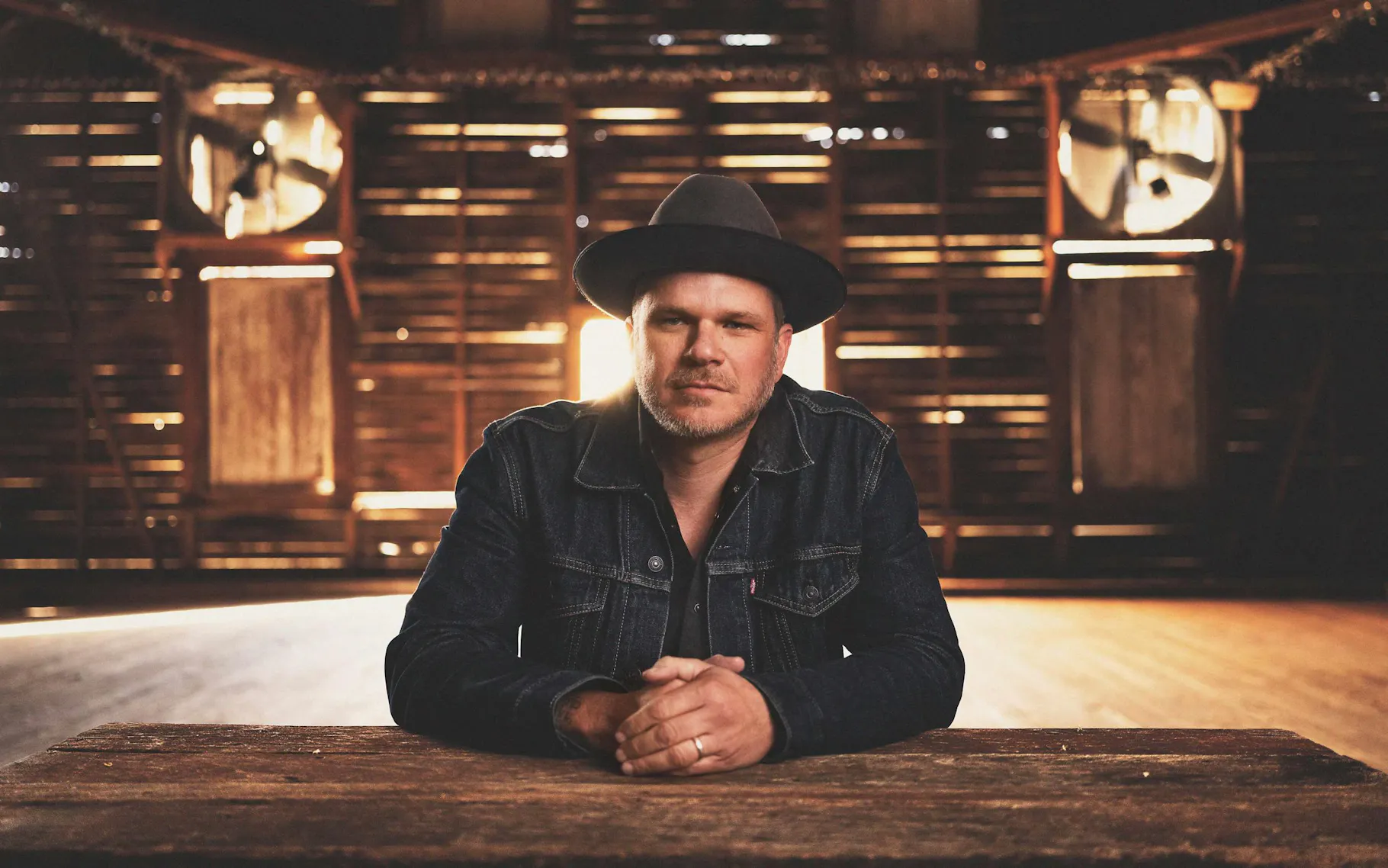
Hosted by Jarrod Morris, Texas-based singer-songwriter.
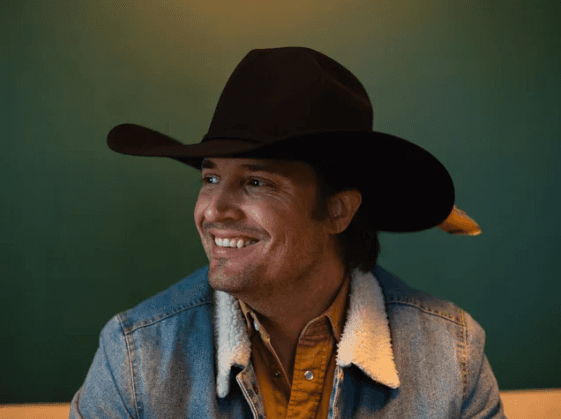
The Joint Task Force 2 (JTF2) is a highly secretive and elite special operations unit of the Canadian Armed Forces, specializing in counter-terrorism operations, both at home and abroad. Dallas Alexander and his JTF2 Sniper Team were responsible for landing the world's farthest shot, breaking every record before it. After his impressive military career, Dallas has transitioned into his life long passion of music and currently writes and plays original music in the country music circuit. Check out Dallas Alexander's new single "7 Words" out now!
https://www.dallasalexander.ca Former JTF2 SniperDallas Alexander Episode Transcript
Episode TranscriptRead / hide
Full episode transcript, auto-generated from the audio and lightly formatted (verbatim, not edited).
Like the it's the thing that probably takes up the most amount of time. Business-wise, like just there's so much I'm like trying to figure out, "Okay, we have a show confirmed here." And I just do the same thing all the time. Okay, what's about 5 hours down the road, 6 hours?
We could push it to 8 one day. You know what? I'm just like next town, next city, all the venues, what would be a good fit. And just do that constantly.
Yeah, it's non-stop. And just even just trying to like stay organized to follow up. There's some people that are so good at it. Well, so They're all really diligent.
manager is a is really good at that. It'll be like if I touch base first and then connect them and she does all the, you know, if it's a show contract or just like whatever it is, she'll do all the follow-ups, she'll be in touch again cuz well, I'm sure you know, the venues are so weird sometimes. It's like, "Yeah, sounds great. This date works."
And then any other information is like in the abyss to get sometimes for like a month. She's like, "I left a voicemail, sent another email." And then "Oh, yeah, they got back to us. It's confirmed and here's whatever the door deal is."
more intense now, too, cuz they're all going out of business. I'd imagine it's tough. And then you have you know, endless amounts of artists that are trying to play and they're from brand new to really established and you're like trying to figure that out. And if it's some person they've never heard of coming like from Canada or even now from Nashville, just like "We don't know who you are."
Well, like a lot of those old historic super well-established venues like here in Texas, a lot of them are going out of business. Are they? Well, I don't I don't know. Well, there's no built-in crowds anymore.
You know? Really? Why? The internet.
I would have assumed that the worldwide web that built-in crowds were just like all over Texas. Like there's so many venues and I'm like you see it, you hear about it. And I'm like "Oh, yeah, I think no matter any show they put on Well, like we're going to have Green Hall, Green Hall still has a built-in crowd, but uh most of them have lost that. And if they haven't either been willing or just recognized that was changing because of the internet.
People find music online now. And then they go out if they want to go see it. But pre-internet like you discover you either heard music for the first time on the radio or and you heard it at a venue. So, it's like you go down to your local watering hole, go have a beer, and you discover a new band that's badass.
Yeah, that's true. That just doesn't happen nowadays. How do they fix that? Not or at least not as much.
I don't think there's any way to fix it. You just have to get with the Get with the program, basically. Do or die. It's the same way with people like us, you know?
Like it's why it's harder to book now. You know, there's not places just booking a band. Yeah. It's like, "Well, how many people are you going to bring?"
Yeah. Which is different than I think the way it used to be. do you have? Yeah.
Damn it. Which there's two sides to that. Like it's cool cuz you maybe don't have to go I always think about like some of those guys in like the '70s, '80s, '90s um when they didn't have the ability to reach like tens of thousands of people by just doing a video on their phone. Yeah.
They had to go play like 250 shows a year. Yeah. And then they got like a drug addiction and alcohol addiction and then their wife left them and their kids don't talk to them anymore. So cool.
It came at a cost. Yeah, yeah. It came at a cost and sometimes I like I giggle uh when uh you know like if I'm like, "We just got to play a bunch of shows." Sometimes I think about those guys and if they would just be like, "What?
You don't have to do that now." a phone and connection. Why did you Why do you want to do that? think there's I actually like you know, there's a lot of heat on, you know, Spotify and social media and stuff and artists are like "We hate doing this part of it."
But really like you can just send anyone a message and sometimes they might see it. Like you could never do that before. I could discover artists you know, where I would never be where they're touring. And my playlists that I listen to are full of artists like that.
Like I don't discover artists on the radio ever. And I get connected to new music and stuff that I love where if I waited for them to come tour like Canada, it would just be people I would never see any of my favorite musicians or hear of their music. So, well, you're from Alberta, yeah, correct? Uh that place always strikes me so much like Texas.
Yeah, definitely. Just even the way you guys are Yeah, you're a part of Canada, but you can't you're like almost like your own little country up there. Totally. Right?
Texas kind of has that same vibe. And then a lot of the people I meet other than the accent, it's like most of the people just they kind of have a similar personality type, even like similar humor. Yeah. And it's even different than like Wyoming and Montana.
It's like just like a I don't know. It's kind of It's very I've heard it called the Texas of the North. Oh, really? yeah.
And then so the music scene is a little bit like that, too. There's people I find out about up there that just crush it. Yeah. And I've never heard of them.
Yeah. Yeah, it's not as like you know, I you hear from a lot of people that you can have almost a whole career of playing all over Texas and not really have to leave if you don't want to. It's tough to do that in Alberta with, you know we just don't have the It's not the same population, it's not the same Yeah. amount of venues and stuff like that, but you can definitely most of our Canadian stuff like we have a big run we're doing kind of coast to coast, but we'll go and most of those shows it's like a couple in Ontario, Manitoba, Saskatchewan, and then we're doing a bunch in Alberta before we go to BC.
It's like our biggest market in Canada is Alberta. Yeah, but you don't go east at all. I mean I like it. Like we're starting east, we're starting in Ontario and coming across.
Um Like East Coast, it's kind of tough I find. There's again with the venue thing. Like we tried to start the tour right on the East Coast and it was just such a hard time venues getting back to us and stuff like that. I'm like "Let's just start here and go this way."
Yeah. Yeah. So why'd you end up moving to Nashville? What was the point of that?
Why did Why I mean cuz with the internet, why didn't you like kind of stay more remotely where you were at? Well, I was traveling to write in Nashville for the last couple years. Um Just hearing it's Music City, you know, it's the heart of this and that. I'm like, "All right, let's go check it out."
Um the co-writing stuff that happens was like very strange to me. I'd only ever written by myself. It was also very intimidating I found. Um But once I kind of just you know, pushed myself out of that comfort zone a little bit I found it to be really beneficial.
Like even if the song what we're talking about, if the song that at the end comes out and I'm just like maybe it's not for me or I don't love it. I always learn something in a song right. Writing with new people and you know, people that do it every day. Um whether it's something I learn and I want to take on or it's something that I want to avoid falling into.
Um so it was just every trip was so valuable and being there like in like the social scene of it all I found super valuable building this as like a new artist. Um So, it's like well, if all these trips where I'm going three or four days at a time are this valuable why not move down and check it out? Yeah, but that was like a tall order cuz you got How many kids do you got? Four.
Yeah. I thought you had more. No, four. I mean I'll have more, hopefully.
I'd like to have more. Oh, okay. Yeah. Yeah.
Sorry to sound disappointed. Yeah. Oh, that's it? I thought you Yeah.
I thought you had a football team. thousand of them. More But that's a big move. Yeah, I mean it is.
I mean I God bless my wife cuz I'm very I mean some would just say crazy cuz I'm like, "Well, let's just go do it." You know what I mean? There's so many things where I'm just like, "I feel like it'll be fun. I feel like it'll be an adventure and it'll be good for what we're trying to do.
So, let's just go do it." And to her, she's like you know, she's smart and like an adult and [expletive] So, she's like, "Well, there's a lot of stuff we got to think about." I'm like, "We'll figure it out." So, how do you not Have you always had that lack of fear for making a wrong decision?
I think so. Yeah, I actually think about this a lot. And I think it's from And there's not a lack of Like there's some times where I'm like the you know, the small adult part of my brain will be like "Okay, hold on. This is a lot more, you know, pressure on a whole bunch of different places."
But I just think the childish part of my brain is bigger where I'm like, "Yeah, but it'll be an adventure." And I believe it's going to work out. So, let's just go do it. Feels like the right direction to go.
Um and I grew up very in the middle of nowhere, tiny place and my parents let me just roam free and I think a lot of it came from that. Like just going to find an adventure and then it always worked out one way or another. Yeah, or even like the consequences sometimes might even lead to something better. Yeah.
Even though you perceived it as being a bad thing. Yeah. Which that's exactly like songwriting or crea- or creativity in my opinion. That's why I'm like such a fan of just always saying yes.
Like in a creative sense. Like one of the just the worst things I could ever hear when you're just like making a record or writing a song, anything creative is when somebody goes like before you even try the idea, somebody just goes, "Well, nah." It's like "What's the worst that happens if you sing that word that we suggested? Like it doesn't work.
You're going to know like we're all going to probably know it, right? When you sing it. So just like sing it cuz then you also don't know like what it might lead to. Yeah, well it was one of the cool things writing with you and Mike was like any idea was kind of like, well, let's take that off-ramp and see like what is it you're trying to say?
Like explain the word and it just like always led to something different and the I think it showed like the songs we wrote when you were in town like, man, these are cool. Those were good, dude. like they're different because we took different pathways and branched off in different directions that are not really normal whether it's with lyrics or with melodies or whatever and I was like I guess there's I guess there's like a healthy balance of self-awareness that you're not you're not taking every idea. And sometimes even when we suggest an idea it might be like, ah, that's kind of dumb.
Or even when you hear yourself say it. I was that's what I was going to say. Sometimes I'm like and then I'd say I'm like, actually never mind. But there's like a there's like a magic in like knowing that the people around you are confident in what you're like searching for.
Yeah. So if you have that like, oh, wait, and you can tell somebody's like got it right there. It's like, okay, what? What?
Give it to us. As opposed to having that feeling of like if you just if you can get past the whole part of like being worried about like being hyper judged about what you're going to say or something. Yeah, that's and that was that's one of the most uncomfortable things I found when I when you know, especially new to Nashville and writing with you know, people that have whatever, big hits or something like that. I'm like, okay.
Really don't want to sound stupid to this person. It's getting over for me it was like just getting over that. I'm like, what difference does it like it could be a great idea that comes and we could use it and if it sucks, who cares? I would like I know.
For me it was getting over that it took a little bit of time. I know. It's like that process of trying to figure out if it's just a bad idea or it's just like how do you support somebody? Cuz you don't want to be disingenuous.
Like I hate it if somebody does the Oh, yeah. Okay. Yeah. I'm like, all right.
Just tell me you hate it. Like don't do that. You can be honest with me. But I even appreciate the sincerity, too.
There are times where and like I've been in the situations where if somebody is very successful there's that there's like an ego that comes along with it. So it's like they'll kind of just shoot stuff down that I'm like I know that was dope. Yeah. Like why did you just Yeah.
Like it has to be your idea, which in my experience some of those people, at least on the songwriting side sometimes haven't actually been that involved in like maybe the production and making of records, too. Cuz those are like kind of two different worlds in ways. Uh Yeah, I don't really still Sorry, pup. I don't still really know I don't know if I know the workflow of that well enough.
Yeah. Like after a song is written and pitched those are they like never in the room when the song's being put together? Like I don't know. It's pretty rare.
I mean, that's why you kind of get the thing where songwriters try to make demos. And I think the whole system is backwards about like how I think I was talking about this on another pod I did, but um you have the best musicians in the world in Nashville that you hire to do these sessions, right? But when you walk into the sessions you typically have these demos that have been fully thought out and like they sound great. But it's already guiding that expert.
Yeah, and it's like these song these three songwriters that did the demo together that are like they can halfway play the bass or whatever and put a track together. They created the demo. Yeah. Which is like the whole arrangement of the song musically.
And then you get the best musicians in the world copying that and I say copying like they're you know, yeah, they're going to make some changes and stuff, but for the most part like they're just Yeah, the road map's there. playing what they did better. And it's like, but how do we know those decisions that were made were like the actual best decision? Like isn't it backwards?
I never thought of that. why would we not have the best musicians creating the music? Yeah. I find it to be and that's why like I've focused a lot here like in the last year or two on finding like really good musicians to write with.
Cuz a lot of them will be like, oh, I don't write songs. And I'm like Let me I'm telling you right now you can write songs. Like but they might not be lyrically that great or maybe if they have somebody else to just guide Yeah. kind of the ship a little bit and then they're able to cuz I've had a lot of success with just playing with like a great piano player, like a great guitar player and they'll just be like, oh, what if we went to this instead?
And I'm like, good. I would have never thought of that. And it might like open up the melody in a way that when I'm sitting around with a bunch of like five dudes banging on an acoustic guitar like we never would have played that chord to go there on that melody. I agree with that.
Like one of my big limiting factors in songwriting by myself is like I know four country chords, but it's like I don't know how to explore other places and like you said there'll be a chord progression or something that I would never think of and it completely changes what's available to me like even in my brain. So yeah, I see that being ton of value. So how do you think what's the way to do it? You think like lyrics maybe and melody and let the musicians like run with that?
Yeah, I think it just needs to be more of a collaborative effort. Yeah. It just gets so regimented like you do this, then they do this. Then I'm like, guys, I think this is all might be like commingled, you know?
Yeah. Uh Yeah, I mean it exists that way like even in the just the process of making a record where it's like you have the engineer that records the session. And yeah, you have a producer that's supposed to be overlooking the whole process, but then it's like then it moves into editing and then it moves into mixing. And that was kind of my that's like why I got a studio and then I work with an engineer who works with me full-time is so we can it's like, yeah, if we're mixing the song and we need to make some edits and do some other if we need to recut some vocals Yeah.
while we're mixing cuz it's just not sitting in there right. Like let's go freaking cut some vocals. Like but the I it I don't know. And it that's a luxury, too.
And I've you know, spent a lot of money to be able to have that luxury, but I just don't know if it's just like it starts to become so cookie-cutter. Yeah. And it's like, well, yeah, you're probably going to get the same product as everybody else if we're all doing it this exact same way. I always thought like it would be cool to be in a you know, like you think about bands throughout time where they're like go right as a band and like you know, all the musicians in there are there's parts and it's going places and there's jams and stuff that you wouldn't you don't necessarily write those in when you're in a writing room.
Exactly. think like that would be really cool. Just like going away with the band and even bringing extra people, more musicians that are really talented and like creating a song all together and then being like damn, I would never have wrote that by myself in a in a room with my guitar or whatever. Yeah, you just really concisely said what I was struggling to say for like 5 minutes.
You're welcome. See, that's how co-writing works, too. That's true. Like you can give this big long and they're like, oh, yeah.
Like you know. Like this one line. Yeah, bingo. That's it.
So what was it like growing up in Alberta? You said you're freaking super remote. Yeah, I love have a bunch of siblings? Um No, I've surpassed our family count myself already.
I had older brother and a younger sister. Yeah, okay. So But I mean, it was such a small community that I grew up with friends that were like my siblings anyway. It was just like staying at our house, sometimes being in a fight with their parents and run away and live at our house for a week or two and vice versa and it's just is the community was like I want to say it probably maxed out at like 300 people.
Woah. And like on thousands and thousands of acres, like huge. It's a it's like a little indigenous community, so it's called Métis settlement where I'm from. What?
Say it again? Métis. It's like uh in Canada our indigenous Like I Métis? are like No, it's uh like a half-breed.
So I'm God, dude, it trips me out every time you say that. The first time you said that to me, I went, oh. I said, can we say that? And you go, I can.
So well, that's what it is. It's like the original settlers and the indigenous of Canada that live there made like this type of people and they're called Métis. So I grew up on a Métis settlement, which is a lot like a reservation. But Métis is specifically like fifth like 50/50?
I mean, it is it kind of gets mixed. Yeah. Like so But you have to be mixed. You can't be full.
Okay. All right. But it's like one category of the indigenous people of Canada or recognized as. But basically what it means is there's little settlements of Métis kind of throughout Canada.
And it's a ton of space and like land for a small amount of people. So the community is tiny. There was like, you know one street that had a school and a post office and like the little office. And that was really it.
So you kind of know you know everyone in the town. Um or if you call it a town. And so growing up it was like, yeah, I had a older brother and sister, but like all the other kids your age, you know, at one point are a friend of yours or an enemy of yours. Like but you know everyone.
Yeah. So what did y'all do? Did y'all play sports and Yeah, I played like I played hockey my whole like, from probably 8 or 9 years old until my mid-20s. I joined the military, but it was all hockey.
And then, when it wasn't winter, it was just outdoor, like I would just run around in the bushes, we'd shoot guns, and go to the lake, and Was it like poor, like low income? Oh, yeah. Okay. Yeah.
Community is very Well, it's like settlements, like reserves, are kind of the same the same problems that, you know, reservations have with addiction and that kind of stuff, and low income, and then there's also money that comes from the government, and there's corruption, and like all of those same problems are sort of the same on settlements. Um but it I didn't really notice low income, like we were low income and but my house and my family, my parents are just I'm blessed. It was They're amazing. You know what I mean?
Like we had what we needed. They spent money to play hockey, which is not a cheap sport to play, but that was like our thing. So, like, equipment, and they'd bring me to the game. We didn't have extra stuff on top of that because that's what our their time and money went you were that rural, and you didn't I mean, there was there anybody that was like rich in your community?
Like, did you have any context for that, I guess? Yeah, well, there was like people in the community that had bigger houses, Yeah. you know, ATVs, or their dad had like a trucking company or something, and like they had like a big TV and a satellite, and I'm like, holy [expletive] man. Like, you got like 100 channels.
Uh so, I had yeah, I had context for that, and there was there was a guy from our community that uh made it to the NHL, and was like a an NHL hockey star. And so, like Who was it? Sheldon Souray. Was it like what years would that have been?
Uh Oh god, I don't even remember the years he played. He retired probably 7 or 8 years ago now. Played like the Montreal Canadiens. He like played in the All-Star game.
He like he did well. So, he'd like come in back to Fishing Lake in the summertime, and bring other hockey players, and like have a, you know, beach hangs and stuff, and I was like, this is so cool, cuz I just wanted to be a hockey player. Were you were pretty good? I was all right.
Like, I could have made a lot So, I played to the end of what we call junior hockey. I could have probably played semi-professional somewhere. There's some leagues in Europe and stuff where like you can make a living out of it. I wasn't going to go to the NHL.
Um but it was it was such a huge part of my life, and I was very happy even though like the dream of playing in the NHL didn't happen, there was so much value to me looking back now, like, just chasing that dream. Like it gave really gave me something to focus on, and I didn't get sucked into like the shittier parts of our community with like, you know, drugs and all of these things cuz I was really focused on wanting to play hockey, so I'd be at the rink, and I would be training, and it was just kind of this solo mission I was on, and looking back, it was so valuable to keep me out of like some of the paths that, you know, some of my friends or whatever had gone down. Yeah, were you a rare one that like, were you an anomaly that you didn't get involved in some of that stuff? Yeah.
Yeah, it was there was not too many of like the group I grew up with that didn't find their way down those roads. That sucks. Yeah. But were all them I would imagine all them were probably playing hockey, too, right?
Off and on. They would be, you know, like we had a little rink, an outdoor rink in our like town site area, and uh you know, they'd skate and play, and maybe join the league, and not practice much, or like it just Well, there wasn't the same I don't know. I feel like it was almost like an addiction, like such a passion for me that I'm like, every day I'm out. I don't care how cold it is.
I would be the one I remember when I was young, they like gave me a key to the to the hall that was right there cuz they had this little push Zamboni and a hose, and I was like taking care of the ice outside just so I could go skate and stuff, and it was just it just really gave me something to focus on, and a lot of other people would play on and off, and then quit, and like especially around you know, like 13 to 18, where there's like, nah, I'm going to go party, or find my way into other stuff, and like and I mean, I partied in high school and stuff, but it was just it was always secondary to hockey. So, what was the moment that you I guess quit? Like, what was that like? So, I was I finished playing junior hockey.
I can't remember the year, but I would have been 22 or 23 years old. That's like the last year of junior, and you kind of have to decide if you're going to go play semi-pro somewhere, or like a senior league, or whatever. At that time, did you already kind of recognize like I'm not going to go pro? Not really.
Like, I recognized that I was probably not going to the NHL. Okay. Like, I would need to have a big later in life burst of strength and ability. But, there was there was, you know, coaches and teams I had already been chatting with about playing and just continuing to play hockey.
Um but the summer between my last year of junior, where I would have to decide where I was going to go play, I was working in uh like in the oil rigs in Alberta. And the guy I was working with had done like one kind of stint in the army. He was a communications guy, and we just I was like, weird, like I didn't even know Canada had an army. And I was in Canada.
He's like, what? And I was like, I thought we just had like, you know, the peacekeepers that go do stuff. He's like, are you joking? So, we talked about the army a lot, and I was just figuring out all this new stuff, and then you hear in the news like, yeah, you know, guys in Afghanistan and stuff, and I'm like, oh yeah, I guess I heard that, and but he ended up through this conversation telling me about our special operations unit that we have like a tier one special operations unit do hostage rescue, they do all this crazy [expletive] and all this At first I thought he was lying.
I'm like, I'd never heard about this in Canada. So, I remember going back the like the day we talked about it, and getting on the dial-up internet, and like seeing if there was any information on this, and there was like weird these weird like sketchy recruiting videos they had out, and like some a couple people had written books before, and I was like, no way. He was like telling the truth. And so, I remember just drilling him about it as much as he knew, which wasn't much, and I remember that summer like my focus completely changed from hockey is what I'm going to do to I want to go do this like special operations thing.
Well, and I'm not going to sit here and act like I know a ton about that world or anything. So, like when you say tier one, I guess are they're like typically like is there like tier one, two, and three? Yeah, sort of. Like, the big distinguishing factor with units that you guys have here is like your Delta Force, and specifically SEAL Team Six are tier one units.
Um and the thing that kind of the category of how it works is if they have a hostage rescue mandate is basically what makes a unit a tier one unit in a country. A hostage rescue mandate? like if they're you know, like the top hostage rescue team that a country has. So, I actually think another like your domestic FBI HRT has kind of the same thing.
So, like, there's a big hostage rescue situation, and now local SWAT and stuff will do it, but if there's like, you know, you have someone taken overseas somewhere that's like, you know, an ambassador or something, the people that are going to go and try and get that person out safely will be your Delta Force or SEAL Team. So, then what are like is tier two, would that be more like a Marine Recon Uh yeah, or like Rangers, uh Green Beret, like still doing special forces and special operations things, but generally aren't the hostage rescue team. Then what's a tier three? How far down does that go?
Oh, I don't know where the tiers go beyond that, but it's like you'll have cuz, you know, army units will have like a recon det or platoon or something, and it just gets a little more specialized, but it's the generally it's talked about with like tier one being the groups and units that do hostage rescue along with all the other special operations stuff, and they'll be like the ones that go after high value targets, like, you know, Bin Laden and all of that stuff. Okay. Yeah. So, you had just gone down like an internet rabbit hole, and then you just became obsessed with it.
then just started watching like every Holly like I probably watched Black Hawk Down like 600 times, and I was like, this is what I want to do. Oh, you were like how old? I was in my 20s. Yeah, I was 22 or 23, I think.
Okay. And like, I was still working on the oil field, and I like went to the recruiting center. I was like, I want to join JTF2, which is our unit. And guys are like, whoa, whoa.
There's a lot of stuff to do, kid. I was like, JTF So, what is JTF2? So, it's Joint Task Force Two is the name of the unit, and that's our tier one special operations unit. Okay.
And they kind of just named it that so it would blend in with a cuz there's joint task forces joint task forces all over the world that it'd be like Joint Task Force whatever, Africa, and it'll be just a bunch of units or groups working together for one thing. So, they named it so it'll kind of like mix in with other things out there, and I actually don't know if they put that much thought into it, but Um but yeah, that was the unit and I was like I remember specifically that summer just my focus completely changing and you know like joining the army. So you did? I did, yeah.
What's it I've I've always been curious about uh what do they call it? Like where you tryouts for it? What is that called? Yeah, so the way it works is you have to Well no, I mean like I would what is the Oh, basic training or All the base training.
Well, like cuz you watch these shows and they always make it seem like it's so difficult, but it was dude Well, especially being like a hockey like playing sports and like growing up rural I just like there's times that I'm like well it couldn't have been like that much worse than like two-a-days in August in Texas. Yeah, I heard terrible stories about like boot camp and basic training. In order to go on selection for the unit for the tier one unit, you had to do two years first in the regular force military. So I'm like all right, let's get this started.
So I trained my ass off to go to boot camp. You were probably already in pretty good shape. like playing hockey. I was in like peak physical condition of my life to that point and I got to basic training and I was like holy [expletive] Really?
I definitely didn't need to train that hard. Um, I just found it more annoying than anything. Like you're waking up super early, yeah. People are yelling at you all the time to do really dumb things seemingly.
Um So is that the stuff that kind of ends up breaking people more than anything? Yeah, well I mean physically it was hard for people that didn't prepare and just showed up and like boot camp is what made them lose 20 lb and learn to do some push-ups, but like I would just already I was like look, if I want to go to a tier one unit, I got to be physically ready for it. So I prepared a lot and I just found yeah, boot camp was just annoying. It was just annoying.
like polishing boots that are already super shiny and people yelling and I get it because they're taking people from such a large like from every spectrum like 18-year-olds to 40 whatever year olds all different levels of physical ability, mental ability. Some people have never lived on their own before. They don't even know how to like clean their room. So a lot of it is just drilling in take orders and pay attention to detail.
Which some people really needed. Oh, I could have used it. Holy cow, I could have used it. Oh my gosh, yeah.
Just a little bit some more like that. At the same time, I don't know if I would do what I'm doing now if I would have been hit with that kind of discipline at the same time. Cuz part of like my like just flying by the seat of my pants and doing my own thing is like that doesn't jive with the military. You know?
It didn't jive with me very well either, but for me I just like it was just one of the steps I needed to take to go do the thing I wanted to do. So how So did you have to go into like how long were you in the I guess the regular military? Yeah, so I boot camp and did like my infantry training and all this stuff. I joined the infantry first in the army and I got to my battalion in Edmonton and that's sort of where I started to see other specialized groups within like you know an army battalion or whatever.
I saw they had like a reconnaissance platoon and there were snipers and I was like that looks really cool. I'm like that's what I want to do. So within my two years that I had to do before I could go on selection um I did like my wrecky reconnaissance course. I did sniper course and just was trying to make the most of the time there.
Um, so it was really cool. I got that training before I even did selection and went to our unit. Was there any moments in the middle of that you didn't think you wanted to do it? There was moments where I didn't know.
There wasn't moments where I thought I didn't want to do it. There was moments where I didn't know if I would be able to do it. Like the reconnaissance course I did in Edmonton at 3 PPCLI was like even after all the special operations selection courses, training, deployments it was the hardest thing physically I'd ever done in my life. In what way?
Like you had all these really hardcore dudes that were like ex-airborne which was kind of our special forces before JTF2 and like just hard-ass guys trying to break you every single day. And like without the common sense of like in special operations it's really hard, but at that level there's a there's a maturity to the training and stuff where it's like it's super hard, but it's for a purpose. Like it's focused on this so that you can do that on a mission or whatever. The other one the reconnaissance course was just straight up how much can we give it to these guys before they'll quit.
Like every single day. It was crazy. It was sleep deprivation and it was extremely heavy loads for miles and miles and days in the woods. Just like I remember just being like hallucinating cuz I hadn't slept and just like wake up like shivering in the woods and I don't even know where the [expletive] I am.
Sorry, I didn't mean to say By yourself? But like by myself and then you're with like where's my team? You're supposed to be on a reconnaissance team and just like where are they? I'm like I there was just so many crazy times and like fighting through injuries cuz I just wanted to finish.
Um, it was yeah, it was the hardest thing I've ever the worst injury that you had to push through? It was a knee injury and I don't even really know what it was. It was just my knee stopped wanting to walk miles and miles with hundreds of pounds on my back and with no sleep. Like my body was just like what the hell are you doing?
Um and yeah, I just remember like when that course was over I thinking like back to your question like if selection and you know special operations stuff is harder than this like I still want to do it. I just don't know if physically I'll be able to do it. Like I don't know what maybe I need to get on steroids or something, but I was like that was insane and thankfully that was the peak of how hard something could possibly be for me. Did most of your peers seem like they felt the same way?
Oh, yeah. Like it was a we were a ragged crew by the end. Most the it was crazy. We started with I want to say like 45 candidates on that course which was already like they did a selection for that course, whittled it down from like the top you know people that performed on that thing for this course.
Started with like 40 some candidates and ended with like I want to say like 17 or 18. Just like And those other dudes were they were probably some bad dudes. Yeah. Oh, yeah.
Like and I just yeah, see the idea of injuries. I mean Well, there's all kinds of injuries and quitting, dehydration and just like everything. People just every day someone was like dropping out and I'm like oh my god. Well, yeah and things that are just out of your control.
Yeah. Like you freaking I don't know blow out a knee. Like okay. That's not like being soft.
It's like you got an injury. Yeah. You can't continue on. Well, and then it's like do you know, knowing what that is once you're recovered like do I want to go back and do it again?
You know? So what was the purpose of that segment? Was it truly to just break you down physically? It's what it seemed like.
And this is where I said I still believe now after you know, almost 17 years in and gone to special operations that it was just there's so much pointless like uh hell being put on guys. It doesn't make you better at reconnaissance. Do you think Do you think it really weeds out the strong? Like truly?
Um, I maybe weeds out the stupid more. Like Just like you're too dumb to quit something that's this insane. Um I do think is there I mean I don't know. Like you might in a military setting you might not want to have the guy that thinks too much.
In ways maybe. Yeah, it's a balance like people Also, I'm not calling you names. For the record. the description.
But no, it's a balance cuz like a lot of people assume because they're told this and officers say this in the military. Like your job is to take orders. And that was I never looked at it that way. Not for a second.
Well, and the way your whole thing ended was I mean that was kind of like a prime example. Yeah, exactly. And just throughout my whole life I'm like well no, I'm a thinking individual. I know how the whole system works and sometimes I'm like yes, I will polish these boots in basic training cuz it was in view of getting to a different place, but you know, even I remember deployments overseas, missions, all this stuff.
Like we were just we're doing our own thing as a small team and trying to fit what we wanted to do and sell it like to a chain of command let's say to get to a certain place and do our job. And it's like it's nothing to do with their order. It's like what is your own mission as a team and what do you want to do and then let's go figure out a way to do it. Um, and generally it was in view of a bigger picture of you know, we were hunting like let's say ISIS or Al-Qaeda.
But there's just so many layers of officers and people that are like and the longer you're in a theater more and more rules and you're just like we could just go get this done. So you had to figure out a way to do that. Um so I never really looked at the military as like my job is to take orders. Almost looked at it as the opposite.
So I spent some time down in like the panhandle of Florida. I lived down there with one of my buddies and his cousin was a combat controller in the Air Force. So we ended up running around with a bunch of cuz that's where they do like combat dive school and stuff down there in Destin. So I ended up being pretty good with some of those dudes and uh and like running around in the bars on the weekends and stuff.
Uh and they are they're definitely a different breed. Like they're by far the most wild people I've ever I've ever been around. Well, yeah. I mean, just the Spec Ops dudes.
Like they're just Well, and especially when you get in a group of them, I find. Like it can be it can get pretty wild. Yeah. I think I cuz I had heard you talk about it one point, the way that they drink.
Like and just the culture around that. I think I was telling Micah about it the other day, too. It's like these cuz they all play rugby, too. And they would just but they all worked out so much.
Yeah. And they would just like they'd get done working out or get done with a rugby game and then we'd all go to the bar and just drink pitchers and pitchers of beer. But they'd be up at 7:00 a. m.
the next day like doing their thing. I just have never really quite seen anything like that. So, it obviously it does cultivate this type of person that like they don't follow orders that great. And you kind of want that to a certain degree.
Yep. But then at the same time, they have to fit into this like I don't know, giant almost corporate entity. Totally. Yeah, you're like a small piece in a very gigantic system of you know, things that have different agendas than you do probably a lot of time as an individual or whatever.
Um But you have to be the person that when you're sitting there hallucinating, shivering in the middle of the woods by yourself, you can take care of business still. Yeah, exactly. Like how do you find that person? I don't know.
And it doesn't surprise me that they often times have a really difficult time like getting back into society Yeah. and normalizing. Well, that's like one of the things you know, getting out and now I just do music full-time, but all of it, especially if you spend any amount of time in the training, in the deployments, in the way your brain has to work to do that stuff. You just become a very different person than like normal people.
And then you get out and the whole system is like, okay, now time to be a normal person again. And you're like, but I'm there's like no part of me that's a normal person the way like my and I don't think it's like it's not brainwashing and it's not even like the trauma side of stuff. I don't I don't really look at anything that way in a negative context in my life. But it's just my brain sees things differently because of the way it's had to see things in order to do this job.
And then it's reinforced a bunch of times where I'm like, oh, I see the world this way. Oh, wow, it saved my life today. Like, do you know what I mean? And then something else and then, oh, wow, it really works.
So, it's constantly reinforced. And you just come out the other end a different person. Um and I think a lot of people have a hard time being like, oh, I can't I can't get back to being normal anymore. And I think a lot of people struggle with that.
I think it's one of the big things. It's And it's not even really recognized. It's like, oh, you have PTSD or you don't. It's kind of the assessment after.
And it's like Interesting. it's different than that. I think it's like you just have a lifetime of different experiences and mental health specialists and psychologists, they don't they don't know it cuz they've never gone through that. And the textbooks talk about a checklist of symptoms for PTSD or whatever it is.
Depression, anxiety and stuff. But it's just a it's a life of a completely different path than the one that is normally traveled. That's how I see it. So, why do you why do you think there's some guys that seem to like assimilate back into society and then other ones just have like a way tougher time?
I think it's a combination of things. Um I think upbringing is one of them. I think about this a lot. Um I think preparation is another one.
Um I think a lot of guys get into it young with like a not a bad thing, but like I just want to serve my country, you know? And that leads to the person that's like, I'm going to do whatever you say cuz I'm serving my country. And sometimes on the tail end it'll be like and especially after guys struggle with this, like, I don't agree with what my country was doing there. And I didn't know, you know, that this particular war, this thing wouldn't align with how I feel later.
So, there's a sense of almost guilt for having done crazy things on behalf of your country and not agreeing with the agenda anymore. So, I think that's one of them. I think the other one is a lot of guys get into service. They want to do it as, you know, up in service of the country and their people and protecting.
And when you go overseas and something crazy happens, let's say your a teammate gets shot or your whole team gets blown up or something. It's very hard to be like, I'm the only one left. I didn't protect them. Whether you could or you couldn't, there's just there's so many scenarios that happen where someone was helpless.
Like no matter how good you are or how trained you are, you know, a person that's your brother and friend and in this together with you gets shot right beside you. Or, you know, like it's happened a ton in Afghanistan and Iraq. A team will get blown up and there's like one survivor. And like to try and tie that in and especially if you add it to like, now I don't I've learned more and I don't think the agenda of why we were there is something that I support personally or like my don't jive with my own morals.
It just can be a really hard thing to overcome. So, did you have to find When did you come to that realization? This is all I've just kind of been thinking about it more cuz my path I'm very grateful for. Like from my upbringing and I prepared a lot getting in.
I joined knowing that it was going to be a very serious job. So, I did everything I could from realms of like mental resiliency just to try and make sure I had tools. You know, like I would be like I was like a hippie overseas something. Like we would go do a hit and I would come back and I would like literally do a meditation for as long as I could and I would journal and I was reading things and I was just like trying to gather all the tools to keep myself processing things as they happened instead of just like putting it deep down inside me.
Like I'll deal with that later, you know? And I think that helped me immensely. I think that's something that's missing in most forces. And I think sometimes it's to get the most like this amount of years out of someone in the most aggressive way possible.
And then you're like, okay, you're done. We need the next crew of that. Um and it's to a chain of command, I could see it being like, hold on. Why is everyone sitting around meditating and doing these things?
You know, are these going to make the most effective war fighters? And I think yes, but I could see that if we're like, here's what we're doing all the time, it'd be like maybe, you know, that's not the way to do it. But I just tried to go through that and process things as they were happening as much as I could. Um Now, I still have like Honestly, if you take a uh like a checklist of PTSD symptoms, there's a bunch of stuff on there that are like fit my personality or day-to-day life or how I see the world.
But I also don't look at it as like here's this acronym thing that you have that makes your life shitty. I actually wouldn't trade almost any of them for whatever the flip of that is. Do you know what I mean? So, like an example, they call one like hypervigilance.
So, like when you go places, you're just paying more attention to things or where I'm sitting and who's coming in and what a threat is in the room and how I could get out or do something if something happens. I wouldn't switch that for just being like a zombie walking down the street on my phone all the time. Do you know what I mean? I think of it as something I'm happy to have even though it's a symptom on a checklist of a disease or whatever you call PTSD.
Yeah. So, did you have to find Did you When you When you were finally over there, so I guess did you go to Iraq and Afghanistan? Yeah. You went to both?
Yeah. Did you have to find alternative motives for like why you were there and what you needed to focus on? I think I always Sorry, I think I always had alternative motives. Like I joined and wanted to kill bad guys.
Um it sounds very I don't know. It can sound weird to a lot of people. But Is there times that uh when you like cuz I can tell you almost hesitate a little bit to say like kill bad guys. Is there Is there stuff like that like with normal society that we just can't quite like fathom what you guys have to do on a day-to-day basis?
so. I think the one thing that society has a hard time fathoming is how extremely violent you have to be do this job. And hopefully be able to turn it on and turn it off when required. But like an example is you're in a foreign country.
You're going to go to someone's house in the middle of the night. You're going to You're going to jump in or walk in through a desert or through the city. You're going in. You know they want to kill you.
You know they make bombs. You know they post videos of not caring if they live or die. They'll blow themselves up to Like you're going into this like horn's nest. You have to be the most aggressive, violent being that you can possibly conjure up for that part of your day cuz everyone else in your team is relying on it.
And it's like and then you have to find a way to like hopefully dial it down when you come back. And especially when you come back home. Or like home. about it, it's like kill bad guys.
It's like cuz if you said maybe what you guys might say before you like breach that door or whatever or like when you guys are getting ready to go that morning. We might be jarred by the way you guys might talk about it. Even though we like can't cuz we just can't conceptual We just kind of live in a little fairy tale world. Yeah, so I say kill bad guys because it's like most people are pretty comfortable with that from movies and stuff.
You know what I mean? Like everyone's Yeah. Arnold movies and stuff. You're just like, yeah, kill them bad guys.
can see how if you were the one that like had to do that, I can see how almost like you're pretty uh I guess just like self-aware, but I can imagine there might be people that could grow a little bitter with like constantly having to uh kind of filter themselves maybe in like things that they did, which is a part of like a simula- assimilating back into our culture. Cuz like there's just nobody that and I could actually find that it might be frustrating to talk to kind of ordinary people and when they try to relate to you or they tell you the stories about like whatever their grandpa or something. Yeah. I that would almost like that would probably annoy me.
I don't I don't really I don't think I get annoyed by it. I just I mean, you don't know what you don't know, right? Like so people I try to give people that amount of you know, grace, I guess or whatever you call it. Just patience.
Yeah. Cuz like there's a ton of things like now I'm playing music and there's a ton of places I probably sound really stupid, you know, where I'm just like you know, to people that have been doing it a long time. So like I'm now in a space where I don't know a ton of stuff about the music industry or about, you know, guitar and song writing, just all the stuff. So I can appreciate that if someone else is going to give me a little patience in, you know, this new thing like I should be doing it to anyone that, you know, has a war story or has something that they've gone through and I'm like, yeah, it's Well, I guess my point is I can empathize with guys that maybe carry some like bitterness and resentment towards like ordinary society.
Yeah, well, I mean and that's one of the biggest things that comes out of it is just like feeling like people don't get you and you don't fit in because you're you just you end up a different type of person. And there's a lot of there's like a lot of jobs and a lot of different paths in life that make everyone in society a different type of person in some way. I like this is just one of them. Do you know what I mean?
It's like if you grew up your whole life addicted to drugs living on the street like you have even if you come clean after you're like your whole journey was different. You're going to you're going to have a different perspective than anyone that, you know, went to high school, went to college, 9-5 job and they have, you know, what you call a normal life. Their whole perspective and view on life is going to be drastically different. That's things people couldn't understand.
Sleeping outside under a bridge for months and like, you know what I mean? Just like all of that stuff and I've never done it, thankfully, but like that type of person will have a completely different perspective on everything in the world. Yeah, I was uh hearing a little bit about your story. I was like really fascinated by some of the horrors of war that I had like never even really considered.
You always consider like, yeah, okay, killing bad guys. They're bad, we're good. You kill them. There's uh collateral damage in the middle cuz there's civilians and stuff.
Yeah. But when I heard you talk about the sex trafficking that happens, Yeah. that was like the that I was like almost inconceivable. Yeah, it's crazy.
Like it added another level of like fire. You know what I mean? For me when it's one thing and a terrible thing, but you know, you saw ISIS I don't know if you saw it or not, but they were posting videos of just like executions, beheading people, like terrorizing full cities and sweeping their way across countries like and I'm like, okay, that's all very bad stuff. I don't think it's good for humanity in general.
I would like to go and kill as many of these people as I can. And then you hear about that kind of stuff. Like I didn't learn really about much of that until I was in Iraq. Um and you heard some stuff, but it was like I really learned about it when I was in Iraq and I was like, okay, this is Did you like confront it first hand or like what?
Uh no, so it was actually what happened was you hear it through intelligence reporting and stuff sometimes and I'm like, okay, I'm going be on the lookout if we can kind of see anything like that, but Thanks, bro. Um there was this ISIS fighter that got captured. Do you want more coffee? uh yeah, sure, let me I feel like, you know, in the middle of talking about sex trafficking, you know, It's a good time.
caffeine. It's a good time to ask if you want more coffee. So there was a fighter that got captured and he was bragging to a reporter that was doing like an interview, post-capture interview or something. This came out in an intelligence report about just like the amount of young girls that he had raped essentially.
Just like they were captured through this ring and they bring them into like the battlefield for guys that are recruited into This was ISIS at the time. And I was just like, woah. Like and so it was and I he was bragging something like in the number of like 200. Whether it was true or not, I don't know.
But it was like a new way of me looking at killing people where I was like every person or air strike or sniper round sent where I'm like, that could potentially be 200 less young girls that go through that. Unbelievable. A fire was lit. Just stack bodies.
I just can't even like quite I don't know. That I've had some of my buddies like talk about some really messed up stuff they had seen. I had never heard them talk about like that specifically. And it's so at that time were you still at that time were you aware of like why you guys were technically supposed to be there fighting a war?
Yeah, I mean, I was aware of it I think since I joined. Like I am not a fan of the government in general. Um I think there's so many shady things that happen with every government and any party and anything where it's and part of it I get. Like if you're going to have a foreign policy, if you're going to go anywhere, you're going to pick places that are advantageous to your country.
Whether it's to your country's corporations or it's to your own interests or it's to resources. Like it just it makes sense that way. If we're going to go pick some place to get involved with, let's also make it good for our country. But it wasn't I didn't think like we were always doing these things just to be good guys around the world.
Like there's so much money, there's so much, you know, whether it's oil corruption or opium and just a narrative. There's a bunch of different things that I'm like, that's not true. You're not telling the truth to people. But then when you're there and you see that type of evil, like to me I would prefer to be I mean, I'm saying this I've never served or anything like that, but if my government told me, hey, there's like mass rapes and sex trafficking and this crazy stuff going on over here.
We're going to go over there and stop that. I'd be like, hell yeah, let's go do it. Yeah. Uh that's like as good of reason as anything.
Yeah. Ironically and that's like the thing that doesn't ever get talked about. Yeah. Well, and it's I think like, you know, to get the population on your side if you're a government.
So a lot of it was we have to go fight terrorism so it doesn't come here. I'm like, okay. I just there's always more to it. There's always you know, stocks that go up a lot when you fight a war.
There's also, you know, recycling of equipment that needs to be There's so much such a money war such a money It is weird that I even feel it in myself like even saying that nowadays kind of feels like people just so quickly want to say it's like unpatriotic or something, which like dude, like JFK or that was before JFK. Who was the guy that was talking about the military-industrial complex? It was one of our presidents, but I think it was like Eisen- I don't even remember who it was. It definitely wouldn't have been Eisenhower, but uh I think it was like a long, long time ago.
And like why would we feel weird about nowadays like talking about how there's massive companies and corporations and defense contractors that make a ton of money by going to war? And even oh, I've thought about this a lot. Um like when you go down the conspiracy rabbit holes of like Pearl Harbor and I mean, well, Gulf of Tonkin like or uh getting into Vietnam and stuff. That's all declassified that was all like a farce and a false flag.
Um the Pearl Harbor thing's a little bit out like Have you seen that where they a little bit about it. I don't know much about apparently he got info a pretty good amount of time in advance that the Japanese were going to attack Pearl Harbor, but then we like ended up keeping all of our stuff there cuz it's like we needed a reason to get into the war. Yeah. Um from like popular opinion and what a moral conundrum.
Like think about if you are the president and you're like you know how evil Hitler is and Mussolini and you know they're like killing a bunch of Jews and uh mentally challenged people and gypsy like they're doing all this evil stuff over there. But you can't sway public opinion enough to get into the war to go do the right thing. So then because of that you have to stage a false flag. thing.
Yeah. You have to do something horrible to get in to go do something like oh my gosh. So I it's like sometimes I try not to like judge it too harshly cuz there's a lot of information I don't know. Yeah.
And so it's like even I don't know if high-ranking people even at that time maybe they did know some of the atrocities that were going on over there and then they needed some other reasons to like sway public opinion to get us there. Well, I think there's like a I mean like with the whole terrorism thing that's it was one of the you know cuz no one no one wants a terrorist in their town. Do you Yeah, and it's easily understood. go get them over there.
Um but you know why did you pick this particular place or this particular you know or like WMD? You're just like that sounds really scary. Let's make sure that stays there. And it's trying to balance okay we're doing that but then you can't have too many casualties because then the country's like why are all our sons dying?
Is it really that you know what I mean? That it's always this like balance of trying to keep public opinion and for me when I joined I was it was simple. I was like I want to go kill these really bad people. I think I'm capable of doing it.
I think it's good for the world in general. And I worked I'm like how do I do that? Well, this place will train me. They'll give me an airplane ride and a rucksack and like access to [expletive] aircraft that I can call air.
So I'm like that sounds like the best way to do it. And so that was it. I didn't I didn't really care about our agendas and a lot of it was Canada just wanted especially in Iraq. They just wanted to say we're pitching in.
Like here's a little map. We have special forces guys there. Good enough. And we had to fight that a lot cuz in my opinion if it was up to Canada they would have put us on a fob in Iraq and like said don't move.
Like don't do anything. Don't get anything like don't get killed. Don't bring the fight to anyone cuz we do not want someone at home being like my son died in Iraq. So just sit tight.
We had to battle that a lot. Like Oh, just wanting to like actually go and get some stuff done. done was always such a pain in the ass. And I remember thinking it seemed so backwards to where I thought it was going to be.
I thought I would get into this unit and they're going to be like go. Hit every night. Like no time to rest. Like another mission new target and it was not that at all.
It was us pushing almost every single time to go get work done. What a weird dynamic. So crazy. So would you have to kind of sell it?
Like why All the time. We're it was sales pitch after sales pitch learning what the new rules were in this sector and who the general was and go try and have tea with someone and convince them why it was valuable for us to be there and then sell that to Canada and our chain of command for approval to move down here and get a little bit closer and a little bit it was crazy. It was a pain in the it's a pain in the ass to be honest. Yeah.
I remember we would my first tour in Iraq I was just on it was just two of us on the sniper team and we would like brainstorm every night. We're like let's put on like the most devious way we can think of things cap and think through this like we're in a different place. We know the rules here where we're supposed to move what we're supposed to do. How do we just think differently about this so we can go do what we came here to do?
Um What do you what do you mean? Explain that. like for instance uh when we first got my first tour in Iraq ISIS was trying to they had like kind of steamrolled through Iraq and they were on the what the Kurdish line is. So Kurdistan and Iraq are one country to the rest of the world but it's very much like two different countries in Iraq.
So they were pushed up now against a defense line that the Kurds had made. So there's a line of troops and like civilians would come and just do a shift to protect this line so ISIS didn't keep pushing into Kurdistan. And there was just so many rules based on this like line of defense and we had one guy got killed uh from our kind of our little brother unit. Um and that made like obviously politicians in Canada just like woah.
So we were not even allowed to go within a certain range of that line for a while and all these stuff and that's we just got there. I'm like well, if we can't get to the front lines then we can't do anything other than you know train Kurdish guys to shoot better or whatever which I had no interest in doing. So we're like how do we how do we get there? How do we sell something?
How do we see what the rules are and brainstorm uh a way to just get into the fight which is why we're here. And it was like that constantly. A lot of it was just kind of a facade like horse and pony show. Like we're here That's what I mean.
Like I think Canada would have been very happy to just put their special forces there. Say guys just don't do anything. anything. You can shoot.
We got you a shooting range. Here's a really good gym. We got you an internet connection. Like but it's not the type of people that go there.
Do you know what I mean? Like guys like me are like Oh, wow. Oh, yeah. You just train these got these guys to yeah, come on.
Yeah, they're just going to sit around. Yeah, good luck. Yeah. Can you walk me through uh I'm very naive with this stuff.
So can you walk me through like a sniper team? What that consisted of? Like how many how many people are typically in that? What like different jobs within a sniper team?
Yeah, so the smallest version of it is like a two-man sniper team. And you can you'll do stuff by yourself sometimes. Um cuz you can if you only have two snipers let's say on the ground sometimes shooter spotter works really well if it's very far range. But if you're in a city or something you could split up and be very effective.
So we do that. But like the smallest version is like a two-man sniper team shooter spotter. Generally in our unit it was you would switch that position. Guys are trained to do both.
Um and then most of the time we would try and get a four-man sniper team out. So you had two shooter spotter teams um doing stuff. And it's just you split up the roles back and forth between shooter spotter. Um and it's just carrying heavy equipment generally all the time.
Um and a ton of it 90 some percent is just watching. It's surveillance and reporting and being the eyes for whatever the fight is or whatever the task is. Um air strikes were a big part of it cuz we're always watching and we could you know we have aircraft we're like here's a good target and it maybe it's out of range of sniper fire. Um yeah, like four guys and you would it would be a team of generalists.
Like we're good at shooting and spotting but everything else is like you know you need to be pretty good at medical stuff. You need to be good with communications and radios cuz you're a small man team. You need to be we're always generally the lead nav on anything if we're working with a bigger squadron like snipers would navigate to places. So I found your studio so efficiently.
That's right. But it would just be like we'd try and stay generally pretty good at stuff so we could split up you know roles and tasks with such a small team. are there like you know cuz you're talking about that you were tier one. So are there are there I guess without I don't know the jargon but like are there lower levels of sniper teams?
Yeah, so like the reason like I said tier one is generally the way it was categorized from my understanding was because of a hostage rescue mandate. So JTF2 in Canada has a hostage rescue mandate all over the world but also there's a unique thing that we have it domestically as well which you guys don't have here. I think that's why you have the FBI HRT. All of your systems I don't fully understand but that's generally what it is.
So like your Delta or SEAL team will do hostage rescue overseas and if there's something domestic it'll be our police or your FBI HRT. Um but we have a handshake kind of not a handshake it's official. There's a process that if something in Canada is happening to the level that like police and RCMP can't handle then they're like JTF2 we need you to come do this. Let's say a big crazy hostage rescue situation.
So with that means our snipers need to be trained at a different level for precision domestically. Like you know you can't have collateral damage let's say in your own country. As crazy as that sounds definitely not the way to go. Sure.
But you especially can't have it. Yeah, once again one of those realities of Yeah. Yeah, like where people are like you know there was some collateral damage overseas. Like wow, that's really not good.
But it's war. Yeah, but when Aunt Suzy gets domed you're like there's a whole bunch of different for sure. Which yeah. It's more like we had to guarantee the government that like at these ranges and things that we can we will not miss.
There is no circumstance that we will mess this shot up and you know shoot the hostage or whatever. Is that level of focus from repetition and practice or is there some deeper psychological I think it's just practice man. Okay. Yeah.
Yeah. And like with a good gun and a good scope match grade ammo, you could teach a monkey just be a sniper. I look at how I ask the question like I'm going to get some freaking Jason Bourne answer. No, dude.
It's just That's why I like you. You get the You get the advantage of having a lot of ammo and range time and the best equipment that like, you know, essentially money can buy. And then that's it. Like you go out on the street.
Like any kid in town would be like give enough time on a sniper gun and teach him how to make a wind call then you're like world class. God, that's beautiful that you make it sound that simple. That's awesome. So funny.
Well, it's like And well, I mean maybe there's something in there that's like a natural ability. I look at it like guitar playing, right? Like if you spend enough time learning how to use that instrument. You like enough time and hours on it, you're going to be really good.
And that's probably man. I think being a tier one sniper is exactly like being a musician. Bingo. different.
Yeah, exactly. I'm basically the same thing. You're a tier one musician. I'm a tier one musician, that's right.
I'm definitely not tier one. I don't know about the when we started getting down in those lower tiers, I think it's probably where I would I would settle in. But like you see you know, like there's musicians that it there's something there. There's some natural talent with some guitar players versus others.
Well, I dude, I'm absolutely with you that it's like repetition. Yeah. But it did That's it. Cuz I mean there's probably some snipers that naturally are just you know, something in them is better.
That's definitely not me. There's got to be something psychologically though. Cuz like did you not All right, when you're like about to take a shot or when the shooter's about to take a shot and you're spotting like was there not I guess just like did you not feel your heart rate go up? But all of that, even while you're talking about it, I just like I took a deep breath and I was like I'm picturing taking a shot and that's all it is.
You get You We train in a way that like you learn how to shoot first and then you put in all these other things that make it stressful and you train past hopefully where you're going to need to use it on a mission or out in the field. And then that's it. It's like a live show. So like you don't want to be maxing out your guitar capability when you go to play a show you want to be better than that.
So like when the stresses of a crowd and the anticipation and all this stuff is in you like I can still perform at a pretty good level cuz I trained past that. I think that's it. It's just repetition and training and then I don't think there's a special Yeah, was there like a moment that you can recall back? I'm really fascinated by all this.
It's really fascinating. Is there a part like that you can or a moment you can recall back on where you did have like a certain level of stress or anxiety or uh like you really had to focus on like calming yourself down in a specific moment? Oh, yeah, lots of times. Oh, a bunch of times.
The ultimate test is like when your life is on the line. Okay. Okay, I know that the effective way to do this I'm better at it if I'm calm. You know, to find whoever is shooting at us or where these mortars are coming from or whatever.
Like it being jacked up and like that's probably pretty good in like a hand-to-hand scenario, but in this context I'm like I know that the best way to deal with this is to calm myself down. So it's using just those same tools that you train to be like calm down. Find out where this is coming from. Um and that scenario is I'm thinking like where we you know, we were taking sniper fire or mortars in a position that we just got to or something with the Kurds and it's like okay.
Like me freaking out running circles isn't going to do anything. So it would it was like let's put to practice the stuff that we've already trained and it's like try and calm down find out where this is coming from. It's ironic to me that we're talking about Canada uh they would have preferred that you guys just like didn't do anything at all. And then y'all ended up like setting a world record.
But the funny thing is when we did that, so when we got that world record shot they were immediately like let's put this out in the news. Good story, guys. And we're like, but we're like you didn't even want us to be here. Like every part of it was such a challenge to get there.
And then it's like oh, good news and no one got hurt on our side. Put it out right now. Yeah. What was the setting that you guys even were in?
We were at the top floor of this uh hotel. So there's a hotel on the riverbank in Mosul that was overlooking it was kind of like ISIS's last real stronghold which was in like the downtown old city of Mosul. And it was our deck commander man, as soon as we flew into country, we weren't even in Mosul the city yet and he's like, we got to get to this building. He's like on the map he's like it's the tallest thing.
He's like, that's our goal. I'm like, okay, let's try and make it happen. And just as the war progressed throughout the I think we were there 6 months that tour 6 or 7 months. It just ended up cuz we were that was like our focus to get there and we ended up getting in and it was like this uh Yeah, it was nine stories I think and we were on the top floor.
And uh it was like I mean I say hotel, but it's like this bombed out shell of a building that had been fought over for God knows how long back and forth. ISIS had it for a while and they like opened it as like an ISIS hotel at one point. You can find images on the internet, the Ninawa Hotel. Um And then yeah, and then they it got bombed and they got they got taken back and like there was Iraqi police force I think or army on one of the lower levels four three or four or whatever and we ended up linking up with them through some general and stuff and they let us tour it and we're like we want the top floor of this and they're like, okay.
So it was a position we were in for I think it ended up being 50 50 some days. We were kind of in and out. We'd go for like a week or two and we were there to the Iraqis were going to push from the north and try and push ISIS out of like their last stronghold. So we were there to support and you know just learn what the ground was.
A ton of it like I was saying it was just surveillance just all day watching through scopes and learning what was happening and seeing where stuff was. Um So that was it. We were like in this it was Saddam's suite apparently at one point that the top floor that we had. It's pretty cool.
Saddam Hussein's? Yeah. I'm not on a first name basis with him. Well, me and him are never met the guy.
Never met the guy. Never met the guy. Sounded like a real dick though. Yeah, I don't know if we would have got along very well.
Yeah, I don't know. So you guys basically just camped out up there? Yeah. I know it was like it was fun, man.
Like we got there and it was a mess and like the longer we stayed clean it up and we make it cool and like if you're not on the glass, you know, we were there with like some squadron guys too. So there's like probably I don't remember the numbers. It would vary from like our sniper team of four and like six seven eight nine 10 other guys sometimes or we'd have other people come in. But it was like if you're not out on the glass, then you're just like hanging out, you know.
Smoking cigars and having coffee. I was suntanned all the time on like the back patio and [expletive] So you were looking good. Yeah, man, it was great. Doing a workout, suntan, get out there and look for some terrorists.
And y'all would just Yeah, y'all would just make rotations like So it's manageable. Like once you get into a position and it's set up then you're like, okay, we just need someone on here. And if something happens, everyone's ready to react and Yeah. But once you're there like you're just rotating through and you're chilling in between.
Yeah, okay. So like how long were y'all up there until you started seeing like certain activity or something? Well, it was right away cuz ISIS was already over there. So like it would be most of it was like to paint a picture of everything first.
Um for intelligence and for ourselves to be able to best support when this push happened. Um And it would you know, if we if we spotted a bunch of enemy or something we'd get we'd call an air strike. And like so it wasn't completely just watching. But once the Iraq Iraqi push finally happened like cuz we weren't out on the balcony with binoculars, you know what I mean?
Like we're we cut a hole in the wall in the back room and we were observing through that and like everything's back from in cover. But once that Iraqi push happened, they were like literally fighting just in the streets. We were watching it was perpendicular. So Iraqis this way, ISIS fighting them this way and we're elevated and like between 1 and 1/2 to 2 and 1/2 miles away.
So like no one's looking at us now when they're fighting in the street. So we moved forward um into like the main room still not like right out the window, but onto these big tables and we had our like our 50 cal's spotters set up and we were just trying to support any way we could. So that's where you y'all would take shots from that from that distance. Yeah.
Like pretty regularly? Well, we it was like a 6-month tour and there was like 5 days only of like sniper good sniper work. And that was like almost the last 5 days of that tour for us. So when the Iraqis started pushing we were shooting so that go into a building and then call an air strike is what we were we were doing.
But the rounds were like this was like 2 miles or 2 plus miles 2 and 1/2 miles really effective. And our So we had one sniper team here and another one was like 6 to 8 feet beside us. My buddy shot and a round ricocheted and hit a guy in the leg. And this was probably like 2.
3 2. 4 miles. And I was like, oh my god." And so the guy goes down and they have these little motorbikes that would like go pick up casualties.
So this Iraqi guy comes rolling up, gets him on the back and they go to like wherever they're doing their casualty collection stuff. And we're like, "Wow. Like you just hit a guy like really, really far." And uh we just kept Now we're like, "Okay, this is like very effective fire."
And the shot that we broke the record on was there was a bunch of guys fighting and so we sent a shot in the alley and they saw it hit and they ran into this building. And so we called an air strike and it was a dud. It was like the missile didn't go off, which was the only time I'd ever seen it. And so from the second story like towards us, this guy was coming out.
He like you could see like lowers his uh like chest rig, drops his AK and he's like climbing down. So I was spotting on one gun and I was like, "Oh, the corner of this building." And like we had everything labeled. We'd been in there forever.
So I'm like, "Here's the building. Here's your uh Here's your elevation and here's your wind call." And my buddy Scott was on the gun. He's like, "I'm on."
He's like, "Stand by. Send it." Choo. And they were doing the same thing at the same time.
So when we shot, they shot. It was like choo on the same guy. Yeah. So it's like there is a sniper tactic that's a simultaneous shot to like you increase your odds if it's something.
We didn't plan that but it ended up being like almost a simultaneous shot. And then I'm there and the guy climbs down, goes to pick up his gun because it's like a 10-second flight time. Just as soon as he bent over, it's like right where you want to hit a deer. Boom.
Rolls down the hill. I'm like, "Hit." Scott's like, "Oh my god." And they're like, "Hit."
And I was like, "No, that was us." They're like, "No, that was us." And he was like looks back. I'm like, "Back on the gun."
cuz they were starting to stack up on another corner and we sent another round and this one was the most insane. Like that one I was like, "Wow. Great shot." But then there was four guys stacking up on a corner.
We sent another one and the round hit and all four of them dropped and I was like uh I was like, "Did we just get like a triple kill?" Or I didn't even know. And then they got up and they like shook it off and they like stumbled across the alleyway and disappeared. I was like, "No."
But that was the most epic thing I'd ever seen. hit the wall or something? They were all stacked up on a wall really close and like the round hit like right beside them. So it just And they all just dropped.
And it's a 50 so like whatever's happening down there pressure wise was probably like, "Damn." Uh but I didn't even really know what to call it. Just like seeing all these guys hit the ground and look and they weren't moving for a second and then they just like got up and ran off. It's like, "That was insane."
So when you when you all were shooting, it's that far that it's a 10-second Mhm. Like the record shot, the 2. 2 mile one was just a 9. 9 second time of flight.
That's the one that y'all took. Yeah. And that's still like a Well, so something came out of the Ukraine that someone beat it. Uh I saw on Wikipedia or something like that.
ago was this? The For us it was 2017. Yeah. Yeah.
Dang, it's like not that long ago. Yeah. That's pretty gnarly. Yeah.
It's not pretty. That's the about as the most gnarly thing that I could ever imagine. But it was like that's what we were there for. You know what I mean?
Like finally. And then every day the fight kind of got a little bit closer to us across our frontage and it was like I want to say it was like 5 days or something where we were just engaging these guys that were in a street fight with the Iraqis and it was amazing. And like the fighting was very weird. The fighting would go from like just before sunrise so they'll do like a call to prayer thing on all the speakers in all the mosques.
You hear it like before the sun comes up. It's like this And then I'm like, "Oh." And then someone if someone else was on the glass, they'd like come wake up our little room snipers and like, "Oh, they're starting to We'd get on the guns." Fight till like lunchtime and then it would all die down.
Like it's very weird. And it was like that like 5 days in a row. It's so odd for it to be that predictable. Yeah.
And then we had our the other sniper team like we were leaving the country. So this was like the best 5 days and then the next team came to like rip us out. They're like, "All right, have fun." Choo.
And we came home. What gave you Was there something that y'all were using or something that gave you guys like an advantage to be able to shoot that far or something? So we came down to Texas to train before every deployment really. And this company brought this prism which it's the most brilliant thing in long-range shooting that I'd ever seen but extremely simple.
So like when you're shooting that range like you can dial your scope and then you can only dial and hold so much before the shooter can't see what the spotter's looking at anymore. Cuz you imagine like you're aiming into the sky essentially. And so that was always a challenge with really long-range shooting is trying to find an accurate point of aim that they can adjust off of. Now you don't have to see the person or the vehicle or whatever you're shooting at as long as you can have a precise point of aim.
So like if you have a just so happens to be a telephone tower or something that you can have a point of aim and when you get a correction come up one mil, you like you're moving appropriately. Now if you're trying to do that just in the sky, it's damn near impossible especially with a 50 cuz you shoot and then you're like you're back on but you're like, "Where was I aiming at?" Oh gosh. So what this prism did is it just when you're pointed up, it just kind of it reflects the image so that your point of aim is still the same.
You're looking at what the spotter is. So it's just like if you're shooting at 100 m where you can put your crosshair on the target. Spotter's the same. It was a huge game changer.
When we when that company brought down the first it was like one of the first models. You guys You guys want to take these overseas? We're like, "Hell yeah." When we were training with it, I told like our whole sniper chain of command is there and I was like, "I promise you guys on this tour we're going to break the world record."
You told him that? Was Were y'all They're like, "What? Are you like" They called me cocky. But I had been to Iraq I would I think the guy going into that type of environment I don't think I would mind that guy being cocky.
Yeah, but I never said it before I saw this thing though. I was like that was like my hat not to that company. I'm like, "This is epic." Like I been to Afghanistan.
I'd been to Iraq. I sort of like knew what to expect there in terms of long range and stuff and I was like, "This is a massive game changer for us." And so it was like, "Yeah, we're going to break the world record." I just can't Can you imagine being on the other side of that?
No. Like just I wonder what they were saying. Just on a daily basis they're like just the freaking white ghosts over there. Well, there was reports cuz there was a sniper team that was trying to like stalk our position at one point.
So it was pointed out to me underneath this like semi-truck there was two guys moving and I was like, "Okay." So I started watching it and I was spotting again at this time. And then I saw like there's seeing someone crawl up on you is like a very it's a distinguishable kind of shape. And it was this was probably like maybe 1.
8 miles or something like that. It was it was still far but it wasn't like our furthest one and they were underneath this truck trailer but you could see they silhouetted themselves which is something you don't want to do but with the like the green grass behind them underneath the thing I could see the shadows and then I saw the shooter like lay his rifle down and they were set up in a shooter spotter type of position. I was like, "Oh, no way." So I told the shooter.
I'm like, "Look over here. I got him on target." And he sent one and it missed and I gave him a correction and then he hit. And it was like an epic Yeah, I was like I'd never like we'd never done like a sniper on sniper thing before either.
So it was like, "Hit." And then I saw the It must have been the spotter cuz he was trying to pull on the rifle but it was like it was slung so he couldn't get it and then he just ran. You see him like alley one, alley two all the way out of town. Um Well, you were saying that there was reports that they were like talking about it or something.
Yeah, so that's after that they're like we had import like reports through like hearing their radio stuff through translators just like, "No more sniper infills in the daytime." And they had I can't remember what they're calling us like these dirty dogs or something that were like killing their sniper teams or something. So we heard the reports and that kind of with something better than that. Dirty dogs.
It could have been like the translation. I don't know. Maybe it was cooler. I was thinking white ghosts might hit.
That's cool. Needs to be something like really mysterious. I like yours better. Yeah.
I'd get hats made if that was the case. White ghosts. Well, that one actually might not be good uh especially in the South, you know? I might need to rethink that one actually on further reflection.
It hits a little too close to home, I think. Well, I'm not even white though. I'm a half-breed. See?
So you could I well, I don't know. I probably shouldn't unpack that one. I What a what a freaking journey. That's like insane.
And then so like from that point of the world record to getting out, I was kind of confused about that process for you cuz it sounded like there was like some pretty sketchy stuff that happened and then even after the fact of you getting out of the military like being able to talk about it and stuff. Wasn't there some like really weird stuff that went down? Yeah, so we've had a like I said, I'm not a fan of the government in general and we've had a in my opinion not a great government for a handful of years. And uh it was starting to change our unit, our military, our unit.
Uh a bunch of stuff was just coming in where I'm like I don't know if this is for me anymore. And then when COVID happened, they just like went fully insane. And I was like, yeah, this is definitely not for me anymore. And I just started getting in trouble in a bunch of places like well, one place, our work, but like, you know, just for things that I'm like I feel like this doesn't make any sense.
Do you know what I mean? Like and I didn't think that it was going to get into our camp because we have a little base out like disconnected from everyone. I'm just like, okay, good. You know, we got badasses that work here, all this nonsense just won't affect our training, won't affect our deployments, we'll just stay focused on the mission.
And that was not the case. I was I drastically miscalculated that. And it was just like you have to wear a mask everywhere and you have to do it and I'm like, okay, well, if it makes sense, it makes sense, but let's unpack this a little bit. I'm like, so we're good to do go to the fight room still.
Yeah, of course, you got to train. We're doing jujitsu. Like, yeah. And then when I'm in the meeting with the same people, you want me to put on a mask.
Exactly. I was like, that makes no sense. And I was like, yeah, so it's the same And I'm just like, I'm not doing it. So, you're not even giving a good reason.
I'm just like, I'm just not doing it. And they're like, you have to. I'm like, no, I don't. And I just kept getting in trouble places.
Be like, go into a building, you don't have a mask on. I'm like, yeah, I don't own one. And then like, something would come from my sergeant major like, you got in trouble over here. And I just like throw it in the garbage.
And they're like, And then they give me another piece of paper that's like the next level up of trouble. I was like, don't care. And I was just like, I feel like this is the end for me. Yeah.
But it's just so insane that Yeah. I'm okay with that. And I was already playing a ton of bar shows. So, like at this point I had my focus had changed.
I was like, I want to be a songwriter and I was really learning. I was going to open mics every night that I could till I learned like 3 hours of music and then I could book a pub or whatever. And so I was like, I'm already kind of done with this place and it just made it very easy to well, I got kicked out, but to leave. Yeah, and then so Okay, so you got kicked out.
I guess they Yeah, like the final day I was ever allowed on that camp, I was going to a meeting. So, they ended up mandating that you have to get a shot for COVID. And I was like, well, I think I've already had COVID. I'm like, I it wasn't that bad.
I'm like, I'm looking at the demographics that it's killing, it's not me. I'm like, I think I'm all I think I'm okay. And they're like, well, no, no, no, now you don't understand cuz at first they were just suggesting, highly suggesting everybody take it. And I'm just like, I'm really for freedom, even in medicine.
You want to Well, you were you were doing that God forbidden thing of thinking and reading on your own. Yeah, don't you dare. And I actually I went to meet with the doctor and I was like, okay, so this thing I'm like, I'm hearing it's a new technology for, you know, a shot. Do you know how it affects, you know, anything that's in my medical history already?
Like, I've had a bunch of concussions and MTBI's or anything that just no answers. He's like, no idea. I was like, well, is it safe if I've had this like Yeah. Yeah, he's like, it's safe and effective for everyone.
I was like, for every single person? Like, Tylenol's not even safe and effective for every single person. And I just couldn't get any medical answers from a doctor. So, spoke to another doctor and they gave me like a medical exemption.
Like, this could be in question. Here's an exemption. And the military wouldn't recognize it. And so I was like, okay, this is weird.
And then when I was going to a meeting where they were telling me why they're turning down my exemption request. But it was in an office with officers and the CEO and stuff and they're like, you have to put on a mask for this. I was like, okay. Is everyone wearing a mask in the meeting?
And the sergeant major's like, absolutely. I was like, then you're all safe. And then I was like, unless you think they don't work. Then why are you asking me to put one on?
See, we're not interested in these types of And he was like, lost it and he kind of puffed up a bit and I was like, oh, I'm ready to do this. Like, I know I'm leaving this unit. So, he kicked me out and I called him outside. And he wouldn't come.
What do you mean called him outside? like, let's step outside with me. Yeah. And he wouldn't come and then that was just like the last day my pass ever worked.
Whoa, they just shut it down. it down. I couldn't get into camp anymore, couldn't any of my equipment, all my gear. I had a stall there for 14 years.
My warrant called me, he's like, yeah, so you can't come back on camp. I was like, how do I turn in my guns and stuff? And they're like, like all of my equipment. I had a stall like half the size of this studio full of gear from everything from shooting and skydiving and mountain climbing and my own personal stuff and they're like, we'll turn it in for you and give you your stuff back.
I was like, okay, well, have a good life. about somebody that they invested so much time and resources into and then he did so much and then it's just like Yeah. They just I people That had to have been I mean, that's like getting like a divorce where the person never even it's like they just hand you or it's like the attorney just gives you the divorce papers. like I said, I already wanted to be a songwriter.
Um and I actually the collapse of it was almost comical. I was like, how is it possible that you've all lost your ability to think just like in such a short period of time? And seemingly just because it was on the news. I'm like, any other way you look at this, like there's a whole bunch of different ways to see it.
Um but man, it went fast. And I was like, I almost found it funny and I was like, okay, well, I'm off to the next thing that I really want to one way of looking at it. It's like if everything was going great, it might have been more difficult to leave. Yeah, like if I was like, man, this unit is just the best I've ever seen it.
And then they're like, get out of here. I'm just like, oh man, that sucks. Yeah, but when everybody's just loony. Yeah, it was like a decline that I was already seeing and then everyone just kind of went over the edge, I thought.
Yeah, what a weird time that all was. So, but I thought I had heard something about like cuz even after that, you had gotten on like a bunch of big podcasts or something and then you were talking about this Yeah, so I before I ever went on a podcast, I met with a bunch of guys in the unit, um other assaulters and like officers, retired guys, young guys, just to get an opinion. And for me, I didn't really care too much about their opinion of whether I should do it or not. It was is there something I've assessed as like something I'm not seeing that could be an actual like operational security breach of stuff that we've done or places we've been.
Um and I'm like, here's the things I think I'm going to talk about and they've either been in the news or like they're stories that kind of don't have a consequence other than just telling a story. And then there's here's the things that I think I'm not going to touch and just got opinions on it. And like an officer that like became the CEO was like the last person I talked to before I went. And he's like, he's like, I think it's all fine.
He's like, but if you talk about the COVID stuff, he's like, you're going to get a lot of heat. Okay. And I was like, well, that's not the opinion that's not what I was asking you, so I don't care. And when I went I went on the Shawn Ryan show and he wanted to talk about the long shot and stuff and then he I he heard like the COVID part of it.
And when that episode came out, government Canada went crazy, the unit went crazy. Well, they were already crazy, but they just showed it. Uh they sent like a cease and desist letter to Shawn Ryan in Tennessee. Uh and it just became this big thing and like they're like, there's a huge operational security breach here, you need to take this episode down.
He's like, okay, what part is it? And they couldn't really find anything and so he brought a lawyer on and they ended up making it way bigger of a deal than it probably would have otherwise been. Um yeah, so there's a bunch of back and forth and then I was getting investigated like time after time. By who?
The unit, CANSOFCOM and then from what I heard, the government. So, like I still know people in the unit. I still have people like so I'm hearing, you know, like, oh, they didn't find anything on this investigation, but they really want to hammer you, so they're just doing another one. And then they're like, oh, we didn't find anything, but someone I just heard someone really high up in the government was like, do another one and find something to like charge him with or something and they couldn't.
And it's now it's kind of dissipated, but it was like it was crazy for a while. I'm like, we got home and I was like, let's take a trip. And we just went to Mexico for a while, chilled out and I like met a lawyer down there that was Canadian. I was like, just in case like they're waiting at the airport when I go home.
Cuz of freaking COVID. What do we like what are my, you know, I don't want to have to go full like Rambo off the grid stuff like unless it's very necessary. I'm like, what do you think about this? Cuz I also don't want to be like locked up in Canada some kind of political prisoner or some [expletive] it wild to think that this is the kind of stuff happening in like a western society in our democratic We had this big protest come to Ottawa.
All these trucks from all over the country. I remember that. That was the strike or whatever they went on. the it was like they were just against the mandate of this.
Like, you can't drive a truck if you don't have COVID. I'm like, how does that make I spend all day by myself? But anyway, all these trucks roll into town and they started like there's been people that have been arrested and held like for so long. I think some are still just getting They're freezing people's bank accounts that were associated or if like you were down there, like they can just freeze your bank account in Canada.
I'm like, what? Do you all do you all have freedom of speech? I mean, which is a crazy question for people to conceive of in America. It's not the same as it is here.
And people would argue but that it's being taken away a lot. Like if you if let's say I go on a news website in Canada and I try and share that on social media, it's blocked. It won't allow you to share it. So, no.
Yes. So, you would say that So, the answer is no. That's crazy. Yeah.
Isn't that nuts? It's insane, man. It's insane. Could you in a public place Well, I mean I Could you say anything you want?
anywhere. So, so we do. Like and this is part of it. Like as crazy as the world is, as crazy as Canada is, it's generally a small percentage of people and it's sadly our government and our media.
But it's like we two are across the country. And everyone, whether liberal, conservative, like a huge portion of our population are just like pretty good people. 100%. want to get along.
They want to do stuff. We get the intense side of Twitter and we get the super intense side of like, you know, what the news is saying and how divided everything is. But it's not it's if you just put down your phone, then like life is really good in Canada. Definitely.
Um now, we're taxed way too high. Drives me insane. Our governments waste our money like at an incredible rate. That could anger some people.
But just most people, you just get along with nice people. So, like to the freedom of speech thing, yeah, if I want if I want to do something on my phone, there's a lot of like things in the way. Um just people getting canceled and reputations being thrown out for talking about stuff. But if I also just throw my phone in the garbage and walk down the street, I can talk to people.
I mean, I play shows. I say whatever I want on stage. And I'm not like a political activist that they're like on stage. But I can, you know, I can just say my opinion places.
I do think that there's been a shift though in like both American and Canadian societies in terms of just people's uh maybe a little bit of awareness of like the government's role, how much power they should have. Yeah. Uh I think the COVID thing might have woken up some people. Yeah.
And just how much they take advantage of stuff. Like Yeah, never let an emergency go to waste. Yeah. And the media's big one.
Like when you hear every station or anchor saying the exact same thing, you're like that's a little weird. Like you're all out there just investigating and reporting and you just all came up with the exact same line at the end of the day. That's strange. It's very strange.
So, yeah, I think it helped. I mean, as crazy as that time was, I think it helped to shake some people be like, oh, wait a minute. So, everything on the news is not true. Yeah, it's like it's led to some other things.
crazy is how short-term memory of people are cuz we're almost dealing with the same thing right now. No, and how there's like people now that just like if when like talking about the, you know, the beer virus and stuff, they're like uh you like they try to act like they weren't like a mask Nazi like 4 years ago. And I'm like, mm. Well, and I'm okay with someone like if you were if you're like uh they got me.
You know, like I was I didn't know. I was I was doing decon. I'm sorry, man. Like I should have next time I'll try and just But the thing is it's happening now.
So, like I now live in Tennessee most of the time. But there's like the tariff thing with Trump and Canada and the news is using it as a gigantic distraction. I'm just like there's like a feud going on of like Canada and US with tariffs and how dare they and where they're partner. I'm like For one, this is Well, for one, it's business.
But it's also why are you so worried about another country taxing you when your own country is taxing you at a level that is absurd. Like no one can afford anything. But it's way easier for the news and the government to be like, well, here's what you have to point at because things are challenging in Canada. And you're like, that has nothing to do with it.
That literally has nothing to do with like the inflation and how shitty our dollar is and how expensive everything is and how come people can't buy houses. But it's it they're using the same COVID thing. But people are buying it again. I'm like, turn off CBC, please.
But it's like that short-term memory is just like they're using it the same government the same government is using it again as like a look over here. Don't look over here, please. Yeah, I've always found it fascinating that I guess the left kind of liberal leaning side of society will you know, like they'll like here they'll talk about like the wealthy 1% and you need to tax the rich and uh corporate greed and corporate interests and all that, which I'm like, yeah, that's not okay. But then their answer for it is always to give the government like more centralized power.
Yeah. And I'm like, you realize the reason that companies can buy off politicians or the reason they even want to is because politicians have too much power. Yeah. So, when you give them more power, it'll just lead to more corporate corruption.
as soon as policy dictates profit, the first thing you're going to buy is policy makers. Exactly. So, it's like get rid of the policy makers. Yeah.
And I'm not saying there needs to be it needs to be like anarchy. I'm not like an anarchist. But it's like there just needs to be some rules and parameters. But then other than that, like leave us alone.
Yeah. You know, like we don't even have the power to print our own currency. That's insane. Like they charge us interest to print our currency.
That's where inflation comes from. Yeah, that whole thing is all of it is wild. I just any if there was just a party where they're like, yeah, we're going to mostly just leave you alone. We're not going to tax you very much.
Like that's my people. I know like everybody always gets fired up about like what the president's going to do. They're like, well, what's this? What's he going to do?
I just I'm waiting for the guy that's going to be like I'm going to do less. Yeah. I'm just going to like get out of y'all's hair. I'm just going to back away a little doesn't get you elected.
Yeah, that's true. Yeah. And I think ultimately you and I are the two guys on this podcast that are going to solve all the issues. Solve the world's problems.
What else you got? We're solving the world's problems. I was going to talk about abortion next, but Boom, put it on the list. Let's go.
I'm pretty sure I talked about that the second time I was with you. Yeah, it was the second time we wrote together. Dude, first time I met you uh yeah, I love to meet people and not know anything about them cuz then I get to like actually know whether or not I like them. Yeah.
Cuz I don't have any I'm sure if I figured out you're like world record sniper guy, like I'm going to go into that first co-write. Well, for one, I'm probably not going to show up in my pajamas with a 12-pack of Bud Light and a cigarette. You be like, hey, man. I thought it was like, this is going to be a good one.
Yeah, yeah, right. It was it was a good one. We had a good time. Yeah.
We've written a bunch of good stuff now. Yeah. I guess I mean, two we're two for two. Two for two.
We just got to figure out who's going to who's going to put it out. Who's going to get Well, I mean, I know. I'm still so excited about those songs. I'm like, well, who cuts it?
Do we pitch it? Are you going to cut it? Should I cut it? We all cut it.
Start a boy band, maybe? I'm in for the boy band. know. Maybe a good duet.
Yeah, a little duet. Huh? Well, you got some Texas boy bands starting like the the Panhandlers, I think. Oh, this is funny to call it Texas boy bands.
What's that? This is so fun. Uh Zane those like some badass music. Oh, hey, the Wilder Blue is I just went to their concert last Friday and I've opened a couple shows for them.
And I open those shows so I can I go sit at sound check and just drink a beer and just watch. That's so good, man. I it is I'm not even I'm not like being uh extreme with this, but it's one of my favorite bands of all time. Yeah.
Like sitting there watching them live. And then when I listen to the records now, this is why I like live music and performing live is so important. I listen to their records and I smile when I listen to it cuz I can hear them play, you know? Like in the way they start with their harmonies and stuff.
I just like some stuff. I'm like, this is so good. And then when you know it sounds the exact same live, Yeah. it's just it just hits you.
You can go back and listen to that music in a different way. Well, I can't remember the record. It was uh just a solo Zane Williams record. Mm.
Um and I can't even remember when I started listening to it and I was like, oh man, this is great. And I just really over and over and over. And then I had no idea he like paired up and started a band and a song came on Spotify. I was like, wait a minute.
This sounds exactly like And then I looked into it and I was like, oh [expletive] Cool. It's their drummer the engineer producer and he sings and plays uh and it's just they're just so good and the record sounds so good. So, that's another example of like people actually being a band and writing songs in a little bit of a different way. Well, it's really cool with uh the Panhandlers.
So, we played a show in Turkey, Texas. Yeah. And uh Charlie Stout, I think wrote uh Is it Is it Is that his right Is that his name, right? Yeah, he's a photographer.
He's just Photographer and songwriter. Artist. So, I heard him play uh West Texas in My Eye. I think is that the title of it?
But heard him play it. I'm like, oh my god, I love this song. So, we were chatting in Turkey. And uh we played our set and this guy we played a William Clark Green song.
This guy came up. He's like, man, you guys did a really good job at this. I'm like, thanks. I really appreciate that.
And so, we were chatting with him and stuff. And we're like, well, our show got canceled. We're going to go to Green Hall tomorrow and for the first time. It's legendary.
There's a bunch of great artists playing. He's like, oh yeah, I'm playing. I was like, oh, no [expletive] And he plays in William Clark Green's band. He's like, So, we went down to see I want to say Chris.
He played keys and leads. He played some guitar. yeah, yeah, yeah, yeah, yeah. Um I can't remember his last name.
Is it Chris? Is it Am I right with his I think I thought he was a keys player, right? Yeah. Keys.
Um So, we went down and saw that and it was cool cuz like uh Who's the lead singer of Flatland Cavalry? Well, there's a bunch of them, but it's Abbott and Will Green and then Cleto. Flatland. Oh, Cleto.
Cleto is Cleto. Yeah. So, he was there and they're playing like Panhandler songs. Like, this is so cool.
Like, all these artists playing together. I'm like, how all these songs are connected in Texas from like one gig and the writer and the bandmate. And then I'm down there and watching them play it. I was like, it's so cool.
I think that like I mean, joke about boy bands, but I love it. Yeah, yeah, yeah. I'm into the boy band, for sure. Well, hey, uh maybe we could uh we could start one.
Start one. We've got shows. We're playing in Alberta. It's true, yeah.
In June, end of June. I got 2 days with you. Yeah. You're going to get And you've never been to Alberta.
I've never This is to play correct. Yeah, yeah, yeah. Uh I want to go. I want to play Calgary to Stampede like really bad.
That'd be fun. Well, this one's right before the Stampede. So, like we're going to play at Ranchman's, which is the country bar to play at in Calgary. I've been wanting to play there a long time.
I think it's going to be super fun. And then we're going out to like cowboy country, which is Longview, Alberta. Twin Cities? Twin City Saloon.
Yeah. Um and they've always been amazing. Every time we book a show, it's like a tiny bar, but like it'll sell out. We'll book another one, it'll sell out.
And it's just like such a great crowd. So, we're going to ours is going to be outside though, so we can have more uh more tickets and things. So, it'll be fun. And then you have shows in Texas, I feel like.
Yeah, right away. Uh we're going to play Oh man, I should know my schedule a little better, but we're starting in Colorado on the 22nd. correct? Yeah, 22nd of March and then New Mexico, uh Turkey, Texas, New Braunfels, Woodlands, The Woodlands.
Yeah, over by Houston. Yeah, and Texarkana. Are all Are you doing those acoustic or full band? Uh stripped down, so the It's Redbird in New Braunfels.
It's going to be myself and my fiddle player and our drummer will probably be on a cajon. Um same with Dosey Doe, Dosey Does. Yeah. Uh and then Turkey, Texas is full band on a Saturday.
I think it's a Saturday, Friday or Saturday. And then Texarkana's full band. Oh, dang. Yeah.
So, you're going to ship them out for Texarkana? I guess it's just Well, no, they're going to be with me already. So, we're doing a full band opener set in Colorado and then a full band show in Santa Fe and then uh Turkey's full band, acoustic, Texarkana's full We're kind of zigzagging. Yeah.
Very poor tour we're planning by me, but then we're like, do you have this day available? I'm like, hell yeah, we could drive 7 hours, we'll be there. Yeah, yeah, yeah. Uh So, it's like a mix of like full band, acoustic, full band, acoustic and then back to Nashville.
Yeah, and then do you have like a record coming out at all or new music or anything? a new single that's almost ready. It's getting mixed right now. Um Pretty cool song.
I'm excited for it. Um Yeah, I think I'm going to do a couple singles. I Like my album just came out in December, like the first kind of studio album. It's fully out in December.
So, I think I'm going to do cuz we're really touring a lot and I don't want to rush it if I go to do another full album or like really take time. So, I think I'll I have a bunch of songs that I'm excited about and that I would like to cut and see how they work out. So, I'm just going to do I think a few singles in a row and then aim to get back in the studio for a full album again. Who did Who did the album in December?
Like, who produced that? That was uh co-produced with myself, uh Canadian artist named Gord Bamford, and another guy What a cool name. studio His name's Gord Bamford? Oh my gosh.
What on Earth? Man, he's been like he's a Canadian country star for forever, yeah. He's uh I think this year he's doing a 25-year uh in country music tour. He's gotten like he's won the most CMA Awards as a Canadian country.
He's won the most CCMA Canadian Country Music Awards. That's just like the Texas thing. It's like I've never heard of him. Yeah.
Yeah, he's uh Canadian country star. Sick. But we got linked up and it's actually like one of the things that really helped me, you know, that's the reason I went to Nashville the first time. We did a big like a kind of cross-Canada tour opening for him and got us in front of a bunch of new people and we it's his management company that I signed with that does my management out of Canada.
Yeah. Well, yeah, I'm so glad that I met you. It's so cool cuz like what a dynamic person, too. I told you the first time I saw you play at that songwriter round in Nashville.
You were like, I'm I mean, I'm envious of it cuz like some people just have that like presence about them that like you just stand next to them, you want to stand a little taller. that and I was like, well, thank you, but I It's like it doesn't work the same in my brain. Oh, I get it. I get it.
But then like even you on stage, you also have a voice that like um you have a graveliness at times, but it sits in a in a like a higher register where it just cuts through so well. I don't I don't have that kind of voice. Like, it takes a little bit of uh like front of house has to it's just kind of bassy, so like sometimes it'll get a little muddy in a place if they have a little too much bass in it, you know. Okay.
And uh you just have like it's just so clear. Like, you could step up on any mic. And that's kind of more of my producer-y mind. When I'm sitting there because it's When I'm sitting there listening to it, I'm like, wow, what a recordable voice.
Wow. Okay. And then and then it's just the way that you sit there and play. Like, I don't know.
I think we're all if you if you do the artist thing, you doubt yourself to a point where it's almost healthy because it makes you push to be better. That's the thing. Like, I look at my guitar playing and my singing and I'm like, I really got to keep the pedal on the metal here. It's like I sit there and watch it and I'm like, Yeah, I'm like, sure, that's Yeah, for sure, we can all get better.
But then I sit there and watch it and it's like the way that you even scan a room while you're playing and singing and the way you make eye contact with people uh is I'm like, oh, wow, that's special. Well, I definitely have some times like if I if I mess something up in a song, I'm back to like close my eyes, sort yourself out. Do you know what I mean? And I'm like, okay, I'm back.
I can look at other people again. Yeah. I don't know. You just have a presence and it's cool to watch, so.
I'm a fan cuz you write with people and you're like, oh, yeah, they're really cool. And then if you see them play live, then you have an awareness, too, of the room and the sound, too. Like, you're not just up there like whooping on your guitar. Yeah.
Uh you know, there's some people that are good, but they're just sitting there just shouting at me and banging on it. And I think maybe sometimes it comes from maybe nervousness. Shouting at me, yeah. Yeah, right?
I'm like, well, this doesn't sound good I know what you mean, yeah. Yeah. Are you listening to the room at all right now? Yeah.
And it's weird, too, cuz they could be really good. Yeah. But it's like they just kind of get too much in their own world, so anyway. Yeah, I've seen that.
I'm a I'm a fan. Likewise. Likewise. That's the only reason I was complimenting you.
Just to get that one back. to me, man. Give that one back, right there. My songs are good, aren't they?
Yeah, yeah, yeah. No, no, you know what? I was just joking. You don't have to do that.
No. Uh but thank you for taking the time and yeah. Like I said, I'll any excuse to come to Texas, I will I will be here. Well, we're going to play some shows together down here.
Yeah, let's I'm excited for the ones in Canada. I think like Alberta's the perfect place for you to come. These venues are the coolest. It's going to be It's going to be a good time.
Yeah, well, I've got something this summer that we already need to once we get off camera. Let's do it. Yeah, we'll do the real the real work. Yeah, I made myself nervous.
Would you I almost said the dirty work. Yeah. Turn these cameras off. we can get down to the dirty work.
Look you dead in the eye. The real reason you made this trip. Well, I was laughing about that when we wrote with Micah. We were just like, the song we wrote is like a very It's badass, but it's like a It's a very I don't know.
It's like a such a sensual song. We're sitting there looking in each other in the eyes like, here's the line. And I'm like, it's weird I'm getting that from like staring at you or Micah and this line comes out or vice versa. Dude, it's the weirdest thing writing songs.
Uh you'll just sit there and you will like in silence, you'll stare in each other's eyes. And you're you both know you're both trying to like search for the right words and you're but you just like in this weird I'm looking, but my mind is completely somewhere else. I'm just like I'm just like I'm just like I'm picturing whatever. But yeah.
But if somebody were to walk in that moment and we didn't know they were there, it's just like, what are they doing? what co-writing is? Oh, oh, writing. Yeah, I'm going on another co-write.
Co-write, yeah. I don't think I like him. Well, cool, man. Good times.
Yeah, thanks for doing it. See y'all. Oh.
Frequently Asked Questions About Dallas Alexander
Frequently AskedShow / hide
Where is Dallas Alexander from?
He grew up in Alberta, Canada, on a Metis settlement, a small, remote, low-income indigenous community he said maxed out at around 300 people spread over thousands of acres.
What did Dallas Alexander do before music?
He served nearly 17 years in the Canadian military. He started in the infantry, trained as a sniper, and served in JTF2, or Joint Task Force 2, which he described as Canada's tier one special operations unit with a hostage rescue mandate.
Did Dallas Alexander set a sniper world record?
Yes. He said in 2017 his team broke the record with a shot of about 2.2 miles and a 9.9 second time of flight, fired from the top floor of the Ninawa Hotel in Mosul, Iraq. It was nearly a simultaneous shot with his teammate Scott.
Where did Dallas Alexander deploy in the military?
He said he deployed to both Iraq and Afghanistan, and much of a sniper team's work, roughly 90 percent, was surveillance, reporting, and calling in air strikes rather than shooting.
Did Dallas Alexander play hockey?
Yes. He said hockey was a huge part of his life, playing from around eight or nine years old until his mid-20s, including junior hockey. He noted a player from his community, Sheldon Souray, made it to the NHL.
Why did Dallas Alexander leave the military?
He said he was already leaning toward music when disputes over COVID mask and vaccine mandates came to a head. He refused to comply, kept getting in trouble, and was effectively kicked out, with his base access shut off.
What does Dallas Alexander do now?
He now does music full-time. He said he moved to Nashville, writes and co-writes songs, and has his own studio where he works with a full-time engineer.
What controversy followed Dallas Alexander's podcast appearance?
He said after appearing on the Shawn Ryan Show and discussing COVID-related events, the Canadian government and his former unit reacted strongly, sending a cease and desist letter and launching repeated investigations, though he said they did not find anything to charge him with.
More Music
View All