Adam Hood
Hosted by Jarrod Morris, Texas-based singer-songwriter.
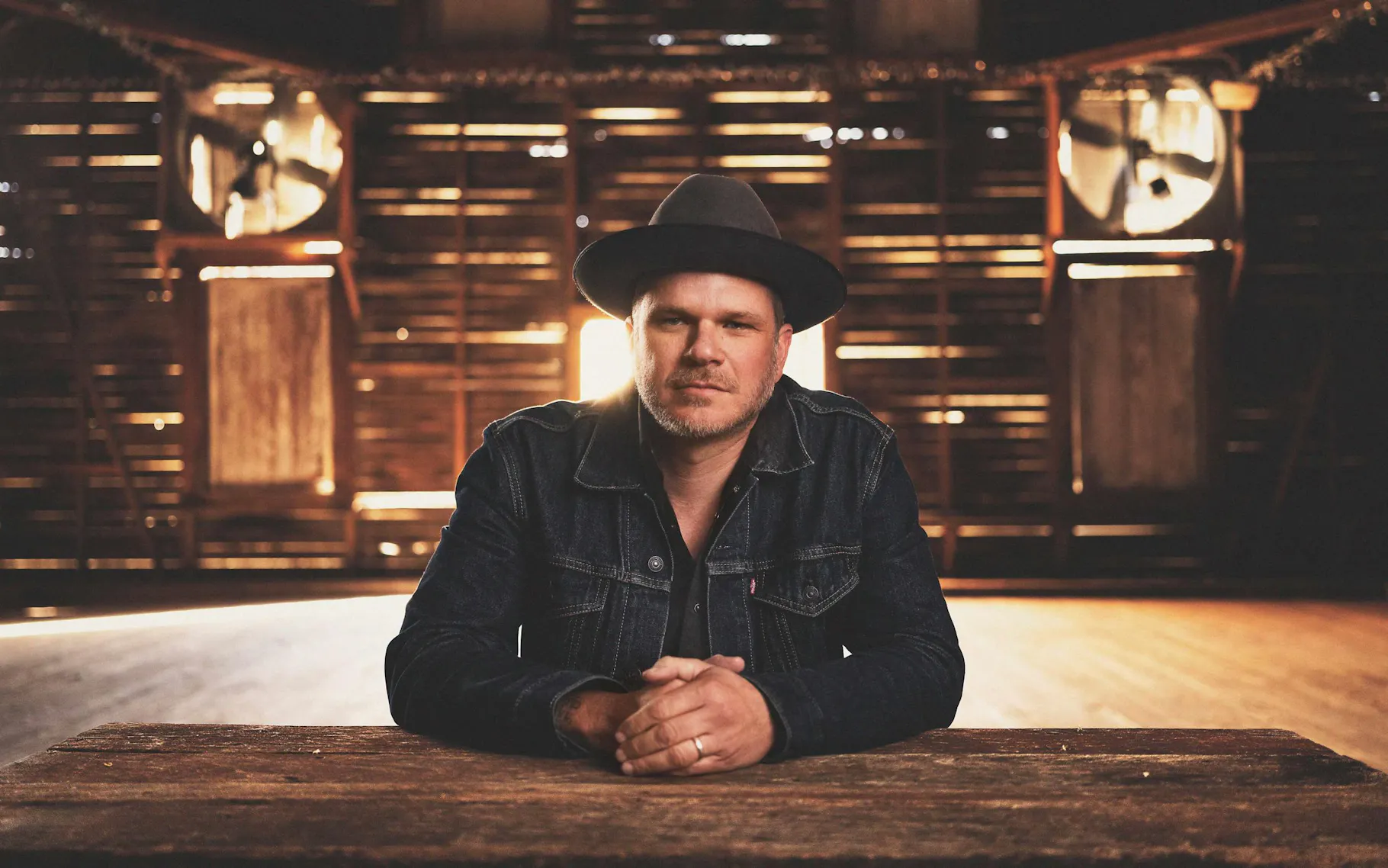
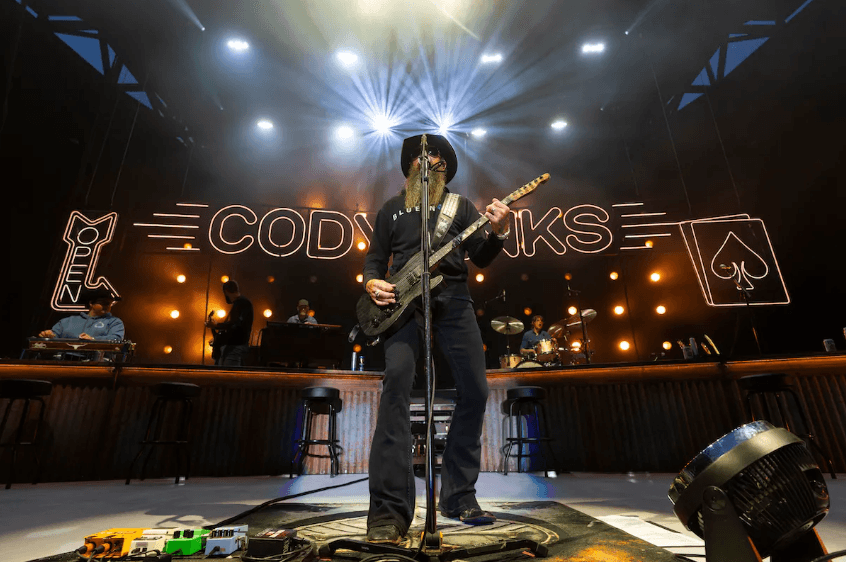
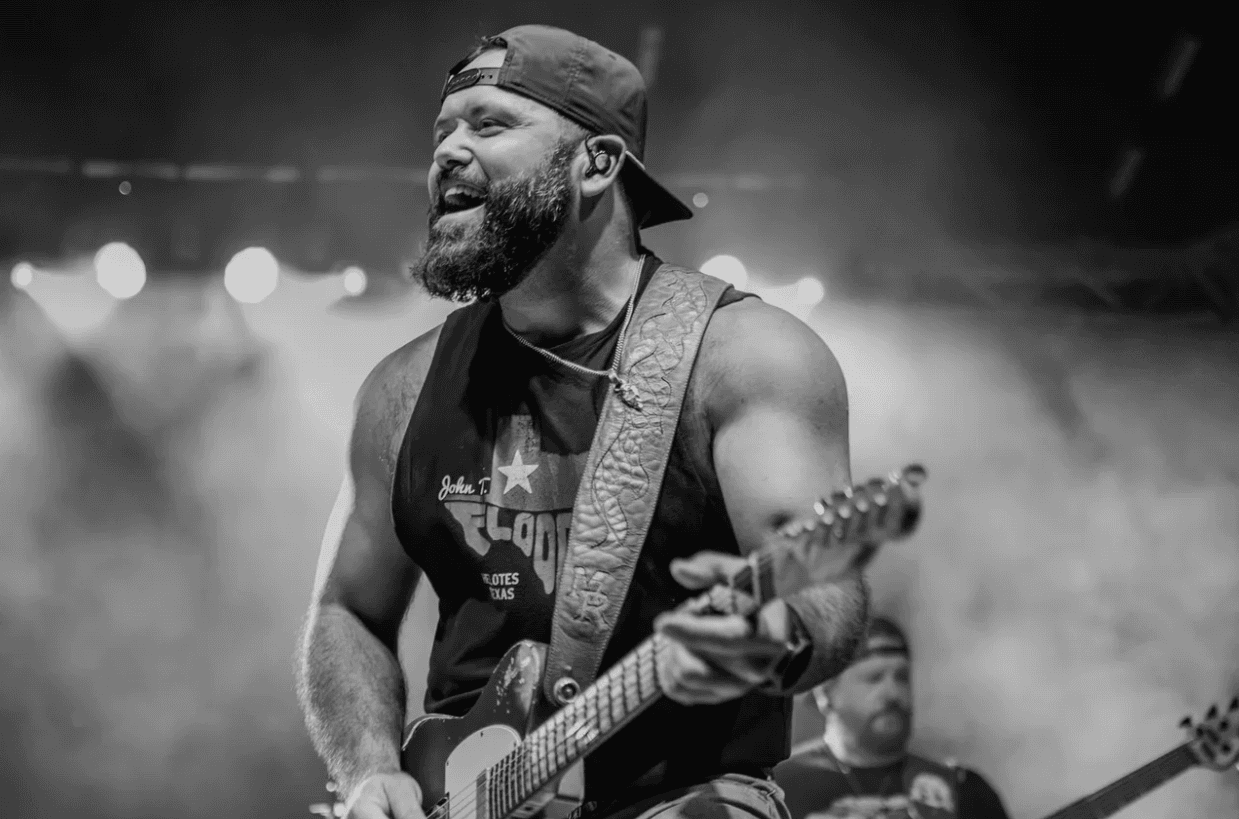
Adam Hood is a singer-songwriter from Opelika, Alabama. He is an incredible artist and songwriter, likely responsible for writing one of your favorite songs. Adam has written for and collaborated with some of the biggest names in the industry, including Chris Stapleton, Miranda Lambert, Ella Langley, Whiskey Myers, Cody Jinks, Muscadine Bloodline, Jason Eady, Randy Rogers, Wade Bowen, Travis Tritt, and many more. He earned his first platinum record by co-writing Front Porch Thing with Chris Stapleton, which was recorded by Little Big Town. If you're an aspiring songwriter or simply love great music, you won’t want to miss this!
Category: Music
https://www.adamhood.com Adam Hood is a singer-songwriter from Opelika, Alabama.Adam Hood Episode Transcript
Episode TranscriptRead / hide
Full episode transcript, auto-generated from the audio and lightly formatted (verbatim, not edited).
[Music] Purple in the hide. God, they don't even have to lyrically be saying anything about it, but there's just there's something that happens. Yep. Whether it's like Gary Allen.
Mhm. Uh or um I mean I say Dwight. Dwight kind of there was definitely some stuff Thousand miles from nowhere. I mean that was like shot in a desert.
Yeah, that's true. Yeah. And then so Dirks Bentley, I was always like I grew up listening to Dirks a bunch. Now in hindsight listening to some of his records, I don't love them.
Sometimes the remembrance of them is like better than Very true. Uh and now when I go listen to it, I'm not as crazy about it, but for some reason those always struck me as And he's from Arizona. Interesting. So they always struck me as having like before I even knew enough about it, it just felt like I identified with it to a certain degree.
Really? So like earlier stuff of his? Yeah. Yeah.
Interesting. Uh if you maybe uh that kind of like every mile was a memory. Yeah. I forgot all that song.
That kind of thing. Yeah. Uh yeah. Yeah.
I see what you mean. Ain't that weird? That's weird. Yeah.
Interesting. It's like uh it's like artists and creatives, you know, it comes out of them in weird ways, you know. Yep. It's almost like that being close to home.
It's almost like being an artist. It's almost like being an artist, which is kind of a weird word nowadays. It's certainly uh I don't know what it means anymore. I know what it means to me, you know?
I know what my artistry is. I don't Well, meaning like I know what the focus is, you know what I mean? I know where the target is. And I miss that mark a lot, you know.
So, you're disappointed more than you're You know how it is. I mean, it's just one of those things that like, you know, you got to come back to it. You've been, you know, you write a song either by yourself or with another one or two people. And, you know, the reason why I co-write, well, number one, I co-write because that's what I always wanted to do since I was a kid.
like I always wanted to be a like a published songwriter, you know, because you know I grew up in that time where like Gar Brook's first album came out, you know, and he was pretty quick to tell you who wrote The Dance and who wrote If Tomorrow Never Comes. And so like that was the first time that I actually saw that there are people that I've never seen or heard that are creating this music that guys like Gar Brooks is playing. And so like I thought that because you know like we were talking about earlier like the performance thing I enjoy it but it's I'm the most critical of myself performing and I don't feel like I'm a performance artist. Not at all.
I feel like I probably like I fall short a really bad on that aspect of it. You know, are you when you're performing on stage, are you it might eb and flow, but are you typically like really in it and super in the moment just trying or I guess enjoying it or are you more like analyzing yourself watching yourself just going like ah that I think I think both of it goes on. I think there's that both of those voices exist simultaneously in my head. It's just a matter of which one I'm listening to.
And you know, sadly, there are days that I listen to the critical one more than I listen to the other one. But even like when I'm getting into it, like there's I stay in my head about it. You know what I mean? Like not like I'm just if I'm focusing on the song like it's almost like me and no one else, which it should be the polar opposite.
It should be me and everyone else, you know? It's it should be this connection between artist and audience. That's the energy. That's where the energy comes from.
You know what I mean? Yeah. This whole idea that you are just up there. Yeah.
Like the brooding songwriter in the corner that like doesn't ever say a word. That is you. Yeah. It's a But it's a stupid thing to think.
Okay. You don't like that about I don't like that about myself cuz nobody wants to be brooding. I mean, what have I got to be brooding about? I got a great life, man.
You know, this is too fun to brood, you know? Yeah. Because it is a Yeah. I guess the elephant in the room is like it would look like you don't care if anybody's there, but yet you wouldn't be doing that if there was nobody there.
Exactly. Yeah, that's right. If they weren't here, you wouldn't be here. So, I'm not really doing this for myself, you know.
But I do it for like the ideas come from myself. I write them I write them for myself, but I play them for people to hope that they relate, you know? Totally. And that's your audience.
Yeah. It can be there's not mutually exclusive. Some people put it in a category where it's like it's only for you. Like don't you don't care what anybody thinks.
I'm like that's BS. Yeah. Right. Because like if you were on a desert island and you were never going to see another human for the rest of your life, I know I wouldn't probably try to write songs as much as I do.
I'd try to get off the island. Well, that Yeah, that's a good thought. You know, but I know what you mean, though. Yeah.
The song The songwriting is not Yeah. So, I can't say like I don't care what anybody thinks. No, it's like a communal experience. If you're here, you're here because you care what somebody thinks.
You know what I mean? Like you're you're putting yourself out there to be in front of folks for something, you know? Like nobody's forcing anybody to do it. Yeah.
So, it seems like to me uh you can you can still be true to yourself and just do what you want to do and what moves you while still being okay with other people enjoying it as well. I don't think they're mutually exclusive. Yeah, cuz there's a lot of you have a lot of similarities with people. I guess the pandering comes in when you do stuff you don't want to do just for the attention, which for me I feel like we're in a very No, I say that I think we've always been in a pretty pandering.
It's the show biz. Yeah. Like I think there's always been pandering, but there have always been outliers, too, though. You know what I mean?
I mean, what do you mean like real authentic? Yeah, the authenticity's always been there, you know? It's just a matter of and I don't feel like it's getting any less attention than it did. You know, I was in fact I was talking to Irv Woolsey about something before he passed away and he said uh that was back in the you know told the story and said that was back in the 50s when nobody we didn't make any money on records and I thought I said man you didn't make any money on records in the 50s like I thought that was when everybody made money on records but I mean nobody makes money on records.
Nobody does. It's not even a not even a conversation anymore, you know? Like there's just no money in the actual like exchange like the provide service sell to customer version of like music. Like that's it's not dead by any means, but it's not it's not the profitable aspect of it, you know?
Man, Irv, how did you meet him? Uh, so Allan Mitchell, the guy that's managing me now, is uh was Irv's guy. And so I'm managed under Irv Woolseie. So I mean that's kind of how we met.
But I'm I met him through a couple of different people, you know, he's got losers and I mean, you know what I mean? If you if you went up there to losers and I mean you just sit for a couple hours and you'd see Irv, you know? I mean, he was always there. It's his place.
Yeah. Is it still like in his family? I don't know. Good question.
Clint, his son is kind of taking over the agency. Like it's Clint and Allen. Okay. But as far as the bar goes, I don't know how they handled that.
Huh. I don't go there. I mean, I have an apartment there that's like right behind it. So, did he manage you?
V never did. Okay. We just didn't I mean, that was the intention, but he passed away. So, yeah.
I guess so. What was the initial entrance into like that kind of more uh traditional Nashville world for me? Yeah. Miranda Lambert.
Well, how did you meet her? So, I was playing at uh in New Bronals. Uh and it was a place called It used to be called Tavern on the Green. It's over there like in green if you're like book if you're coming from uh the highway and coming from the interstate and you go into green like it's right there on the right.
There's a pool there like the same road that Green Halls on. So I was playing there uh on Tuesday. So uh Ray Wy and Matson Rainer do this thing on KMBBT. It's like their roots and branches show.
And so I played it and she walked in and you know what she said was she said that their car had broken down. They were on vacation. Her and her mother were on vacation in New Bronul. So their car broke down and they couldn't get it fixed that day.
So, they just got a place to stay and we're going to get the car the next day. And so, they were like, "Well, that place is open. Let's go get a drink." And Casey Musgraves was with them, too.
So, it was Miranda, Miranda's mother, and Casey Musgraves. They all walked in. And this was when I had I had my first two records. I had my 21 to inner record, which is like that's like 2002.
And then, uh, Six Street is an EP, that was 2004. And I just finished the original version of Different Groove, which I recorded that in LA with Pete Anderson. Um, anyway, sorry, I digress. But yes, so, uh, I finished my set.
She came up and introduced herself to me and I, you know, nice to meet you and I gave her a CD and like two weeks later I was playing her birthday party or I was invited to play her birthday party and then she got me to Frank Liddell and that he that's how I signed my first publishing deal. How quickly did that happen to a publishing deal from meeting her? About a year maybe, maybe less. So she sat there and watched your whole set or she came in like halfway in the middle.
She came in Yeah. kind of The thing is like I was playing and then I looked to my right and like she was there. What year do you think this was? This was Oh god.
So I guess it was 08 09. Yeah, maybe. I think I put Yeah. So, she'd have been like kind of breaking right then.
This was second album, Crazy Ex-Girlfriend album. Did she essentially break on her first one to a degree? That was a good record. Yeah.
Kerosene was on that record. That's right. And me and Charlie talking was on that record, but it still had like an underground kind of thing festering, right? I think so.
Yeah. Because she, you know, she was, she came from the show. She came from that uh Nashville Star show. Miranda did.
How did I miss that? Well, I mean, she didn't win it, but cuz Casey kind of had some show, right? The year after. Yeah.
Same thing. Star. Oh, I didn't know that. Yeah.
So, so Buddy Jewel won the first year and then the second year a guy named Brad Carter won who's from my hometown. Brad's from UPA. Yeah. And then I can't remember who won the third year and then it kind of it kind of fizzled out after that.
But yeah, she was on I think she was on the season that Brad No, that's not true. She was on the first season of How many people do you think was at that gig? Oh, I mean probably not 40, you know. I mean, it was a radio station, so there were people there, you know, and but at the same time, like it was it's a small place.
Did people recognize her? I don't know. I don't remember any of that stuff. Okay.
You know, like I don't remember kind of. I think so because I feel like that we did the radio show and like afterwards uh I feel like that she and Casey got up and sang some songs and stuff like that. Whoa. But that was back when I was drinking and so you know everything's kind of blurry pictures, you know what I mean?
So she approached you afterwards. Mhm. Just really complimentary. She was super cool.
Yeah. I mean she just came up and said, "Hey, my name's Miranda, you know." So, and I mean, yeah, it's that like I said, I gave her a CD and uh went home and then her mother called and was like, "We can't stop listening to this CD. We love it."
And I mean we've been friends ever since. And her like her grandpa or her grandparents her parents you know they live in Lindale and so we stay with them when we're on the road and stuff like that. So that would have been your initial entrance into Nashville. Co-riting not co-writing necessarily.
I had made I was the different groove record. I was in LA. I didn't live there, but like for three years I went back and forth from, you know, Opaaka, Alabama to uh to Burbank and made that record with Pete. It took forever, but that was probably Well, that wasn't my first experience with co-writing either.
Justin Johnson, who is in plays bass in my band, he we did the Six Street record together and we wrote Play Something We Know, which is, you know, just we wrote Play Something We Know, you know. But that's I mean that was really it, you know. I hadn't really written any songs before that with other people. I learned a lot with Pete though.
Okay. But now people I guess it's a different compartment for you for somebody to actually cut your song to get a cut. Is that like a different term? No, it's still the same.
Like when people record your stuff? Yeah. Is that the Can you like So if you co-wrote one Mhm. would that be called getting a cut?
No. If the cuts are when a major label artist records your songs, like when a song that you wrote goes on, and it doesn't have to be major, but you know, Yeah. when a when somebody bigger than you, but it's one that you wrote. That's the cut.
Yeah. Those are cuts. But you could have potentially co-wrote that cut. Yes.
But it's just you didn't co-write it with the artist. Correct. or you did maybe, you know, you could I mean because that's the thing nowadays, you know, like songs aren't really cut in writer rooms as much as they are they're the artists record the songs they write with their friends quicker than they'll record songs that you know what I mean because and rightfully so. I mean that they just hear somewhere.
Yeah. Yeah. Because you got to go through it. However, there's a lot of great songs out there, you know?
I mean in a lot of a lot of publishing cataloges and man there's some great songs out there. It seemed I don't know enough about the business but it seems like it are people unwilling to allow like kind of a somewhat of an edit of the song like for instance there's certain words and like certain autobiographical things and certain details that if an artist was just allowed to like adjust some of those things kind of make it a little bit their own. I would it wouldn't bother me. That wouldn't bother me a bit.
Yeah. And maybe it has to do with the with the guy that's doing the writing. You know what I mean? I don't I don't know very many people that aren't Well, there are I mean, I can't say anybody specifically, but there are writers that are like, "This is what I wrote.
Don't touch it, you know." Okay. And understandable, you know. I get it.
I don't feel like I don't know. Well, you know how it is. I mean, if another person wants to uh take ownership of your song, like creative ownership of your song, I mean, it's kind of up to their interpretation, you know what I mean? Like, they can't, you know, I don't expect everybody to be able to sing like me, you know, but and I don't expect anybody to be able to play like me or like, you know, you may say this, you know, you may say something different phrasing than I do, you know, so it doesn't those things don't bother me.
Now granted, you know, I mean, the chorus is the chorus. You know what I'm saying? Like, I mean, I wouldn't I wouldn't change the hook line, but you can drop it a key. And, you know, I mean, we've been in situations before where people have called and said, "Ah, we would like to hear this is and usually they'll go to the writers first and say, okay, here's what we think.
Here's a line that we don't like. Can you change it?" And we either will or we won't. Yeah, that makes sense.
So, what was your first big cut then? From that point on, I got a song recorded called Be Somebody. A guy named Danny Gouki uh recorded it and he was also a He was on American Idol. Okay.
Yeah. Boy, cuz this would have been the time period that everybody was coming out of those things, right? Mhm. And there was still, you know, people It seemed like people were coming out of those things getting record deals and like things were working and then all of a sudden it just kind of I don't know.
I don't know if it still works anymore. I guess it does. I mean, the show still exists. I don't watch it, but it exists.
The voice still exists, you know. But I don't know what the benefit is in the after if you win or lose or how did how did getting that cut come about? Do you know? Uh, I don't.
That was actually cutting a pitch meeting. That was I mean, because this was 2010, so that was back when things were different in Nashville. So 08 about 08 you met Miranda and you got a pub deal about a year later. Yep.
With Frank Liddell, the guy. And Frank was producing her albums then. So that's kind of where that came from. And Frank's been around a long time.
A long time. Yeah. I feel like Frank just produced Parker Mcllum's new record. Yes.
Okay. I think so. Yeah. Yeah.
I think so. Um he's pretty great. Is he? Yeah.
He's a great guy to work with. Yeah. I mean, he's been a part of all sorts of incredible stuff. Y did he do some Gary Allen stuff?
Maybe. I can't remember. Okay. I It's possible.
I mean, a lot of the country stuff he did, but I mean, you know, when I when I was at Carnival, it was still small, but like Bruce Robinson was still there, you know, and uh I was there for a year and then Brent came in. Brent Cobb came in sec and I mean, he and I were kind of inseparable as far as like writing goes, you know. So, it's I had a partner. Yeah.
Which is really helpful, you know, and a partner that's really creative, you know what I mean? Brent's, you know, Brent's uh his notion of us an idea is like verse chorus. And to me, like you wrote verse chorus, just write the second verse, you know? Oh, wow.
You know what I mean? Like I mean, you kind of if you wrote the if the verse and the chorus are finished and you did it by yourself, like that's your song, man. But yeah, my idea of an idea is like la. Yeah.
Exactly. Yeah. Second verse half as half as long, you know? So, but it's so it's kind of cheating, which I'll take it, you know?
I mean, yeah, I like the fact that he has those ideas and I can just come in. I feel like I'm a good second verse writer. Why do you think so? I don't know.
I Because I think second verses are the that's where I learned how to write songs. You know what I mean? And because we used to listen to them back then, you know, you know what I mean? like the second verse had like it because you think about it like it's really the thing that like that's where that's where you're sort of that's where the plot thickens no matter what the scenario but it just doesn't get the attention you know what I mean so I don't know I was just kind of always fascinated by him do you think they don't get the appropriate amount of attention because people aren't spending the appropriate amount of time writing them 100% oh I well not writing I think just folks don't listen that long you oh I mean what do you I think they there's a part of me that thinks they don't listen long enough because the song wasn't quite good enough to keep them in a lot of times.
Yeah. At least with a lot of my stuff. Oh, come on. Yeah, that's I mean that's true.
That it's hard though, you know? It's hard to but like we were talking about earlier like you kind of can't it's almost like you can't look at it like that. You know what I mean? like you can't really go, okay, I've got four lines to really get them.
But people do, you know, I mean, but I can't look at it like that. I have to say, okay, what do I want to say? What am Okay, if I'm sitting down to write a song, what's driving me to do this? And usually it's an idea that won't leave me alone, you know?
And so it that in turn creates the cultivation process. And that doesn't happen in a in two hours, you know, and that doesn't happen it doesn't happen by me going uh I've got four lines to catch them, you know what I mean? Like it kind of I don't know. There's a spiritual aspect to this, you know, in what way?
And just the writing process, it comes from somewhere comes from somewhere not me. You know what I mean? I do. It's interesting that you say it's like you couldn't avoid it.
Yeah. Yeah, it's like this idea that you can't get rid of where it's a little bit more of a uh a golden cage scenario where I maybe not that but it would be more like you're trapped by it. Yeah. It's not even people some people think you sit down to be creative.
Yeah. As opposed to just like with fear of sounding overly pretentious and artsy fartsy, but like uh you don't like it's just something you are. Yeah. It's not a job title.
Yeah. Yeah. You don't Yeah. You can't go to work and be creative at 9 and be done being creative at 5.
And that's where it's kind of a trap. Yes, you're absolutely right about that. I had I think my it took my wife a while to figure it out where it was, you know, like getting up in the middle of the night to go like I'm in the bathroom trying to record a voice memo or like at just weird times I'm kind of reclusive at bizarre times. Yeah.
And I'm withdrawing. Um, that has a lot to do with kind of where you're like being able to get songs off your chest or not be able to, doesn't it? It does to me. And it's not particularly fun.
Like there's times it comes up and I'm like, "Oh, right now." Yeah. The doing is I agree. It's pretty It can be pretty laborious, you know?
But there's no better feeling in the world than finishing a song, dude. You know? Yeah. It's almost like a paradoxical feeling.
Big word. That was Don't let the cowboy hat fool you. Huh? This guy is sharp.
This dude is sharp. That's my paradox. Paradms. Paradittleles.
But it is. It's the best feeling. Yet I it sometimes I get into it and maybe also we were kind of talking about this when we first came in, but there's a lot of songwriters and on the flip side like maybe mixing engineers and mastering engineers. There's few people that have taken the spark of creativity and then seen that through the entire process of like making a record.
So like get the spark, create it, write the song, write the lyrics, get the melody, get the chord arrangement. Now get the band arrangement. Now do the pre-production. How are we going to record it?
Where are we going to record it? What gear? What mics? What preamps?
Then like how are we going to mix it? Then like then we get it mastered. Then like album artwork, how are we going to present it? at the marketing side of it.
Like very few people and like indie artists do every facet of that which is cool but I think it gives you a unique perspective that like some people haven't done that entire process. So maybe when I get that spark of creativity I'm like it's almost like a little bit of PTSD like where you're where you're like I mean I'm saying that no I know what you mean tongue and cheek. It's like, "Oh crap." It's not real PTSD, but like, yeah, it's like, oh gosh, this is going to be a song.
Here we go. Then I'm Oh gosh. And then I'm going to second guess it and then I'm going to try to record it and it's going to suck and I'm going to have to retract it. I'm going have to mix it twice and I'm not going to like the way I did the vocals.
The artwork. I don't like the artwork. Yeah, I know. So, it's like all those feelings start to come up.
Boy, howdy. I know exactly what you're talking about. And you're right. I mean, I can't say that there's been a time when me as a writer went into the studio during the recording of one of my songs.
Like, that's kind of not my domain. Gosh, does that kind of suck, though? I know. But there are people that may do it.
I don't know who those people are, but like it's almost like you sort of Well, I mean, I can't speak unanimously, but like it seems like that the writer room is like you said, it's one facet of it. Then it goes into the studio and that's another facet of it. the two don't unless it's the artist that has been part of the writing like the two don't really mix. You don't really see that.
I had I already had just some of my first experiences with uh hearing some stuff that I co-wrote and I had nothing to do with the recording process or anything. And it's interesting. There's some basic stuff that I thought was pretty telegraphed in terms of like groove and just some things and I was like, "Oh, they didn't pick up on it." Clearly, they weren't.
Wow. How'd that make you feel? How did it make me feel? It made me feel slighted and disrespected.
Yes. Correct. Yes. No, it was like I guess it was uh probably I usually try to not think somebody else did anything wrong.
I usually try to take the blame the best I can where it's like, "Oh yeah, I definitely should have put in more effort and like probably just made the effort to like really cut a demo. That wasn't very smart." Like, you know what I mean? I do.
Yeah. Yeah. Then really drill some things home. There's no way to I mean it's hard to uh but I'm but I'm inexperienced too and I don't have like a whole like a ton of you know like there's part of it too like I'm not some big time songwriter walking in there like being able to freaking call the shots.
Like there's a part of me that's like happy to be there. We're going to keep this line because I'm Adam Hood and that's what we're going to do. I don't care if it rhymes or not. Yeah.
And like I'm okay like I just know that's how like if you're going to a freaking I don't know like if you're going to a Brandon with some people that you've never worked with before and like I'm going to walk in and start telling hey no that's not the way we do it. He's like uh well this is my ranch so what are you talking about? Like same thing. Yeah I can't.
Yeah. It's better to sort of absorb and adapt to what other people like you said especially if you're walking into their environment you know. I agree. But maybe there's a little bit of it's not disappointment, but it's just kind of hard not to take it personal, you know?
Maybe. Well, and but no, I don't think Well, I guess it depends on the song. Some of the experiences I've had, the artist is like really ran with it. Like I, you know, like it was a co-write, but like they really ran with it.
So, I'm like, "Oh, okay. That's where they went with it. All right." Like, you know, I don't think that they were sitting there like, "Here's what we're going to do.
He's going to hate this." Yeah, I know what you mean. And intent. Like everybody's trying to do their best, right?
Which it's tough for me to get pissed at people if they're doing their best, right? That's the interpretation aspect of it, you know? I mean, that's, you know, you sort of And I'm with you, though. I mean, it just depends on the song.
Like, if it, you know, I mean, if it was a song about my kids, I really wouldn't want you to change it. You know what I mean? Like, you know, if I wrote a song about my kids and you wanted it to be like about a party girl instead, like, let's not do that. You know what I mean?
But at the same time, like, you know, I mean, if your kids are like my kids and you want to sing one of my songs because you can relate and you want to put your kid's name where my kid's name was, I don't have a problem with that. Yeah. You know, I always thought it was really interesting. It feels a little bit backwards with the way sometimes songs are, I guess, in the more corporate sense of uh you have songwriters and then you have the session musicians and the producer and they're very, very separate, right?
And I've always thought that was a little weird cuz some of the environments I've been in, we'll cut a demo like as songwriters, you like cut a demo and we're all like halfass musicians, not very good. We're pretty creative, but in terms of like recording, we're not doing anything very unique. And especially nowadays with a lot of like uh like program drums and just there's a lot of just stock sounds that you use to cut demos just to get something down. But then it's like you've already developed some tones and some ideas of sonically how the this thing's supposed to sound.
Yeah. And then you're going to give these demos and like I've been in the room like with like the highest level session players in Nashville are cutting songs based on what they're hearing in the demo in the control room day of. They hear the song and never heard it before and they go, "Okay, yeah, it's that thing. Okay, cool.
All right, we got And then they go in and track it and they're using a lot of the same tones and ideas that these like not really great musicians have developed. And I'm like, isn't this a little backwards? The job's been done. Yeah.
By the time they get there, the job's been done. But yet the guys who are cutting the record are like some of the best players in the world, but they're just copying parts from the not best players in the world. Right. Like it shouldn't it be the other way around?
I feel like it should be like the development of the ideas and the sounds and the production and the arrangement like why don't we have the great guys do it but there are two schools of it you know what I mean like there's guys that sort of I mean and I know specifically people that do like that but then you know I wrote for Dave Cobb for five years and I got to watch him in the studio and I mean he's a an orchestra conductor you know what I mean like there's you know during the tracking and I mean pre-production into production like you know it at RCA Okay, there's the big room. And so Dave would take his acoustic guitar and he would sit here and then they would put, you know, artist and then guitar player and then bass and then Chris would be in the drum room. You know what I mean? But Dave was right there.
He wasn't asking how this goes. Usually he doesn't like he didn't really want to hear any songs that you had until you got into the studio. Like you get there and you'd go, "All right, what you got?" Whoa.
because I was I mean I with Brent's second record uh Providence Canyon uh they did that at RCA and so I was around for some of that. I got I think I wrote two songs on that record. So I was around for some of that. Yeah.
But then that's kind of that was the deal, you know. I mean it was like well okay what are we going to do here? What do you what do you got today Brent? He would play him something and uh Dave would say I like that or what else you got?
I just I don't think I've been in that environment yet. Correct. Yeah. But that environment does exist.
However, the other one that you were talking about where it's like, you know, the demo is the demo is the version and they just recreate a version of the demo. Yeah. With just some nicer gear. I don't understand it.
That never made any sense to me either. Okay. All right. I'm not crazy then.
No, you're not crazy at all. I mean, in fact, so we uh I've got a record, my Shape of Things record. Uh it's basically demos. I mean, it's I when I was at Carnival, I was there for seven years and I think I demoed like 50 songs.
So, I mean, like I made five records, you know, at Carnival when I was there. And so, uh, but out of the first like my first four years, we pulled from the demos and made that because I'm with you. I mean, we had a stellar band and we went to Omnisound and we, you know, we like this is a record for the demos. Yeah.
Oh gosh. Yeah. Yeah. And that's why we put them out, you know.
Like these demos sound like a record because they were made like a record. So, let's make it a record. We put it out. Sick.
Yeah. It was great. I mean, it was a great time, you know, but I mean, it was I you know, I couldn't I couldn't abide these being demos, you know, and still plenty of them are. I mean, like I said, I only recorded 11 or I only put out 11 on that Shape of Things record, but then there's all these other ones, you know, and some of them aren't that great, but most of them are pretty well made, you know.
And but again, like you said, I mean, these are, you know, topnotch musicians, you know. Yeah. So, so when you when you got the Gouki, it was Danny Gouki, right? And it was the song was Be Somebody, right?
How that one did well, correct? I don't know. No clue. I have no clue.
I went to the CD release party and it was like a listening party and uh that's it. I mean Well, because that would have been his first Was that his first single? I think so. Yeah.
Well, Danny Gouki had like a thing after that show. Yeah. I don't know where he is now. I don't either.
Yeah. But somebody was uh I thought he does like Christian music. He does Christian music. Okay.
Yeah. That's funny. You don't You don't know? I don't know.
Huh. I probably should. So I should know a lot of things I don't know. So that ended that so that got in the front door through your pub deal.
Yes. Correct. Second cut I got was uh a song called Front Porch Thing I wrote with Stapleton and that was on a little big town record. Like that one was significant.
That was the one that like I there's a platinum album on my wall because of it. You know what I mean? Like that was nice. What's that feel like?
Pretty awesome. Pretty awesome. Does it did it give you confidence? A lot.
A lot of confidence. Yeah. Did it give you too much confidence at times? I don't think so.
No. I don't think too much confidence is in my wheelhouse. You know what I mean? Like I'm just not an overconfident guy.
You know what I mean? I just It's not what I do. Do you think songwriters specifically, do you think they typically air on one side of that more often in your experience? I don't know.
Probably. overly confident or under Yeah. And I mean that's what we were just talking about earlier like you know you there's you know I've realized more and more as I've as I've done this you know to try to be someone who writes songs that other people are going to record like you know people I mean even if you were the best like people just aren't I mean folks are going to knock on your door but not really you know and even if they do knock on your door like what are you going to give them you know so you kind of need to you know there's a certain amount of self-esteem that you really need to have. And you know, the good thing is the separation is, you know, the song is me, but it's kind of not me.
You know what I mean? Like it's this is just this one picture right here. And so, you know, I wrote this song the other day. Sounds like something you do.
Here you go. You know what I mean? And you send it to whoever that artist may be and they say, "Yeah, I like that song." Or they say, "No, I don't care much for it."
You know, and then, you know, you go on from there. Had you had you and Stapleton I would imagine you y'all had written together. That was the only time we ever ripped first and last time. And you got a huge cut with little big time.
That's pretty cool. Yeah. Yeah. How did y'all get introduced to each other?
Uh he was at Seagale. Like this was before he was Chris Stapleton. You know what I mean? Oh yeah.
Yeah. But at like after the Steel Drivers though, so kind of around that time where like the Jumps Brothers record hadn't come out yet. Like I mean I don't know that they put that Jump Brothers record out until after Traveler anyway. But like that was a band and I knew like everybody said he had made a record that was that and this was before but before Traveler before but he had already got some big cuts.
Oh yeah. All the George Tit cuts and stuff like that. Yeah. I mean he had he had already done that.
Yeah. So walking in to write with him was still a big deal. A very big deal. Yeah.
Was it a peace meal kind of song or did y'all knock it out? I think we knocked it out. Yeah. I've got the demo of it on like Chris singing it.
Really? Yeah. It's pretty awesome. That guy can really sing.
Can we play it? Is that a thing? That's I guess I If I play it like this, will it pick it up? Well, you just put it up into the mic.
Okay, cool. What's the name of the song again? It's called Front Porch Thing by Little Bigtown. Yes.
But this is the demo. Okay. What year you think y'all wrote this? I tell you.
That's so cool. All right. Well, I got to spell it right. Front porch T.
Is he a pretty approachable guy? I haven't seen him since. Oh, sure. But in at that time, was he a uh a relatively open-minded creative?
Yeah, he was. Yeah. As far as like his creative creativity, yeah, he was I'd say he was in the thick of it because I can imagine him being a pretty reserved kind of person. Yeah.
I don't feel like we had a whole lot of conversation. Yeah. You know, but then I say in as much as I say that like, oh, sorry. Uh, you know, you listen to this thing and you go, huh, okay, maybe I'll do this.
Hang on. Sorry. But, um, he was he was reserved, but I just don't think the guy talks all that much, you know. Yeah.
But yeah, I wonder uh Okay. Yeah, I always often wonder like what am I gonna what would I do in those moments? I've definitely I've already had some moments where I'm with some people that uh whatever you want to call it or stars, star power. I understand what you mean by that.
And I always wondered how I would I'm a relatively irreverent person when it comes to a lot of that stuff. I don't know exactly where that comes from. Uh, I think it's a good thing that I have that because I don't get terribly I'm very uh I like to be complimentary. I like to I don't like to play it cool if that makes sense.
Totally. Like I like to be like, "Hey, I'm a huge fan." Like I really like your stuff. But it's an appreciation of what you do.
You don't have to like you're not starruck. Okay. But what's in recent past there's been some people I've been around that you hear people describe the whole like it factor. They just have it and you can't put your finger on it and you think you've been around it before.
And then when you're around it, it's like you feel worthless, you know? I mean, I do. I feel like, God, what am I doing? You know, this guy's got it.
But I remember sometimes I'm in like I am like that's impressive. Yeah. Yeah. Whoa.
But I heard Clapton say like he was talking about Stevie Ray and he was like it just made me want to quit, you know. So guys like Clapton have seen someone else's artistry and gone I don't want to do this anymore. Okay. But that's based on their artistry and their craft.
Yeah, that's true. I'm talking about like this thing that like you just their aura like they glow. I mean Oh yeah. You know, it's a and uh what's interesting too is what I've seen is like it can be even somebody that you don't maybe particularly jive with and like in some respects they might even be kind of lame like they're not very cool.
Yeah. And like you don't really like they don't not even particularly friendly but there is just like Yeah. There's like a halo around them or something like that guy glows. So I was kind of That's pretty funny.
So, I actually have been happy that doesn't If anything, I just kind of look at it, I'm like, "Wow, good for you." Yeah. But like I don't have I don't know. It doesn't totally freak me out.
I know. I used to uh I used to tour with Leon Russell a long time ago. I was on the road with him for three years and we played a place in uh San Diego. It's called The Belly Up.
And Bod Derek came to the show and like talk about it factor. Yeah. I mean, and that's the most beautiful woman I've ever seen in my life, man. You know what I mean?
Like you could tell like she had like it like it's like almost not real, you know what I mean? Like her skin wasn't real, you know? Like and but she just walked right past me and so I was like, "Wow, that's Pope Derek." And I was like, "Wow, she's beautiful, you know?"
So I know exactly what you mean. That was that was definitely a moment where I was like, "Okay, something's different. She just looks like Yeah, she's just born with this look that Yeah. I mean, you don't even have to have any talent.
You can just get on get on the stage, you know? Yeah. Can you find it? Yeah.
So, this is this is Chris singing it. Yep. Put it Put it like way up in there. This is like a raw demo.
He played it on a on a tener guitar. Right. That's all right. Honey, that's all right.
Sometimes you won't do [Music] what I got to sing. [Music] in the train whistle and I just hanging out feel good. [Music] [Music] What year is that? Uh 2010.
Dude, that is not a popular country sound in 2010. I mean, it's not bluegrass. It's almost like it's definitely bluesy. Yeah.
Appalachian kind of like a blueg grassy like blues on the bluegrass side of things. That tender guitar really was what kind of made that tune. And he plays it in G, which is so we recorded it in E which is a considerable step lower a lot. Yeah.
Because I can't sing it in G. No, I wouldn't be able to either. Yeah, that's incredible. It's so interesting to like to like listen to something with the context of like now you hear his voice and it's so clear.
People's like always like if you listen back to something like that, they're like, "Oh, he was always a star." You know, not even him specifically, but that type of thing. Yeah. And it's like when he was a nobody or when you didn't know of him, you'd have heard that guy have been standing in the corner and singing and you wouldn't have paid a bit of attention to 100%.
I went to uh I went to the station in one time with Waybo Bow and he was in he we were both in Nashville at the same time and he said he said come meet me down at the station in and I was like okay well fine. And so I met him down there and I don't even remember who was playing but it was a bluegrass band and Chris was sitting in a chair and all the guys all the bluegrass band was um they were dressed they had black suits on and Chris had overalls in his hat you know and uh there was no one there. No one. I mean it was Wade and the lady that he was with that I think she worked at Sony and me and maybe three other people.
That was it. And like he's he was just sitting in a chair in his overalls and I'd never heard anything like that before. I mean the guy is his voice is otherworldly. Dude, it's so this why it's so special.
Like the point I'm at in my career, if that's what you want to call it, is like I'm not a household name, but I get to like cut records and make like a decent living just doing what I want to do. Uh, but the people that are into my music, like they're only into it because they're into it, right? Yeah. Right.
It's not because they're freaking I mean, there's a little bit of it, but like, and I'm not even saying it's bad to like stuff that's popular. I like a lot of stuff that's super popular, massive worldwide smashes, but I don't like them only because they're popular, right? I like them because they're dope. Yeah.
Popular songs that they were written well. Yeah. or like uh perform. Yeah.
I mean, if I were to if I were to just be sitting on my back porch, no context, just somebody played it for me, I'd be like, "This is a smash. I don't care what anybody says, whether or not it is or isn't." And so, it's like so special. I try to focus on like a lot of people I meet that like d I'm sure you're the same way.
People that are like into your music where it's like, man, it's so special to see people that are into something purely because they just like it. They don't like it because anybody else likes it. And that's such a cool thing. Like in the indie world, there's a lot of people that are like that.
They pay your bills, man. I mean, you know, and that's, you know, you just like not being independent, I think, would rob you of that. And that's kind of my life force, you know. I mean, that's the knowing people and knowing people like that and having them say to me things like that.
Yeah. I thrive on it, man. you know, and I mean, well, I think most of us probably need a pat on the back every now and then, but gosh, but it means a lot to for people to say, you know, this music touched me, you know, dude. Yeah.
I mean, I'll get like these I got one recently that like I played an acoustic show and this girl sent me like a I mean, it was probably like six bullet points of like things that she enjoyed about the show. Wow. And they like each one was like a paragraph. Really?
And but they were like very specific details. I was just like blown away to take the time to do it and uh it's funny too people I'm sure you get it. They'll say I don't mean to be like creepy or whatever but like not I'm not a stalker. I always say uh man somebody said that to me last night.
I'm not a stalker. I said man I wish I had more stalkers. Please stalk me. Come here.
Turns out I'm my address. I get my address. I'm the crazy one. People will be like I don't mean to be weird but uh I just like I really like your music or I like this specific song.
And I'm like, that's not weird at all. You know what's weird is like sitting in the dark for eight hours and writing it. Right. Exactly.
That was weird. Making it was weird. You like it. It's not weird.
That's not bad at all. Totally normal. You're way more normal than me. That's really funny, dude.
Yeah. So, what's your general thoughts on where you head now and like what's kind of your focuses? Cuz like you don't do you have a pub deal? No, I've been out of the publishing thing for Business has changed quite a bit.
Has changed. Yeah. And I don't, you know, I don't live in Nashville, you know, you kind of have to in that you don't have to, but uh you sort of need to it sort of needs to be your daily grind, you know, and it can be my daily grind at home in Tuscaloosa, but it's just not it's I don't know. I'm And yeah, the industry's changed enough to where I don't I don't necessarily need the pub deal right now.
You know, I think you know enough people and know enough artists that like if you have stuff that you like, you can just what do you just send it to them or you said, "Hey, I mean, people will say, you know, "Hey, man, I'm going to the studio next week. What you got?" And I mean, I'll just dig through my work tapes and stuff like that. I call them work tapes, my recordings, and find those kind of things and just send them what I think sounds the most appropriate, you know?
That's all you can do. Do you try to think about like what they would like? 100%. Okay.
I think that's important. Okay. I mean, and it's sort of it's that's a it's a form of respect as far as I'm concerned. You know what I mean?
To be like, you know, this is probably, you know, know the keys that they can sing in. You know what I mean? you don't have to, you know, study their catalog, but it's, you know, Brent and I talk about this all the time that, you know, when you're writing for an artist, you kind of want to go in there with two ideas, you know, like and two ideas that like you learn or that you gather uh listening through their catalog or just kind of coming up with something that would suit them, you know what I mean? Instead of going, you okay, well, here's the deal.
All right. So, we're writing with this lady. We're going to sing a bunch of ladies song, you know, or sing a bunch of man songs and, you know, like there's not a whole lot of girls cutting beer drinking songs and stuff like that. So, you don't want to you don't want to show up with a co-rite with a female and have a bunch of beer drinking songs.
Sure. I guess. I don't know. Yeah.
There's a little bit of Yeah. You want something that compliments what they're doing. Exactly. Yeah.
And I mean, I'm not to say that women can't, you know, record beer drinking songs. That's not the case. But I want to be prepared in this the same in the right frame of mind, the right avenue, I guess. Yeah, man.
So, how what was the connection to Texas? Like, how why out here? Like, I don't know. I just came out here.
So, uh, Justin, the guy was telling you about. Okay. So, we made that EP in his basement in Birmingham in 2004. Well, he was working with a guy named Jeff Krennic who was at Jeff was at New West Records at the time.
And so, uh, Justin introduced me to Jeff. Uh, Jeff kind of took me on managing me. He lived in Lakeway. And so, we just, you know, came out here for South by Southwest and just started playing around here, you know.
And, uh, but I've always, you know, I remember when Pat Green started coming to Alabama. I mean, I went to see him play when he played the supper club and stuff like that, you know what I mean? I remember Blue and you know, Corey Morrow and those guys. So, like the music scene, Ragweed, stuff like that.
You know what I mean? Like that was that music scene was uh available to me. So, I knew it existed. And so, when I got here, I knew that this was kind of a place where you could, you know, you could get heard if you wanted to.
You know, Sixth Street was, you know, was still a thing. you know, I mean, Momos was still down there. You know, there was places to play live music on Sixth Street, you know, and so, uh, but it was kind of the tail end of everything, but it was right on time for me, you know. I mean, it was, it was a good time to be doing that.
Yeah. And then, so you got linked up with writing with a number of Texas artist through Frank basically, cuz Frank's from Houston and like the same thing, you know, just writing with Miranda and then I wrote with Stony and Wade and all those guys just and I wrote with him in Nashville basically. So because a lot of them worked with Frank. Yeah.
What were some of the tunes that you wrote with or I wrote a song called Wiregrass with Stony that was on that Velvet record. Dude, Stony is a very underrated player. Correct. In my opinion.
He's a monster guitar player. Yeah. Yeah. So what was the name of it?
It's called Wiregrass. Wiregrass. I wrote that one. Uh and Frank produced that record.
He produced the Velvet. Okay. So that was kind of where that came from. That's on Velvet.
That's my favorite one. It's a great record. Also an insanely underrated record. I agree.
I think it's for sure his most underrated record. I think it's a super underrated Texas record. Yeah. Yeah.
I agree. Has like a very acoustic feel to it. It's just mellow, you know? It's a It's a real mellow record, you know?
It's amazing. And everything's light-hearted and even though the songs may not necessarily be they don't they don't beat you over the head with their melancholy, you know what I mean? That's hard to do, man. It's, you know, if it's, if the context, if the lyrical context is sad, then the musical context probably is sad.
You know what I mean? And if you if you don't do it like that, it almost contradicts both of them. You know what I mean? There's a fine line between like making it light-hearted, but still like this is a sad song, you know?
Um, how about with Wade? What's some stuff you worked with? I wrote uh he made a record called The Given. I wrote a song called uh Battle One, Battle Lost.
Yeah, I wrote that one and then I wrote um a song called Say Anything. I wrote both of those and that was that's I write with Wade. I keep in touch with him a lot, you know. Um but we haven't really written all that much.
That was a long time ago, too, like writing with him and but then I you know, uh I wrote a song for Randy. So, I mean Randy, the apartment that I stay in Nashville, Randy owns it. So, I mean, he's kind of like our landlord, you know what I mean? So, it's me and Brent and Randy.
There's a guy from Texas, a guy from Alabama, and a guy from Georgia that stay in this, you know, we just kind of is the apartment open this weekend, you know what I mean? So, but so I talked to Randy a lot, but I wrote a song on that record, the one that's got the truck on it. It's the one Dave Cobb produced, but that was one. Yeah.
Neon Blues. Does that have a truck on it? I don't think so. It's called like whirlwind or Okay.
I don't know. Maybe I'm wrong. I don't know. Look it up.
Okay. Please. Hellbent. Okay.
That's it. Yeah. Uh like the last song on there. Uh good one.
Coming on, I think, or something. Oh. Oh, yeah. Yeah.
Yeah. How about that one? Interesting. Yeah.
So, so then but then you got into the Jinx Orbit too at some point. Yes. Which he's like a Rubik's cube in certain ways. Totally.
I mean, he's in his own orbit. That's special guy, man. You know, and the cool thing is like I mean, he's one of those people that like the dividends just pay off. You know what I mean?
Like I mean he's you know that he's really great at your relationship with him creating relationships with other people. You know what I mean? And that's a that's a it's easy to do that and it feel like networking, you know what I mean? But not with Cody, I don't feel like it's networking.
He has a lot of friends and the people in his camp are really helpful to me and they'll, you know, send me uh, you know, people to write with and stuff like that. So yeah, I mean, he's pretty helpful. I don't even know where that came from. I guess probably because of Jason.
Um, because Edy. Yes, correct. Yeah, because uh you know Jinx and Jason would play shows around Fort Worth and stuff like that and you know Cody worked at the stockyards when I was he worked at White Elephant and I was playing there you know a fair amount so I don't remember it again I was drinking you know so but uh so we you know we were fairly acquainted and then I wrote uh that song Mercy with Cody. Wow.
And then uh the new Oh that changed the game record. I wrote two songs on that one. And I wrote Deceivers's Blues. And then I wrote uh the other one, oh shoot, few more ghosts.
I wrote that with Brian Martin and Jake Worththington. And Brian Martin Yeah. He kind of had a streak there of I'm on. Yeah.
Yeah. That was a that was a big a big song for him. Yeah. Yeah.
I think I just maybe met him. He's still around. Yeah. And then that was And then you said was Jake Worththington.
Mhm. was the other. Oh, okay. Interesting.
Interesting day, right? Yeah. Very interesting. Yeah, it was fun though.
That's an interesting room. Well, I mean that's what, like I said, I mean, Jinx just pulls people like I would have never done that had it not been for Cody doing it. Yeah, it was really cool. Yeah, that's probably why his music resonates.
He surrounds himself with talented artists. Yeah. And different styles. Yeah.
I mean, from one poll to the next, you know? I mean, I saw he just put out like something with like the Lamb of God guitar player or something like that. Like, crazy, you know? That's what it's I mean, I think I talk I sound like I'm beating a dead horse.
I say this all the time, but like in the creative process, no matter what stage you're at in I think most people would be shocked as like the references that you use and the influences that come in that they would have no idea and never even consider. Oh, yeah. You know, people get pretty tribal about music obviously where it's like that ain't country, this is traditional country, you know, that kind of thing. Yes.
You know, like any genre. Yeah. And there's some validity to what they're saying. And I can appreciate it to a certain degree, but it's like the idea of somebody being like Merl and Willie is real country if it ain't that.
And it's like, well, ironically, when they were coming out doing their thing, people were saying the same thing about their music. Yeah. Right. Exactly.
Yeah. They were the innovators at the time. Yeah. And it's like what?
Like Merl does the it's like you let's track two different drummers going over top of each other and then do this like Mottown funk thing like it was funk drumming. It was Yeah. The setup on it like the like the playing and stuff. Yeah.
It like Mottown, but it was it didn't you don't hear Mottown at all. You do if to a trained ear, you know? Yeah. You recognize those players were like what if we did this.
Yeah. Yeah. And then you get the guy at the back of the bar that's like ain't Yeah. Well, and then fast forward 30 years.
This is country. I just can't wait to meet that guy. And but he actually does know what he's talking about. And he's like, and I'm like, what do you mean it ain't country?
And he's like, no, unless you're doing M Town, I'm talking dead drums, you know, really compress them, right, though. But, you know, and then and then double up the tracks though and do the funk thing. And he's like, and he's like, "Maybe you could even work in a little party shuffle." And I'm like, "Oh my gosh, this guy does know what he's talking about."
You sir, I underestimated you, sir. He's just hammered. Yeah. He's just drunk.
He don't know what he's talking about. It's like that guy that does the dancing thing on uh is it Reno 911? Where she's like, "Have you been drinking?" And she gets him to do the dances and she's like, "Step, bump, step, bump, bump."
Oh. Oh, yeah. Like his uh his like sober driver thing. Yeah.
And then she he gets to the end and she's he's like, "Well, I can't do that. I'm drunk. And she's like, "Oh, you got me." When did So you uh you had a You said you got sober.
Mhm. Uh April. Speak speaking of Speaking of drinking. Speaking of drinking.
Yes. April would be seven years. Oh yeah. So it's been a while.
Yeah. It's been a while. It's great. It's great.
And you know, it's one of those things to where like it's an escape. You know what I mean? like if like you know you it's the way to get out of the place that you're in without getting out of the place that you're in. You know what I mean?
Oh, thanks dude. But it and it got to the point to where like I wanted to be in the places I was in. So I wanted to be present for it, you know, and then just you know you it starts to affect your memory. It just the negatives outweigh the positives and I just I'd had enough, you know.
Yeah. And rightfully so. I heard somebody describe it like uh the highs aren't quite as high anymore, but the lows aren't nearly as low. Yeah.
And then you start the middle ground starts to feel like pretty good. Not really middle ground, but then that's learning how to live with being level. Yeah. Yeah.
It's strange, you know? It evens it like But that's the hard part. Like I don't know. It's having to sit with the things that made you drink and deal with them, not drink it, which is tough, you know.
And that was that's the stuff that like, well, I got a song called The Harder Stuff that is exactly that, you know. I mean, it's, you know, I haven't given up. I'm taking on the harder stuff. This is more difficult.
It's more difficult to do this sober than it is to do it. Yeah, that was a that's a great song, too. Yeah. Thank you.
Really great. Well, thank you. I appreciate Double on Tandre. Yes.
That's on. Look at that. Another paradox on. Dude, I'm telling you, my guy's crushing it today.
He reads a lot of books. Well, now today it's audiobooks now. Right. Don't get me to write the word down.
Can't do it. I know. I tell people I read all the time. You don't read.
You listen to audiobooks. Yes, I read. I know. What a weird with my ears.
I know. Cuz you're still learning. Yeah. It's a book.
I finished it. I know what it's about. Do you know what it's about? No.
Oh, but yeah. reading. It does put me to sleep though. I read at night.
I have figured that one out. Is that getting older? Like now it's like I look forward to like just getting into bed and like starting to read a little bit. I don't know what getting older is like learning to live with pain is getting older basically.
Yeah, that's what my father-in-law said. And my shoulder hurts. You know what I mean? Like that every time like every time I have like an ailment I think, oh this is learning to live with pain, you know?
So that's getting older. Wanting to sit in the bed. That's emotionally. My daughter wants to do that.
Emotionally and physically. Just learning to live with pain. Yeah, that's right. But you can't have one with the other.
You can't feel good without feeling bad. That's right. Which one, you know, which one do you want less? Which one do you want less?
God dog it. How many times do people like uh try to give you song ideas? A lot. Like on the napkin or whatever.
Yeah. I got this idea. Oh my gosh. Listen.
Here's what we're going to do. Listen. It's called beer goggles or whatever the scenario may be. And it's like that's good.
You gonna write it? Yeah. Good. Cuz I'm ready to get rich.
He says he says with a with a guttural. It's not even a Yeah. Talk about pain. Ow, dude.
like people giving you just lyrics. Like I just can't even I've never read them where Well, no, I've read them, but I've never read them where I don't know, man. It's so weird as people I don't just No one thinks about melody near enough. Yeah.
It's just like it's pretty rare you read something. I did this experiment with one of my buddies the other day because he's like obsessed with Guy Clark and I love Guy Clark, but he's more on the side of like I wouldn't say melody doesn't matter, but he's a little bit more on the side of like Yeah. But because we were testing it where he's like, "Well, just read these lyrics and he's pulling up his favorite Guy Clark lyrics and he'd read them off and I'd be like, I mean, it's good." Yeah.
I don't know if it's quite as profound as you want it to be. Just the lyrics itself. song is what makes it that much better. Or like how he delivers it and stuff.
And sure, there's some epic things and there's some epic like turns of phrase and some thoughts and stuff. Sure, I get it. Just as a poem. Yeah.
Yeah. Like why is poetry not that popular? It's worth Yeah, exactly. Because there's some crazy poetry out there.
Yeah, there sure is. But they don't they don't translate into songs, you know? Some of them probably do. But I do know what you're saying.
I mean, and that's the thing like, you know, there's meter to words like, you know, there's a timing to things like that. And then I feel like that there's context that like deserves a key, you know, G's, E, A's, B's, things like that. You know, I kind of I kind of attribute them to other artists like uh songs in B like that's soul music. Sam and Dave, stuff like that.
E, A's, that's blues, G, country music, D, country music, you know. And so I kind of it's by no means across the board like that, you know, and then capos get involved and we're all screwed. But you know what I mean? But nonetheless, like, you know, that's kind of how I how I look at it so that I can categorize, you know, and if I have a line and I find where the meter is in it and this is, you know, it could either be a waltz or it could be straight or whatever.
And if it's straight, let's try it on the bluesy side of things, you know what I mean? Or try on the R&B side of things, you know? If there was if there was like two things that like fans of yours could do to help you, not necessarily financially, uh, but like two things that they could do on a relatively regular basis that would like inspire you, help give you some confidence, uh, make you feel good, support you. What would be like two things that they could do on a regular basis that like are meaningful to you?
They can be financially too. Yeah. Just showing up to gigs, man. I mean, and you know, and that's a that seems the obvious game, but like there have been a lot of scenarios where we've gone, you know, we've finally bit the bullet and come to this town and ah man, so and so's down the road right there.
We can't come see you tonight. Sorry about that. Come back next time. you know, and you kind of bust your butt to get to these places after like you got to come here, man.
You got to play here, you know, and so um and just, you know, I it that's the thing that makes me feel better, you know, when people show up that appreciate your music, there you go. I mean, and when people don't, it's a it's a little bit of a it's a little sad. So, a lot of times they don't know what's happening. I don't think so.
Yeah. I mean, yeah, I think it's they just, you know, either unaware or have other obligations. And I mean, I got kids, too. I get it.
What's a specific way that they could easily stay in touch with like where you're having shows? Cuz social media is tough because a lot of times you just don't see the posts. My website. Website.
Yeah. So, you have an email list? I do, but we don't utilize it as much as we should. I have a Patreon page, which is kind of very cool.
You know, it's there's my Patreon page is unique and I'll tell you off the off the screen what it is like. Oh, is it like uh Only Fans kind of sit? Yes, kind of. I like it.
Yes. Very picks with my boots. Oh, with the boots. Correct.
But you cut the tip of the boot off so it's just toast. So the toes comes out. Oh, they love it. Say it slower, Daddy.
Oh yeah, that's funny. That's funny. Yeah, we'll talk about it off. Okay.
Yeah, but the Patreon but the Patreon thing is that's kind of a that's a direct uh membership kind of thing. But we should I guess I guess we do have a newsletter that we send out. Yeah. Yeah.
Maybe tour dates or something. Yeah. Stuff like that. And when a single's coming out, you know, I mean, usually we kind of wait around.
Okay. We do. Are you gonna be playing a lot this spring? Yeah.
I mean, we this is this is the first weekend playing with the band uh since like the first weekend in December. So, I mean, it's you know, it's we've had a nice break and uh yeah, we're hitting the road. I got a single coming out but with Brent on Valentine's Day. It's called Four on the Floor.
So, it's like Adam Hood and Brent K. It's like a duo. Beautiful. Yeah.
Okay. Well, y'all go listen to the uh single Valentine's Day. Please do. Please.
What day is Valentine's Day? It's a Friday. Is it? Oh, it's in Oh, it's coming up, isn't it?
Yeah. Like week. Oh, in next week. I don't know if this will be out by then.
That's fine. I'm also glad that reminded me. The song will be out when it comes out. Then that'll be out.
It'll already be out. So, that's perfect. Yeah. Yeah, it is perfect.
So, go listen to it right now. That's right. It's out available for real. And go follow them on Spotify.
Mhm. Go click the physical follow button. Yes. That's very beneficial.
And I think that's one thing that people don't realize. I don't realize that. No. Some of that stuff seems like you're going to get spammed with things, but even if you followed him on Spotify or something, you're still going to only see like occasionally things that come out.
It just increases the odds that you're going to see it. Exactly. Yeah. Yeah.
Yeah. Makes you just a little bit more, you know, like I said, it's a it's a membership, you know. Yeah. Well, cool, man.
Yeah, man. Well, thanks for doing this. My pleasure. Thanks for taking the time.
I've enjoyed Hopefully we didn't go too far over. I probably did. I'm longwinded. I like it.
Well, we have important things to talk about. I know. And I mean, I'm not on a tight scale. Well, I got to learn a lot, too.
It was really helpful. You think so? You learn something. Cool.
Yeah, for sure. Me, too. Yeah. Well, cool.
Y'all, thanks for listening. Adios. Give them the uh learn this is the millennial peace sign. Oh, you're doing the two eye [Music] stab me.
[Music]
Frequently Asked Questions About Adam Hood
Frequently AskedShow / hide
Where is Adam Hood from?
Adam Hood grew up in Opelika, Alabama, and said he now lives in Tuscaloosa, Alabama. He also spent years traveling to Texas and playing the Austin scene.
How did Adam Hood break into the Nashville songwriting world?
He said his entrance came through meeting Miranda Lambert, who introduced him to producer and publisher Frank Liddell. That connection led to his first publishing deal about a year later.
How did Adam Hood meet Miranda Lambert?
He recalled that Lambert walked into a show he was playing in New Braunfels, Texas, during a radio roots show. She was on vacation with her mother and Kacey Musgraves when their car broke down, and she introduced herself and took one of his CDs afterward.
What was Adam Hood's first big song cut?
He said his first cut was a song called 'Be Somebody,' recorded by Danny Gokey around 2010. His second cut, 'Front Porch Thing,' was written with Chris Stapleton and recorded by Little Big Town, earning him a platinum album.
Which artists has Adam Hood written songs for?
He mentioned writing 'Wiregrass' with Stoney LaRue, songs for Wade Bowen and Randy Rogers, and cuts with Cody Johnson including 'Mercy,' 'Deceiver's Blues,' and 'A Few More Ghosts.' He also wrote for Dave Cobb for five years and frequently co-writes with Brent Cobb.
Is Adam Hood sober?
Yes. He said he got sober and that the coming April would mark seven years. He talked about learning to sit with the feelings that used to make him drink and wrote a song called 'The Harder Stuff' about that experience.
Who did Adam Hood tour with early in his career?
He said he toured with Leon Russell for about three years. He also spent seven years at the publishing company Carnival, where he demoed around 50 songs.
What new music did Adam Hood mention?
He said a single called 'Four on the Floor,' billed as a duo with Brent Cobb, was coming out on Valentine's Day.
More Music
View All