Adam Odor
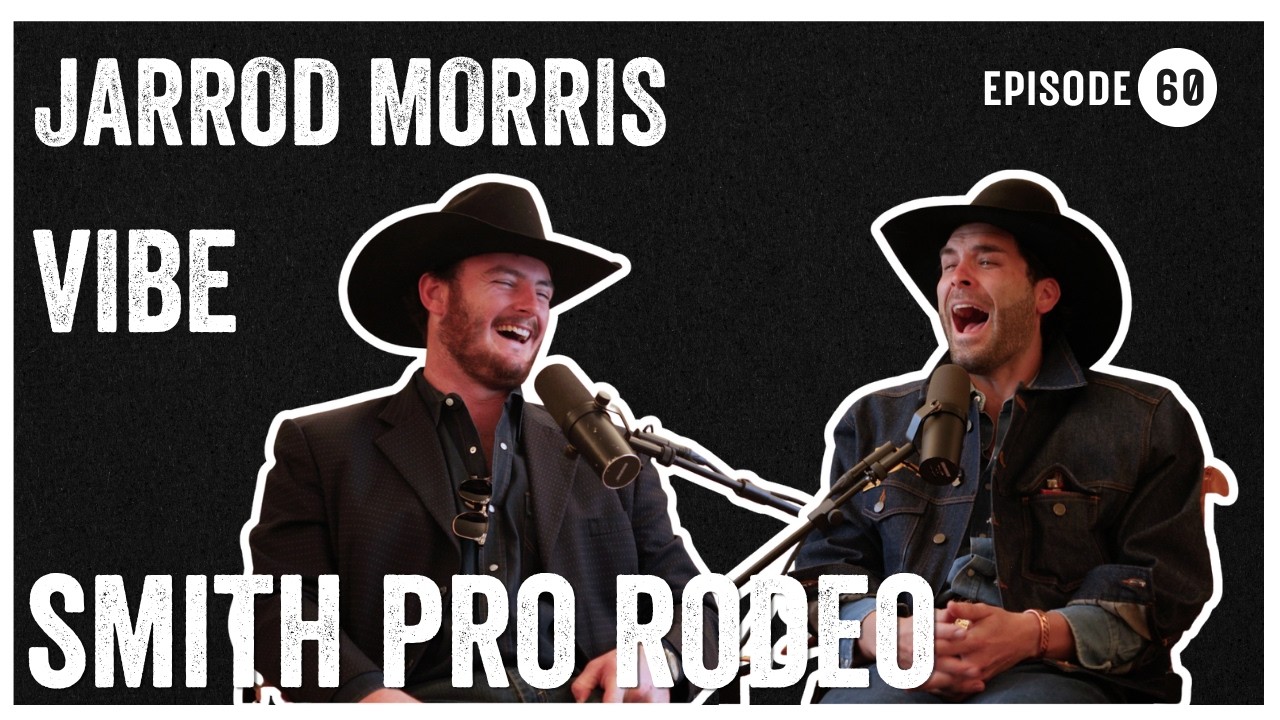
Hosted by Jarrod Morris, Texas-based singer-songwriter.
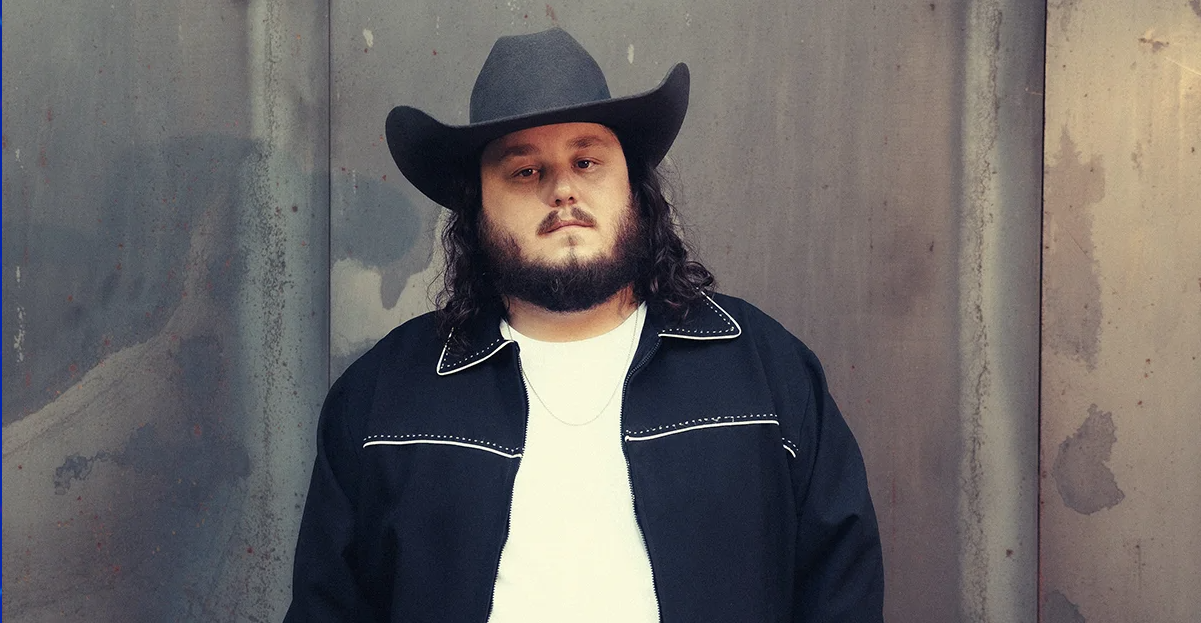
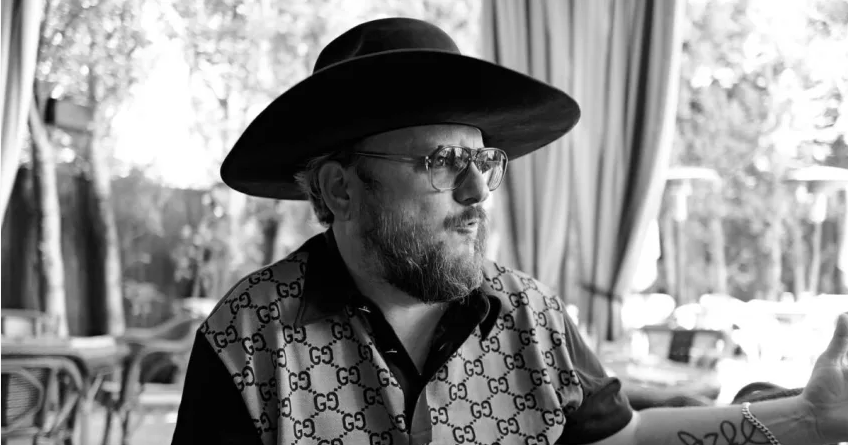
Adam Odor is a legendary music producer, engineer and musician behind some of the most iconic albums and artist in the Texas music scene and beyond. Adam has worked with an extensive lineup of artist throughout his career including Cross Canadian Ragweed, The Chicks, Colter Wall, Ryan Bingham, Mike & The Moonpies, Cory Morrow, Pat Green. Micky & The Motorcars, Randy Rogers, Asleep at the Wheel / Willie Nelson and the list goes on!
Category: Music
Adam Odor Episode Transcript
Episode TranscriptRead / hide
Full episode transcript, auto-generated from the audio and lightly formatted (verbatim, not edited).
Purple haze, in the canyon, that's where I hide all the days. We did this. The movie is called Band Slam. We were in uh um they sleep at the wheel studio Bismo.
I feel like for like 2 months recording it. So, the director and the songwriter like younger songwriter wrote all the songs and then they had the actors play everything. So, every actor was a musician which is cool. And then it was uh Vanessa Hudgens and Aly from Aly & AJ were the two main stars.
Okay. So, 6 or 8 weeks we're in the studio, then we were on location filming. So, like all the stuff they were filming in Austin, all the stuff was in like one of the high schools was closed for something so they made it this like New Jersey high school and all the sort of stuff. So, anyway, um that's when I like saw like all these guys slamming the deal and I was just like okay, so that must be how they do it.
it? Yeah. Okay. Well, see I didn't even know that.
I didn't know there was an actually technical way to do it. on the movie that I worked on, yes, they were slamming it. Okay. Okay, so that actually cuz I'm always curious about the What a stupid thing to like even focus on.
No, but some people some people let it drop. Ah. Right? Some people slam it.
Some people keep their hand on it and just close it gently. But I guess technically you're doing it for audio so you want to hear it. So, you want to make the noise. want to hear it slap like that.
So, taking it more like uh like personality philosophically like I wonder are they a slammer or they I'm a slammer. I'm just like boom, let's do this. Hey, did you like metal growing up? Were you a metal guy?
Uh not really. I was more of a like Jimi Hendrix Pink Floyd. Oh. So, my dad was listening to I mean it was Hank Williams Sr.
Buddy Holly, all that stuff. Then he got remarried when I was eight. Step mom came in. My step sister was 4 years older, Allison.
We're really close still. Uh she turned me on to all these records. So, 8 years old, it was Dark Side of the Moon, it was Are You Experienced and stuff. So, that was my entrance.
Then later down the line, she was dating somebody that was way into Metallica. And it was right around Master of Puppets. So, it was just like that's when I finally got into metal. Wow.
Side. But it was originally like Jimi Hendrix just blew my mind. And then the perfection of Pink Floyd was just So, but like hyper melodic stuff? Yes.
Okay. Especially cuz I was obviously Metallica Black Album was the Black Album. But I was attracted to bass because of that. I'm a bass player.
And Cliff Burton's bass, you know, on all those early Metallica records were like my whole like, oh, what is this world? And You're saying that got you into bass or it opened up your mind to what a bass is. on bass because my dad was already playing bass. I was already playing bass.
Dad taught me like it was so funny. He I wanted to teach me guitar and I hated it. Like couldn't get couldn't make the chords, all that sort of stuff. And then he was just like got me a drum kit.
Hated it. But I liked playing around on the piano. Like that was cool. And then he handed me the bass one day and was just like I want to teach you to It's two chords.
It's a root fifth bass, called root fifth bass and what he had taught me Country. which I didn't know, was he taught me the Nashville number system. He taught me what a major scale was, how what root fifth meant. And then when I learned that song, then he would teach me other songs by telling me a number.
So, he'd be like, we're in the key of G, play in the key of G, go to the five, go to the four and stuff. But did you So, But you But did you out where the five and the four were based off of The major scale. Well, okay. So it was Like theoretically the major scale or the way the major scale feels in your hand?
The way the major scale feels in my hand. So it was just like I knew in In the key of G, it was going to be this was the major scale. So if he said a six, okay, I was going to play up here. You know, and so or play the low E, but I understood all that.
And I don't know why I did. I just did. It made sense to me. And so I was like, "Okay, this is cool."
And then I was hearing all this crazy bass stuff. And I was just like, "What is this?" Fell in love with it, but then got away from bass and stopped playing bass until So all this was in Pennsylvania. My dad lives outside of Philadelphia on the Delaware River, a little town called Upper Black Eddy.
Mhm. And then my mom, they were divorced when I was younger, my mom moved to Groom, Texas, up by Amarillo. And I was freshman year of high school, I decided, "I'm going to try living in Texas. It sounds fun, cool."
I was visiting, awesome. Fast forward to my senior year, some new kids move in, have a band, need a bass player. Okay. I was like, "Well, when I was in junior high and stuff, I was playing bass.
Like, I would love a chance." Grabbed a bass. They played me like gave me a cassette with all their covers, and it was all what is big '90s country now. Back then it was brand new country.
So it was all Brooks & Dunn, you know, Little Texas, all that sort of stuff. And so by ear, I was just learning these songs. And by then, the country basslines were pretty intense and melodic. Like there was a lot of cool, you know, just stuff they were doing.
And I was remembering like That's an interesting country basslines that were melodic. Yeah. Now Nowadays, that doesn't That doesn't happen anymore. But there'd be like, you know, on I mean, shoot, God bless Texas.
Uh-huh. That song has some really cool licks and lines. Happening, yeah. And I was just like, this is fantastic.
I was like, I didn't know that country could do this. You know, and I was like cuz I just remembered, okay, I was learning Jimi Hendrix stuff and everything. When I was younger getting out away from dad, you know, you always got to break away from dad. And then from there, when I went to college at South Plains College in Levelland, uh I found the blues.
And went down the Stevie Ray Vaughan and B. B. King and all the all the kings, you know, Albert King and everything. And then learned went from a country shuffle to a blue shuffle.
And it was just slightly different, but I understood that and then I played in more blues bands when I was in college. And me and uh Randy Rogers Band drummer Les Lawless, he was my drummer in college. And we still do stuff together in the studio and everything. It's funny damn near 30 years later.
Uh we're still playing together. But um we were doing like we were playing in blues bands and we were also in ensembles that were doing pop music and contemporary stuff and contemporary Christian. We were in every ensemble we could be in. And so we were playing all these different styles, but for some reason in college the blues was like it.
Like I was had to learn every Stevie Ray Vaughan thing and everything. I just wanted to know cuz the feel of it was like something I never experienced before. Like I knew what the blues was, but not what that was. What do you think is the main difference between a country shuffle and a blue shuffle?
I think Technically and then how you make how and how it makes you feel. I think I can't even say technically what it is. I just know on the feeling side, the blue shuffle just has to be steady and has to just move you so everybody around can play. Like I feel like the bass and the drums are just the foundation of the house.
And I always treat every record I make that way, too. But it's like as long as they're steady, everybody can play around. And if you have to shift a little faster, little slower, whatever, you can do that. Whereas country that shuffle needs to make you just want to dance.
They need to be out on the floor, and they need to be moving. You want bodies moving in blues, but a different way. In country, you want people out on the floor, especially back then. And you just want them two-stepping swinging.
You need to know what it is. Oh, we got to slow it down, you know. Needs to be a slower shuffle or a waltz or something. You know, you want them to get a little closer, and you know, and ultimately buy more drinks, buy more drinks for the ladies, you know, and do that.
saying a country shuffle should be able to uh sway more tempo-wise? I think so. Than a blue shuffle. For sure.
I think a blue shuffle needs to kind of just have this steady ZZ Top. pulse. Yeah, exactly. That's the perfect example.
And even Stevie, like I've been I've In fact, here lately, I've been on a rabbit hole listening to Stevie live stuff. But like I don't need my drummer and my bass player No. But I feel like a country drummer and bass player needs to see what's going on out there. Sometimes things need to kind of slow down, or sometimes things need to speed up, especially back in like the roadhouse gigs and stuff like that.
The 4-hour, you know, dance slots and everything. You need to be paying attention to what's going on and I don't I personally don't think the country bands nowadays are taking that approach at all. Not at all. I think it's so straight.
I mean, and most guys are all on click. Well, that's it. You're on a click, and you're on uh like most of the time it's Ableton or something where it's just like background stuff going on and everything. And even lights and stuff.
And even in these clubs. Yeah. I mean, even the talking points are scripted. Yeah, and timed and like you need to wrap it up.
Yeah. Cuz we got to move on to the bridge. It's crazy. It's so crazy to me that is it and most of them they have no idea what it's like to have an audience and like I feel like DJs know how to read an audience better than bands do.
My brother-in-law is the Oklahoma City Thunder DJ. He's DJ Live Right. And we talk about it all the time cuz he's like, man, cuz he'll do weddings and stuff like that or events for the Oklahoma City Thunder and stuff. And he's like, I'll do you know, when the crowd's moving and stuff, you understand if you need to keep the tempo up or bring it down.
You have certain set tempos you want and you think the show is going to go or maybe even the buyer asked you to play certain songs. But when you see them moving and how they're moving, you just got to adjust your playlist right away, you know, and how you blend stuff together. And he'll do stuff where he's the DJ and it's drums and a sax. And sometimes a singer and stuff like that, you know, and you I definitely noticed um maybe the artists that haven't uh done the brutal four five-hour gigs, happy hour, um or just like tourist bars and where people are just there to party.
If you haven't like really done a lot of that, yeah, I've noticed a lot of those types of artists struggle with just being able to read a room. Yeah. And being able to connect or they can walk off stage and just be like, man, we crushed. And I'm like, uh Uh You lost them about three songs in.
Well, and they And it's interesting that they're a little detached from it. And they'll stay like they'll stay on their set list. Where sometimes you need to be able to audible. No doubt.
I totally get like, you know, you have a show like maybe you're four set lists that you're constantly rotating. But man, you sometimes need to be need to audible. Especially with players interchanging, like having some level of um consistency. consistency.
You know, it just get you know, it gets so tough to change players out and stuff and have like decent transitions. But even those transitions being developed like I'm just now getting to the point where like I have a board tape that I'm proud of that is like at least um some sort of snapshot of like if we have a decent show, this is the way I want it to roll. Yes. But even within that I can't I mean I send a set list to like a new guy, but I'm like listen, bro.
That thing's going to change. Yeah. But we have plays, if you will, Yeah. that like you can or blocks that you could put together or something.
two, three Yeah. three or four songs are going to go together Sure. I but that but that's by way of going and doing it and then just realizing, man, those work well together. You've tried it so many different ways.
Yeah. And then and then and then gotten crushed by an audience and just been like, we just completely lost them. Like I need to rework this. And cost I feel like I'm like always doing that.
Well, and perception of you changes over time as well. Yes. So, I've always thought it was a little odd to uh keep this just regimented. Yeah.
But they're married to that computer and it's crazy. Like in the studio, I like a click track. Not every time, but for the most part, I'll always go towards the click just because I like a good feel and I like there's just something about it. But years ago, I made I did a couple records with the Sleep at the Wheel.
But the first Willie in the Wheel record we did um that one, I remember walking in and their drummer uh had done stuff with before that he was great on a click. But when it came for that swing stuff, he was just like I said, "Hey, you know, what click sound do you want?" or something like that, you know, and I was talking to the I was engineering it. And I was like, "What click sound do you want?"
And he's like, "You know what? For this session, I'm the [expletive] click." And I was like, "Got it. Sweet.
That's all we need, you know." that work? Oh, it was great. Yeah.
Because even in that with Ray singing and Willie singing and Jason Roberts was still in the band. So Jason singing and everything. Like he knew how to sway to their vocals. You know, and how to push and pull and I'm trying to remember who was I think Kevin Smith was playing upright.
But they knew each other well and it was just like they knew how to just flow and go and just you know, it's like okay, yeah. That's really interesting to talk about like a rhythm section being able to sway with the rhythm of the singer. That's yeah. Or like understanding if a singer wants to sing like behind the beat a little bit, you probably shouldn't be playing behind the beat.
No, yeah, you don't want to follow the singer then. Exactly. it's just like you need to stay steady. Willie's the perfect example.
You have to stay steady cuz he's going to land. 100%. But to trust you're going he's going to. Yep, yeah.
And that's it. And it's funny too because I've seen other like I've done a lot of stuff with Reckless Kelly over the years, made records with them. I've played bass with them for months at a time while they're in between bass players. And Jay is the only one with a click in his headphones cuz he likes to start the tempos the same and he's like, I'll shut it off.
Like he's got his in-ears. He's like, I'll shut it off when I feel like we're straying too much. But he goes, I know where I want to be for every song. And I will keep Willie and Cody in line where they need to be and then let them go off where they need to be.
And I was like, oh, okay. And when I was playing bass originally with them for the first time, I was like, man, maybe I want some click too. But then I was like, no, I'm just going to listen to Jay and just follow Jay and do what we do best cuz we already knew that we could be a good rhythm section anyway. And that was the funny thing.
My first one of their bass players had left on a Monday. And then they had 25 shows in 28 days starting Wednesday. And their first show was a live radio show. 25 shows in 28 days?
How do you How does somebody sing that much? We went up. That's Willie. He's got it.
He understands. Again, think of the Think of the Brown brothers like that. Willie Brown, Cody Brown, Mickey Gary, they grew up playing. That's all they really know.
So, they understand night after night having to keep your voice that way. I mean, that's like you can't I don't know, dude. For me it's You can't drink. You can't smoke.
You can't talk after the show. To do that, I Yeah. And they definitely weren't that way. I know.
That's what's crazy. I know they're probably not But they're just They know how to do it. And but what's funny is that Willie had sent me a set list. And he was like, "This is the main set list we're going to do.
But And I knew some of them just because I had made those records. And then he goes, "But if you can, like, chart out everything you can." And by show three, we were just going way off the set list. You know, we were keeping three main songs, and then the rest were just whatever he was feeling.
And most of the time he would give me enough time if for some reason in my crazy binder of charts, if I didn't have that song, I'd be like, "Well, send it to me." And sometimes it was a phone demo or something like that. And then I'd chart it out real quick. And It's interesting um wanting to feel the room on the fly and make changes.
That's very cool. And then there's another part of me though that can appreciate like go into the venue like and then even wait to write the set list maybe an hour before the show. Yeah. Like look at the crowd.
At least try to make some sort of judgment call, and then commit to this is what we're going to do. At least for me cuz then there's an element of like confidence almost. Yeah. Where it's like if in the middle of the set I feel I'm losing them sure there's some things you could do to you know maybe bring them back yeah sure and that great cuz you're just trying to connect is the thing but there's also like I probably fell into that too much early on to where I was a little too focused on maybe connecting or giving somebody what they want rather than having the confidence to be like this is what I'm going to do and you guys can come along for the ride or not but I'm going to be doing it so it's like a balance between the two cuz you can go I've observed guys go too far in the confidence direction where it's like they have a complete disregard for the audience which I'm like what are we what's the point of this well I mean Andre 3000 made the flute record and then did shows that's not the direction I thought you were going to go with Andre 3000 well and that's what's funny cuz like people would show up thinking well he's still going to play his other stuff and he was like no I'm just going to play my flute jazz record like that's it and so there was that you either were with him and you were going on that ride with him or you were going to get mad that he wasn't playing you know some of the hits and stuff like that um my favorite on that tour so that tour so I ended up I think that run I did six or seven months with them cuz we knew the bass player that was coming in Andre 3000 uh um the Reckless Kelly stuff and then I later I did like another four or five months before Joe came in the current bass player uh but so that first run was with we were the first of three with Nashville [expletive] and Reverend Horton Heat wow going up the East Coast playing like theaters and stuff like that and one night we played the 9:30 Club in DC and everybody in that front row hated Reckless Kelly and in front of Dave Abedda there was this guy whose girlfriend was getting into the band, but he had his back to the back to the thing and just was just like shaking his head.
He was not enjoying the show. And so, we changed the set list on the fly to cater to just piss that guy off. We're playing the songs we want to play, and everybody's playing a solo in front of him and going there. And finally, What a weird energy, too.
And it was just like cuz you have that like, you know what? We're badass. And we're cocky, and you know what? If you don't like us, I don't give a [expletive] We're still going to play our asses off, and we're going to play our fun songs that we really enjoy playing.
And but what was great was when like when we got to the second to last song or into the last song, you know, Willie's like, you know, and we got uh this is our last song, and I think we would did castanets as the last song. But as soon as soon as he said that, he just turned around and goes, "Yes." We're like, What a [expletive] dude. Like, what a douchey Yeah, why do that at a show?
So weird. Like, man. And you're in a small club type thing, and Yeah, it's not like it's not like an arena. underground type music.
Yeah. And you would think that person is um down for like music discovery. Yeah. Right?
And probably pretty open-minded. And nope. Like, they're not at the front row at a That's the great irony is like at the at the front row of a um Morgan Wallen concert, that they're like almost more open to the opener than like in this underground club or something. That's you know what?
That's weird, too, but it's so true. Yeah. And that doesn't make sense to me. It's so Cuz then once you win them over, like that guy, if he became a fan, he would be like a fanatic.
Yeah, he'd be a fan for life. And that's what I always like as going into the changes of the music industry with streaming and all that sort of stuff. I came from selling CDs in the back of our cars and we would sell millions of records. And to streaming now and watching every social media thing come up and everything go away and stuff like that and as everybody tries to figure out what their lane is and everything and you know, like with my wife Darby, I you know, I tell her um met her for the first time at Well, no, I don't think it was the first time.
Um but what like actually got to chat with her a little bit up at Turkey Hotel Turkey. Oh yeah, Hotel Turkey. a 6 months ago or something like that. Yeah, sweet.
Yes. That's our We love that place. That's heaven. That's why we did the brew shop stuff.
Uh so I'm always just telling Darby, you know, I'm like it's still just creating fans and creating a fan that loves you and then follows you for the rest of it. So, we see people with, you know, all of a sudden they had, you know, that one clip has 50,000 views on it in a week and stuff like that. And then it might go away and all that sort of stuff and I'm like, the key is to build the fan base one fan at a time. It was that way in the '90s and it's still that way today.
You know, you don't I think a viral hit can be a little scary because is there going to be a follow-up? Or when I watch labels put it all behind one single? And I'm like, yeah, but what about the next single and the next single? And it's the I always have the thought process of like the Elton John way of when he made like when he made Goodbye Yellow Brick Road, he then went out and did the Hollywood Bowl show with all the different pianos, the different colors and stuff.
They played the whole entire record of Goodbye Yellow Brick Road because they just recorded it. He still had three records to come out before Goodbye Yellow Brick Road even came out. So, it was almost 2 years before that album hit. So, people heard these songs that they couldn't even get.
But, it's like you just need to keep making art. And if something pops off as a hit, fantastic. But, you can't think of I'm making this piece of music because it needs to be a hit or I'm done. You know, if you're in that mindset, then you're always going to be chasing rather than just being the artist that you're meant to be, being the songwriter you're meant to be, being the band you're meant to be.
Chasing never does well. I remember when Lloyd called about when we made what became the Home record for the Chicks. Like, we were going into Cedar Creek and he's like, "Hey, we're just going to make this like bluegrass record." And it might be demos, it might be a full album.
Gary Paczosa's coming in, you and Gary can engineer it and together and it was a blast. But, the label, they were already in the process of a one of the lawsuits with the label. But, the label was like, Which record was Home? Sorry to interrupt.
It's the one that has like Traveling Soldier on it and, you know, uh Landslide and all that sort of stuff. So, and it's nuts to think about like the label was like Sony was like, "Oh, this is nice, but, you know, here's demos of songs we want you to cut, you know, that are actual country songs." They've had no use for a bluegrass record. And they had no idea Home was going to become what Home became.
Like, nobody did. You know, there was a little bit, you know, Alison Krauss was doing well and stuff like that and O Brother Where Art Thou was new and that was doing well, but no one thought that would happen, something like home, it just explode and they were already an arena band, but then I mean, go nuts. It was crazy. I think that record in CD world sold I think it was 8 million in the states.
30 something million worldwide. And what's a gold Gold is 500,000. Yeah. Yeah, so it's So, yeah.
We got our platinums and all that sort of stuff. And then So, platinum's a million. Platinum's a million, yeah. And then diamond is you how much I'm chasing the numbers.
Yeah, exactly. Well, now that's all different. So, now it's like so many streams just changed, but yeah, they still try to Cuz it's like is 10 streams a buy in Billboard now? It's crazy because then I turn around and go to I think of Billboard and stuff like that in the charts.
And then I'm listening to uh there's a new book out called uh um The Colonel and the King. And it's based off of Colonel Tom Parker's letters and everybody he worked with. And so, it's like a almost like a business biography. Was he Elvis's guy?
Yeah. So, he was Elvis's manager the whole time. And that Elvis movie that came out like two or three years ago demonized him a lot with Tom Hanks playing him. But it's crazy when you go down that world of like well, what he did.
He was just he had run that as a kid was in the carnival circuit and understood how to promote. And that's basically and had made Eddie Arnold huge. And then Elvis comes along and then was just like, okay, this kid we got something here. But it's funny to see he talked in that book they talk about like they would come up with charts just to have a talking point in the press and the publicity.
So, it was just like they would Billboard would make up a chart just so they could put Elvis on it and talk about Elvis being number I mean, it was like it was like, oh yeah. I mean, that's how it's always been, but it's so funny to think because people chase the charts, and there is something to say for the charts. It's obviously like, especially back then, it was people purchasing records. So, it was like no matter what those people were buying.
But, it's a lot harder now because it's streams, and then there's this bot streams, and I can look on the back end of certain things, and I can tell when certain things I've worked on may have been purchased streams because then the streams would go down, and then things would come back up, and I'm just like, okay. Yeah, it's marketing, and it's changing people's perception of what they think they like. Yeah. By way of what other people what they think other people like.
Yeah. You know, it's very it's not super common. Most people in life, and this isn't even like we're all we succumb to it in one way or another, but uh most people go through life and never really make a lot of decisions about what they do, what they wear, car they drive, how they decorate their house, the music they listen to. Most people don't make those decisions based off of what they truly like.
Yeah. They're making it based off of what other people like, and then how to fit in. But, we are like herd animals to a to a degree. So, it's and we all I mean, why are like why am I wearing what I'm wearing, and you're wearing boots, and I you know, I'm wearing jeans?
Yeah. Come on. Like, we're not all like as hipsters as we like to think we are. No.
And it's like and what's really funny is now that, you know, our daughter Greenie has just turned one and stuff like I straight up went to Sam's Club and bought a bunch of shirts cuz they're comfortable, they're lightweight, and I'm like, man, why was I going nuts like buying all this other clothes and dressing up or buying vintage clothes and having [expletive] altered and stuff like this when I'm like this $12 button-up shirt is nice and it's comfortable. a uh it just is a pointless endeavor to or I guess it just would be exhausting to try to do everything different for the sake of being different. Because even that can be disingenuous where if you just don't like something because everybody else likes it, you're also not being true to what you like. And that's become and that I think in social media world, that's become like the big thing is that you somebody always wants to hate what everybody else likes.
Exactly. You know, and then have a platform to say, this is why I hate it. This is why this person isn't genuine. This is why Just cuz something's popular doesn't mean it's bad.
Yeah. Yeah. It's popular. just cuz something's popular doesn't mean it's good.
Like so I you but yeah, I mean you got to judge it with every You just have to decide whether you like it or not. dude. That's that it goes back to that is having your own opinion. You know, and especially with music.
And not like having This is one thing that has gone away. And it used to be especially and I know when I was growing up like you had DJs you listened to and you trusted them to play music that you may never have heard before but that would be like, hey, if you like me as a DJ in my station that you might like this. Before it was all under one, you know, iHeartRadio and stuff like that, it was just like there were those DJs that did cool [expletive] like that. And that is harder to find now because everything's out there online.
You don't have the person you trust to go to. No, the tastemaker is an algorithm. Yeah. It's not a human anymore.
And it's based off your algorithm personally. Oh, yeah. That's the biggest thing, too. And then who runs that algorithm and what happens there?
I mean, it's so insane. Little depressing. I didn't take it quite serious enough, I think, when streaming was exploding. That's like right when I was putting out my first music.
Yeah. And there was uh that tension between radio and streaming. And like, you were either on one side or the other. You know, this is like 2017 or something, 2018.
Where, you know, you're like, either you're going to promote it on radio and screw streaming, or you're not going to do anything on radio. And I was like kind of in the middle of that, where I'm like, well, this is the future. But I also didn't maybe appreciate some of the tastemakers and they just the human element of somebody Yeah. pitching a song to somebody else.
I didn't appreciate that enough. And what made me realize that was now that human songwriting is under attack through um technology, now I'm like, oh yeah, radio DJs, my bad. You know, I do appreciate just a human Well, and it's funny, yeah, cuz it's like I've got, you know, I've got Craig and Amarillo and Matson and New Braunfels and KHYI and you know, and the Ranch and stuff. And those guys that hardcore, my buddy Adam uh up north.
I'm trying to remember even where his city is. But I always send them stuff that I'm working on because I'm like, I know it's some of it gets radio promoted, some of it doesn't, but I'm like, I think you guys would dig this. If you want to play it, awesome. That would be great, you know, um but there are still some of those guys, but I mean, most of it when we put out under when Silverado was still the Moon Pies, and we put out One to Grow On, we played some of the Nashville radio game.
That was tough. And hearing, I mean, it was just weird to see it on the back end of how Like, I knew what the Texas radio was, but then the Nashville game and who controls what stations and all that sort of stuff. And I was just like, "Wow, no wonder there's a lot of money being spent for this, you know?" Yeah, so there's two sides to it where there I loved in a way I loved the purity of an algorithm truly just mirroring what you want and just giving you what you want rather than having the influence of a human cuz there was a part of me that got frustrated with maybe radio or taste makers if you will cuz you know even a lot of them are they like to think that they have like really eclectic taste but like whatever's going right now and whatever's pretty popular they like the thing that sounds like it.
They still want that, yeah. Yeah, and I've never had that and I it's been honestly everybody says like just be true to yourself, be something unique and original and in terms of like actually having like I guess success or quick attention that ain't the move. Yeah, typically. Yeah, cuz they there's not enough familiarity and so I struggle with like taste makers.
So there was a part of me that was like, you know, screw y'all like yeah, I know my stuff sounds different. It doesn't like fit into your little box. So but guess what? Now over here on streaming like I'm doing pretty well and I'm building some fans and it's like, will you guys play it now?
You know, so and I and I had a couple that like in like Hollinger in Fort Worth was always like a big supporter and then Craig up there in Amarillo. Yeah. Um but you know, there was some others that were like, "I just don't get it. I don't know what he's doing."
They're like that. And so there was a part of me that I kind of had a vendetta against that where I was like, "I'm going to get it out to people And that regardless of y'all." Well, and what's funny is especially with streaming like so Darby and I went two three weeks ago to Oklahoma City and saw uh Lake Street Dive. They had a band called The Dip open.
Dip's from Seattle. They were out um with the Red Clay Strays for a bit and then out here they don't have radio. They are I don't know, eight-piece band with a horn section and stuff like that. I mean, it's this cool groovy soul thing.
And then I go and I'm like, man, I've never heard of these. I'm in love. Like this band is fantastic. And then I go to their Spotify 3.
1 million monthly listeners. And I was like, oh, so I'm just out of the loop. They're not on every station. They're not in my algorithm.
Now they are, but um they have the fan base. And that's becoming more and more common. Yeah. You're like building huge followings.
Yeah. Huge. And that's And I think And then weirdly enough though, some of them struggle touring. Yeah.
Dude, like Lord Huron? Yeah. Uh I mean, I don't like 20, 30 million monthly listeners or something on Spotify. And like a lot of people listen to the music, but even touring I think I mean, struggle I think but in relation to other artists that have that many monthly listeners, like I mean, they're not like But then and in the arena And then you get bands with 15,000 or I mean, I know bands with 15,000 monthly listeners on Spotify that can sell out two to 4,000 seat theaters every night.
Bizarre, isn't And it's crazy. And part of that is they're older bands that the fan base just isn't on streaming. And but they'll buy There's some record labels that in the past 2 years have sold more CDs than they have vinyl. And they're like, okay, I guess it's time to bring back CDs.
And it's one of those cuz they know their fan base for certain bands. So the older bands, those fans still want CDs and they're buying the CDs and they're so cheap to produce that they're like, okay, we'll make them and we'll sell more CDs than we did vinyl and not have to wait and not have to do all that sort of stuff. And there's portable CD players out now. Dude, honestly, I like it because it is truly exposing that there's no one blueprint for anybody.
And it just distills it all down to like, make dope music. That's it. go play shows. That's it.
Like, and I love that. I love that. And I look at like, Darby's last record, Darling of the Dust. She wrote these songs that all tell a story.
Each song is a character. They all go from one to the other. Different grooves, different tempos, different keys. So, we made this record that's up right, acoustic, little bit of depth.
songs could like, if you played it straight through, it would be one long uh 19-minute song. Woah. And so, we put it out. So, what we did, and I got this idea from an artist named RAYE, R A Y E.
She's from England, I think. And she, like when she was 15, she got signed to a major writing deal, wrote a bunch of pop hits for people. And then I randomly saw RAYE was on Saturday Night Live one night. And so, she's got this pop thing with a full orchestra behind her and everything.
And so, one of her newer songs is a piece that's like 9 minutes. So, it's a 9-minute long piece, and then the next three tracks are at three different songs. So, we did that with Darby. We put out the long piece, and then we split it up in between acts.
Every song is a different act. And there were some people that were interested in it, but we were just like, you know what, we're just finally going to put it out because Darby was doing the Pacific Northwest earlier this year and stuff, and we just wanted it out. And she could play it acoustically by herself, and it's not like the way it's very minimal space the record is. And so, we did it.
And then immediately got into this next record that we're finishing right now, and which is a whole different I got other than the drummer, Keio Strait, I flew in from Nashville. It's all Lubbock players with a little bit of hints like Zach um played some steel and Dobro on the record and stuff, but it's more of a 70s thing. Like it's country, but it's you know, it's still Darby's songwriting, but it's like I had fun with piano and the whole all the bass is upright bass, but it's all grooving drums and stuff like that. Uh but as we're doing that and I'm like, okay, Darby that record of Darby's Darling of the Destitute kind of on its you know, it's towards the end of its cycle.
Then What a great album title, too. Darling of the Destitute. who came up with that, but I was like, that is it. And so all her stuff she's got a custom jacket that says that.
Like that's her thing is she's the Darling of the Destitute. that. That's great. Um but two weeks ago I get a call and they're like, okay, we need all the back end information because six of the songs might be put in this TV show.
And we're just like, oh, I didn't realize like it still got its life, you know. But then while all that's going on uh there's a band called the Turnpike Tines and that song Calling All Cars is their new single. Mike McClure and I wrote that song while we were making Cross Canadian Ragweed's garage record 20 years ago. And for some crazy reason Brandon Anthony, who's now the uh vice president of Big Loud Texas, hits me up and he's like dude your song's going to be the next radio single for the Turnpike Tines.
And I was like, how is it 20 years later the song that was on Foam that we wrote while we were making a Ragweed record has like seen the light of day. So who listened to that? I don't know. I still don't know.
I'm figuring Dylan who's the lead singer for Um I can't remember. It's so Dylan's the bass player. bass player, Samson. And so Dylan and I know each other from a long time ago.
it was Dylan. And so that's what and McClure and I still think it's Dylan. Wow. Because we still text each other and we're like, "How crazy is this?"
Like the last song on Foam like I had to go through and make sure our publishing was all correct and stuff like that because it was so long ago. And here it is. It's Dude, it's beautiful. Just put in the work.
And just make the art. Yeah. And you never know when it's going to find an audience. Yeah, but sitting around and waiting to Dude, it's so funny like even with social media when TikTok first started happening and coming out.
I got on it early cuz I was just like it's just funny like some people were on there really doing goofy stuff and just because some people are doing something with it like that mean you have to. So I was like I got on there. I just viewed it no different than like Instagram or Facebook or something cuz all of them fundamentally are flawed if you let them be. Yes.
And but I just thought it was weird that people be like, "Really TikTok?" And I'm and I'm like, "Does that mean that you're like planting your flag on Instagram cuz that to me is weirder?" That's weirder. Yes.
I don't care about any of them like in the sense of I just get to connect with people through video or picture about what I'm the art I'm making. I don't I just it was just a weird flag to plant. They're like, "Well, I mean TikTok's goofy. I'm more of an Instagram guy."
And I'm like, "I think it's goofy that you just called yourself an Instagram guy." Yeah. Like what do you like? I mean really and truthfully I loved My MySpace.
It's great. Yeah, dude. It's fun with it. Yeah.
Uh and it's funny my nieces and nephews, you know, they're all in there like 19 to 24 and they have when I was down a couple or over to Philadelphia a couple about a month or so ago there's an app now that they're all on that you put your Spotify to or your Apple Music, whatever you listen to. And if y'all are friends, you can see what each other's listening to. You can heart it. You can comment to it.
You can share it with each other. You can compare. And I was like, I've never heard of this. And in my contacts, there's not many people on it.
But that generation is all into it. And they love it. Uh I have to look at my phone, dang it. It's It was had a name too that I was just like I never would have thought this as a some sort of social app.
Yeah, and like the social media stuff and how people discover you um or connect with you doesn't change the fact that like I write the songs and produce them and we mix them and like and I go play show like I don't know. I It's just weird to think that somehow changes that fundamental foundation. And so there's a lot of people that sit back and just, well, I just want the music to speak for itself. And it's a bit arrogant in my opinion.
I just didn't have that luxury. Yeah. Right? Uh that would be great, but I don't have that luxury and I don't have the time.
And it seems so risky for me to for as much effort and time and money as I put into my art, it seems so unwise and just ridiculous to not make every effort to get it out to people. Well, that's it, too. Uh Alan who manages Tucker and I, who I produced in their shop in the record right now and all this sort of stuff from West Virginia. Uh Alan was just like, no matter what, you have to be on social media if you are an artist this day.
And going back to Elvis, he's like, Elvis would have been on social media. Yeah. Like that's just how it is. You know, that's how the music industry is.
You have to figure out what your lane is in the social media and have some sort of consistency. Don't be a funny guy one week and then Sure. guy unless you can melt all that stuff together and make it something but it's just like yeah, you just got to there is a game before that, you know, it was there used to be I remember seeing Ragweed records on commercials. You know, there was that's how it was.
difference is they had to pay a lot of money for it. Yeah. And then there was a middleman. Yeah.
So like how somebody can like think MTV was so cool. Like think about how few bands and artists actually got played on MTV. And if you got on it, it changed your life. And how like and the bands from the 70s and early 80s were like [expletive] making a music video.
It's not about looks, it's about what I'm playing and stuff like that. And so how is TikTok not just like a short-form version of a music video? It's the same thing. Yeah.
And that's my thing. It's like either be really DIY with it like if you really want to go DIY, look at the Beastie Boys. Every [expletive] music video they made was literally them with camcorders and they were on MTV all the [expletive] time and made awesome stuff because they were creative with the DIY. So either be really awesome DIY or get a really badass director and make some cool cinematic [expletive] because you can do it a lot cheaper than what it was when they were doing it for MTV.
Way cheaper. It is weird that we have so much opportunity to get art out to people so cheaply compared to historically. Yeah. So much opportunity and then because there's so many people trying to do it, we're all like just bitching and moaning and complaining that we're all not household names.
And it's like do you realize like 20, 30 years ago like me, I like I was a horseshoer for a long time and like have no industry connections. It's like there's a good chance real good chance before the internet and stuff like I would have just ended up having I would have just been like man, this is not in the cards for me. Yeah. Like and then I would have probably still played and people would have been like, "Man, you really should have gone for it."
And I'm like, "I just didn't have any way to get it out, you know?" And I just would have been horse [expletive] in my whole life. And now it's there. Now it's there.
That's so easy. And then because you have the opportunity to get it out, you feel like you have some inherent like right to like have like huge success at it. It's like, "Dude, everyone's trying to do it." It's such an outlandish thing to be able to do.
And that's it. It's It goes back to creating a fan base and I think like seeing the dip, finding what your market is. I Unless they would have opened up, you know, opening up for Like Street Dive, I never would have heard of this band, but they obviously have a big enough fan base that they are making money touring and off of streaming. They're making a lot on streaming.
Yeah, and it's like If they own it. That's Yeah. And it's like And if they're since they're doing that, I'm like, "That's it. You just have to find where your fan base is.
You might not be Taylor Swift big, but if you can make a living at it and get to do what you want and grow your fan base every show, that's all you need to do. Mhm. You know, that's it. Don't try to be Queen.
Don't try to be, you know, and if it happens, awesome. But none of those bands wanted to be Maybe Taylor did, but Queen, Elton John, Zeppelin, all those bands that we love were just doing it because they needed to do it. And they just happened to grow up and be the biggest. Well, and they Yeah, they got a ton of funding put behind them.
And they found somebody that loved them and believed in them and then was just like, "Okay, you know what? We're going to go for this." And then there was just much less music being put out. I mean, and those record labels would bet on a horse, you know?
And I mean, just think of I would be curious. I don't think there's any way to find out, but like for every Elton John, there's almost a I would think there is a like I almost collateral like the cost of creating an Elton John. Yeah. Um from like a business sense.
In that is pro- I don't even know how many bands and other artists that got signed to the same label or other labels and just recorded records and wrote a ton of music and they just never got the money put behind them. And so there's like a whole there's a cost that just went into him, but I think there's a cost from like an art standpoint that all of that had to go away cuz they didn't want the competition. Yeah. Well, there's definitely that and or they just couldn't get that artist over.
Right. Oh, yeah. You know, that's the other thing where they put all the money they do the same thing they do to Elton, but they just couldn't get the artist over. And it's I just listened to I listened to a lot of autobiographies and biographies while I'm driving.
And so Mike Campbell, his book just came out. And realizing how many years and how much time they put behind Petty to trust that Petty was going to become something. And it's funny cuz they signed Mudcrutch. They signed them to Shelter in Tulsa.
Shelter's got an office in LA. Mudcrutch is, you know, ends up being no more. Tom, they just want to keep Tom, but Tom is like I need Mike. Like he's my guy.
He's, you know, he's he we create together. So then they send him eventually back to Tulsa and just write and write and write for years. And are looking they have studio musicians come in, but they're looking for the band. And then since they all grew up together, Benmont has another band.
And so Benmont brings in Mike and Tom to see what's going on. And then Tom's like, "That's my band." And then they immediately go in and then they make the first record and then, you know, history is made. But even so, we think of, you know, we think of that first Tom Petty record with the hits as that's it.
Like, then he's big. It's like, no, they were still broke. It wasn't until Damn the Torpedoes that they got over the hump. You know, so for years they're touring, playing arenas, but they're still not making any money because they're paying off what had happened for all those years, but you needed that money person back there to help find out.
Art has always had some sort of benefactor. You know, and that is it, and that's what we know what the Sistine Chapel is because they paid Michelangelo to paint it. It is weird. You know, and Because there is no ultimate like value uh other than this just abstract sense of yeah, human expression and there's no way to like truly value it.
So, that's why you have to have somebody who is just crazy to just put up a bunch of money with no hope of ever getting it back. Yeah, because most money people want to see what the return on investment is. Well, okay, so what's going to happen? When will I start seeing money back from this?
there's a ton of wisdom and life skills that are it's necessary. Like, I mean, cuz there's been a lot of stuff that's been created for profit and it helps society. Yeah. There's been a lot of stuff that's been created for profit that doesn't help society.
help money. Yeah. But I don't know, it is interesting cuz like art you know, what it you have to have that just like we're going to do it no matter what. Yeah.
And it's Sistine Chapel. And it's and it's funny like this was I guess the first year, 2025 is the first year that like Broadway has lost a ton of money and the show people haven't been going to shows. And that type of show. But yeah, that type of show and they're but they know they need that.
That it ebbs and flows, and this is a down spot right now, and you know, people don't have the money to spend maybe and stuff like that. And but they need to make sure that they keep that alive. Wouldn't it interesting too that like when you feel that pressure and that squeeze, it's the only thing that can like really get it gets you to question what am I like doing it this at the best of my ability, and do I need to dig deeper? And like a lot of times, you know, obviously when things get to a level of popularity, they can sometimes lose the soul that even like got them there.
Yeah. Um like with within art, and then once it all kind of gets stripped away, it goes back underground, and then it gets that soul back, you know, whether it's like hip-hop or it's freaking blues or punk. Yeah, yeah. And it's funny to see that like when it goes back underground is when as people are starting to find it, they really connect to it.
You know, so it's just like I mean, there was a period of time when, you know, we're back into that like '90s country is cool again, you know, sort of thing. And as been living in Texas where it's just been happening forever. Yeah. Yeah.
But it's like I see my family on the East Coast and my friends on the West Coast and stuff like that are just like, "Oh, this is awesome." and blah, and I'm like, "Okay, cool." You know, that's I'm so glad that it is it's always been here, but okay. And but it's almost like that style went underground in all those places.
And we I didn't even know it was underground. I'm like, "Everybody knows. This is so played out." Nope.
It's so crazy. insane. Dude, so I was in Florida like a year and a half a year ago probably I think it was a year ago. And uh it was like right after Zach Top had like exploded.
And I've got this cousin. He actually and he's I don't know, like probably close to 40 or something. Um he's older, you know, uh pretty quite a bit older than me. So, uh one of the first Stratocasters I ever saw uh was him when he was in high school and I was like I was in elementary school or something.
And uh it was like a red Stratocaster. And uh I remember him playing and stuff. And it was like first one I ever saw. And um and he was uh an artist like uh he draws and paints and everything.
He went to art school and like he's like really, really great. And uh and then he ended up living in Philly. And then like he was like a super artsy guy. Like, lived in a industrial warehouse with a bunch of other artists and stuff like that.
Nice. Yeah, yeah. Really eclectic. But just such an open-minded person and so kind and but like an artist.
And uh and so I And now he does like some like architectural design stuff and like really cool remodels and whatever. Um and so I was chatting with him like a year ago. But And he was from Pennsylvania and like lived in Philly for a long time. Now he lives in Florida.
But like grew up so different than me, right? Like, just in a totally different world. And that last time I was down there I was talking to him. And I was I was just kind of enjoying somebody from a different perspective.
And I asked him like, "Man, what kind of stuff are you jamming?" I was so armed and ready for like I had, you know, like Khruangbin and like all these like super niche bands that are like real hip and cool that I could like turn him on to, you know? And I was thinking he was going to do the same for me. And I'm like, "Dude, so what are you listening to right now, you know?
Like, what do you got going on?" And uh he's like, "Man, I'm just like really into this Zach Top thing." And I was like, "No freaking way!" Like, that was the that was the soundtrack of like I've growing up out here.
Any convenience store you go into like George Strait's playing or Keith Whitley. Yeah. And I just couldn't I just couldn't believe it. And we were on the opposite ends and I'm like kind of you know, bored with those sounds to a certain degree.
I love that music, but a little bored with it. It was just so funny. Well, I remember and okay, so first off, it blew my mind that there is a generation of and this is telling me and then I'm old. But there's a generation that don't know Ryan Bingham pre-Yellowstone.
All right. And so He's only big cuz he's on Yellowstone. Yeah, and I'm just like He's got Oscar. He's got an Oscar.
I know. I'm like, what are we talking about? But So, I'm playing with a thousand people 10 years ago in Florida. Like Well You know, it It's it what we're talking about me is like that's actually a big that's a big deal as like an indie artist.
Well So, I remember when Crazy Heart came out and all that was going on. Like I still talk to some of my old friends from Pennsylvania and a good friend of mine, Jeff Insco, moved to Pittsburgh and he works at a museum in Pittsburgh and stuff like that raising his family there. But I remember when he called me up and he was just like dude cuz we loved like he's the one that gave me my first Guns N' Roses cassette, you know, when Appetite came out before it was huge, you know, and when we were just doing all that. And we were way too young to be listening Appetite for Destruction.
But Jeff was like man have you heard this Ryan Bingham guy? This is incredible in this movie and blah and I was like Dude, Ryan used to like crash on my couch, dude. Wow. Like we used to all just be around.
I would back before Elijah was playing bass with him and stuff like that when you know, for the Dead Horses, it was like I would play bass and stuff. I was just like dude, it's so crazy that you in Pittsburgh finally know some of these people that you know, that was going on, but that's It's it is. You know, it's like people that we know in our lives. Yeah, those are I mean, I grew up on that first record.
Dude, it's so crazy. Oh, yeah. do you know Corby Schaub? I try to Corby, yes.
Okay. I don't. I don't That's why I'm asking. we had we had a little band together and he would come in and play.
So, there was a whole thing where I was we put a band together to go to Italy and France to back the Miller and Matt Skinner. And while we were over there, um Brian Bacon was playing fiddle. Brian fell out of a car and broke four bones in his hand. He ended up having to fly home from the tour and get it all worked on.
And uh So, the first night he breaks his hand. The next night that was uh you know, we were partaking in some stuff and fell out of the car and yada. The next night we're playing this festival. And uh there was a drum riser and a bass riser.
And I forget what song we were going into, but I went to go sing a harmony part. I jumped off the bass riser cuz I was a very active bass player. And when I jumped, the wood broke. And it was outdoor festival and I just went straight down.
I took my bass off, was coming down, dislocated my finger, broke seven ribs. And so, Seven? Yeah, four and three. Snap four, cracked three.
I bet you thought you dropped a lung. Oh, yeah. I was in the hospital for a while in Italy and then stayed there for two more weeks before I could fly back because of the pressure change. Like I had to be able to breathe so much.
Uh did not finish the tour, obviously. No. They finished it at least. me.
yeah. Can you get out there? Uh but we created we made a little EP called 11 Bones cuz we broke 11 bones in 24 hours. And Corby was one of the band members that we brought in on that and played some shows and stuff like that and just because we had a long history together and just uh yeah, he's one of my favorite guys.
well. Yeah. He's sort of a mysterious individual. He is.
He's gone through a lot. Okay. And um has had to battle some carpal tunnely stuff and everything. Oh.
But his phrasing on anything he plays is amazing, especially mandolin. Like what he comes up with and how he skates around. We made a live EP in our living room one time and we brought like 30 people into our house and it was Brady Black on fiddle, Corby on mandolin and guitar, Matt Skinner, John Silva playing cajon, and me on a hollow body bass. And we just told jokes Can we Oh my gosh, that's so crazy.
Can we do this? Dude, yeah. I want I want it, dude. Oh my gosh, yeah.
And it was great because we walked in. Oh. Matt just kind of played us the songs and we're just like we're just going to wing it and if it's good it'll go on the record and if it's not, whatever, you know? And that's what we did and it was such a blast and we told jokes and all that sort of [expletive] and you could hear people murmuring and drinking wine and all that sort of [expletive] you know?
But yeah, Corby was the lead player. Him and Brady were just coming up with harmonies on the fly and [expletive] like that, you know? And it's Wow. Yeah.
Yeah, that Well, yeah, so then Corby did uh I think growing up in the time period that I did, yeah, that Mescalito album, like if you were growing up in Texas and you were like into writing songs and stuff, it was just like, "Whoa." There's video of so us in Steamboat with Bingham playing the main stage and Corby and Paw had done a rehearsal like two rehearsals with me because Elijah for some reason couldn't come in and play bass. And they're like, "Will you play bass?" And um I wish that Mark Ford was playing lead guitar, too.
And on the other side of the stage, but we worked up all the songs, the arrangements, blah. And then Ryan completely changed the set. And so, we're having fun, but me and Corby shouting stuff at me because he's just like, "You don't know the song, but it's going to go like this." And stuff like that, and it's great.
I mean, it was such a blast. I mean, flying by the seat of our pants, you know, but it was just like Corby had me and we were good, you know, we're having, you know, and I've got a picture, great picture just me and Corby just jamming and it's like one of my favorite things. I know. I It's crazy that it took so long for me to meet you uh cuz I've had so many people mention you to me and it's just never It's never happened.
Well, and I knew you from the turkey circle just because Carly and Charlie and everybody, you know, would just talk about you and everything like that, you know, and so, it was just There's that whole turkey world. And I'm so glad that it's growing and you know, Carly and Charlie started the Boot Shop Sessions and that's turning into a thing bigger and bigger and we're expanding and immediately I was like, "I'll just help whenever I can." And so, now I master all those and then if there's something kind of like super, I'll go out there and help engineer it and stuff like that. And uh and that turned into me one day uh Simon Flory has a new record that's about to come out, but I was like, "Man, over Christmas break 2 years ago, we're like, "Let's go in and cut a record, a bluegrass record, string band record in the Boot Shop, no headphones."
So, I went, rehearsed with the band, tweaked their arrangements, let them get ready for 2 months, and then we just walked in for 3 days and I set the mics up and tracked it and just like nobody with headphones. So, I was just making notes on my pad which takes I liked. You know, there might be a comp here too of like the solo section from this take was cool, but the rest of the song was here. Simon was really good about working the room cuz I had room mics up.
So, like he'd back off the mic so it was vocals like we worked up the harmonies so the harmony's alive, like all that sort of [expletive] you know. So, then I started doing more stuff at the Boo Shop. You know, and Well, and that's not a particularly easy room. No.
Uh I've been in there. It's got a weird Ross Cooper showed me that room and then uh when I was out there and I was like, "Oh my gosh." Yeah, and so and there was the Ross Cooper live record. I mastered that.
Okay. And uh you know, and they did a really good job at making sure the room was the room, but not certain frequencies like to go off. Oh, yeah. But talking about what we were talking about earlier, I can be a technical guy.
more coffee or anything? Uh yeah, of course I would love some. Um Keep going. Yeah.
Oh, I was going to say I could be a technical guy, but I don't like to be. Like I don't care about like what piece of gear or what. I just want things to sound cool. And like in the studio, I don't really care.
I'm like I trust the engineers now. I might go in and tweak a few things, but when I'm producing something, I'm in the main room with everybody. I like everybody in a room. Like I like amps blocked off so we can punch and stuff, but I try to get as much [expletive] live as we can.
And I like the feel of everybody working together. And so, but I trust what's going on and I trust what everybody has, but I'm going to be directing in the main room. I'm going to be with headphones and I'm just going to be what if we do this and cuz I get you get very excitable. I got tired of going from the control room running in, okay guys grab a guitar, what if we did something like this and you know, and then build it off there, which is how Mike and I worked for so long.
It was it's why Harm I and I got along so well because we could read each other's mind creatively and be like, man I need a chord that allows the melody to do this or all this and he'd look at me and he'd be like, what about this? And we'd build off of there and even when we were writing when we would write songs together, we'd write them kind of simp- simply musically, but then we'd get in the studio and we'd try different versions, but then we'd try different chords and you know make a song have 14 chords rather than three. So do you prefer not engineering it? Correct.
I don't I'm not the guy that I used to be. It's like I used to want to do everything. I'd engineer, produce, I just like producing. Do you think that was out of necessity though?
At the for a little bit, yeah, but then I realized I could get more work done. I could enjoy it more if I let the people that are my friends and I trust do what they do best. takes time to find those people. Yeah, that's for sure.
So at a time it was just necessity cuz you didn't have the Because it was like so from '99 to 2007-ish, six or seven, I was the head engineer at Cedar Creek. Lloyd did most of his records there. And Lloyd turned me on to producing. Lloyd Maines.
Yeah, Lloyd Maines. So he would it started off like as a good engineer, you know how to keep your mouth shut. You're the technical guy you let the producers and everybody and the musicians do what they do, but you chime in when need be. Something's out of tune, maybe an amp tone is a little weird, drum thing.
You know, you have your producers' back. That's basically it. You have the producers' back. You also know when to tell the musician or to just tell the producer, "Hey, that's a little out of tune.
Hey, this is a little weird." Um but then Lloyd started asking my opinion on things, and then he started passing me on things that he couldn't work on. So, we built that relationship. Then McClure and I found each other.
Uh the first record was Garage. And then we started making all these records together. And then I was like, "Well, I could tell you it was whenever we made Mission California." Uh I knew we were going to make that record in uh San Diego.
And I gave my 6 months' notice to Cedar Creek and said I'm going independent. And I knew Ray Benson and everybody wanted me to work on some real records and everything. And so I was like, "Man, I've got enough people that want me to engineer, and I want to produce more." So, I kind of built it on that.
And then I found Dave Percefull at Yellow Dog back in '09, I think. And then just moved my gear into there. And Dave and I just had a good workflow. We worked completely different, but we liked each other and we loved working together.
We would play on each other's records and then just help each other out, you know? And Yellow Dog was in South Austin at the time, and then we moved to Wimberley, and yada. And but I was still that guy that just really liked like those first Departed records when it was Seth and Cody. I was engineering.
I'd always have an assistant to help me out. But I was behind the console and coming up with parts and inspiring cool arrangements and ideas and stuff like that. But then at some point I was like, "Man, I know these like all these other engineers are my friends like what is it like why do I have this control thing that I have to do everything?" And maybe it was just being older, over 40, and I was just like, "Fuck it.
You know what? I'm going to hire I'm going to have engineers that I want to mix. And if I want to mix something here and there, I will. But I have engineers, especially at the studios, let them do what they do best."
This new Autumn Ragland record that's about to come out, we did it at The Church in Tulsa. I just advanced what I wanted, what the band set up was, and was just like, "Y'all do what you normally do." They had two engineers for you. One that runs the Pro Tools, one that does all the sounds and is behind the console.
And I was like, "I'm just going to be in the cutting room. I'll go in and listen, but you just tell me if something's weird or you're say you got distortion on something like I care about the players, I care about the song. You know, we already did pre-pro, but I'm going to be hyper tweaking arrangements and stuff like that. You know, I don't want to think about the control room.
That record in and of itself, I probably spent 2 hours tops in the control room for a week because I didn't want to be in there. I want to be in headphones. As soon as we were doing overdubs with people, I was in. Eye to eye.
You know, okay, look at the chart here, do this, blah. What if we do this? And you know, vocals the same way, you know, it's just like It is amazing seeing how different people work. I've seen enough of it now and then done I've produced uh a lot of my own stuff too and then I've started working with some other people, but like knowing where your lane is.
I've seen some producers too that take like I can't tell if they're purposely taking a hands-off approach or they're just lazy. Uh that's a tough one as well for to figure out. I'm I cuz I never understand that the hands-off approach because I'm such a hands-on guy. Like they can pass it off as being like so open-minded and I'm like There's a part of me that's like either you don't know what you're doing or you're you don't care.
But then it's funny because there is like I know Rick Rubin is hands-off. But I also know Yeah, but he's attentive I think. I don't know. Yes, and that's what I was going to say.
I know like with the chicks especially like they would tell me how when you thought he wasn't listening like was he literally asleep in the back of the control room? He would say something that would just spark something or he'd be very adamant about, you know what? Uh your chorus isn't the greatest but the bridge should be the chorus. So go rewrite that song.
And to the point where you'd be kind of ticked but they were like he was always right. Mhm. Like no matter what but they were also used to somebody like Lloyd or even in the Nashville records where they were coming up with parts and being active on that. So it was weird but at the same time they're like he was always right.
He knew exactly what should have been. Yeah. It's interesting too with engineers uh where they I've encountered some that are I can't tell if they've been like super beat down by producers or something where like even if I ask like what do you think about this? And like I've had one say not the producer.
And I'm like yeah, I just asked you. Yeah. And they're like well, I don't you know I don't know I don't know. I'm not I'm not here to make those decisions and I'm like are you what are you come on.
Well, and it's so Cuz I like collaboration. Yeah. Well, and I feel like we're super divided like just because you offer one idea now you're they're like not getting paid for that and I'm like okay, come on. The collaboration thing is my whole deal.
It's like this weekend I'm going to go down. There's a band in San Marcos called The Trips. And uh it's triplets and um Sammy is kind of the well, they all sing, but Sammy's kind of the main songwriter of the band. And we're also making So, we're doing two singles with The Trips, which is very indie rock, you know, sort of just I mean, cool arrangements.
You can tell they grew up on '70s. But then he also has a bunch of songs that are more Americana style. So, we're doing pre-pro on the band stuff, and then me and him are doing pre-pro on what will be the EP. And then later in October, we're doing both the band, and then I got a studio band coming in for his more Americana stuff.
And but it's all about collaboration. I was like, "I want to do pre-pro with the band cuz I want to be in the room, so we're not wasting time in the studio learning the song. But I have tweaks that I want to do cuz I think certain baselines could be cooler. And what if this instrumentation was here, and what if you're playing in this position rather than this?"
And all that sort of stuff. What if the drums did a slight change here? But it's all about everybody working together. That's how I've always been.
And I was thinking that's from Lloyd. Like Lloyd had his studio musicians, but also like when we were doing Pearl Snaps, like the Stragglers coming in, you know, and how to work with individual musicians in a band to make sure the band sounds like the band. You know? And I And I Yeah, I understand too that like there's probably been a lot of players, engineers, producers that don't get credit for a lot of the work that they put in.
I understand that. I empathize with it. Um Which, you know, is something that needs to be addressed with like the more front men songwriter types. I feel like they get a lot of credit for stuff that they didn't do.
Yes. And they're maybe lacking self-awareness to like uh For instance, there were there was a song So, I'm I got a new record coming out in Octo- Actually, next week. And uh there's a song on there that is like a bluegrass arrangement. Yes.
I've actually I have like a side project that nobody really knows about. It's not under my name or anything. It's like a folk pop project that I've actually put out this song on there, but it's a completely different arrangement, different song, same lyrics pretty much. Yeah.
But different melody, like different song, right? Nice. Yeah. Uh cuz like I've gotten to the point now where I just like rewrite songs over and over and like some are cool, but they're just stylistically different.
So I'm trying to find different places to stick them. So anyways, I rewrote it as like a bluegrass song. And um the guys I was working with um you know, there was I don't know if you probably know Kevin Foster, banjo, really great banjo player. Yeah, and there's a kid named Adam Durrant uh who's played guitar with me for a long time, but he plays with Cayden Buss now, but he's a real great like flat picker.
And then Wyatt, he's engineers with me and produces and then uh he's a great um drummer. So uh Kevin played um Haystack played upright bass, he played banjo on it, played fiddle on it. Adam played guitar and all that. But I just did a scratch track and I think I got through I went verse chorus verse chorus and then I didn't have anything left.
You know, I mean it's just And it was like a bluegrass tune and I and I can't flat pick like that. So I just had the song down and I just said I don't even know if I had there was like lyrical things I didn't have finished and I just told Wyatt like finish it with the boys. Like y'all just turn this into a bluegrass song, right? And uh and so They like arranged the whole thing.
The whole back third of the song is like a huge bluegrass solo and they did the whole thing and had fun with it. And then I just split the pub with them, you know. And uh and it's interesting how unfinished some stuff is when like songwriters and artists go into the studio and like a lot of the players like kind of finish the song and rearrange a lot of stuff. Producer finishes it and then they don't get any credit for it.
Yeah. And the song writer is like, well, I mean, I pretty much already had it done. It's like, dude, no, no, no, no, no, no. That ain't the way this works.
Well, I take So, I empathize with people. That's why like under Well, I'm a BMI guy. That's why on the back end there is uh author and composer. Yep.
Because it's just like sometimes the music has completely changed everything that the, you know. Yeah, so like I had I took the lyrical credit on it and then I just gave them all like the other part of the pub, you know. I know. And for me that's a no-brainer.
And they were like, dude, thank you. And I'm like, what? What is everybody out here doing? And that's what's funny because I know bands that especially back older bands that would do multiple song writers in the bands and whoever brought the song in, they were the song writer.
But they always split the band the publishing between the band because I know like in one instance where the one song writer wrote the song, but the bridge was written actually by the other song writer, but he was like, I don't want credit for it. But we split the publishing and if something happens. And it became a big song. And it was just like he's like, I'm fine with it, you know, and it's like yeah, it's you know you know when credit is due and I always try to make sure to give everybody the credit they deserve cuz I've definitely been I know songs that are out there on records that I'm like, wait, I've written like four of those lines.
Like and I don't even have anything on the back end or credit on the record for it and stuff like that, you know. it's tough too, like a lot of the guys I work with I like there to be just an open line of uh ideas and collaboration where it's like if I'm but you got to everybody's got to kind of got to be honest. Don't be looking for spots to find like, well, I did this. It's like don't be looking for that cuz even if I'm doing scratch vocals and stuff and I say like, is this line weird?
You know, and somebody just says, yeah, it might be better if like you said this word. And I'm like, oh, that does work way better. Dude, I'm not now like we're not splitting the publishing. Exactly.
And I want the feedback, but we have to be realistic about Well, and that's the side of a producer that I know like or if tenses are weird and stuff like that or if I'm like, what are you trying to say here? Like that's my job as a producer. Editing is not creation. Now, if I actually like write lines then I want my song writing.
But I also know producers that no matter what take a chunk of song writing. Oh, okay. That's straight up like there's most big producers, a lot of producers are weirded out that I don't take song writing. Interesting.
was like, I didn't even know that was a thing. Me neither. Like, but it is a thing now. It used to not be a thing when things were on CD because you were getting your points anyway.
Now I know some bigger producers that I'm like wait, no matter what you take a chunk of song writing? I'm like, oh, yeah. You know, that's it. It's like it's in my contract right here.
And stuff like that and I'm like, I don't even do unless we're going to a label I don't do a producer's agreement until you know, it's like somebody's wanting to spend 100 grand to buy the record and then it's like, okay, let's do so I can get my little thing. Yeah. You know, but even then I don't even do what the average percentage is cuz I think that's [expletive] know, but it's tough like to decide um you know, cuz I could put out music on my own and not have to deal with any of it and like if I'm going to work with another artist there's a part of me that's like cuz I just know how deeply I'm going to dive into it. And like at least something on the master and I know there's going to be a lot of stuff where like some arrangements are going to change and some compositions going to change because of me.
Yeah. And there's some melody that's going to change. And I don't know, I just like the idea of just putting it to bed and like being able to give myself wholly to it. And just agreeing on the this is what I get for it.
It's why especially with independents like I do a per song basis that I'm producing. We'll go to whatever studio you want to, whatever musicians, but me personally because I am going to dive into this. I am going to be listening to the demos, I'm going to come up with ideas, do this, we're going to do this. And then I always just say handshake deal.
If you get a record deal and [expletive] needs to change, let's talk about it, whatever, you know, because most of the time if a record deal comes along, the record company wants some sort of producers agreement. Because they just want to cover their ass. Sure. You know, and so and I'm like then when that happens, here it is.
Mhm. You know, I'll take my small percentages. I'm not going to take these royalties and stuff like this, but I'll take this percentage, I'll take my points, whatever, you know, that's it. But I've always been that way.
I'm like no matter what, I want something up front, but it's nothing crazy. And let's just go for it cuz I want to not think about it. I just want to make a record with you. Yeah, it's interesting if um Have you worked with cuz I'm in like a unique position where it's I'm writing songs with a lot of people and then I'm also an artist Yeah.
but then I also have this producer thing. Uh and so there's definitely some artists that have like I've got like a handful right now that are like want me to produce some stuff with them. Yeah. But I'm uh not technically very proficient and but I've definitely gotten to a point where I can definitely bridge the gap between artists and engineers for sure.
Um but then there's that part of me too that like wants to work with other producers. Right? Like even if I am like co-producing or producing something. something with somebody, yeah.
Right. Yeah. Okay. It's like cuz I mean McLaren and I had that thing early on.
I was engineer, he was producer. But there was obviously that like dude, let's make the guitar part like this or let's bring this down sort of thing. And then I realized what I was doing. And now we did there's a Dallasbro record that will come out at some point cuz he's got a bunch of records in the can that we did together.
And I ended up playing bass on that record, too. Some of it. Um but I just went in right away and I was like, I'm not going to engineer, I'm going to co-produce with you, Mac. And he was like, yeah, sure, let's do it cuz we've always had that.
And so we just fell into the rhythm that we were. You know, and it was just like we hadn't worked together in a long time and it was just like, okay, this is what we love about each other. It's why we wrote songs and did all the stuff together. But it's like it's the same collaboration.
It's just like, okay, and but we would collaborate separately with the artist with our ideas, so we knew how to come to the artist with if there was changes, if there was chordal changes and stuff like that, you know. And so but I think no matter what, usually when I produce something, I always try to say I co-produced with the artist or the band. Sure. Because it's like everybody's coming up with ideas.
I know. You know, and that's sort of thing. It's not like I'm telling everybody what to do, you know? It's just like, no.
It's just like I don't want to make a record that way. Because hopefully you guys have way better ideas than I do. I just want to like, hey, what if we do this chord here? What if we chop this in half or extend this out and do what if we change keys?
Play real quick, sing it in this key and this key. Let me hear what your voice does. And How do you feel people that have just started um pursuing maybe an artist career and they're wanting to like go record, they just have no experience in the studio? How like how do you what's what do you think are some of like bullet points that they could focus on to make themselves be comfortable and be prepared?
I think one thing that I always try to get people to do is get used to headphones. Because I feel like that's where everybody gets scared the most. Like they're already their mind's blown that they're going into a studio for the first time and all that sort of thing. But like just doing their voice demos with their earbuds in, getting used to hearing that back is such a big thing because when I first started doing [expletive] that wasn't like we didn't have that option.
We didn't have like unless you bought a cassette recorder or something like that to record yourself with headphones, you didn't have that. So you when you walked in the studio, you never heard yourself in headphones. So get used to getting over that fear, you know, of like, wait, that's what I sound like. Get used to yourself.
Cuz that's I think the biggest hurdle. What type of headphones would somebody go buy? What's the most standard headphone in the studio? Well, now it's become uh Neumann has headphones out now that are fantastic and I love those closed back.
Yeah, I've got the open back ones. they're like $700. Yes. Um And no studios, they're not throwing you that one in the freaking it's still the Shure or the Sennheisers or the AKGs.
I always lean towards the Sennheisers, but the Shures were easy because they were I think the first headphones that if something broke, you could easily fix it and repair so you could have extra parts around, you know, rather than having to send the headphones off. I got a new set of Grados that fell off and busted in and I had to email Grado and was just like, I don't want to buy a new pair. Like what's the thing? They go, we fix all Grados for 70 bucks.
And I said, okay, I'll send them off and because I don't want to pay $1,000 and it was stupid and I just let him drop, you know? And so So getting used to monitoring yourself through headphones. Yeah. And honestly, with the way bands are now, for in-ears, too.
Getting used to that because I feel like there was a time recently where they were signing a bunch of Tik Tok people and then they would go out on the road having never heard themselves, having never played live. And most of those label people put them on in-ears. And they had no idea what was going on. Well, the label people don't either.
Most sorry. Some. But that's a whole thing, too. So, either way, whether or not studio or that, get used to yourself in some sort of listening device right in your ear so you can get used to hearing yourself.
Okay. Yeah. That's the biggest thing and then I think I think going into the studio, don't go in cold. Like everybody I work with I try to have multiple conversations with, hang out.
Like we have to develop a relationship to make sure A, we can make a record together, but then that way you're kind of like you know me walking into the studio even if you've only toured the studio once and now you're going into record. Okay. Adam and I have sat around and bullshitted and we've worked on these arrangements, so I'm not like totally nervous about this. I'm not just cuz back in the day, a lot of people were coming in to Cedar Creek having never walked into the studio.
Some of those songs were never heard, never played before. It was charting out in front of the musicians and I look back and I'm like, how those [expletive] had to be scared to death? Sterile, cold, like It's like crazy in that we got cool records out of them, you know? And stuff and part of that is because the musicians were just hip and cool and just and were very like they could just relax you so quickly.
You know, you felt like one of them. They understood, you know? And that's what I always thought was different about Texas than Nashville. Was because Nashville, it was like, we got three songs in the next three hours.
Let's knock these out. Where in Texas, those studio musicians that Lloyd brought in and then who I ended up working with beyond Lloyd, like, they understood how to relax somebody new and young and feel like they're a part of the group. And I was like, okay, yeah. Mhm.
So, what do you think This is something I would have loved to have heard, if you can answer it, when I first started, cuz I mean, I scrapped I think it was two full projects Yeah. before I ever put out my full album. Um And uh what would be some like red flags or things to look out for when you like initially go into a studio or you're going to work with somebody, record some of your initial stuff. What are some of the red flags of like, do not work with that person?
I think the biggest thing is somebody that doesn't want to at least from a producer standpoint, somebody that doesn't want to put in the effort beforehand. Because I think there's so much has to be just done in a comfortability standpoint that needs to happen before walking through the doors of the studio. And then trusting the producer on whether the studio is worth going to or not. Like, cuz sometimes, I've definitely gotten the call, "Oh, my buddy's got a studio and we can cut there, so let's do it there."
And then I will go over the stuff and like, "Eh, I don't I don't think so." Like, and it's nothing against them, but the way I want to record something, I want the band recorded, I want everybody to have headphones, I want everybody to do this, I don't want drums first, then bass, then do this sort of stuff. That's not the way I do things. I know some guys like to, but not me.
So, I think that's a big red flag that somebody's like, "Okay, we're going to book this day." And then that's when they start working on the record. Because I think you start working on the record the second you start talking. Okay.
You know, and I think and not another red flag is rushing. Like talking to people and being like, "Okay, you know, hey, I want I want to record a record, you know, producer, studio." And they're like, "All right, well, man, let's get in there in 3 weeks." And it's just like, unless you're like ready, like let it build, let it happen.
Like most of the stuff that I do, we're having conversations for months, you know, and working on. So, right now I can tell you I've got over the next through the beginning of the summer, and I'll fill it in with other stuff, too. But we've got a Travis Roberts record we're cutting through New West. Um budget got approved.
Uh we're going to do it in Arizona again. Well, he had done his first record in Arizona, and then we were talking about where we're going to do this new one, and he was just like, "Let's go back to PH in Arizona." And so I was like, "Yeah." I was like, "I worked on some Roger Clyne and the Peacemakers stuff together.
I've worked at that studio in Arizona. I'm all about it. Let's have fun." So, we'll probably do pre-pro in December with the band, let the band work, and then March or April cut the record.
So, it's that. Uh Joey Fremdoh up in Tulsa, he's put a band together, and I've watched him build this band and work on all this stuff. He just tracked a live EP at the Merch, and our live record. I don't know what it's going to be, but he tracked the whole set live, sent it to me, I got to hear what the band's doing and stuff.
But we're going to make an EP at the church, film the whole thing, like make it a cool little Tulsa thing. But he's got now two songs on that new TV show, The Lowdown. Uh Sterling Harjo and everybody came to one of his sets and just saw him and it was just like, "You know what? From your old stuff, we want these songs."
And boom, got it done and he's just like, "Okay, let's make a Let's you and I now do something cuz we've danced about making a some sort of record together 2 years now. You know, since I saw him do stuff with Darby. You know, where I in Turkey, I was just like, "Who is this songwriter? I [expletive] love him."
You know, and then we put him on some of Darby's dates before she had the baby when Darling at the Desk came out. And so we've just kept it up. You know, and that sort of stuff. And then uh Jeremy Pinnell, uh his new record was Shooter's about to come out, but we've already I've got a Dropbox full of demos.
We're discussing I'm saying we'll probably go to Kentucky and do pre-pro with him before the end of the year so we can do something kind of in the beginning of the year. You know, it's that sort of stuff the way I like to think. And then some other stuff might be Rob Linus. Rob had three songs and had open dates and he's like, "Can we get it in 2 weeks?"
I was like, "Yeah, let's do it." And so we got together, arranged the songs just me and him to a click that way the band could learn them cuz Rob's stuff is very riff oriented so I could chart it. But it's rock riff and we're going even bigger into the rock stuff now compared to the last record we made. But you know, that stuff's last minute first let's do it.
You know I really enjoy his stuff by the way. and it's dude, wait till you hear this song that's going to be his next single. I probably got a mix of it on my phone. But the riff is three bars of 5/4 then a bar of 4/4.
And it's And I was like, "We got to cut it in a in a that you don't think about it." Yeah. It's just like that sort of thing and then it changes time and then comes back and stuff like that. And I just like it just has to kick you in the face.
We'd had a session bass player, Mike Terrana, come in and Michael and I have our history and you know, our stuff we've done together and uh I was like, "Dude, this isn't a chart. This is a Like I'm going to have charts, but just I can't chart out the riff. You're going to have to learn it." And he goes, "Okay, just send it to me."
He goes, "Thank god you sent it to me." And I was like, "Yeah, cuz it's so fast and it's so crazy." But then like as soon as we started playing it and Rob was like, "You know it." And he's like, "Yeah."
Cuz you sent it to me. You know, Adam sent it to me. So I learned it and then we did some quick, you know, it's all about the preparation like that. So then that would consist of like what songs, are these like fully done and fleshed out, making any changes that need to be done, charting it out, like deciding on studios, so like gear and like what sonically you might be going for based off of like what's some other records that you really enjoy and then sort of reverse engineering like oh well they were using this console, these types of preamps and like so reverse engineering before you ever go into the studio.
Yeah. So if a producer's not actively kind of maybe sharing some of that and pushing for that my thing. Like okay, Autumn Ragland's record, we knew she her band is drums, her playing acoustic, drums, bass, piano, and sometimes electric. And we wanted to build a record around that.
The church, their drum miking setup is more like the uh Glyn Johns up and side drum style. That's my That's my That's my jam, man. And I've never done that before, but I was like, "You guys do that?" Yeah, because to me I was always like I want the close mic [expletive] Like give me that.
And Or I guess you can still have that as an option. Yeah, and they did. That's Now, to be fair, now that I know that they did. Um but uh but as we did that I was like, "Okay, we're going to embrace that sound.
Like, this is going to be the sound of that record. I'm worried about the piano and electric doing [expletive] together. Not necessarily that." And then I knew my buddy Kevin Szymanski mixed that uh that Autumn record.
And I remember him being like, "Dude, are the overheads weird?" And I was like, "Glyn Johns set up." He goes, "Thank you." Do you know what kind of overhead mics they used?
Uh did they go like I think they were doing Coles. Coles, yeah. Yeah. So, I think it was like straight up Glyn Johns, yeah.
And then it was 57s. It was like a D112 or something the kick, 57s top and bottom, 421s on the toms. You know, which are my go-tos anyway. Uh but then no other overhead.
It was just that. Cuz I was like, "Why I normally have a close ride and hat that are dynamic?" And that's just That was a thing I learned from doing stuff uh when we made the um the side project of Martie and Emily from the Chicks, the Courtyard Hounds, was Jay Scott uh producing. So, I was the engineer.
Jay was Rick Rubin's engineer forever. Jay did a bunch of Will Kimbrough records. He did all the Red Hot Chili Pepper stuff, like everything. And when he came in, I had it set up the way I normally set up.
And he goes, "Okay, the only thing I'm going to change is instead of He goes, "I've got 287s. I'm going to use these overheads instead of I think I had 414s up. Cuz I'm going to do that." And he goes, I'm still in a world where it's like, do you even have the two or 14s or the two 87s for like overheads is still just like He shipped two Neve sidecars.
Oh, okay. And he was just like, "Hey, in a different world. And so, yeah. And I was like, "All right, we spent a couple months on that record."
And we only spent a couple months on that record just because we were de- he was developing Emily as a lead singer because she'd been a harmony singer for so long but she her and Marty wrote all these really cool songs and I'm still so [expletive] proud of that album like I still reference it I still the [expletive] that Emily was writing and everything I'm like holy [expletive] like we made this cool little pop indie pop record you know that was banjo based and stuff and Marty and I wrote these intricate violin lines together and stuff like that because we could just sit there and she would come up with what she want to play and I'd be like okay and the harmony should do this and blah and what if this counter melody's here and yada all that sort of [expletive] you know we just had that working relationship and so it was a lot of fun to do and so we spent time making that record just because we would cut vocal with the band cut easy but we'd cut vocals and then let her sit with it for two or three weeks and she'd come back in and re-cut vocals and getting the emotion out of it and stuff like that cuz it's like that's a huge one right there well and I look at like my wife Darby works it out in her mind so by the time we get into a vocal cutting thing or like with this record Darby had all these demos some of them were songs we'd written together and I picked the songs that I wanted the 10 songs I wanted on the record that I felt flowed together how I wanted them especially with the sound of the record and did the arrangements and then we cut it where she's holding a baby that's crying and stuff like that and everybody I had I'd gone to route 1A Acuff in Lubbock um to make the record because that was where she made her first EP and I wanted Lubbock musicians I was like man let's just do something cool except for I've flew in a drummer. I didn't know Kenny Maines yet as a drummer. I probably would have used Kenny, but at the same time Kio Stratt is one of my favorite drummers of all time, and I really wanted Kio's work with songwriters is so great that I wanted Kio to come in. But the rest of it was all Lovett musicians, and I wanted that whole like feel of like this is a West Texas thing.
And but Darby had it in her mind, so we were cutting scratches. But then we cut, I don't know, like four tunes the first day, first night. We only were like 6 hours. And that was drums, upright piano, electric, acoustic.
And so then before the band came in the next day two takes, maybe three, Darby would sing because she knew what she wanted, I knew what I wanted vocally out of it. But it's like she knows in her head the emotion she wants to do and how she wants to push and where to put runs in and where not to put runs in because she's also thinking of how she wants to harmonize or if she wants somebody else to harmonize, what they want to do. Because that's the way she does because she was out playing clubs when she was 11 years old. I get it, but yeah, what a difficult thing to truly plan out and then I mean, there's even stuff now that I listen back where yeah, I just I just held a note to an extent cuz when I wrote the song, I didn't have some of the full arrangement in my head with some other instruments, and I held out a note where it covered up space that we probably could have done a cool band thing cuz when I wrote it, you're just on an acoustic, which can tend to get you to do more vocally and melodically than might be necessary because you're trying to trying to fill space.
Well, and that's what I was going to say, and then there's other bands like Emily, what we did with the Courier at Hauns and stuff where it's like never have cut with a band, so yeah, we work the vocal side of it. Like, I'll sit there and work out the melodies and stuff like that. Now, go practice this for a month. Yep.
And then come back and get used to it, and then you'll probably even come up with even cooler [expletive] But, you've never heard yourself with a band. You know, so now get used to it before you actually have the final lead vocals. dude, I've been in some pretty high-level uh recording situations where not me personally uh I was just I was there um in different capacities, and I mean, it's like sort of get the track like get the thing tracked, and then it's just like, "All right, you ready to do vocals?" And they're just like, "Uh okay."
And then it's like just hop in there And do it. And then like the whole band's there, and then even if the guy gets hung up on something and just kind of stuck and asking a question like, "Man, do you think this is" and it's like, "Well, um yeah, I mean, that yeah, cool." And I'm like, "Dude, on vocals?" Or are we really Or even worse, when they ask a question and you hit the talk back, three band members start giving ideas, and it's Oh.
Oh god, no. Yeah. So, I got I guess the thing is like, how do you prevent people from getting in some scenarios like that? And so, the first one is definitely like, if the guy's not willing to do the preparation beforehand, that's a freaking red flag.
Yeah. And then what would be like maybe like a few questions that somebody could ask? I would the first question I would ask, especially when talking to a producer, is A, do they have a studio they like to work with? And not necessarily in this order.
Do they have a studio they like to work with? How do you like to prepare for the session? You know, find out how they like to do pre-production. Do they want to I mean, I've done [expletive] on Zoom.
I've done [expletive] I like to do [expletive] in person just because we get to hang out, have dinner, get to really talk and [expletive] you know, that sort of stuff. Um find out what they like musician-wise. If say you've got a band, do they want to x-nay the band and use studio musicians or are they comfortable like if it is a band, I want to use the band. Even though maybe I could hear things quote-unquote technically better with studio musicians, it's the band.
That's what Lloyd told me. It's the band. If that's their band and they're all in on the band, use the band. You know, and help them become better.
Help them find themselves. You know, and stuff. And I'm like, okay. And that's I'm so glad I learned that.
But stuff like that, you know, or if he's a solo if the person's a solo songwriter, you know, ask what This is be verbal with the style of record you want to make. Don't like at the artist should be like if they don't want fiddle, if they don't want steel, say that. You know, that sort of stuff. Like if we're going into our world, like I don't plan on having a fiddle player, so I don't want fiddle on the record.
Like have verbal because the producer you might even get along with the producer and the producer be like, okay, we'll do twin fiddles here. And you want to say So, don't be afraid to say, I don't like it. Yeah. Cuz in my experience, they will use technical jargon and uh just information that you don't know to almost intimidate you into what you will and won't.
But liking or not liking something has nothing to do with the technicality of it. Yeah. Well, I mean, you said you were going for this type of record. That type of intimidation thing where it's like, I don't like that.
Yeah. And And being willing to I would I didn't have the confidence to say, I don't like it. And making sure you have somebody that is okay with that. Because Tucker is the perfect example.
Uh when we were in the studio, so Tucker brought his bass player. And then it was Les Lawless on drums. Harmeyer played baritone on the whole record. And then what's funny is I think everybody was shocked that I had when I talked to people in the industry that have already heard the record, they're like, "You had Tucker play lead guitar?"
And I was like, "Yeah, he's lead guitar player." I didn't need a like I wanted him cuz he has his own style. And it's definitely makes the record its own thing. And I'm like, "Yeah, of course I'm just going to have him play lead.
I don't need to have another player." Uh but there was one song where the band felt this one groove. And Tucker was like, "I don't like it." And I was just like, "Tell you what, let me cut this one groove.
Let me cut a basic track of this one groove. We'll find it. We'll find a tempo. Do it this way."
And then he heard it back and he goes, "That's really cool. But I don't like it for the song." And I was like, "Perfect. All right, everybody.
Let's start over." Beautiful. Same chords. But now and then what ended up being a cool groovy song ended up being Les playing a kick drum with mallets on a thing holding a shaker.
And we kept it acoustic. But kept a little bit of the funky bass line movement in there. Yeah, but it was a little straighter. but it was a straight slower but straighter songwriter thing.
Yep. And I was like, "I'm glad you stood up for what you I'm glad you let me try what I was hearing. But then let's hear what you it's your record. You've got to play these songs every night.
You've got to you know, and you know what you want. And there was tunes that I didn't hear fiddle on that he was like, "No, even though I don't have a fiddle player in the band, I do want twin fiddles on this and I want a fiddle here." And I was like, "Okay, cool." You know, and got Cody Braun to play fiddle on it and stuff like that, you know, and it was great.
And um you know, it's not being afraid to come up with like things that you have hardcore set in your mind. Don't let anybody convince you on something without hearing it. Like this No, this is how it's going to be. That was money.
It's just That's it. They've got to I want this idea. Lloyd taught me that. Lloyd would be like Just give me a chance on this and let me play this and blah and do that.
And then sometimes it's like cool and then sometimes even Lloyd would be like Nah, I don't like that. I just need to hear it. So, I'm always like one of my things is like just let me hear it one time like this. You will almost spend more time deciding on whether or not you should try it Mhm.
than just trying it. Than just trying it. I get so sick of it where it's like you spend 5 minutes talking about whether or not we should try it, whether or not we're going to like it. I'm like, "Dude, I am over this conversation.
Play it." Yeah, let's hear it. I want to And I'll always come out first and say it's in my head. I need to [expletive] can this idea.
So, everybody just change this chord to this, hold this note out. I need to hear it not work so I cannot wonder if it's going to work. to hear it not work. And a lot of times it doesn't work, but I needed to hear that because in my head it was like it was just back there talking.
But then sometimes it may not work, but then the guitar player will be like, "Well, hey dude, if you do that and do this, I can play this." And then all of a sudden it turns into a whole part and then it's just like well, boom. There we got there, you know. My job isn't to tell you what to play.
My job is hopefully to inspire you to play something. So, like Tucker's record has a lot of groovy basslines. And he was like he goes, "Hey man, I'm going to bring my bass player. He's a really good bass player, but I don't know if his potential has been tapped.
So, I was The first song I was like, "Hey, dude. Check out What if your bass line did something like this?" And he'd be like, "Okay." And then he'd make it his own, and I'm like, "Boom.
There we go." And then Les would just lock in with that, and it was just like, "Oh, [expletive] yeah. You know, we're going to build with this like I'm in a '70s mode right now, so I want things to shake asses. But, I also Tone-wise, too?
Uh yeah, because like I've got I've got a like an old '51 P with flats that I know have been on it since at least when I got it in I think '08. And never changed the flat wounds on it. And the person that had them on your bass? Yeah.
He goes, "I know those strings were put on in 2001." And I was like, Cool. plan on changing them. It's just got that tone and that thud, and you know, it's like that's what I want, you know.
So, how about drums? Do you like those tones, too? Yeah, I like close and kind of dead, and I like a low snare. I like a really low snare.
Interesting. And so, like Okay, so a little less splatty? Uh yeah. it's got a just a thud into it, but still splat.
It's got a It's got a thud to it, and so a thuddy splat. It's the Bill What is it? What was his name? Bill makes me feel like violet.
Yeah. Dude, can it sound a little more brownish green? Yeah. Yeah.
Sure. Yeah, totally. But, it's funny cuz it's like I listen to I like a lot of Honestly, dude, why? Dude, that's so funny.
You were being like sarcastic, but like brownish green for whatever reason a thuddy splatty snare, I don't know why I could identify that as brownish green. Oh, yeah. Like I kind of could. It's just And it's not It's not the brown note.
It's just like, you know. But, what's funny though is that everybody interprets it differently. So, when you tell a musician that but that they're going to have something in their head that is like, "Oh, you say that. Okay, I'm going to do this."
And there's a song I'll play a clip a rough clip on Darby's record that I knew I wanted the whole song to be side stick. And I was like, "It doesn't need to build. It just needs to be side stick groove." There's actually two songs on the record that I want this, but this one Kio was like, "Hold on."
He goes, "Let's track it." But, he told the engineer to just have an overhead and a close mic. And he had this tambo a headed like, you know, calfskin headed tambo that has a low thud to it. And so, he played it like a drum kit.
The tambo? The tambourine. And then the whole band played to that. We did a couple quick little punches.
And then he goes, "Okay, let me play the kit." So, then he played the whole kit side stick until a bridge section and the outro. Then he went to snare but had a really low thudded snare. And he goes, "You can either keep the tambo in there or that was just a good reference for everybody to play to."
And what's crazy is I think in the final mix it'll be this way. The tambourine is hard panned on the left with the thud and I treated it like a drum kit. And then the drum kit is hard panned on the right. Woah.
And then that way the uprights in the middle with the vocal. Woah. And then the double acoustics and piano and stuff are doing all the score to But, it But, it you would perceive it as there's You think of it as two drum kits. Oh, you do?
You think of it in your like when I when I listen to it in the car and headphones, I'm like I feel like there's a kick and snare going on the left side, but then there's a side stick with a bigger drum kit with rooms on it on the other side. And I was just like, "Fucking Kio, like how did you come up with this? Like this is brilliant." And he goes, "This is one of my like I always fly with it to any session."
He goes, "You never know when he goes and it all started off because I think he was doing [expletive] with Rodney Crow. And Rodney wanted him to just play percussion on stage. And so he brought this one and then could get and he goes, "Instead of one of those gym bays doon ga you know?" He goes, "I just learned how to play it so it had a full beat."
And I was like, "Motherfucker, this is amazing." Yeah, talk about a producer. Yeah. Like that's the whole idea is like you the great players like I just wanted to the producer thing is a little odd cuz it's like if you got good enough players like they're all self-producing to a certain degree.
Well, and a good producer has his players. For sure. That's always my thing and it's like A great general contractor. Yeah.
Yeah. That's it. And my two main steel dobro players are Zach Moulton because we spent years on the road together and we built each other up in the studio doing all the old Silverado Moonpie [expletive] And then Jeff Queen because now he's playing with Reckless and Robert Earl and stuff like that and Steve Earl. But we were in the studio together so much and it's just like so we just know each other.
You know, and it's like I know that whatever ideas I come up with they're going to make way [expletive] better, you know, than what I would play if I were a steel player. Like I know what I want. Make it [expletive] cooler. Do be you.
Yeah. You know, don't be what I need. Be you and play you. I'm going to tell the position I want, where I want, maybe if I want long notes the lick here or answering this, but still I want it to be that musician playing.
That's great, dude. That's I think how it should be. Hell yeah, man. Well, that's a good place to stop it.
I freaking appreciate you taking the time to chat. Yeah, yeah, Yeah. I'm really excited to like get to know you better, too. make something together.
I'm in, dude. Um dude, this would be a [expletive] a [expletive] blast wherever you want to do it, wherever you want to cut it, whatever songs, send me [expletive] demos. I'm on a journey now to just work with like everybody I can from players to producers. And then like writing songs, I've really tried to target a lot of like great players that it's almost like my biggest turn-on now creatively is when I go like you want to try to write some songs together?
And they go, "Oh, dude, I'm not a songwriter." And I'm like, "Okay, let's write songs together." something. Yeah.
Yeah. Well, and my whole thing Mike McClure got me into songwriting. He's the one that was just like we were making garage. And I had like thrown in some words here and there, some lines here and there in other people's stuff, but he was the one that was like there's a song on Foam called Fool's Holiday.
And he had a riff. And the first line. And then we just [expletive] boom, went back and forth cuz we had time to kill. And then Calling All Cars was after a long session.
We were both, you know, had a couple drinks on us. And what was going to be a stupid song, he started like somebody got drunk, drove their car, and they're just leaving the bar. And then we just started riffing off each other and we're like, "Oh, this is a serious song. Like holy [expletive] Like we like this."
Yada, cut it. But he's the one that was just like, "Man, keep writing. I like I like your lines. I like how you think."
And so, we'd done all this [expletive] together. And then I we sat in here and there. And then we had made Silverado Steak Night at the Prayer Breakfast. And Mike and I had a specific it was the first record we did together.
We knew how we wanted to do the record. He was coming in every day was a different song. Play it for the band. We'd work up the arrangements, work up the parts, go in the studio and cut it.
So, we were at the we were at It's when Yellow Dog was on the river in Wimberley. Everybody's staying there, you know, so sometimes a song would come fast, sometimes it would take forever. But, by the end of the whole thing, we had the full record done. And then before that song came out, uh I was like, "Man, you and John Baumann should do a song together."
And write a song together and we'll cut it as a duet just for fun. We can play it in Steamboat. And so, got them together. They were starting to write what became Country Music's Dead.
They were just kind of sitting there, and so I just started shouting lines out to Mike. And then Mike and I were just riffing back and forth. And we're like, "Okay." And we wrote Country Music's Dead.
John had a few lines in there. And then, uh Mike and I were like, "Man, that was That worked great." He goes, "I don't like co-writing, but that just worked like we know each other." And so then, before Steak Night came out, we were already talking about what became Cheap Silver and Solid Country Gold.
And so, when we were we had to we had to write that or that record so the string parts could be written. So, then when we went to Abbey Road, we could cut it. Yeah. And, you know, do all that sort of [expletive] But then, Mike and I were like hyper tweaking on the lyrics.
And then, it was just that. So, then as a producer, I kind of I guess got the confidence there to when I was producing other stuff to be like, "I don't like this line. I don't like this." And just be like, "I think you need to work on that line."
And those artists started "Well, hey, what do you think should go there?" And then I started doing that, and then most of the time with those artists, then it would be after we'd get done a record, then it would be like, "Hey, I got a verse and a chorus. You want to help me finish this?" And so, they'd voice, you know, send me a voice memo, and then over text message and stuff we'd finish songs and stuff like that.
That's how I really got into the songwriting thing. And then with my wife when we started really dating, it was right at the like end of 2020. And the first time we hung out, we co-wrote two songs. Woah.
And that are on this upcoming record. And it's funny. It's just like we had that thing back and forth where she would just like come up with an idea. And there's one song on there that's one of my favorites that like she was in Nashville co-writing with a bunch of people.
And I was taking meetings and just doing all that sort of [expletive] And we both came back to the Airbnb together, and we had a place to be later that night. And so she was on a call, and I was doing something else. And I was on my computer, and I could hear her doing something. And she was like, I think I just wrote a chorus.
And I was like, oh, I like that. And then like 30 minutes later, I was like play these chords and sing these lines. And I'm a horrible singer, but I was like kind of getting impressed. And I was like oh, that's a song.
Like she's like, I love this verse. And I was like, okay, cool. And then I was like, uh who else was around? And I was like, well, let's get them to do the second verse because they're here.
You know, and we played it for them, and it was like holy [expletive] And so that song's on the record right now, Mason Lively, by the way. And so it's a song that the three of us wrote because we're all around each other. And but it was just like that like spontaneity of everybody cuz Mason was writing too with a bunch of different songwriters in Nashville. And we're in this world two or three years ago, and it was just like it just happened.
And so that's how my all my co-writing has become co-writing. It's just maybe change a line or two here, but then it's like with that artist we just have something comfortable. So new stuff is coming out. I think there's a connection that happens if you're open to criticism.
Mhm. Um and whoever's doing the criticizing like if it works, there's like a trust that happens there. Especially I have with Darby and with Harmeyer. I could never tell you who wrote what line.
Because we were just trying to get the better lines. Beautiful. Whatever it was. And it was just like it doesn't matter what makes the cooler [expletive] song.
And stuff like that, you know? And that's how That's why I think we do cool [expletive] together because it's not like that's my line, that's your line, that's my line. It's just like whatever's best for the [expletive] song. Let's do that.
Yeah, I mean and like kind of in any creative endeavor my little test is typically to say like I will honestly like if you are So like work with producer or something, go to dinner, I'll usually test things that like I mean if I'm being honest, I love playing poker. So uh like I will I will like probably say some things that I think they might disagree with. Okay, yeah. Uh not like anything like super deep, but I'll like be like I kind of like this, you know?
Or maybe trying something like this. Engage the reaction. And it's that initial like if their default position when they hear something that they maybe don't agree with, if their if their default position is uh you know, I'm less interested in working with you. When your default position is like eyebrows up, like okay.
Well, that's what's always funny is that It just shows your openness to Through Lloyd I've always been like unless it's something insane that is harmful to human beings Right, right, right, right, right, right, sure. It's always going to be yes. Okay, let's try that, you know? It's just like [expletive] A.
It dude, it's funny how much that thing from Lloyd has had an impact on so many different guys. Cuz even now though there's like couple guys that I've worked with that like I know they've worked with Lloyd. And cuz I saw that too. Like he produced my first record.
But he's obviously like so genuine about it. I guess that's the thing. It's like when you sense somebody just being a yes man and it's disingenuous, then it can also be like, all right, dude. I also want you to shoot me straight.
Yeah. Well, and So it's tough. It's like a touchy Well, and I think I think when it comes to that, you know when somebody you got to have a decent BS meter. Yeah, okay.
So you know when it's just like, okay, that is [expletive] But also, you kind of want to try [expletive] Yeah. Because part of the collaboration is you your mind works differently than mine does. And so, sure, go ahead. That sounds insane, but let's go for it.
You know, and it's the same way with what I sometimes I need to try [expletive] It's probably [expletive] insane and dumb. And why do I want to split a bar there or do this? But then, you never know what's going to happen. There's a song of Darby's that we wanted it to be more bluegrassy style, like full band bluegrass, I don't know.
But I was like, we're going to have to add a bar in here. Trust me, it's going to be weird to listen to until you hear how cuz I'm thinking as a bluegrass player now. So I'm like, they're going to hold an extra bar here so a mandolin can fill, so a guitar can fill and do that, you know, and then once it happened, when it finally clicked, it was like, "Oh, okay, now I know what you're saying." And it's like, yeah, I want to do this because I want to show off the musicians.
Yeah, a lot of trust though to just say, "Okay, okay." Yeah, you know. And she has that we have that together, you know, it's just like where it's like, "I'm going to this just trust me on these chord changes, trust me on this. You have the melody.
I don't want to [expletive] around with the melody. I want There is something that isn't a gospel song, but I feel like it's a very uplifting song that she wrote. It's going to be the last song on the record. But I was like, we're going to put the flat seven, gospel flat seven, in the verses cuz it just needs to be there.
It needs to have that lift." Or a song yesterday, one way she sang it, she was always making the top of the chorus, the end of the top of the chorus line, go to a seven. And I was like, "Man, I think the first line, one time she sang it all the way through, going to the root." And I know she didn't want that, but I gave her a rough mix of it with it.
Because you were going to go to the seven later in the chorus? Well, yeah, and wanted it to like pay off or something? And I wanted the payoff. I wanted, since it's a 44 11, 44 11, 45 11 chorus, I wanted the first one to be major, so that later on there, especially when we add harmonies to it, it's a breakup song, but at the beginning of the chorus has this kind of uplifting thing and everything.
And she was like, she immediately texted back and she goes, "I don't want that melody on the first line of the choruses." And I was like, "Okay, let me play it for you with the melody you normally do." And then she was like, "Yeah, that's what I like. But, now I miss it."
And I was like, "Aha! So, I just needed you to hear it." But, hear it. But, hear it, because and then she's like, "Oh my god, we could do some really cool harmony [expletive] on this."
And I was like, "Yeah." And plus, in what the song is about, it gets this weird uplifting thing. And the band actually, the bass and one of the guitars does a push that the band doesn't do the push until the very last chorus. And but, I wanted subliminally people to hear this push.
So, if you have this major lift with certain instruments doing the push, then in the key chain major lift, it's going to go this direction and stuff, and you're just going to have a feeling. And stuff, but she had to hear it and then miss it, you know. I love to think that I'm not a nerd. Uh, but like you talking about that stuff just fires me up.
Oh, dude. And I am I'm just I just And that whole song, too, was one that I was like, okay, the verses the verses and the choruses are all the same. But in the sense of it's 4411 4411. The verses are 4411 4411.
4455 back to the four for a pre-chorus and then the chorus hits on the four again, 4411. Okay. So, I was like, but melodically it's [expletive] great. That's hard to do.
And it's and it's it is. Yeah. But I was like, you know what on the verses? I was like, check this out.
I was like, trust me on this baby. And then I go to the piano player as we're playing it the first time. I said, I know the chart says this. But let's do something where it's instead of 4411, the fours are four uh, four over three uh, two five 11 11.
So, it's a walk down. Oh, sure. So, instead it's simple walk down and everybody can play what they're going to do. And uh, I was listening to a lot of little river band and there's a song that does that and I was like, this is I don't want it to be this, but this is kind of what I want.
it much more sweeping. Yeah, and then her and I was like, you're don't change your melody at all. It's going to be cool. But then she changed into something really cool.
Because I was like, but you can hold the same answer there. Yeah. It's that sort of stuff, but then I said that way when you go back to the four, we're going to do a break. The piano's going to have this big chord and then go runk.
Kick drum's going to hit and then when the big four hits again we're going to go to that major lift on the vocal. And if I can work Yeah, dude. Oh, yes. No better feeling.
Yeah. It kick it like it kicks the pants off of uh, even people liking it. Yeah. And what's great is the chorus does end on a five before so the head riff and the turnaround starts on a two minor.
And it's a two minor 4 5 1 walk down a 6 2 minor 4 5 1. That's the intro. Turnaround is half that. So, in the second chorus, so yeah, the end of the chorus is 4 4 5 5 and then would go to the 2 minor.
But, at the end of the second chorus it goes 4 4 5 5 then because in your mind we've been hanging on the four to go to there. The solo starts on the five. So, it goes 4 4 5 5 5 5, but that's actually the new four because I went from a B flat to key of C. And so, now change.
So, it was a key change. And you're just hearing So, is that like what So, the melody's like in like a modal sort of thing? So, well, no. So, now basically the top of the solo, she could hold out the note that she normally does because the norm the note she would normally hold out was over a five chord going into a two minor.
Mhm. So, she could hold what the five of the five chord is over it, right? Mhm. So, but now she could hold that note because that five is the new four.
Do you all end up going back? And so, no. So, then we stay in the key change and you don't realize really it's a key change until we do the pre-chorus again. But, now the pre-chorus is up a whole step.
And it's just like just you just snuck it in there. Yeah. Mhm. And cuz I don't want the listener to be like, "What the fuck?"
But, I want the listener to be like, "What the fuck?" Dude, I've got a song specifically in mind. Let me make this about me. Uh I've got a song uh specifically in mind that does a I don't know what happens.
Like I can't cuz I'm like I had to close my eyes when you were talking about that to like try to just visualize and like stay with you, you know? Yeah. And tracking, but not nearly at your level, right? Um but I have one that does some what I think is pretty sophisticated, but it came it came to me very organically.
It wasn't like, let's do something really cool, you know? Yeah. Not at all. And uh and a very like a flow state kind of thing, and then now it's like I don't know exactly what's going on, and there's definitely some groove stuff that's pretty bizarre.
Uh and I think we should freaking do it together. Dude, I love that. That would be fun. Cuz like hearing you even explain that was just so gnarly.
Oh. And it's funny cuz most of the time I'm just writing it down, and I'm like, and I'll be like, musicians, trust me on this. Yeah. And it's going to be one of those.
So cool. There's another song that we have a key change. There's two songs with the key changes on her record. And what I did at the other one to go to the key change, to go up a whole step, is at the end of the solo, the way I had the solo written, the last lines of the solo was a two minor, but at the end I have a steal, I have an extra two measures of two, but I make the go from a two minor of two measures, then a two major.
So the steal then goes to the major. Whoa. And then you hit the top of the chorus, the new chorus, and it's just like, and you kind of you kind of don't realize it's a key change, you just think it's something cool musically, until the second chord, and everybody hits this big diamond, and I've got the guitar doing this up rake, and it's just like, it hits your face, and you're like, oh, [expletive] Like, what just happened here? And that's where she's pushing, but it's real big diamonds, and the band comes in, and I'm like, Unbelievable, dude.
I love it, man. Dude, music is so much fun. So cool. And especially when you're not worried about what you're catering to.
You're not following any trends, you're just making music because you want to sell it. You want to go out and play it, so you're making a record that you want to go out and play to fans. 100%. That's what it's about.
Agreed. Dude, thank you. That was a blast. Sorry we went another 30 No, no, no, no, no, no, no, no.
No, I love it. Uh thank y'all for listening. Adam Outer Am I saying that right? Yeah, it's Outer.
then Yellow Dog Studios. Yellow Dog Studios. Yeah. Yeah.
Total G, gangster. Gangster. Gangster. What?
All right, see y'all. Adios. harmony and me with the weather and the hello sing the swing melody I
Frequently Asked Questions About Adam Odor
Frequently AskedShow / hide
Who is Adam Odor?
He is a record producer and engineer who works out of Yellow Dog Studios. He started out as a bass player before moving into engineering and producing.
Where did Adam Odor grow up?
He said he grew up partly in Pennsylvania, in a small town called Upper Black Eddy outside Philadelphia, and partly in Groom, Texas, near Amarillo. He moved to Texas around his freshman year of high school.
How did Adam Odor learn music?
He said his dad, who played bass, taught him bass along with the Nashville number system and the major scale. His early influences included Jimi Hendrix, Pink Floyd and Metallica, especially Cliff Burton's bass playing.
Where did Adam Odor go to college?
He attended South Plains College in Levelland, where he fell in love with the blues and players like Stevie Ray Vaughan and B.B. King. Randy Rogers Band drummer Les Lawless was his drummer in college.
Who mentored Adam Odor as a producer?
He said Lloyd Maines turned him on to producing while he was head engineer at Cedar Creek studio, roughly from 1999 to 2007. He repeatedly credited lessons from Lloyd throughout his career.
What records has Adam Odor worked on?
He said he engineered the Chicks' 'Home' album, which includes 'Traveling Soldier' and 'Landslide.' He also worked with Cross Canadian Ragweed and co-wrote 'Calling All Cars' with Mike McClure while making their Garage record.
What happened to Adam Odor in Italy?
He said he fell off a bass riser at an outdoor festival when the wood broke, breaking seven ribs and dislocating a finger. He and the band broke 11 bones in 24 hours and later made an EP called '11 Bones.'
Who is Adam Odor's wife?
His wife is singer-songwriter Darby, whose record 'Darling of the Dust' he produced. He said they have a young daughter and often write songs together.
More Music
View All