Beau Bedford
Hosted by Jarrod Morris, Texas-based singer-songwriter.
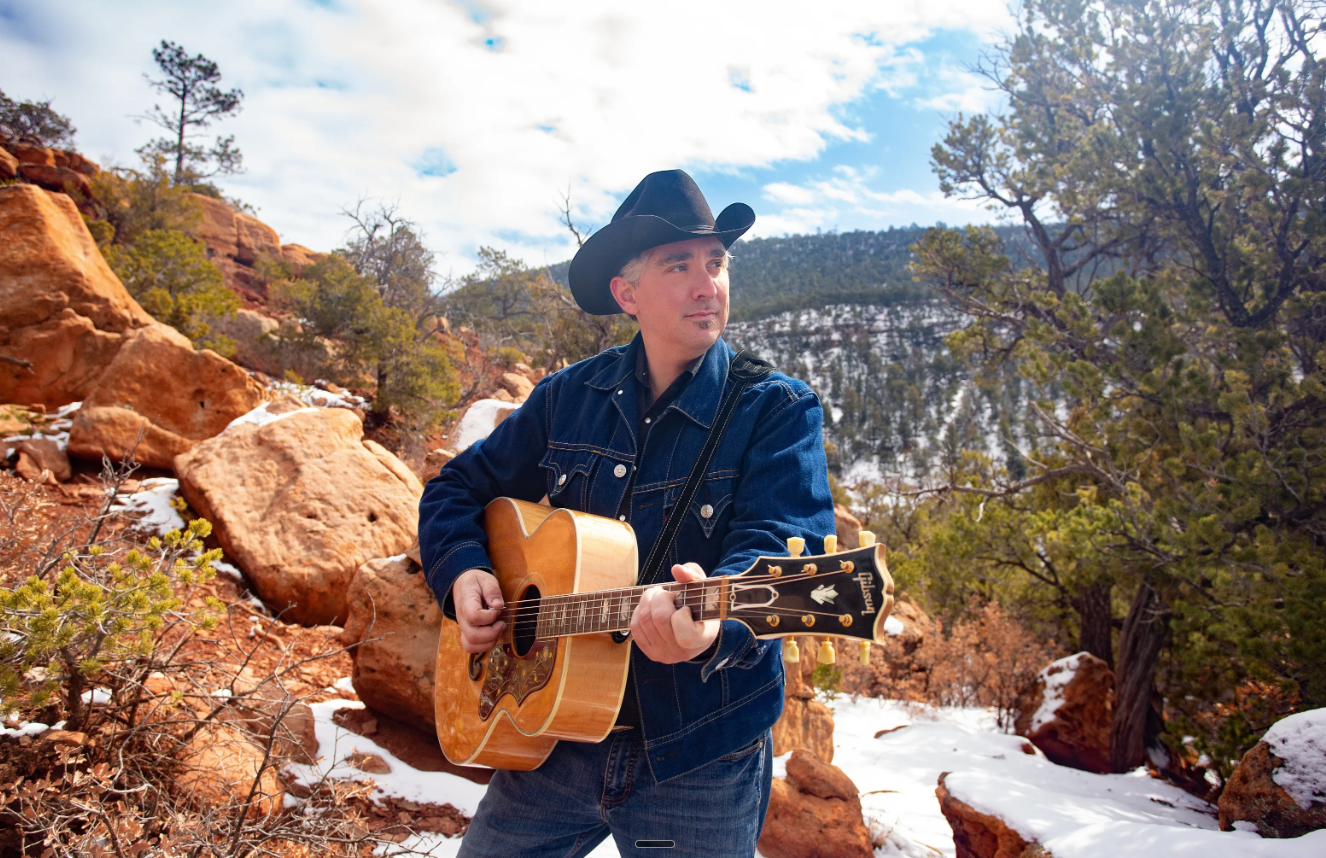
Beau Bedford is a Dallas-based producer, multi-instrumentalist, and songwriter who has become a central figure in the modern Texas roots and Americana scene. He got his start playing in Jonathan Tyler's Northern Lights before founding The Texas Gentlemen, a rotating collective of Dallas players he originally assembled as an all-purpose backing band for singer-songwriters like Leon Bridges and Nikki Lane. Bedford led the group for roughly eight years, recording their 2017 debut TX Jelly at the legendary FAME Studios in Muscle Shoals before stepping away in 2019 to focus on producing. Today he is co-owner and chief engineer at Modern Electric Sound Recorders in Dallas and a member of the Texas based band Chaparelle. Beau is closely associated with Paul Cauthen, having produced Cauthen's debut My Gospel and the Have Mercy EP, along with co-writing several of his songs. His broader credits include Orville Peck (Spotify Singles), Amigo the Devil (Born Against), Wyatt Flores (Welcome to the Plains), and Tanner Usrey and many more.
Category: Music
Music ProducerBeau Bedford Episode Transcript
Episode TranscriptRead / hide
Full episode transcript, auto-generated from the audio and lightly formatted (verbatim, not edited).
Purple in the hide. That's it. Yeah. Yeah.
Well, some people some people just like to let it fall. Yeah. You're like, "How long is this going to last?" Well, yeah.
True. Well, sometimes it goes. Yeah. You know, and then other people slam it shut.
Yeah. Kind of eager beaver. Yeah. But you just did a nice Dang.
I'm on season two. Did we um That's a good deal. Yeah. I can't believe you missed season one.
Yeah. The shock shocking news out of Decar, Texas. Yeah. You haven't watched all of season one.
You know, I'm a lifelong uh Dallas guy. Been in Dallas my whole life. Yeah. Never been to Decatur.
I thought I when you said that, I thought you were talking about the TV show 100%. I'm a I've just been a lifelong Dallas me. I watch it every day. One of my closest friends is actually named Jr.
We, you know, we haven't done a lot of international travel together, but it's always like, who shot JR? He's your friend. So that's how it ended. Somebody shot Jr.
I don't know. You I've never watched the show. Oh, so did you just I know more about the show by going to Europe. They know so much.
They're obsessed. The Germans and the British with the Texas stuff. They're obsessed with the Dallas TV show. Just that show.
David Hasselhoff in Dallas. Well, there was a new version of Dallas that came out. Did you see that? It wasn't great.
I Yeah, I don't want to say too much about it. I worked with the guy who was on the show. No. Yeah.
I don't think it was very good. Okay. Yeah. Okay.
Oh, hold on. Hold on. It's got to be official. Season two.
Season two. Jared Morris vibe. Boatford here. Okay.
Uh, you have to say though, you can't believe that you missed season one. Yeah. I literally cannot believe that I missed season one. Yeah, I see.
Okay. It's like I was about to force you to say it, but you got it out there. That was slick. You got Yeah.
Yeah. You don't force me to do anything. I'm here to just say it like it is. Uh, okay.
I from the bottom of my heart like thank you because I've been a fan of yours and everything that you've worked on for a while. Like I've listened intently and uh for me it's like a I don't get even with like a lot of artists that I do this with or even like writing with different artists and stuff. I don't I think some of it is it takes you a second to just kind of figure out what where what their pulse is, you know? Yeah.
Um but it doesn't happen very often that I'm like oh damn, that's the guy. But when it does happen, it's typically with like engineers and producers. Cool. Because like I don't I just have such an a respect for it.
I don't think it's like something that I inherently I definitely don't have the technical components figured out. So I'm not Yeah, I'm sure people would say that I do, but you know, as far as actually how anything works, I'm like I don't you know, there's engineers that, you know, know how to solder and like could tell you how a compressor actually works. I'm just like, I know when I turn this big knob up, things start sounding pretty good, you know, or it sounds a certain way, I guess. So, might make me feel a certain way.
Yeah. Yeah. Um, it started for me with um I can't remember how they actually say the album title, but dude, look at this now. What a genius.
Yeah. Black podcast with the corgi. Yeah, dude. You're ready for date night now.
That's right. Uh, that was my date, I think. Yeah. Um, that's how long they last, dude.
It started for me. I can't remember how they say it, but L Astronaut or Astron. Oh, L Astronaut. Quaker City Nighthawks.
Yeah. And, um, Beat the Machine was like, wow. I just listened to that song so much. And that band in ways kind of came out of like obscurity for me because I was into like some of the underground like Texas stuff.
Yeah. And then they like snuck in there somewhere and I heard that song and like the way that you get into the groove. Um I guess it's like at the top of the chorus. Mhm.
Beat the drums come in sort of or uh maybe verse two. No, no, it's the top of the chorus like maybe just a shaker comes in. Yeah. Whoa.
Yeah. Get what you need. And then the top of the second verse, the groove comes in and then and then like the fill going into it and you kind of like flip the beat on itself in a way and it was just I it was just great. Like first time I heard it I was like gosh this is awesome.
So that was a time in my life where I was not nearly as in tune with producers, engineers and all that. And so I it's just interesting as you grow and then you start figuring out some of the people that worked on all this obscure music that you always liked and it all seemed to be unrelated and then you find out the people that worked on it and then there's all these commonalities and you're like no way. We like to think we're so eclectic but well man I'm glad you bring you're bringing that up. I mean, that was one of my favorite albums, you know, as I was really learning.
I'm I don't know. I'm still learning what a producer is. But, you know, I had known the guys in Quaker City for years, probably a decade before we did that album from being in Fort Worth. And Dave Matsler, who wrote that song, um had this killer band called the Black Bonnets, okay, in Fort Worth.
And um he's just like a master at writing these blues rock songs. You know, a white guy writing blues songs is such like a cool anomaly. And you know, they've really inhabited, you know, the lyrical space. And that song's really a protest song.
It's like a war protest song. Beat the machine. Is it weird that I still haven't really listened to the lyrics? Oh, no.
I'm a music first person, too. you know, I music always comes first and as I've been more of a, you know, found my way in songwriting, I've, you know, found, you know, the lyrical side just entrancing. But at the end of the day, like I'm, you know, when I hear a track first that's like vibe, groove, tone, all that stuff. Just like if it has that, now I'm in.
you know, it's hard for me to just get into a acoustic and, you know, vocal song. Um, but yeah, that song is I mean, I'm glad I'm glad you pointed out. It's a legendary track. If you haven't listened to it out there, it's a definitely like a um if you like Texas music, you know, it's like a seinal track.
Yeah. But it might be funny if it when the Texas thing is interesting cuz like a lot of people would probably think of like if you just said like what's quintessentially Texas they're like Cody Johnson and George Straight but like then you go listen to a track like that and you it doesn't sound anything like that. And then even record the approach of the recording and the production is way it's got that rootsy room like a very roomy thing very performance-based and like the recording style which is stuff that I've grown to love more. Yeah.
Yeah. Which I'm curious how you it does seem like you even stuff that you've produced that might seem a little slicker. Yeah. Um maybe a little more pop oriented.
M I've always I've noticed they all like still have these elements of like a performative element to it. Um and maybe even like you sneak in some roomy elements, some like room mking in there where it always ends up even if it is like a slick pop thing, it still has this element of like I don't know like vintage recording style. Yeah. Well, I own a I mean I was before I was a full-time producer, I was a guitar junkie.
So if I got a hundred bucks, I'd go buy a $100 worth of guitar knickknacks and pedals. And okay, it started kind of like that and then as I, you know, got into the, you know, recorded music side of things, I was just constantly obsessed with old gear and equipment. And so I've a big part of my sound is, you know, old preamps, old compressors, old microphones. And then I've got um a studio I've been in now for 12 years.
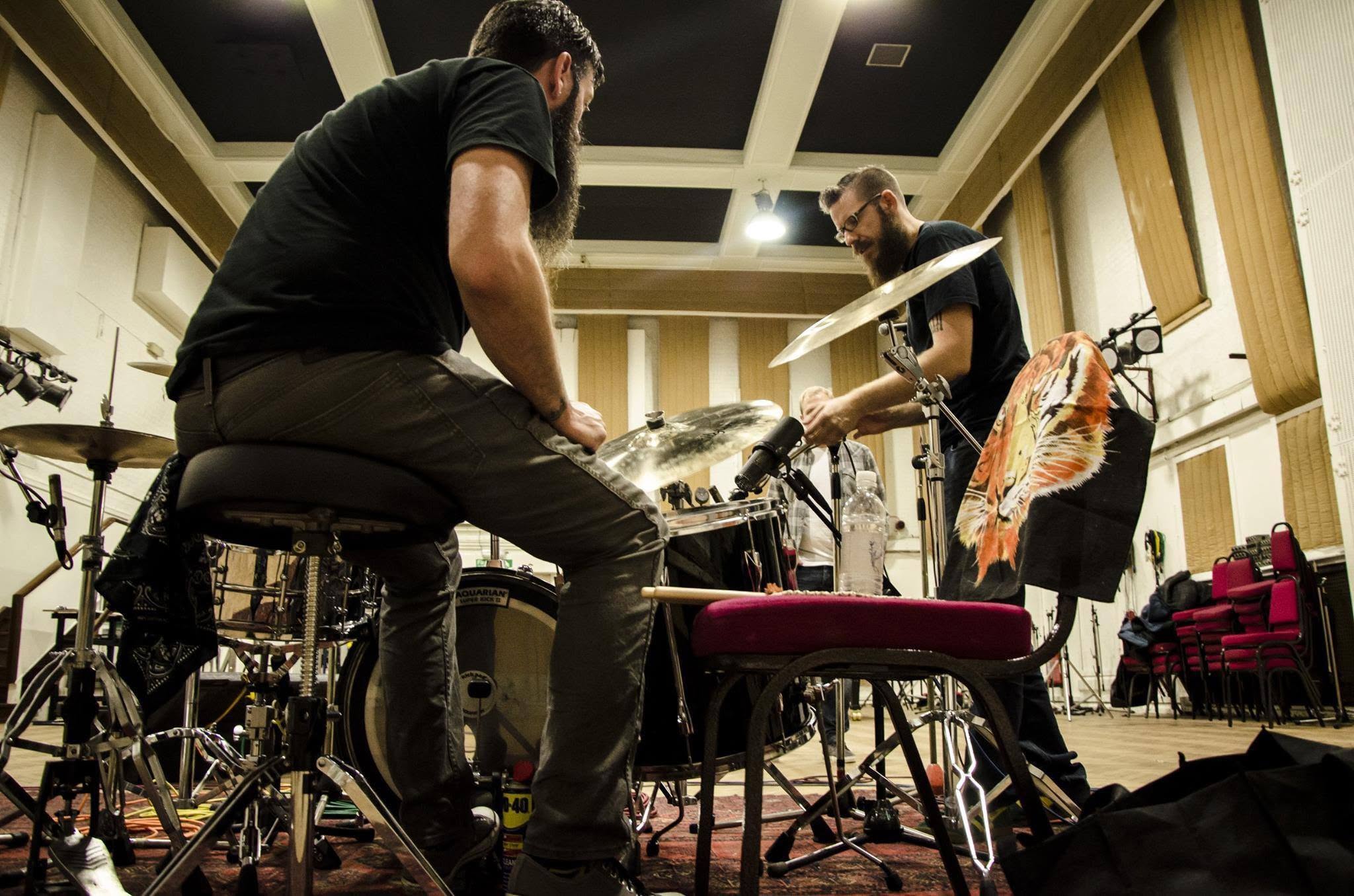
I did l astronaut there called Modern Electric Sound Recorders. And it's a killer live room. And it's it was built by um or has roots from like the old Memphis styled like construction techniques and built the I think the studio was built in ' 66 and um my studio partner found it on Craigslist and invited me to go check out this space. I went in there and I was like whoa.
It was already Yeah, it was it was a studio. It had you know What kind of gear did they have already? Nothing. It was like empty when we got in there and I think hip-hop artists had um been in there before we moved our stuff in, but yeah, it's a legendary spot and the live room is amazing.
And yeah, I mean, you put a microphone, you know, against a window in that room facing away from the band and it does a does an amazing sound, you know, and all sorts of tricks you can use to get the room sound. Sure. But um I mean you don't have to put quotes around tricks. I don't know.
They're not tricks. Like they and they're getting lost too. Yeah. I It's not They're just not as common.
You know, it's in today's age, it's easy to my stuff. That probably sounds a little slicker is probably because it's me doing everything by myself. I did a lot of that during COVID. Okay.
and um you know and yeah there's not a band in the room when I'm doing that you know and I do enjoy doing all the things myself but there is really something magic working with other musicians in the live room especially in bands and um getting that you know cohesive but separate sound you know a bunch of different humans doing their own thing and you know doing things the right way, but being a really human way that's just totally unique to them. You know, something magic happens. I don't even know what it is. I'm just like sometimes I'll be there behind the control room and just be like, "Whoa, I'll never forget this moment that's happening right now.
" You know, you like all you need is ears to be able to experience moments like that. You know, I'd be curious what you think about this theory. Come on. Don't be afraid to tell me.
It's just dumb. Okay. Uh, but tell me your I want to hear your thoughts on it. I think music that stands the test of time.
Um, or let me let me start it the other way. I think music that is captured in an era that is defined by an era that doesn't technically stand the test of time. It just is a nostalgic piece for people that grew up. They were young when it happened.
Some of that music that doesn't stand the test of time is music that only takes you back to where you were when you first heard it. But music that stands the test of time is music that takes you back to where they were when they recorded it and also back to where you were when you first heard it. Yeah, I don't disagree with that. I think like What do you think it means?
Well, I'll get I'll put my own spin on that, which is, you know, we and I try and tell artists this all the time. We have no idea how our music's going to be treated in the grand scope of things. We are really early on in recorded music. Recorded music's been happening for hundred years.
the economization of making a living as a folk artist, which out, you know, I'm using the term folk artist. Anything outside of classical music is like essentially folk art and pop popular music. Like this economy has only existed for 100 years. You know, we have no idea what's going to last, what's going to be around in 50 years or in a 100 years and what's going to be celebrated.
And we might really be surprised at um what comes around. You know, there's great authors who had these incredible literary personal lives and careers and were never known in their lifetime. They sat in a drawer, you know, or set in a chest and they died and their spouse or their family found it and put it out. and we get these amazing literary artists that were never even celebrated.
And I think that could so easily happen in music. Um, and well, with the way how cheap it is to distribute stuff now. Yeah. Well, there's a lot of stuff out there and you know, I think a lot of the things that we have that you and I know um in the music we celebrate, you know, could be I don't know, let's say like Tom Petty or JJ Kale, you know, this is stuff that's been, you know, it was recorded, it went on to labels that continued on and existed.
you know, David Guffins signed JJ Kill. So, we like that music gets uploaded to Spotify is in the algorithms is like there for like kids to find it. Okay. An old artist that they would have never heard about where there's a lot of bands who made a lot of great music, same era, 60s,7s, 80s, and they weren't on label.
like their labels might have gotten bought up by, you know, some estate buying private equity stuff. And it goes and sits basically in a vault. They don't even know that they have it unless there's somebody like you or me that's like, "Oh, we need to like show everybody this, you know, music that's been buried and we try and get it re-released and put on DSPs." So, yeah, that's interesting.
It's really It's so fascinating. Do you think there's a business in that? Sure. like digging into like the trying to find old artists and then buy their old catalog and then A light in the attic does that, you know, and they've um or uh David Burn just bought all of Terry Allen's catalog, you know, and it's getting re-released and, you know, everything from Wares Love on everything.
And you know, it's cool to see, you know, artists find things that they love, use their platform, like buy it up, and then re-release it so that we can find it out, you know, find out about an artist we might not have known about. And um yeah, and I'm I don't know, there's probably some great stuff that's going to disappear into the ether. Um well shoot just songwriting like as long as I've been going out to Nashville I haven't been going out there super long but just going out there and writing I'm already getting that feeling of okay you going to write something and you're like what's actually going to come of this? Even if we write an absolute smash today what's the plan?
What are we doing guys? You know and so I've gotten way more interested in just writing into production. You know, I think it's necessary to stretch your songwriting ability and just sit down with an acoustic guitar or a piano and just come up with something great on its own, lyrics, composition. Um, and then go through the process of then turning that into a full track.
But I it seems like to me when you do that enough, you quick you start to realize, okay, I think I could probably just put some tracks together. I could create the vibe and then just write into I'm not really that worried about becoming inspired and writing a I've written enough songs now. I could just write it in the moment. So like let's just get this thing going cuz it's just such a journey to like okay now we just spent a month writing this thing now we like where are we going to record we do a demo you know I know I'm saying stuff that you already know but it's like can we just get rid of some of these steps and so I've definitely grown more towards uh even writing with you know producers and players too.
That's something that I feel like it's kind of been lost in Nashville. I thought it's always been backwards where you write the song with a couple other songwriters who are all kind of not great musicians. Uh, and then you cut a demo together, all pretty bad musicians, and then we're going to like book studio time with the best studio with the best players and then they're going to copy this demo that all of us bad musicians made. I feel like we're doing this kind of backwards, right?
Like, shouldn't some of the great players be a part of the actual composition of this thing? So, I'm trying to It can definitely make your demos better. That's for sure. Oh, yeah.
And make the song better? I mean, and make the melody better, especially if you're writing into that where if they're like, "Whoa, whoa, what if we went here instead?" It's like automatically going to change the melody. Makes it more interesting.
Yeah. Um, but that's sort of gotten lost. Even when I bring that up to players in Nashville, they're like, "Oh, I'm not a writer." Like almost they've been like beat over they've been browbe with it.
Yeah. What do you mean you're not a writer? You're an incredible music. You mean like in the writer's room, you couldn't be like, "Oh, what if we went to the three here instead?"
Yeah. Yeah. You're a writer. What?
I don't know. But it's almost like they've been abused or something. Yeah. Yeah.
That's You stay You stay in your category over there. You know, that kind of thing. Yeah. No, I've been really lucky.
I mean, you know, I a huge part of anything that I've ever gotten to do is because of my collaboration with not just great singers and artists, but the musicians that I work with. And um yeah, it is really interesting like on the demo side of things, you know, that's part that's a huge part of my job when I'm like writing in a room with an artist is, you know, I'm the producer. you know, I get to I can just start making a track right away. And uh it only gets amplified when there is a killer musician in the room, too.
Some of these artists are amazing musicians, you know. Um so, yeah, the demo gets helped by that. But I don't know, back in the day there was um like when Willie was in Nashville, he literally I mean he would go cut like 20 songs in a day with like the most amazing band at RCA before he would get to uh you know at that time I think he was working with Chad Atkins and before the songs would go to Chad he would cut with these amazing Nashville bands all of his demos and some of those recordings still exist. are called like the Pam demos or something and they sound so they're better than the Chad Atkins recordings.
They're way better than the in my opinion of like the final thing cuz why do you think so? I don't know. I think Chad was like such a he's such an amazing artist in himself, but you know, he was trying to def like differentiate Willie sound and Willie, you know, he'd get with these, you know, amazing session musicians and like I don't think he was like over coaching. It was just like here's a great song and they were just like leaning into it and playing it and you can listen to some of that stuff and it's like really early Willie stuff but it's so inspired.
It's a it's really incredible things. I mean this is long before we had the braids and you know in the beard. Um, yeah, I, you know, he's such a special artist and it was cool discovering that stuff and finding like, you know, him working with these session musicians without a producer in the room and just what they came up with is some Nashville legendary you know? And um, how do how do you think being a producer what your perception of what that was when you were first getting going?
How do you think that's changed over the years? Um, I don't know. You know, when I when I first got my very first production credits, I didn't even know what a producer was. I was just making demos um with one of my at the time he was one of my really good friends, J.
R. Densen. J. R.
has gone on to um you know, at that time he was an artist and songwriter. He's now a manager, an entrepreneur. He was my manager for years. Um, but when I was a teenager, he had an album come out and he listed me as a producer on like these songs that my demos made the record.
And I was like, what's a producer? You know, I didn't even know. And um, you know, I kind of live by the simple rule. You know, producer is just someone that helps an artist get a song done.
And that can happen in so many different ways. Um, you know, and I feel like personally I can, you know, I can connect you with the studio and with the band and I can also play the instruments and I can engineer it and I can mix it and I'll get it connected with a mixer, you know. And then on the major label things, it's like dealing with ANR people and everybody or their management. Everybody has an opinion about what should be.
And um you know, a producer has to wear so many different hats. And uh or sometimes if I'm working with a band, it's like I'm just like kind of the band counselor, you know, I'm the guy that, you know, nobody can really get mad at, you know, as we're making decisions. you know, it's, you know, it's hard to be in a band. or you could be the guy that everybody gangs up on.
Yeah. Sure. And I'm fine with that, too. You know, um, but I don't, I think the producer, it's a really broad role.
And, um, a lot of people have, you know, their niche and the way they feel and look at themselves as a producer. For me, I just look at myself as a collaborator. And, um, so all my records sound different. And I don't have I don't lord over an album or an artist and try and get them into my sound.
I try and get into their world and their sound and maximize what them the artist sound and feel like in this moment. And uh seems like such a kind of newer way of doing it though cuz the old seems like the old school way of being a producer was very orchestrated. Yeah. Yeah.
Conductorish. Well, sometimes that's what an artist wants. You know, sometimes I'm working with somebody who, you know, doesn't, you know, isn't involved wants to be involved like that and they're like, I love what you do. Just go do it.
And that's a fun moment. You know, I get to be creative, but I still I'm like so sensitive to the artist and what their world looks like. And you know, for better or worse, you know, I'm I want um you know, I want the artist to be involved in a part of it. And um you know, I Yeah, sure.
It's I want to be proud of what I've done, but none of it works if the artist doesn't believe in the music. So, do you find yourself often times having to maybe do things that in the moment you don't your taste doesn't love it, but you are you are trying to fulfill their taste. Yeah. And then you have to back away and say, "Wait, hold on.
This isn't like what I want. I'm trying to get what they want." I'm always like in it. Like if you get in the studio with me, I'm like, uh, it doesn't matter what the style of music is.
Like I'm selling out into an artist's world for myself and like, you know, getting on the level and finding their world and their voice. Um, you know, the older I get, the less of a critic I am of any style or genre of music. You know, when I was younger, I remember, you know, I don't know if you were this way or not, but like Nickelback was like a punchline. Yeah.
To like pop music, you know, and uh you know, and now like I look at it and I'm like, man, that is really great songwriting, you know. That's really funny you say that one specifically because I just watched one of their whole concerts the other day. How was it? I Okay.
Nostalgic. Were you like, "Oh my god, I No. No. because I was in I don't remember what age I was, but I didn't like it back then.
Yeah. Um I can appreciate elements of it now. Yeah. I've also gotten more interested in like heavier sounding music, too.
I just did not like that growing up at all. Any heavily distorted, anything crunchy, just didn't like it. Yeah. Besides some punk stuff.
Um but even there, I liked it was like rootsy punk stuff. Like it wasn't overly distorted or anything like that. So, and I've grown to appreciate his voice more and then like his Yeah. his songwriting ability.
Songwriting is amazing now, you know. So, I watched the whole concert, could appreciate it and liked parts of it and then there was other elements of it that I'm like, "All right, this is a little corny, but whatever. " Uh, but I understand why people like it, too. You know, pop music can, you know, there's always a corny element in pop music.
you know, something that's for everyone is like always rife, you know, for criticism. You're going to have half the people love it and half the people will hate it. And, you know, it's not right or wrong. It just is what it is, you know, and that works all the way from classical music to popular music to like, you know, anything that's happening in our culture down to our politics, you know what I Well, and like most things in my life, the longer I do things or try to do things well, no matter kind of what it is, you just fail at it so much that it humbles you.
Yeah. Um to a point that Yeah. you start to become way more open-minded and just Yeah. You just I don't know if confidence isn't the right word, but yeah, you just become less arrogant in your own opinions because you just been humbled so much.
So like music specifically when I first started you like get relatively good at certain things and then think that you're pretty slick and then as you go on you get so humbled and you as you go further you're like man I'm terrible and like this isn't how I wanted to be and you keep going and keep going and then you look back on your younger self and just go what a douchebag like you were so bad back then but you were and then now I'm way more open to so many different styles of music and stuff and I can watch somebody be great at something that I don't particularly like and just be like, well shoot, I couldn't do that and they're awesome, you know, even though I don't even like it and I'm just like, oh, cuz I'm just so almost beat down in a way, like in a good way. Yeah. You know, I mean, I think Well, I can definitely relate to that. I'm like uh know that I there's so many things where like I'm working in a genre a lot over the last 10 years of my life, Americana music, you know, but dude, I love like I love black music.
I love uh I love jazz. I love classical music. And you know, I feel like such a like child of a player when I compare myself to a lot of the music I love or like even today like, you know, going to go see things and I'm just like, whoa, you know, these guys are such incredible musicians. And but in that humbleness and in discovering, you know, what your capabilities or talents are, it's like you realize you don't Yeah.
You don't have to be like some master Jedi shredder to like convey something important or make like a contribution to like our you know cultural art and sound. Um, speaking specifically of music, you know, and I, um, you know, I think the great stuff that comes from everybody, whether you're one of the greatest musicians of all time down to somebody who can play only three chords, just comes down to like, does it come from the heart? Is it genuine? Is it um, did you experience something real?
And are you conveying that through your you know art and um yeah but I can definitely relate to the uh wow I am I am only so good at this. I'm such like a I am just a middle of the road white guy you know playing guitar or keys or but then there's always somebody looking at you. Yeah. you know, because I'm like I'm like listening to stuff that you've been a part of and I'm like, "Wow, that's so cool.
" Like I could just, you know, and so I'm sitting there saying the same and there's probably somebody looking at me going, "Wow, I could never do what he does." It's like this constant digression, a cycle of Yeah. Well, I the only thing I know I can do well is like be myself and like let out my what I really like and my tastes out as authentically as possible. That no one else can do.
Yeah. And so I just try to lean into that as much as I can. That's all that matters. Yeah.
You know, you know, and then for I would say on my end, you know, being a producer, you know, it's like I can, you know, I can only take so much credit for anything I've gotten to work with, you know, that's the people that whether it's the artist or the, you know, engineer or the session musicians. I mean, they make they make me look and sound really good. You know, I get it. But you have to be able to develop those relationships and clearly people have to have a certain level of respect for you to even want to work with you.
And then you have enough of a track record where it's like you take people that are maybe haven't found their thing yet or found that definable thing about themselves and then like help them pull that out and then really create something special and unique out of it. That's what I've noticed with you for sure. Which makes you so that's why you've had success too. makes you so different than your kind of run-of-the-mill producer type that's just working at a studio and they're like, "We'll put something together for you.
It'll sound great." Like, yeah, here's a new tune. Yeah. Whatever that even means.
Yeah. They can put a track together and they know how to like make something, but what is this? I've never felt like there's like rules to any of this. And I think that's been a, you know, both a blessing and a curse in like what I do.
I'm sure it's, you know, put, you know, there's some like producers that are, they know exactly what's working in the economy and they're like, "Okay, we're going to make these kinds of sounds. This is like, you know, you know, EDMs, this huge thing and it sounds so good and like, you know, let's mix it with like country music and let's get this big hook and it's a really great smart way to like, you know, look at music." um not just as a business, but you know, as like creating new things. But for me, I've never been able to look at it like that.
I'm always like, "Oh, let's get the song. Man, this you just played this song for me on the guitar and you're singing it a certain way." I think, "This is such a cool vibe." you know, we should do this broken down thing with it or we should, you know, I've just like never had any rules about what is country or Americana um or popular.
And I've just been really blessed to be able to like chase, I guess, for lack of a better, you know, word, just chase the light, you know, and follow like what feels good. And um but you have a pretty good pulse on what is popular and what is working. That's cool that you think that. I have no idea.
Really? I have no idea. Yeah. I you know there's so many people that have such like bigger hits.
Okay. Prime example. Okay. Uh is on Wyatt Flores's record.
I think it's his newest one. Yeah. The you only did one with him, correct? I did.
I guess he only has one full album, right? I did his debut album. That's right. Okay.
So, I don't know the name of the song, but see if I can pull it out. So, like probably a year and a half ago, the guy that I work with, we have a home studio and stuff and that's like I've cut all my stuff kind of in home studios and we mix it ourselves and all that. So, it's just like guerilla warfare, you know? We're just like in there trying to make it happen.
And uh but I was on to this whole like I've listened to some like Latin music and like you know uh like Latin hiphop and uh you like obviously like Bad Bunny's massive and all that kind of stuff but uh I was like man obviously like within like a train beat you know you can do the cat c your Latin groove like or whatever a bossa or something I don't even know what that's called. So, but like most of all your uh Uhhuh. is like in that is in that Latin world. And so me and Wyatt were like goofing around on some songs and I kind of had these that could be train beat folky style songs and then he started kind of adding that little flare to it.
And I have a little side project that I've been putting stuff out on that's like this folk pop project. And one of these songs actually ended up on that project and it had this little groove like that, right? But it kind of sounds like the old Avichi pop punk thing but Yeah. Yeah.
You want to bounce when you hear it, you know? Yeah. But it's it's never been done within like the country format. Yeah.
Ever. I've never heard the groove one time. So couple years ago I was like dude I really think if uh I was like I feel like that could be a flavor that's put in the whole world loves it right now and it's in all this world music and it's for sure like Latin music is massive right now and I was like you know I feel like that needs to be used utilized somewhere and then that record came out and like the single off of it. Y'all did a groove like that on it.
I'm trying to think of what the name of the song Yeah. Show me the song. Well, and I looked at Wyatt. We were like going to lunch one day and I go and I didn't realize you were you had produced that record.
Yeah. And I looked at Wyatt and I was like, I freaking knew it, dude. I go, I freaking knew it, man. And he was like, dude, you were freaking spot on.
Well, that's a that was such a fun record. Why you looked this up? That was such a fun record to do because um the guy who is Oh, it's got to be Didn't it Please don't go. I don't think so.
Oh, that's not it. Yeah. Uh, well, dude, it's on that record. Well, he I thought it was a single off of it.
It might not have been I don't know. Halfife. That was the name of the album, right? Uh, it was Welcome to the Plains.
Oh, okay. But, oh, there we go. That was such a fun album. The guy who anrrred that album is a DFW guy, a Austin Jenkins.
Oh, I know. and Austin was part of the Leon Bridges crew. Um, you know, that kind of had that come up as LB had his debut album come out and Austin's like really had some great success and you know, just shephering artist and um he signed Wyatt to uh Ism Records. Okay.
and uh got us connected and just instantly when I heard Wyatt's voice I was like dude this guy has a really special voice and delivery. He's like he means it when he sings it. And um but that album was amazing. We I would say like aside from the vocals, I mean everything's cut live in the room.
You kind of you can hear it on the record and or on the throughout the whole album. And it's a we had a really special crew and it's a bold move at that level. I can't I don't I'll send it to you. But um it's a bold move.
I'm you know I'm always like shocked when I'm working on a you know a bigger label thing and they're like no go do your thing and uh we love what's happening. And I think, you know, that album is a great example of, you know, I don't know how it's doing right now, but I know that album's going to last and it's going to be something people come back to in 10, 20 years and are just like, whoa, this like is so captured in this moment and um you know, there's real inspiration and you know, the things that feel exciting. were so exciting to us in the moment, you know, were electrifying actually. We were just like, woo, like, you know, getting pumped in the studio and we would have the whole studio band in the room with Wyatt like, you know, at the end of days and be playing back what we did and just, you know, just in shock of like what we pulled off that day, you know, and um really sweet moments.
I mean, that's the stuff I live for as a producer. And you know again like I'm not in control of if the world and the audience is in tune with it in the moment. You know that's you know somebody else's job. That's a marketing person's job.
Yeah. You got to like it first for yourself. My job is like to make sure that the artist and myself are like humming, you know, and feeling it. And um you ever get the feeling um after it's out and people will ask you like, "Oh man, that must be so cool to see people's reaction and uh it seems like people that are more on the creative front end of stuff."
You like the admiration and maybe the attention that comes from it, but it just doesn't feel nearly as good as like actually doing it and in the moment, the creation of it. And I have people sometimes like even family they'll just be like when they ask me about how it's do how's the music doing and I'm a little detached from it. I'm like yeah you know or it's doing really well. I feel that a thousand% but they think it's weird.
They don't understand it. And they'll be like well you need to be happy about it. I'm like I'm not that happy right now cuz I'm not doing it right now. Maybe that's it.
Yeah. Cuz I tell them I'm like well you didn't see me. you weren't there in the moment when I came up with the idea or I like had the thing or it finally worked. I was elated in that moment.
So excited and nobody had heard it yet. Yeah. So I don't know if that's a byproduct of being bored with it or if it's truly just you just like the creative process more than the actual attention that comes from. Yeah.
I'm defin I know you know I'm 42 now. I know I'm not like here for the accolades, you know, and I'm literally just doing it cuz like I can't help it. Nothing else makes me happy. And you know, I would anybody that wants to do music, I'd be like, that better be a reason cuz the, you know, the money is not that great.
I mean, like it is. And she's drinking a little water. I put her face in it. She does.
A, by the way, this is little Doy. This is Doy. Uh, as Margot Price dubbed her, Dotty by nature. A um or uh what's some of her other great She's got the Dy Llama is mine for her.
But she's a little Zen character and she's always in the studio with me. I travel with her and um yeah, I know why artists that come back want to work with me again. I know what the real reason is. The Dy Llama.
It's the It's Yeah, this little guru sitting next to me who pretty much does nothing but beg for food. Daughter bubblegum. Yeah. I mean, come on.
Nicknames, dude. Why else do you have a dog other than nicknames? Yeah, it's insane. Well, all these came later, you I adopted.
She was my sister's dog. Wow. Thank you. Hey, can you snag me one of those NAS, please?
Wow. Wow. This is so fun. I said I was a beverage guy in here before we got going.
Now I got I got four. I'm bad. So, I'm feeling I'm feeling my full diner self right now. Oh, I do the same thing.
A breakfast. I'm like I'm a nightmare. Yeah. I'm a I like a coffee, a water, a Bloody Mary, an orange juice.
If it's fresh squeezed has to be actually I'll go grapefruit juice but few places have that. I'm an old guy. To topo grapefruit juice. I'm an old man now.
I I get frustrated with myself sometimes cuz I want all the beverages but orange juice and coffee pisses me off. Like what do you mean like you don't like them together? Gosh, I frustrate myself every time. Like you'll do it and then be like why did I do this?
Every time I go to a breakfast joint, I tell I Well, you got to do the orange juice first and then start drinking the coffee. That's hilarious. The last time I Well, not this morning, but last time I went to breakfast, I got I sat down immediately and I go, I'll take an orange juice and a coffee and a water. Yeah.
And she brings them out and then I slammed the orange juice first. Uh hated my first couple sips of coffee. Yeah, you got to do some water. You got to clean the palette.
Yeah. I'm not terribly bright, so But I'm Are you a black coffee person? 100%. Yeah, me too.
Just drink it black. Why did that start? I don't I've always wondered like I've never been into like cream in my coffee. Yeah.
And you know, I'll get a latte or a cappuccino every now and then. I'm like, "Oh, wow. This you know, pretty good. It's amazing."
But you know, when it comes to drip coffee, I'm like, "No, I will not do that." Yeah. Yeah. Yeah.
I'm almost a little offended when they ask. Yeah. You want cream in it? No.
I think it's probably just cuz we got, you know, the guys that raised us or something or we were around. It's like such old cowboy culture that like somehow made its way down to me. I'm such a city. You just have to drink it black or you're soft or something.
I don't know. I love I like truck stop coffee. I like being on the road and like getting coffee from loves. Yeah.
Like I've been trying to work it into a song somewhere where I can talk about just like a shitty cup of gas station coffee. Um or like where somebody offers me like a nice Cheers, dude. Yeah. Cheers.
Uh, somebody offers like a nice fancy coffee and I'm like, you know what? No, I'm just going to go to the gas station. I just want my bad gas station coffee. Yeah, me too.
I don't know why. Me, too. Well, I like being on the road and it's such a companion, you know, whether I'm driving by myself or I'm with a crew. Like, it's it's such a it's nostalgic for me.
I'm addicted to convenience stores. Yeah. I just What's your favorite convenience store purchase? A coffee aside from a coffee.
Yeah. Uh um I do like knickknacks occasionally. Um or like a like a Navajo. I don't know why.
Oh yeah. Like I always buy those stupid jackets that aren't great and they suck and they're just itchy and terrible and I just buy them all the time. Yeah. You're like, "Oh, this looks cool."
Socks. Wow. I've never gotten socks at a travel stop. I like to get socks.
They always have a great sock collection. Yeah. or the good ones. I like I love a fresh pair of socks.
There's no way to treat yourself better. Getting the right elasticity, the right cotton feel. Cuz when socks get a little old, they're just not that fun to put on. No, they're they fight you a little bit.
How big's your sock drawer? Dude, I got socks everywhere. Just socks everywhere. Yeah.
Yeah, I do, too. Then I wear my wife's socks and they're too small. I try and like throw them out like once a year like I haven't worn these and like you know my and my the drawers it's just like it's like they're procreating it. They're just like I don't know.
Well, I can tell you that they are because it's happening at my place too. Okay. You know, it's an epidemic. Yeah.
They're like there's a chance that our cockroach of clothes, you know. I don't know. But then your favorite pair of socks, you never have a matching pair. You're like, "What?
What happened? What happened to these? What happened to the left?" Or I don't know.
I guess there's not left or right. What happened to the other sock here? Yeah, I was going to say, "Dude, you got problems. " If you got left and right socks, I know that would be the thing, dude.
That would be it. No, no. This one's for my That's how you really know you're like an engineer. I'm so not I'm like so not detailed in that way.
I love working with great engineers because they're like, you know, they'll keep you on the railroad tracks, but I mean, make no mistake, they are struggling to figure out what the point of any of it is. Yeah. Right. I don't They're just typically going like, "Okay, oh my god."
My, you know, my favorite engineers to work with are always like one step ahead of me to where I'm like, "Oo, I want to, you know, like, hey, can you get another track set up for, you know, this thing I want to do?" Already did it. Yeah. And I'm like, "Oh my god, I love you.
How are you like part of my brain already?" Yeah. They're the best. Like I've been really privileged to work with some gangsters.
It takes time though, right? Oh my gosh. Yeah. To be an good engineer.
Well, no. To have that connection with him. Yeah. I don't know.
So some There's this guy named uh Philip Smith. Do you need to go to the bathroom? Yeah. You need to go potty.
What do you need to do? Good day. I don't think so. She went She might want to go walk around.
I don't know. Yeah, dude. You can let her down if you want. You want to Doy, are you looking to Booger's friendly?
She gets scared of other dogs. Okay, hold on. Let's let Doy down. Yeah.
You want to go out? You want to walk around? Daddy girl, she's just going to Oh, dot mama. Oh, the daddy line.
Yeah. Let's see. Let's see how the uh Booger gets scared. Well, and Doy's never even acknowledged another dog before.
That's honestly what she would prefer. Yeah, she normally gets chased by dogs. I mean, sometimes when it's a dog she knows and is friendly with, she'll wag her tail at the greeting, but then ignore Gosh, she's 17, dude. Yeah.
Does she kind of like her hunched over like showing off her muscles right now? Yeah. I mean, it's intimidating. Um it uh you know, I do find it to be a fear tactic and I find Yeah.
I find it to be working a little bit even. Yeah. You know. Yeah, this is something she's developed in her older years where she's like it is like a half push-up position.
Oh, hey, check this booger. Give uh Bo, give him a push-up. Yeah. Wow.
Oh, Donnie knows how to do a push. She knows how to do a push-up going down. It's the getting up. She'll No, she'll finish it in like 20 minutes or so.
Dude, that's a freaking big She That's a real push-up. Yeah. Talk about going all the way down. Look, she's planking right now.
Have you se Have you seen spluting? Do you know what that is? That's so close. That's so close to my childhood jokes.
Okay. What? Okay. What's Spluty?
Uh like I don't know why it came about with corgis specifically. I think it's because they have such big butts and then little legs. It just looks particularly funny. But when they lay flat on their stomach and then they've got their feet coming out behind them.
Yeah, that's spluting. They call it a splute. That's really fun. Spluting.
I love language. They just Dude, it's the funniest. And the internet's gotten so funny. Yeah.
Yeah. The economy of words. And if you do one leg, it's a half sploot. Do you document your dog?
You got to send pictures. Okay. You know, how's that? And then you have to like How's that working out for your TikTok?
Uh, well, Tik Tok doesn't love it. You know, I don't know how old you are, but I think we're, you know, they're like these guys. No, no, no, no. We They're not going to help us.
These guys have nothing to add. Dude, the other one that pisses me off, what? The combo thing is those mint chocolates at Olive Garden. What about them?
I hate them. Oh, really? And I get them every time. The Andes.
Gosh, I just hate them. That's at Olive Garden or like a York candy. Yeah, I don't like the York. I dude, but I always get them.
I And then I haven't had I'm so mad and I haven't had an Andes in 20 years, but I remember liking them and I don't know if I do or not. You're telling me I won't. Okay. Gosh.
And I get a toothpick. It's like I'm preempting my bad decision, you know? Yeah. Uh, it's like buying the Gatorade, you know, before you go out for a night of drinking or something and you're like, why am I doing this to myself?
So, I get the toothpick and then I grab the Andes. It's just in your teeth. I haven't been a candy bar person, I don't know, 10 years or something. But the toffee and chocolate bars have been coming back around for me.
The uh Heath bar. Oh, have you ever had a Heath or a score? I've heard of it for sure. S K O R.
No, that one I don't. S K O R. Yeah. Yeah.
I'm not score. That sounds like a I'm not trying to tell anybody that they should do any of this. And I don't remember how it happened. I think I was at a convenience store on the road and I was just like, damn.
I kind of remember a score. Sounds like a metal band, especially with K. Yeah. Yeah.
Swedish metal. Is it Swedish chocolate? I no I don't think so. I honestly have no idea.
But it's really good. Toffee, you know, again, I think I'm turning into an old person, you know, like I want Worthers. I want Worthers and Toffee. Yeah.
Worth toffee and coffee. And toffee and coffee. And coffee. I don't know.
It's kind of fun getting old though. Uh in ways. You don't think so? Yeah.
In ways. I just, you know, we were kind of saying it earlier, like not really caring what people think about you is a freedom and a relief. I heard somebody say the other day that my past is filled with guilt and regret and my future is filled with anxiety and fear and so like the older I get, I just want to be more in the moment like every day, which is a bleak way of looking at it, but there's a lot of truth in that. Yeah.
you know, you can look backwards and you can see a lot of stuff that you probably should have done differently and then you're coming to the reality of growing older and only having so many years left. So, the future at times because of maybe past decisions, the future might look bleak or something. Yeah. You know, when you're young, it's like all you have is the future because you haven't been able to live enough life to maybe even screw up the future.
Yeah. I'm You know what I mean? Not really. Okay.
But I'm an optimist, you know. I was like I born with some like, well, it's all going to be great. But I do like the adage uh you know, every day I get older and grosser. It's pretty simple.
And grosser. Yeah. Well, yeah, that I can't do anything about it. I mean I mean sort of you can buy you can get the new socks, you know.
Um no, I'm an optimist in all of this. like you know I do I do I'm acutely aware of like you know we all I'm 42 I don't know maybe I have 40 summers left you know like I don't that's one of the weirdest mind games to do it's fun to you think about your parents or something and you're like I only have oh my god maybe on average this many Christmases left or something and then in a weird way it doesn't even help no I dude it is I say it all the time that my least fa n I don't know if my least favorite, but one of my least favorite human attributes is the idea that you can't seem to truly appreciate something till you don't have it. You know, I don't And there's And you can consciously sit there and know that you should appreciate something and this moment might never come back, but it's like you just can't quite get to that next layer until it's gone and then you're like, "Dang it. " Yeah.
I don't Or like to really appreciate some like somebody you care about like Yeah. to really appreciate them, you have to think about, well, what do what would I think if they died? Like, isn't that a kind of a sad thing? It's like to really appreciate something, you have to think about it being gone.
I hate that. Like, I don't know if that's just me, but you're doing a good job right now. You know, I'm pretending like I'm your therapist. I'm letting you talk.
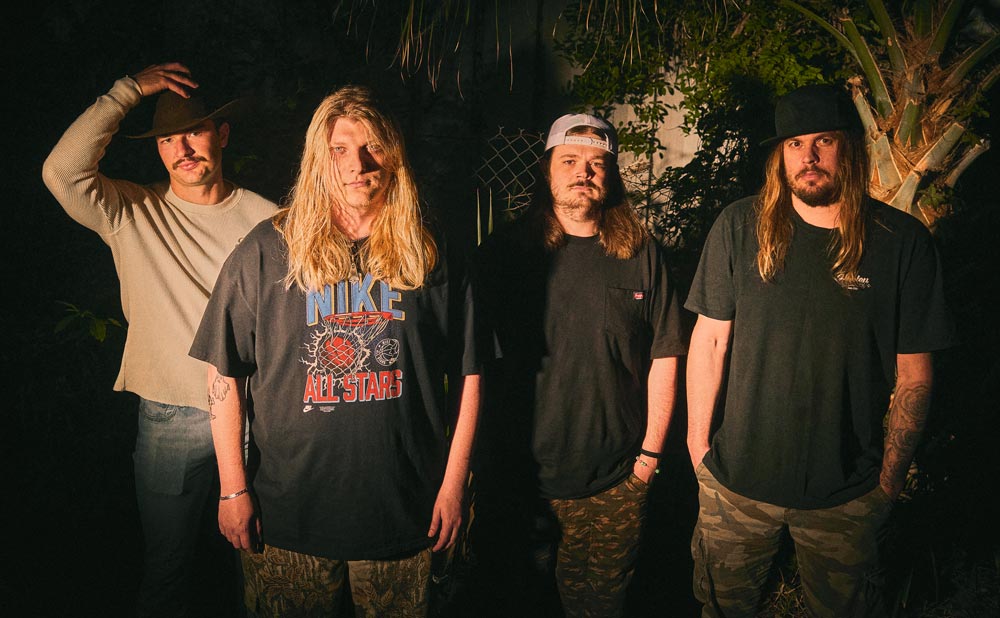
Just let it out. No, I definitely can relate to that. I've had enough loss in my life that I've um you know I'm on tour right now with this band called Chapperel. Um doing the thing I swore I would never do again.
Well, yeah. That's like your project. That is your band. Yeah.
And getting on the road and doing the whole thing. And we haven't had, you know, the moments, the breakout moments that we thought maybe would happen. You never know. You can't plan on that stuff like on the internet or having like one of our big friends like be like, "Hey, come out and open up for us.
" But we've been building this thing and grinding on the road. And it's been I mean, it's been incredible, but it's been small. And you know, so what's been cool about it is we're getting to, you know, a town like Chicago or something, playing our first like headlining show there and like almost selling out a room. Granted, it's only like 200 250 people, dude.
But we're I'm so consciously aware. I've been doing this long enough like this is really this moment is special. if we, you know, blow, if this project blows up and we're doing really big things, I'm not going to forget this moment. And but I think part of that has to do with like, you know, experience and having gone through it.
When I was younger, I didn't know how to appreciate those moments in the same way. Um but the same thing in friendships and um with loved ones. I'm acutely aware of those special moments mainly because you know I've lost people. I've lost a lot of friends.
Okay. So it's like a lot of perspective can I think perspective gives you so much insight into this world and your sense of gratitude. Of course going through those things can also spin it the other way for some people. Some people like, you know, uh, look at the world bitterly, you know, for having lost somebody or things not worked out how they planned it.
Um, but for me, I'm, you know, I'm grateful for where I am and that I get to spend the time doing what I do. Music's such a gift, no matter how hard it is, you know. Um, currently, you know, I'm in a place where it's like, yeah, I make like zero dollars making music right now. And I love it just the same as, you know, when I'm like flush economically from doing music.
And um, you know, I'm just really grateful that I get to do something that I love. And beyond the music sphere, I mean, I think that's just important for anybody to find that in whatever they're doing, you know, and finding that silver lining, that bliss. It's never easy. it never works out how you planned it, you know, and just being grateful that you're either doing something that you love or you're doing it with people that you love.
And if you're not doing one of those two things, you maybe you should reevaluate re-evaluate what you're doing, you know, and get to a place where you're with people that you dig. You know what I mean? Well, again, like I said, I'm I only have 40 summers or so left and I want them to be sweet. I want it to be sweet moments, you know, and um I don't have time for, you know, to try to be negotiating against the machine to get something extra special for myself.
I want to just open the door, walk through it, and you know, and be in a room with people that I can hug everyone. So on the lines of only having 40 summers left and you want to make them as good as possible, what do you do with times that you know you are going through something tough? Do you are you the type that you sit in it and like and really like try to understand it or do you find yourself even like maybe trying to even avoid because if you're an optimist there's obviously times in your life where you've just been sad. Yeah.
And like grieving something or whatever. Do you find yourself having a hard time grieving it because you just want to like be happy so you avoid it or do you find yourself being pretty good at like sitting in it, dealing with it, and then moving on? Yeah, I'm not better or worse than anybody else. I think at I, you know, grief is a really unique, you know, reality that we all have to deal with.
I think in the west we don't really appreciate it or talk about it. Um there's a great book out there called uh the smell of rain on dust and it addresses grief specifically about it being one of the great human things we get to go through because all grief is just a celebration of the thing that we lost that we loved that we lost. Wow. And your grief is equal to the amount of love that you had for that thing.
That thing could be uh you know a dog, an ex, a friend, it could be a mountain, it could be a horse, it can be anything. But if you love it and you lose it, you know, it's your grief should be equal to the love that you had for it. Wow. And that dude, that was profound.
Uh yeah, it was a celebration of you don't but in the moment it doesn't feel like a celebration. Wow. No. And that was something I had to learn, you know, I lost both my parents in my 20s.
Wow. And um it's a big, you know, I was telling my grandmother who lost one of her kids and you know, her daughter-in-law, uh she's still alive. And I was telling her like that one of the greatest gifts my parents gave me was leaving early, you know, because it taught me how to love better. It taught me how to grieve, which is like not something we're really taught in the Western world.
Like especially in the Christian world, they're like, "Oh, you don't really have to. You're going to see them later. Don't worry about it." You know, like let's move on.
Let's go celebrate their life. And you know, of course, do your tears, but we'll see them later. And it's like kind of robbing us of this incredible human experience of like, yeah, it's worth wailing a little bit and letting it out, especially in the manosphere. We don't talk about it, you know, like or don't give it its value or importance, but it's such a huge part of our existence.
You're it's going to happen if you don't die young. It's just you're gonna go through incredible loss and grief and it's better to learn how to do it and through that Yeah. you get this different attitude of gratitude for it all. Yeah.
Instead of just trying to find things to preoccupy your mind and like get over it, if you will, and just keep in the run away from it, you know? Yeah. We love we love alcohol for that. like there's plenty of things whether it's on our cell phone or like you know going out in town or you know I it's so easy to travel today you know it's like you can do all these things to avoid grief but I mean it'll eventually catch up with you and if you haven't dealt with it and like really given its due catch you at a time you weren't expecting it and it can be kind of destructive you know can blow up And you know that I think a lot of the tragedies we experience culturally is from that.
You know, I'm not like a psych, you know, cultural psychologist or anything, but you know, I definitely see a bunch of our, you know, the craziness in our culture. You know, it's like we're not doing everything right to take care of people and to love people, right? And um and I think the this deal with grief is a big thing for us culturally and you know be cool if we talked about it more and experienced it more. Yeah.
Cuz it's difficult to go through a full grieving and experience all those emotions and like get so broken and then on the other end of that still have like deep anger. I find that to be rare. Right. Totally.
Oh. I mean The anger is almost a part of grieving and you work through it. Totally. Totally.
I think it's a big part of it. And there, you know, when you grieve, right? You know, like you get to feel that anger through it, you know, like there's, you know, I've had friends that have taken their own lives and there's real anger that comes from that of like, why did you do this to us? you know, totally and uh but also you know the empathetic side of myself is like no you were really hurting you know and it's important to go through that whole process you know and if you don't you know you can't be walking around with anger or unforgiveness in your heart like you're not going to like you're not making this world a better place by doing that stuff and it doesn't matter how justified you are in your anger or your unforgiveness, you know, it's like it's just going to eat you away, you know, by doing that.
And then you're going to start rubbing off people in a negative way, you know, so wow. I don't even know how we got here. What a mind. Yeah, you're a very you're a fascinating person.
Thanks. Really? Yeah. It's uh Yeah, it's refreshing, too.
you know, you Yeah, because I've really enjoyed your work so much. And so, it's cool to like see actually how your mind works. Oh my god. Well, I'm typically like more interested in the like what gets me interested in somebody initially is what they do.
Sure. But then beyond that, it's more like why they do it, how they do it. It starts to interest me more than the what. The what starts to become kind of boring at some point, you know?
Oh, yeah. if the why is not there and the how is just bleak and I've had a really fun experience. I've been privileged to meet so many people right when I think I'm like I don't have room for one more friend I go and meet like a you know 20 people over the next month. Um, but one thing that I really found really fascinating, I don't know when this started, but I, you know, I just started connecting with people in a way that wasn't based off of what they do.
And there's a handful of friends that I've had where like it'll be like two years and they'll be like, you know, you've never asked me one time what I even do. And I'm like, "Yeah, you know, I just think you're cool. You know, I don't I don't know. Like, what do you do?"
You know, like, "I guess now's a good time to talk about it." And not that I don't care, but it's like, you know, that wasn't the basis of our, you know, uh, friendship. And um we have especially in the west like such a transactional you know economy especially in showbiz if you want to call it that you know in you know Dallas yeah showbiz for sure um you know I go to Los Angeles a lot and that's one of the biggest gripes of people that live there you know is like it feels so transactional and I get there and I'm like I never feel that cuz like I you're probably not projecting I rarely engage in it and I think it's a really fun way to like you know go through it cuz somebody that's might be kind of famous and I don't know who they are like when I don't treat them as like somebody that has a thing or you know for what people usually come to them for is it's refreshing to them you know and like dude we're all just humans you know we all piss and we're all going to die and um except for the leader of North Korea. Yeah.
Oh no. Or the guy from China. He's like he was telling Putin. He's like, "Wow, we're Isn't that crazy how we're gonna live like 200 years?"
Like I don't want to know what this is. Did you hear about this? He was on a hot mic talking to Putin. Okay.
These guys are insane. I love it. And they're like they had some meeting in the state like in China and they're like walking up these carpets and they were just caught on mic talking about like this crazy how like we're going to live till like we're maybe 180. Isn't that wild?
Hot mic. Yeah. And we're all going Yeah. Are you guys doing that?
Do I want to do that? I mean would you want to live to be 180 a buck 80? I guess it just depends on the quality of life. I'm down for it.
But yeah, quality of life. I want my, you know, a priority number one. I want my mind. Sure.
Because that is what makes life, you know, we're the witness. We get to like see our reality and you know that should be part of our gratitude and praise, but also like sense of wonder. But then B having a body that's cooperating with the mind. Oh yeah.
Yeah. Yeah, cuz if the mind's running and you can't even I don't know. There was a lady I forget. I think this was from a Elellanar Roosevelt book that I read called You Learn by Living.
She had a uh a either a woman in her family or somebody her family knew who like had some debilitating disease for her body and she lived like last 30 years of her life bedridden. But she was like everybody's favorite person. you would go to her bed. Oh, and like she was so invested in people and in their lives, you know.
Wow. And that was like fun for her. It was her blessing to receive and her blessing to give, you know. So, you don't have to have your body, but sure.
I like traveling. Yeah. Well, yeah. And that also sounds like a very special person probably.
Yeah. Gifted by God to even be able to deal with something like that. Have joy and happiness through all that. Come on.
It's like supernatural, dude. My studio partner, Jeff. His name is Jeff SS. So, this is Modern Electric.
Modern Electric Sound Recorders. We've been in this place for like 12 years. And y'all are partners on it? Yeah.
Yeah. Okay. I want to say like, you know, I might be my timeline is older I get, gets the worse. But I think it was around like four years ago, three or four years ago, Jeff and I were doing a session one night and um starting a big album.
I had all these guys coming in from Nashville and Jeff was engineering for me at the time. Um he uh you know I started getting calls like at 1 in the morning from like his partner and I end up finding out that he got electrocuted uh through like a uh like a power line went down in the front of his house. Walked outside to see if the power was out in the whole neighborhood. in this power line.
He didn't know it was like in the grass and it conducted to his chest and he was like 200,000 something volts going through his body for like 5 minutes as they were trying to get this line off him without being electrocuted. So it didn't fully dude he was just getting it so it's cooked the way electricity works and none of us obviously knew this at the time but it's going into his body and it's going out his extremities. Yeah. And so because he had a silver belt buckle or something and he had silver on his neck, it didn't go up into his head and it didn't it kind of went down below his waist some like on his backside but it was exiting through his hands and so he um after you know he goes to Parkland Hospital and he's like in the burn unit and oh my but that's burning from the inside out right dude cooking it's so crazy.
But he I mean he's in the ICU for I want to say 4 months. Yeah. Um they have to amputate both of his arms, you know. He's a guitar player, recording engineer, you know.
Dude, it's such a tragedy. And this is after you guys were already partners or Oh, yeah. Okay. Yeah.
This is uh again, you'll have to excuse me. I can't remember the exact timeline, but this is all in this conversation of gratitude. So, he goes through this whole lifealtering, you know, experience that you or I can't even fathom, you know, and he is, dude, he's back at he's driving around, albeit probably illegally with he's got his hook, you know, on the one arm that can barely take a prosthetic. and uh he's driving.
He's engineering and producing again and he's committed to like getting a steel guitar built for him that he can play. He's like so committed to doing all this stuff and then we'll be in the studio and you know, everybody's got going on. Everybody has real life things going on and you know the studio it's a place where you know it's an extension of our therapy zone. We're all letting it out all the time and we'll be around Jeff, whoever it is, like but man, it's nothing compared to what you've gone through.
And Jeff will go out of his way and be like, "Dude, your experience is just on the exact same level and just as important as what I went through my tragedy." And, you know, he has a real sense of gratitude for being alive still, you know, getting to see his kid um and being a light to his community. And it's so inspiring, dude. And it's like, you know, you can lose both your arms and find joy, you know, in the minutia still.
It's like, dude, you know, yours is the world. Um, and you know, so being around people like that is really inspiring and yeah, dude, you know what I mean? Surreal. Crazy.
What a crazy the things that can happen in life, you know, not take any of those for granted, you Is he like a spiritual person? I mean, I would I wouldn't really say so. I mean, I'm sure, you know, you can have Jeff on here and speak his own mind on that, but no, he's you know, Jeff is deeply rooted in this reality and um loves his people very much, you know, and is such a diehard like, you know, committed human being to, you know, his world and his people. And um you know in the middle of that tragedy he's you know kind of doubled down on all that.
You know he was it beforehand and uh you said he was not he no he was he was okay. He was like you know a very deep person and a very loving and like you know it's like if you have something going down in your life call Jeff Sides. He'll show up you know there for you know. Yeah.
had a night where I thought someone was like breaking into the studio and it was like 2:00 or 3:00 in the morning and I'm like shut the main studio door and I have it locked and there's somebody like banging on it and I'm like yelling out who is it you know and there's no answer and I'm like we had kind of had some nefarious characters hanging outside of the building that week and uh so I called Jeff before I called the cops and I was like man do you think I should call the cops? He's like, "Dude, I'll be right there." And he drove there. This is before his accident.
And dude, he had his like pistol pulled out and like Yeah. I heard him yelling in the hallways and I'm LIKE, "OH MY GOD, I hope don't shoot anybody." No, but he's like always been that you know, you know. Yeah, he's there.
Yeah. And um you know and obviously this was such like a real life like trauma tragedy you know and you know and uh you know as a friend you're just like how is he going to get through this? And sure enough he showed us the way you know and it's just through love you know and gratitude. It's really it.
It's not that he doesn't struggle with stuff. Oh gosh. You know, but but you know, it's you know, when you see stuff like that, it makes puts everything in perspective, you know, and if you have eyes and ears, you know, willing to see and hear. So, well, yeah.
I mean, but that even goes back to what we were talking about before about what I hate about myself is like uh the idea of me appreciating something is realizing it could be gone. So it's like you see a person like that and you're like Yeah. Like dang. So it's like human nature.
What? I know. But that's actually that about yourself. I think that's okay.
There's things I don't like about human nature. Yeah. You know, uh which I think calling that out is the only way you can acknowledge that stuff needs to change. Yeah.
Right. You know, if you're just sitting there just going, "Well, everything's perfectly fine and well and nothing needs to change." Yeah. It's like, "Well, that's not true.
I got a lot of faults and a lot of things wrong with me, you know, and it's not a matter of um self-deprecation to the point where you're like immobile emotionally, you know? Uh it's the idea that like recognizing it is the first step in like make making a change, right? So, but that one I haven't figured out how to really get over the hurdle of because it's like you meet somebody like that and then the next morning, you know, you might even consider the you look at your own arms and you go, "Dang." Like, I might never jerk off again.
Yeah. I'm like, I'm thankful. I'm thankful for these things. But in a weird way, the only reason I'm thankful for it is because I saw a guy with no arms the other day.
You know what I mean? Isn't that a weird It's kind of like a Well, dude, our health, we all we all take it for granted until you're sick, you know? It's like And then you're like, "God, whatever you need for me, you know, I can get through this moment." Yeah.
You know, I was So, within the stages of grief, one of them I was reading the thing the other day and it said one of them is bargaining. That's one of the stages, bargaining. Yeah. uh you start well what if I do if I do this then maybe this will change and then what if this and then that and then what if I could go back and you know dude nothing I mean the crazy thing it's not going to change what happened it won't change what happened but also you know we're like yeah we have this idea of like free will that we can go and do something like if you have A or B you can in that moment choose whichever you want to go to but the end of the day it's like you're not really in control of like all the things that are happening and you're, you know, you can do your best to like do something to create an outcome that you want, but nine maybe 999 times out of a thousand, it even if you get what you want, it's not the way you thought it would go or expected it.
But that's the fun thing about life. If we, you know, knew the hack to like get what we want, like it wouldn't be fun. No, there would be no real joy in it. And you know, the fact that it's all kind of chaos and a bit of a mystery.
Sure, it's frustrating, but if you took that away, like, and we had the answers, like it's like not really fun, you know? The fact that anything could happen is and you could be surprised at every corner is like it's dope. Yeah. It's kind of like just the essence of life.
Yeah. I mean it's the point of life. I mean even the idea of something being good, something good happens to you. The only way that we can even define that as good is because there's an opposite of it, right?
So it's like if everything was just good, then nothing would really be good because there is no evil. Yeah. It's like the thing that gives good any value is because there is evil. Unfortunately, you know, it's like the ying and the yang of life.
I mean, the only reason life is important is because there is death. Yeah. I heard a great uh I there's this author named Tim Robbins. He's like a North He's from the Northwest.
Died recently. Old man. Okay. Or was olderish 80s.
I don't know. Do we consider that old anymore? It is. Right.
For sure. I mean, our president's like 80s. Yeah. Yeah.
We're like that's a new that's a new 50. I think the average I think you're saying that. I don't I don't know. No.
No. Well, anyway, this author writes, "It was so fun, and I don't know how intentional he was about it, but as soon as he wrote, I was like, "Oh my god, I'm going to tattoo." But, you know, ying and yang. Uhhuh.
And he was like, there's two ways of looking at life. Yum and yuck. I was like, I love it. I love it so much.
Yuck. You didn't get yuck tap tattooed on you, did you? I'm going to do it. Yeah.
I'm going to do the yin-yang sign. I'm going to do yum and yuck. Yummy yuck. It's great because like you don't get the yum if you know what unless you know what the yuck is.
Exactly. You only reason you know what tasty food is because you've had bad food. Yeah. Yeah.
It is one of the weird sort of uh things of life that gives anything value. you know, even in the topic of like is there a God like or the question of um yeah, the topic of is there a creator God has gotten relatively boring to me in the last like 10 years or so. Yeah. Um and like the question of if there is a God, then why is there evil in the world?
And I'm like, man, to be honest, the fact that we can even acknowledge that there is evil in the world shows me that there's some sort of morality outside of us that defines good and evil. You know what I mean? Like the only reason we could say that's evil is because there's something that is good. And in a world without any sort of something outside of spaceime and matter that is good, then how do we what is evil?
We're just protoplasm bumping into each other. There's no evil. Totally. And I just can't buy that because there's so much meaning and purpose and love in the world that I just can't What's the point of music?
What? You know, I just can't buy that we're just banging into each other and like and it doesn't mean anything. Can't buy it. I mean, the fun thing to me is that we'll never the faith side of thing or spirituality.
The thing that gets me excited about any of it is this is the mystery of it all. is the, you know, pursuit of a truth that we're just not even built to like handle what that truth is. You know, we live in time. We live in like uh like we were born one day and we're going to die one day.
And so we can only fantasize about what eternity or infinity is. And um I'm fascinated with like all the you know with like modern physics. I feel like it's like our new psychology and our new spirituality is like on the frontiers of like the craziest scientific theorems. Yeah.
Ironically, some of the things when I was even as recent as when I was growing up um obviously in socially, culturally a Christian background. Yeah. And just geographically where I grew up. Come on.
We're Texas, dude. Yeah, for sure. And um and uh it was interesting growing up there was stuff like the Big Bang Theory that seemed to freak me out uh and then those around me because it would be like a um uh you know it would be like proving that there isn't a God because there was a big bang. And then as you get a little bit older and you learn more about science, it was like and you learn from some like Christian scientists that are like they're like, "Yeah, no, space, time, and matter blew up into existence out of nothingness.
That is the big bang." And then they were like, "Yeah, I'm not denying that there is a big bang. I just know who banged it, you know?" Yeah.
And it was like the very thing that I was scared of disproving what I thought I believed. actually now that we've actually learned more um is actually one of the thing that some atheist scientists are backing away from now where it's like oh it's like the smoking gun of like wait you're telling me space time and matter blew up into existence out of nothing. It's expanding but then it's also slowing down back to a central point in spaceime and matter. It's like in the world of like is there a god?
Is there no god? Or the uh immove mover, you know, uh like Plato was talking about, it's like that's the thing that is saying like dude, there's something outside of all this that had to bang that thing together. And so it's actually ironically the very thing you're scared of is the thing that actually kind of help pro helps prove your point. Yeah.
You know, it's just fascinating. I always like look at it because I'm like a I've had a fun uh time both reading and like mentally experimenting with like what any of that looks like. And you know, I love the uh allegory of, you know, the snake eating its tail and perpetually like growing because it has something to eat, but it's unending. It just keeps going on forever.
And I think, you know, if I were to imagine our universe is that it's like the same. It like keeps going out and out until it reaches the beginning again. Oh, you know, and dude, I think there's right universes beyond our universe, you know, and I think there's there might be just mega organisms that we can't even like conceive of. Like I'm sure our universe is just an organism, you know, for lack of a better descriptive thing, and that there's just infinite more universes out there.
And um and I definitely will never discount the idea that there's not some figure head that is like, you know, like interested in creation or creativity. um growth, uh expansion, and but I think every time we make the full loop back around and we like get to peek under like the last veil of reality or whatever, we end up like going down and seeing this like thing that's like golden and shining. when we look at it, we see an a representation of ourselves. It's interesting.
And I think I think we're, you know, really valuable and that our, you know, easy for me to be like it's all meaningless. You know, the sun's going to like, you know, dry up. You know, this uh solar, you know, system that we're in is like going to dissipate. like our galaxy will dissipate and the lights go out, it gets quiet and it's easy to be really nihilist and knowing like based off what we know in physics that's kind of what's going to happen.
But because we can see, feel, touch, and observe like this is our unique reality. But feel like and feel it. We have emotions. We experience love and it's Yeah.
like scientifically prove love. Yeah. Yeah. I don't I'm sure they're trying, but I'm sure it's a it's fun to like know that we are the witnesses.
We are we are the observers of all this. And um we don't know this stuff exists until we observe it. And then we're like, "Oh my gosh, it does exist." And you know, it's fun like in sci-fi, you know, people dream up weird things and then next thing you know, we find out those weird things that we dreamed up of.
You know, it's like, are we creating the reality? We don't know. Whoa. And uh it's a it's really fun to, you know, I think we're whatever part of our job beyond being the witness, we're called to be collaborators in the creation.
And I think the arts is like such an incredible extension of that. All the humanities, the visual arts like the paintings or the sculptures, the writing, the literature, you know, that goes into our wisdom of humans like database, you know, the golden library, you know. Uh and then music which is like our supernatural gift that is you know a lot of the great um culture critics consider like music our greatest you know expression of the you know human experience and our unique ability to create music is surreal. It's so cool and that it came out of nowhere, you know, but it probably happened when we were, you know, in our very primordial selves of I think song probably came about before words, you know, and the humming or chanting or, you know, playing of rhythms.
I've see I've always taken the route that this is a little it's actually might be the opposite of what you're saying. Yeah, let's I don't even feel like I create anything. I feel like I just discover Yeah. stuff that's totally I been in existence forever.
Oh, yeah. And then I just somehow was given a gift to just move the puzzle pieces together in a certain unique way. Yeah. That somebody else hasn't yet, but those puzzle pieces just have existed.
or even the possible combination of those puzzle pieces has always existed. Yeah. And then I somebody puts them together. Oh my gosh.
You know, writing a song and I know you know this. It's like where does that come from? Where does the next thing you're going to ask me come from? Or like say, you know, like we're are we just autocomplete like, you know, brain robots or like, you know, or is something beyond what we can imagine is like, you know, just flowing through us and when you, you know, don't fight it, you know, something magical can happen.
And you know, I kind of I definitely relate to what you say like about it just happens like it comes from the ether and but that doesn't happen unless you let it or unless you put in the work to let that kind of stuff happen. The song arise out of nowhere. And sure, it's going to be derivative of some other song. It's going to have some lyric similarities.
cuz it's going to have some melodic similarities and um but the more you do that the more of a chance you have for something unique and original to happen. Everybody all the great composers like classical music composers were derivative of the things that came before them or they were influenced by the folk music they were listening to and the songs that were working for the people, you know. And um but then in the middle of them pursuing something, leaps happen. You know, these giant leaps.
And I'm sure they can't explain where it comes from. It's not because of their genius. Sure, they were a genius, but you know, there are plenty of geniuses that didn't get a big creative leap. you know, for every Einstein we know about, there's like a million could be Einstein's, you know, that um that didn't have that big discovery, you know, how it happens, I don't know.
Like, but I do know you have to show up and like let it flow through you. Got to show up. Yeah. Yeah.
You got to let it flow through you. Like there's no like uh yeah, you know this. If you try and like make this lyric, right, it's the most frustrating thing in the world, right? You're like, I just feel so lost.
But then when you turn your brain off, like it'll just show up. All right. So, uh the way that comes about for me, it almost it happens almost every time. you're hung up on this one spot and it's the moment right before somebody says like let's take a break or whatever and then usually someone I'll say like uh let's just like come up with a filler line like just something to fill in the blank and somebody will say something that is is the line.
Yeah, totally. It's the line. Yeah. You go my friend and they're like I don't know I don't know where that Have you heard of Aaron Ray here?
Of course. Okay. So Aaron is like he's one of my favorite creatives in the world like beyond songwriting. Um just human creative, you know, but I don't even know how much he realizes this about himself.
But he's like, "Oh, I just blabble on and like, oh, it's probably annoying as you know." And I'm like, "No, that's your gift, you know, cuz you're just letting it flow constantly and it's just pouring through you." And the truth is in that, you know, and it's hard, you know, most people are like, "Am I saying the right thing? Am I am I really nailing the sentiment of this song or something where he's just like, I don't care.
Like, I'm just going to say the first thing that comes to the top of my brain." And when you practice that enough, you start becoming really fluent in ideas, good or bad, you know, uh it's still a thing, you know, and it's like something I treasure like in the writing room or the creative space where it's just like, oh, we've got, you know, he's so far beyond a mushmouth. Like, but for me, that's more of my gift. Like I can just start mushing like making up a song in lyrics and be like, "Oh my god, that's pretty much like 70% of a song right there and I it just came out of nowhere."
Turning the brain off when it happened. He can actually tell a funny story and make it up on the spot, you know, cuz he's Yeah. No, he's showed up. Yeah.
And done the work enough that it just flows through. And I think with the way technology is going, that type of ability, creation on the spot is where some things are going like performing creation. Yeah. Way deeper than just like a freaking looper pedal or something like that, you know, like true performance of the creation is cuz I'm getting more and more concerned about, you know, obviously computers taking over the creative process.
Yeah. you can't make mistakes, but people are always going to be yearning for human expression and I think it's going to come through like a performative element. And so I think some people that are have put in the work and can channel that. I think it could go as far as and you would there take a level of truthfulness for how unprepared you actually are, but I think there could be something as far as like performing a live show where you have nothing prepared like at all as like a songwriter or something and you're like in front of a live studio audience like you're going to create all of it right there.
Well, I'm gonna pick Aaron Rier for that performance. Yeah, it'll be the most entertaining for sure. I mean, even that right there, like him getting up there, I'd buy a ticket to that. Yeah.
That'd be wild. Yeah. Even if you were sitting in a chair across from him, like prompting him and just like doing the thing. Holy cow.
How cool would that be? Yeah. You know, and especially when we move into an age where it's you don't know what's real. You know, we grew up in an era where it was don't believe everything you see online and now it's don't believe anything you see online.
Do you think like in a hundred years like they're going to look back on this? They whoever our future selves are going to look back on this. Well, we're going to be 180, right? In this interview and they're going to be like, are those actually two humans or is this an AI program?
Yeah, there's got to be How good was it in 2025? I don't know. Well, because it's going to be so good then that you could make it look like it's now or something. It's Well, yeah.
I just I'm so cur, you know, will our you know, will AI be able to like goof up in the way that we can goof up? I know. I know. I'm sure it's Well, it'll learn from our previous goofs.
Yeah, it'll anticipate our future goofs. Agreed. I don't think but it Yeah, it's going to is it's going to make us like hopefully it'll refine us, but it could make I don't know. Maybe we could just even get dumber.
I have no idea. I'm trying to lean into imper imperfections more. Like I turned auto correct off on my phone. Okay.
Uh any captions I do online on social media, I try to type it as fast as possible. Okay. Yeah. And I just leave it.
Yeah. Like don't go back and correct it. Yeah. Um like any music I've made for the last I guess three years or something, I don't use any tuning.
Zero. Yeah. Um, so I'm just trying to like limit the amount of technology used whenever expressing myself in an artful way or trying to make any art. I just try to limit because it's like the only way I can combat perfection is like the opposite of perfection and in a weird way that is like the human experience is the lack of perfection.
Totally. And it's becoming more and more important like every day for me just because of technology. And maybe I'm just late to the party. I feel like there's been people talking about that for a long time.
Yeah. I don't you know it's interesting. I you know obviously we have enough people out there trying to predict the future but man you got to just do what you love and like and even if this whole industry reverts music reverts back to what it was forever until 100 years ago and it just becomes a personal expression again. Um that's just as valuable as like you know being able to go from like you know local songwriter to being world renown you know and it you know at the end money doesn't buy people happy days like you know you've you're old enough you've like met enough people to know that it doesn't like sure maybe it's easier to cry in a Lamborghini but I don't I know in some ways it might make it worse.
It can make it more complicated. It can make it more complicated for sure. And you know, at the end of the day, you know, music's such a gift. And whether you're just a singer, songwriter, you know, or a national like touring recording artists, it's like got to do it because you love it.
And that's the only reason why it's worthwhile and fun. And it's even better when you do it with people you love. Agreed. Agreed.
That's a great freaking place to stop it, dude. Dude, thanks for having me, man. Yeah, you're the man. I could just talk to you forever.
Yeah, you are the man. Uh, thank you all for listening. Go check out all of Bose's music that he's worked on. Chapperel.
Yeah. To Am I saying it right? Yeah, that's Yeah, you got it. Yeah.
We're Yeah. Chapperel and I'll keep making records, too. So Oh, yeah. Yeah.
Hell yeah. Edddios amigos. Thank y'all. Dude, you are Oh, Parker.
Tumi. Baby Tumi. Baby Tumi. Park.
But I don't think I know Parker, do I? Yeah. He's uh Oh, yeah. Yeah.
Yeah. Yeah. That's right. Well, then didn't he play for Is that who played with Propaul for a while?
Yeah, that's right. So, Parker worked for you, dude. I mean, I don't know if we ever gave Parker a check. He was like Parker was our intern at Modern Electric while he was at school at Booker T.
Washington and um you know I he was 15 or 16 when we met him and um you know I started showing up at the studio and you know immediately you know he's always been working on writing his music and um you know we plug him here and there on you know keys every now and then but yeah Paul Coffin ended up like you know it's like I need a keys player right now and you And Parker got in and killed it. He's such a great musician. I don't know how young he was when he started playing with Paul. Not definitely not old enough to drink.
Still to hang out with Paul. Yeah. So, he's like Yeah. He's like 20 or something, right?
At this 19 maybe. I don't know. Parker's older. I don't 25.
Yeah. Now. Oh, wow. I can't believe I've known him that long.
Um, but no, I uh was privileged enough to make a great album. I don't know if you've heard Parker's album. No. Me and this guy Matt Pence who's in Denton um or Argyle um uh got to work on this album.
It's a incredible album and Parker Tumi T Wo M y um really cool album and Parker's a cool writer and um yeah since then I've been you know he dumped off of Paul's thing he got a co-write on a Miranda Lambert single with Aaron Rier John Dishas and um I think he was writing and maybe playing with a girl named Candy Jenkins and how he's been playing with Silverado. It's really cool to watch him go. There's a handful of guys. There's another guy named uh Sevens Henderson.
Okay. I met Sevens when he was like 16. And uh he played keys in uh what was the band called? Um Atlantis Aquarius.
My buddy Jordan Kane uh from the my Jonathan Tyler in the Northern Light days. Um, Sevens started playing with him. He Sevens also played with Paul, but Sevens is now the keys player for Red Clay Strays. And um, and in fact, when I went out with the Texas gentleman, we were in San Francisco for the first time playing legendary theater, the Warfield, um, I got connected with Chris Robinson of the Black Crows, who was like huge fan of our debut album, TX Jelly.
And, uh, how crazy is that? And so, yeah, so Chris is like coming out to the show. We're making sure he's all set up and before we play, you know, he wanted to meet up. And so we're we meet up outside.
We immediately get in our band van to smoke weed as one does. And um and Chris gets in the van and he's like he was like, "So you guys know Sevens Henderson?" And at the time, Sevens is like 18 years old. And we're all like, "Yeah, you know, Sevens is great."
And he's like, "Dude, Sevens is the dopest keys player." You know, he showed up at the show and played keys with me at this one show. And we're like, "What? You know, you're excited to meet us cuz we know an 18-year-old kid named Sevens."
Wow. Yeah. Anyway, so shout out to Sevens out there. Um, well, clearly you bring the energy that great people like to be around.
Responsibility for these guys other than, you know, like No, I mean, in the sense that they want to be around you. Yeah. Yeah. It's a Dude, we're, you know, DFW, it's so cool.
It's such a big city. Uh, there's, you know, I don't know how many million of people there are in the surrounding. Seven, eight million. There's just so much music and talent and you know um at Modern Electric and in my life, you know, trying to have like open doors to new artists popping up and um Yeah.
I don't know. That's why I'm not leaving here. Yeah. I was born in Dallas.
I'll die in Dallas. Yeah. Yeah. Well, this was like a bucket list thing for me for sure.
Thanks, man. Well, this is great being here and seems like Doy had a great time. Doy dodge. They both did just I mean a long day.
Yeah. Just stressful. Yeah, I know. These poor things.
I don't know how they get by. Look at how they're like done. We wore them out. We did our job.
Hell yeah, dude. Well, thanks, dude. Thanks for having me. Yeah.
Sing the sweet melody.
Frequently Asked Questions About Beau Bedford
Frequently AskedShow / hide
Who is Beau Bedford?
Beau Bedford is a record producer from Dallas who has worked heavily in Americana over the last decade. He said he was born in Dallas and plans to stay, describing himself as a collaborator who tries to get into an artist's world rather than impose his own sound.
What studio does Beau Bedford work out of?
He works out of Modern Electric Sound Recorders in Dallas, where he said he has been for about 12 years and which he co-owns with his partner Jeff Sides. He said the room was built around 1966 with Memphis-style construction and is a great live room.
What albums has Beau Bedford produced?
He mentioned producing L'Astronaut by Quaker City Nighthawks, a Fort Worth band he had known for about a decade, and Wyatt Flores's debut album. He said Dave Matsler of Quaker City wrote the track Beat the Machine as a war protest song.
Did Beau Bedford produce Wyatt Flores?
Yes. He said he produced Wyatt Flores's debut album, Welcome to the Plains, which was cut mostly live in the room. He was connected to the project through A and R man Austin Jenkins, and Flores was signed to ISM Records.
What band is Beau Bedford in?
He said he was on the road with his band Chaparral, playing first headlining shows in cities like Chicago. He also made a debut album called TX Jelly with the Texas Gentlemen, which drew a fan in Chris Robinson of the Black Crowes.
What happened to Beau Bedford's studio partner Jeff Sides?
He said Jeff Sides was electrocuted by a downed power line, with a huge voltage passing through his body, and had to have both arms amputated. Despite spending months in the ICU, Sides returned to engineering and producing and stayed a light to his community.
How old is Beau Bedford and what shaped his outlook?
He said he is 42 and lost both of his parents in his 20s. He described that loss as teaching him how to love and grieve better, and said he is grateful just to get to do music he loves even when it makes almost no money.
What is the story behind Beau Bedford's dog?
He travels with a 17-year-old corgi named Dotti, who is with him in the studio. He joked that artists come back to work with him because of her, and mentioned nicknames like the Dotti Lama.
Which young musicians has Beau Bedford worked with?
He said he mentored Parker Twomey, who interned at Modern Electric while in high school and went on to play keys professionally, and he met keys player Sevens Henderson young, who now plays with the Red Clay Strays.
More Music
View All