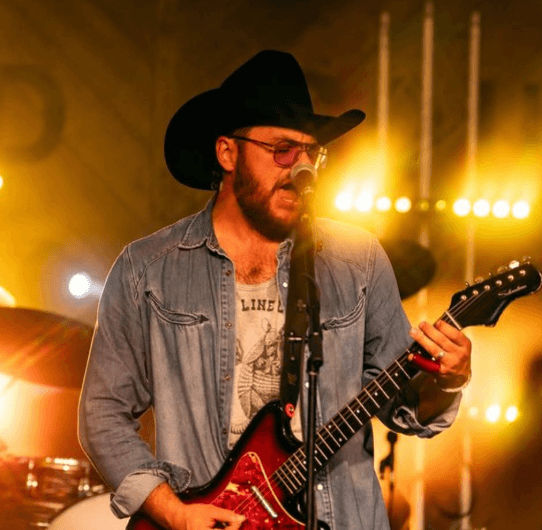
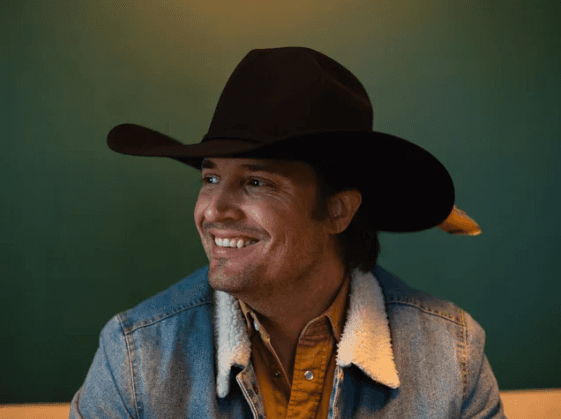
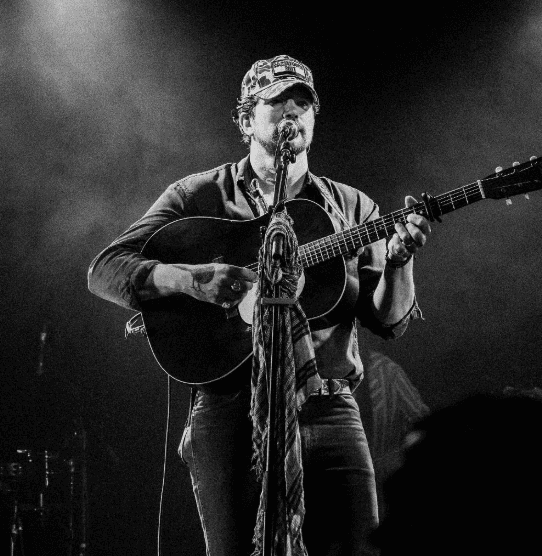
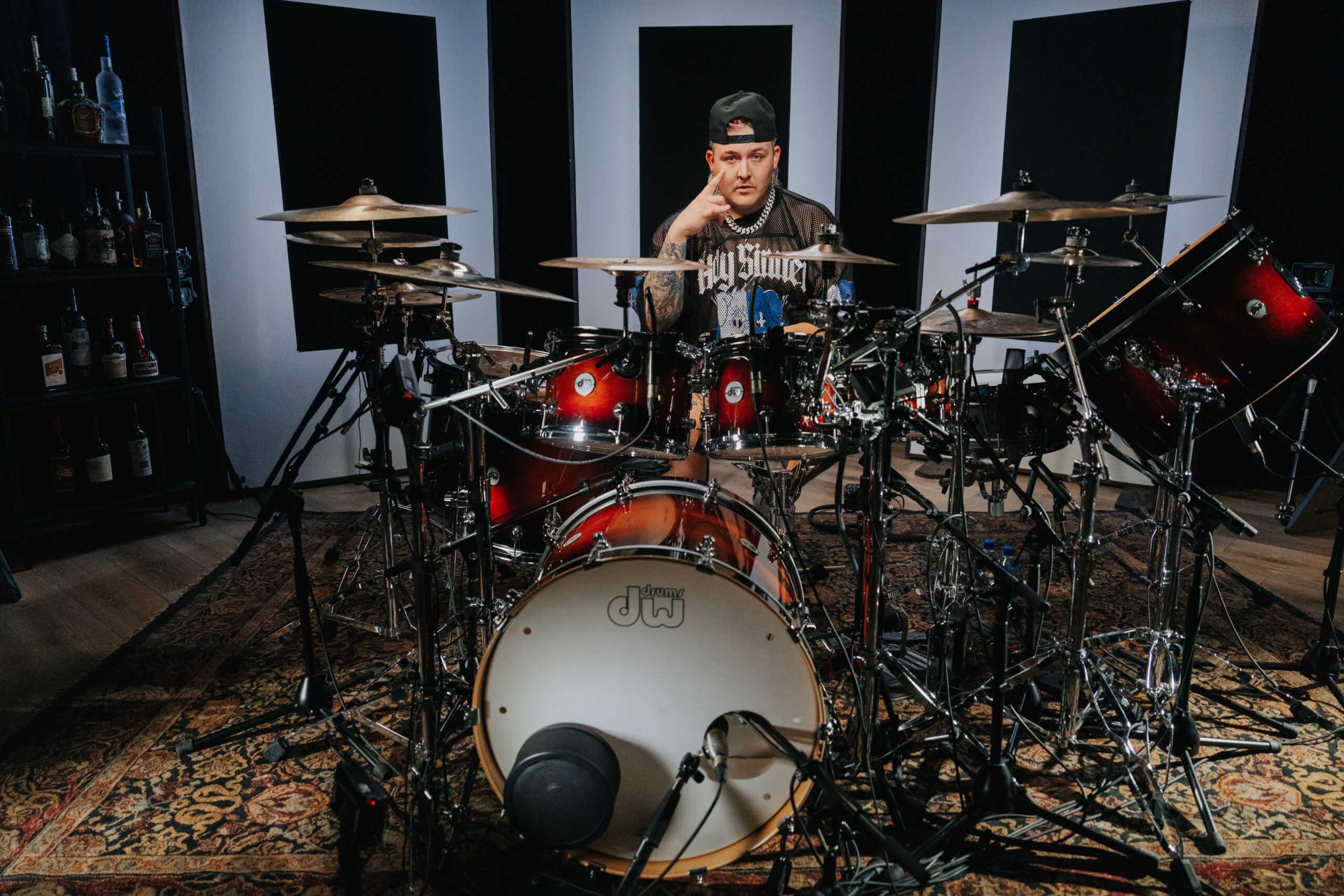
Tennessee Jet
Hosted by Jarrod Morris, Texas-based singer-songwriter.
Jarrod sits down with singer-songwriter, producer, Tennessee Jet for a long, honest conversation about art, faith, politics, and what it really takes to build a life in music. From scrapping entire albums and learning to engineer his own records, to writing platinum songs and getting shows canceled over his lyrics, TJ has lived all of it. TJ co-wrote the song “Bury My Bones” with John Jeffers of Whiskey Myers (now platinum-certified) and has collaborated with long time friends Cody Jinks, Paul Cauthen & Elizabeth Cook and more.
Category: Music
Singer, Songwriter, & ProducerTennessee Jet Episode Transcript
Episode TranscriptRead / hide
Full episode transcript, auto-generated from the audio and lightly formatted (verbatim, not edited).
Purple [singing and music] necessary evils. How much are you typically involved with like the mixing process of your records? Uh totally. Yeah.
Yeah. Like I do everything. Oh, you're like actually engineering it as well? Uh yeah, recording it, engineering it, mixing it, mastering it.
Oh [expletive] dude. I didn't know that you mix. Mhm. Holy cow.
Yeah, forgive me. I didn't know that. All right. Well, you obviously know how rare that is.
Uh yeah, it's getting it's Are we Are we doing this thing? Yeah, man. Yeah, we're just rolling. Yeah.
Um yeah, the uh it's a uh it's getting more common now. Um obviously because there's like the uh the recording budgets aren't, you know, what they've what they've been in the past. And then also people are caring less about uh as long as the as long as the song is connecting, they're caring less about just the super slick production or you don't have to go to, you know, crazy expensive studio uh to get the job done. So I uh but I've always done it.
I've always done all my own stuff. I'm just very uh particular about the way that I want my songs presented, you know, and uh and I just I don't really understand the process of like, you know, you bring a song and then basically someone else just does everything about it, you know, and if you and if you're if you don't have a lot of if you're not very particular in how you want something, that makes sense, you know, and as long as something can come across. Um, but I think people should, you know, have a say in their in the way that they're the records sound and uh the way they're presented, you know, because it's like at what point are you just, you know, it's your art, you know, in the end it's just like it's your fault if it's not the way that you want it to be. And obviously people get in situations where uh other people are um you know they've got you know they're going to own part of it too.
You know if it's a label involved or something like that. But um but if you don't have someone else involved I mean it's all on you which is the good and the bad part of it too because at the end you've got to you're making the decision. So it all you know if it's great or if it's not so great it's all you making the decision. So, so, uh, yeah, but I'll take that on, you know.
I just I prefer I'm just too, uh, stubborn in my ways, I guess, with certain things in the way that the way that I like them to be. And, um, and that's come with doing it the wrong way, you know, enough to know that like that's not the way that I want to do that. So, yeah, almost out of frustration and necessity. Do you uh, who produces your records?
Do you do your own records or It first started with I scrapped two records before I ever put any music out because they were just trash. Not trash. The first one was absolute trash. But the second one it just wasn't what I wanted.
So [clears throat] I scrapped both of them. Cost me a lot of money. And then uh the first one Lloyd Mays produced it and then a guy named Josh Sherado uh mixed it and engineered it and that was [clears throat] cool and I learned a ton through that process. Uh, and then after that I did a half of a second record with Josh and then I ended up I had a drummer who has just like great taste and he had been engineering a lot since like high school and so we were just like man let's just start cutting this stuff together and out of the same sort of necessity where it was like I just want to get very detailed and specific on what on what I on what I want and I need the time to do so.
So we partnered on a little on a little studio, bought a bunch of gear, but we always just did it like home recording studio style and so we'd track, you know, drums and small bedrooms and things like that. Learned a lot. And that's basically the journey that I've been on for the last three years is just learning more about it, mixing my own stuff. And when I say mixing, he's engineering it, but we're mixing it together.
And he I mean he does a lot of work on his own, obviously. So we produce everything together and mix it in house. And uh we'd still do the mastering outside of it, but Uh that's just been a great process and uh it's interesting too that you grow to respect a lot of the people that you learn from way more. It's easy when you don't know exactly what you're doing and you and you don't get uh the final result that you wanted.
It's easy to think it's like the grass is always greener. Well, I could go over here and get it. And then once you do it yourself, you're like, gosh dang it, this is so hard. Yeah.
Once you learn how the sausage is actually made, then you got to make the sausage. Then it's just kind of a Yeah, for sure. I think everyone's got those records where they've shelved them. You know, they released a couple if you've put them out.
Um there's usually a couple records before even the first one's even out and then after down the road you a lot of times the first couple records you don't want anyone to hear. So you've got that period of you know sometimes you know two, three, four records where it's just you learning the whole thing. It's exactly what you're saying. And so it's like but you want to in your head you've got this vision.
you want to do something that's uniquely you and ideally it's something that like you can uh you can actually do that for your job so you don't have to go get some real job you know and um but in order to get to that process you've got to go through those you know sometimes soul crushing you know records and you just start seeing the money that you've lost you know uh doing it um and uh but you know I just think it's part of the process now I will say this I think that maybe a uh and just in the last few years. I think um I think that model has changed a lot um because of advent of things like Tik Tok and things like that, you know, someone can someone can literally um just record something just for kicks, you know, and throw something up there and who knows why or what algorithm um or what dance someone does to it or what's happening in culture at the time and just happens to be the song that like it said the exact same thing that happened on some, you know, political event or something like that and uh they can blow up and all of a sudden now it's interesting you bring up the political event thing cuz it's like it's folk music in real time, right? Yeah. which actually is pretty freaking cool, but I'm becoming way more interested in it's probably should have always been this way, but and kind of has in ways, but I'm becoming way more interested in like longevity and kind of the body of somebody's work and like how long they've been in it and because it can just happen freaking so fast.
For sure. And and then if they don't do anything with it and sustain it, it starts to become pretty uninteresting to me when you have to represent something too. I mean ultimately like if you want to look at like being a musician is a brand like what is your brand you know if you use that term um then you've got to ask you know yourself like what do I want to represent you know what because people don't really even support so much not even so much your songs or your or your uh or how they sound they buy into what you represent you know what you represent to them. stuff like you'll see someone that if they represent like debauchery and partying and like you know running around on stage and throwing beer you know cans everywhere.
They represent a certain thing a very specific thing that people can understand and grab on to. The same reason that people like buy into genres they buy into like basically what your artistic representation more so than how the art actually makes them feel or like they're not analyzing that as much. They're more they're it's more about like I think they're not look I think that like one in different types of uh representations have different levels of how um how much emphasis is on the subtext of the art. I think if it's something that's very surface level, like, hey, you know, this is pretty simple.
You guys like to like get trashed and come out and just like act a fool and then no one's going to like, you know, tell you shouldn't. You know, maybe you'll just find some random person in the crowd and hook up with that night. My music's for you. You know, if you represent that thing, it's a very There's no subtext to that.
Do you think it's always been that way or it's getting more so that way or less? Well, I mean, I only know of the time I've been on Earth, but the uh but I think it's probably getting more so that way. I think there's always been that element to it for sure. Um, and maybe it's just that like the uh the bar is a lot lower in terms of like any anything going on beyond just the surface level of that thing.
But I think now because it's so much about the visual content, I think people will see this like, you know, boy, looks like they're having a rowdy crazy good time at that show, you know. Um, so it's more just that the whole show emphasis as opposed to song emphasis maybe. Um, and I don't because you can't really, you know, you can only experience that there at the show. Um, I just don't think that we're having we're going to see songs that um are as lasting as we have in the in the past.
You know, I think songs are going to be a lot quicker to die. Um, and you mentioned folk music. It's like, you know, folk songs, you know, they would, you know, people would write songs and then they that would be the way to kind of pass the songs along. Um, and people would get words wrong or people would change them or they'd make them, you know, they're a dialect of a certain area would go, "Oh, now that I thought that word was this and it's actually this because that's how you sing it in Kentucky, you know, and they sing it different in Oklahoma."
And so, uh, they were living, breathing things, you know, and I still believe songs are, um, living, breathing things, you know, in what way? Well, it's like I don't think a song's really ever finished or a production's really ever finished. You just like with the production, you just stop working on it. That means it's finished.
But really, you could just keep on working on it for forever. You can go get new ideas and things. Some point, you just have to say like, "Hey, we got to put this thing out." Um, but I think songs continue to grow and evolve and change and um, you know, from a particular artist perspective, if their views on things change then and they continue to play that song, it's like Charlie Daniels uh, you know, long-haired country boy, you know, he's changed the lyrics to that because they didn't reflect, you know, who he was at the time when he was singing the song.
Um, and uh, so I think that like you're always songs are always evolving, you know, and changing. I will change lyrics to my songs, you know, years later if I just feel like there's a better line or a better part. You I don't ever really think they're just like, well, that's done. That's got to be that way forever.
It's like, you know, if I sometimes, it's funny, I've I don't really listen to my music once it's done on the record. You know, you've heard enough, especially if you're in the trenches the whole time. Gez, if you know the feeling, you're just like the last thing you want to do is listen to that. You need time to um you know, separate yourself from it.
But like I'll go back and listen to certain songs and be like I didn't even know that was the words because I haven't sang those. I've sing been singing different words this whole time because maybe just like you know as time went on you started liking a different line better, different words and I and I love that about songs. To me, that's what a folk song is supposed to be. It's just it's constantly changing with the times.
And that's ironically how it keeps it relevant. You know, what's your take on uh like I've I've noticed that [clears throat] music that tends to resonate the most right now, like within the songwriting world, uh is stuff that becomes a little bit more specific and detail oriented, which lends towards more so like folk music in my opinion. Yeah. from like a [clears throat] songwriting standpoint and then like going and doing more of the uh industry commercialized side of songwriting like in Nashville and stuff.
Those seem to constantly be at odds like with some of the people that I write with. They want to sort of like genericize everything and make it palatable to everybody, which in my experience makes it kind of like just sterile. And it's like what are we even we're just doing these like vague generalities and like even on short form uh videos and stuff, it's like the things that get hyper specific, they almost start to become more relatable. uh even though they're like very specific to your situation, they tend to resonate more and I find them to be way more interesting and you end up saying things that most people haven't said in songs before.
They are way more and it feels like everything's getting pushed that way regardless of the genre. You think it's getting pushed more specific? I think well getting pushed I mean that in the sense of what people are connecting with, not like the industry is pushing it or something. If anything, they're going want to go the other way because it's harder to duplicate, right?
If something's super generic and right, like that's easy to like just keep making it up over and over and over again. So, I think that's why they want to protect that like, well, no, this is how we do it and you can't get too specific then people can't relate to it. It's like I completely disagree with that. I completely disagree with it too.
I think the things that are going to connect the most um because I think people are looking once again it's like the surface level versus subtext. Um, so on the surface level, yes, it might be like, you know, I'm proud to be a coal miner's daughter, you know, it might be like that, but that will relate to anyone that the uh so that's the surface level. The subtextual thing would just be someone that's just proud of their humble beginnings, you know? So, it's like you don't have to be a coal miner's daughter to know exactly what she's talking about and to feel it just as strongly.
And it's way better because it's specific because then it feels like it's something human and authentic. Authentic. Exactly. And individual.
So, it's like I've always I've always thought that too. And um it's funny you mentioned that with you know with certain other coowriters. Um some of the times that I've written particularly with people that are in their mind they're thinking like this will make the song more accessible. But I've always thought that it makes it um in a lot of ways less accessible and have less of a chance to have any longevity, you know, because I mean all our favorite songs are pretty damn specific, you know, if they're written by people if you look at Earl Merl Haggard songs or anything like that.
It's very specific to his upbringing. And um so I've always I've always liked song titles that are very interesting. Like I'm always thinking like if there's a song and maybe it's a great song but the title of it is just something like um you know there's a better way or something like that. You know maybe you find maybe within the context of the hook um that's what you normally think would be the title of the song but the hook's really great.
You don't hear the all the hook and you don't want to reveal all the hook so you're just going to say a better way. Just like, is there any way we can come up with the title of this song where the title makes you want to hear the song before you know the song? Like, it doesn't Yeah. It just doesn't give away all the information.
Yeah. Even the idea of the top of a chorus, you can feel it through a chorus where it's like you can feel them setting it up. You can even feel the rhyme scheme setting it up and you're like already plugging it in like I know how this chorus is going to end. Yeah.
And then like when they perform it even like they'll do the whole deal where there's the pause and then they say like a better way and you're like no. Yeah. And you know you know the title too from I know you like you saw it coming the whole time. So I'm with like that's funny you say that cuz I've been like talking non-stop about that.
It's like I just feel I just want it to I want there to be an element of surprise. Yeah. And it's not that it has to be like overly clever or something but I don't want to give it all away. No.
I hate giving away the uh in the hook giving away the what happens in the song or the you know I like my favorite titles are ones that make me go like what the hell is that song going to be about you know because then right from the get-go it's there just like an itch um and then when you get when you really talk production you start even thinking of sequencing that way because in like on Spotify or on Apple Music if you look at the streams and I'm sure you've seen on your songs I've seen on mine everyone sees on their songs. Um, tracks seven to 10, you're going to start seeing the drop off of like the streams and probably earlier than that. It's really like your top three songs or whatever um are going to typically your biggest ones. Maybe there's like something, you know, in there that's just a an outlier, but it just starts falling off just the way that music's presented to people, the way that people are listening, the attention spans, so much music being put out.
Um, so you start going like, well, if you do have a title that's really crazy, may maybe if you could find a way to make that track nine or 10 and then you maybe you can get some people to go like, okay, well, I'm going to either hang out till that or I'll skip right to it and do something about the back half of record so people actually start hearing it. You know, it's just like or if you do have a cover on a record, I usually put like I like to put one cover on every record. I try to interpret it in a way different way. Um it's like if you can put that cover track like eight, nine or 10, then you're going to get people at least going towards the end of the record to hear even if it's just for that cover, even if it's for a fair weather fan.
Um and then maybe they'll hear the song after it or the song before it and you might just kind of help the thing. But it's always very smart. Well, I just I just think in terms of like uh in terms record production. Yeah.
Um I think it's just like there's got to be some way to get people to hear you the rest of the record, you know, because it's like um I love records. I love uh I love uh when you can actually feel a journey in scope of, you know, 30 minute, 45 minutes, whatever. And uh we're just not in a time where that's really the way music is presented to people. We're in a singles world, you know, and even within singles, it's like it's even like, well, how long is a single?
Because you're probably only going to get, you know, attention sp. And I just wonder if sometime we'll have like songs that are like, well, that was back when songs were 3 minutes long. Can you imagine that having to sit through three minutes of a song? Hey, look, when recorded music first started, they were even shorter.
That's right. And it was it was an advent of technology just like it is now, you know? Yeah. people get bent out of shape about it.
It's like, dude, there I mean there's songwriters. There's one guy named Richard Lee who was I want to say he was like maybe if not the youngest one of the youngest songwriters ever inducted into the Hall of Fame. And I think it happened in his early like he wrote like Don't Want to Make My Brown Eyes Blue and Life's Highway for Steve Warner. Uh Greatest Man I Never Knew for Reeba and stuff.
So did it like in [clears throat] his early 20s and um he always called them uh like two-minute miracles which my wife calls that something else but [laughter] like a song is just it's just but his time frame for it was so short because he had started writing those songs like in the 60s or whatever, right? And so he the guys he was learning from um you know they were thinking like way shorter than even we do. And we like to think Tik Tok shorten everybody's attention span. It's like well we're humans and it's sometimes driven by the technology which yeah I mean Tik Tok talk would be a technology and you just have to be able to present a lot of information very quickly and honestly I like writing stuff that way.
Yeah. You know I get a little bored. I like a good blues jam but even some of the jam bands that I grew up on it's like I didn't listen to the whole jam if I'm being honest. Yeah.
Let's switch to the next song. and the advent of like uh 45s, you know, they're really I mean 3 minutes you really start like hearing degradation on the on the on the medium itself, you know, so they don't sound very good. So they're already limited just by the sheer like length that you can even fit on one and they don't sound great to begin with and then as it as it gets closer to the center of the uh of the record it's you start losing you know your it's more distortion you start losing dynamics you start losing low end. So it's like they're not a great medium anyway.
So it's just like the shorter the better you know and um and so technology always drove that. So it was like well yeah you can what are you going to turn the record over to hear the second half of the song? you know, it's like, no, you just need to probably write a song that's going to like say all you need to say in this like two and a half minutes. And um and so it's kind of kind of the same thing.
Um but nowadays with Tik Tok and that it's encouraging people to do that. I don't think it's so much of a limitation of the medium, but it's a uh a limitation in attention span, you know. Um, but uh I say that but you got people that listen to an hour and a half long podcast. No, I'll listen to fourhour podcast.
So there are things that don't fully I guess it depends on the audience that you want to go after as well. Yeah, for sure. And just also in just the frame of mind where people are when they're doing these things, you know, whether they're listening to something like on a short drive to the uh the store or if they're actually on like a road trip and they're want to listen to something, you know, because that's when people will put on full records, too, and really just like live with the record. So I think it's just a different it's just a different time.
Um but uh but the limitations I think in a sense um we need limitations is as artists anyway. So if the limitation is one of duration then it's like okay cool. Well then I need to like be a lot more concise with what I'm saying. Um I need to be able to like get better at the craft part of it.
Um, and I need to keep the ideas more uh singular in focus. You know, it's like I can't write Bohemian Rapsity in three minutes. If I wanted to, you know, go here and there and everywhere, you just got to kind of write one element of that. Um, which in country songwriting, I guess that to me that comes a little bit easier than maybe some of my friends that kind of cut their teeth their teeth uh with like the Beatles or Simon Garfuncle or something.
Um, is in country songwriting. It's usually it's just like you have one core principle thing you want to get across very strong and um and anything that detracts from that is just you got to scrap it, you know, toss aside because any distraction along that road um is not going to like make for a great country song, you know. Yeah. Build the story.
You got to contribute to that. Exactly. And does every element to this does every element play into like your essential hook? You know, country is like the hook is king, you know.
Hook is king in all genres, but in lyrical hook in country obviously more so than maybe like a, you know, a hook in pop or hip-hop or anything. It's going to be different things, you know, but like so limitations are good. If you told a painter just like, "Hey, tell you what, this is going to be great. I'm going to give you every color uh and I'm going to give you uh and you can paint anywhere you want.
Any of these walls, the floor, anything. So create something cool and go." You're going to probably sit there with just option paralysis forever, you know. Well, [expletive] I got all these colors and I could what if I paint?
I don't know. By the time you even think of what you want to do, you know, you're probably not even inspired to do anything. But if you said like, okay, let me give you a canvas and let me just give you like two colors and um you know, paint something that represents something that like uh you love. And even within that, you've got like you could you could spend, you know, years, lifetimes like figuring out what you'd want to paint.
And so it's like we need limitations still easier. Do you do you put those parameters on yourself? I try to. Yeah, I try to as much as I can.
Um, is that project based? And then does it change? Obviously, if you're writing with other artists? Yeah, I think with uh with other artists it's just me trying to convince them that uh my way is the better way and their way is not the not the way to [laughter] do it.
No, it just depends on uh or you make it their idea. Exactly. That exactly. Yeah.
Very wise. the um it's just isn't that isn't that a weird thing about uh any collaboration is kind of kind of odd anyway, but particularly when you're talking about songwriting because there's so much uh there's so much uh ego involved. Um, and uh, and yet like the best songs are written whenever people um, are willing to just like say stupid stuff like if it's just pops into their head because it might be that dumb idea that inspires the brilliant one from the other the other writer in the room, you know? And uh, and so it's just got to be a very like egoless endeavor, you know?
In my experience, the times that like um, it's hard to write with people is whenever it's just there's like an ego at play. It's just like someone doesn't quite want to really like acknowledge that like oh that's a good idea or that's not so cool or they don't want to be honest and say like man I'm that's not for me this idea you know and there's nothing wrong with that because it's just like there's a ton of ideas out there but uh it's a really tough thing to navigate. It's it yeah and it's something that I don't think that they um I don't think that you can learn other than just doing you know I mean you can talk with other people that experienced and say well like it's like you said it's like well maybe if you can encourage them to think it was their idea you know which that's uh but uh that works you know it's if you can if you can do it um yeah and that might sound shittier than I intend more so like any experience that I've had with collaboration. I just so deeply want to get out what I feel like they can get out.
Yeah. Um, and so however I can do that, just try to make them feel comfortable and like maybe there's some things, some ideas that they had that I didn't really see the direction it was going, but I'm willing to entertain it because I want to make them feel comfortable to share the next one because maybe the next idea is the great one or something. Oh, I don't think I don't think it's shitty at all to say um or and because it's always there's not really any right or wrong way and everyone's different. So, it's just like there's always there's always levels of uh encouraging people whenever they need encouragement or to like you know being ultra honest with people in a tactful way whenever you know it's because you're dealing with fragile egos and you're dealing with passion.
music inspires so much passion in people and it's they're when it's done right they're expressing like very vulnerable things you know it's always strange when you walk into a co-rite and you just meet somebody and it's just like hey let's write about like what are you going through well I'm really going through like this really tough divorce and man it's just they get they break down in front of you're like cool I met you like five minutes ago let's write this song and let's uh you know it's a strange thing and um beautiful it can be in a way it's the way life ordinary life probably should It's an amazing thing and also just the way that um you know as songwriters really our job is to manipulate emotions you know and so it's just like or communicate them. Absolutely. Absolutely. And to uh well it if we have a if we have an intention like if we want a song to make someone feel a certain way then we definitely need to there's some manipulation involved but not with a negative connotation to it.
Um it's just how you do any job. Yeah that's interesting. the idea of manipulating somebody. Yeah, you can manipulate somebody into thinking or doing something and it doesn't inherently mean that it's harmful to you.
No, not at all. I mean, if someone needs confidence and so you're pointing out to them something that they do that's really great that no one else sees, you could say technically you're manipulating that person, but the end result is that they're believing something that they need to believe because it's like it's true about them. You know, it's a positive it's false. It's not right.
Well, that's that was the next thing I was going to say is like within that as songwriters like there's a lot of power in that too. So, there's an obligation. I believe there's an obligation. Um when if you're a songwriter and if you get to the point where you can actually where you're good at it, um you can do a lot of good or you can do a lot of bad with it.
Um and so it's just like I believe that like just well just in as in life I think that like everyone should try to be you know positive influence on everybody you know. So in a sense everybody's a role model. Um or like where do you get that from? Uh well, I'm a Christian and so um that's where my the core beliefs.
Um and so it's a matter of I just think in general the world will be a better place if everyone is trying to inspire other people, you know, and inspire them to do good and do positive things. And so when people are just like, "Hey, I'm not a I'm not a role model." It's just like, well, I mean, you're up on a stage and a lot of people are paying attention to like what you're singing about and what you're doing and how you're, you know, manipulating audiences, whether you're asking them to scream or whether you're asking them to like, you know, drink or whatever. It's like you have a lot of sway on people.
So, it's like, do you think it's good if you're a good influence or a negative influence? Why don't you just answer? You know, it's just like and most people that if they're answering honestly, they say, "Well, yeah, ideally I would hopefully I'm making the world a better place, not a worse place to be." You know, now you can argue about, you know, what's the better way of doing that?
But the whole but the notion itself of just like, you know, do you want to make the world a better place or do you want to make the world a worse place? Do you want to make it harder on people or you want to make it easier on people? You know, have you always felt that way? Like, [clears throat] have you always had that belief?
Um, I definitely think the uh I think the knife's gotten sharper as the years have went on. Um, and as you understand things and you experience um, and when you first start playing music, you just want people to come into your shows, you know? So, you're just like, you know, you're just you're writing songs you just want people to like and try. I mean, there's a, you know, you I started out, you know, you start out very idealistic.
Um, everything from like the way you think your music's going to sound, you pretty much have your whole career plotted out like right from the get-go before you've even stepped on a stage, you know, and then you start realizing real fast like, well, it's not quite as it's not, you know, you're not just going to like be able to you got to experience stuff and then you're going to actually form your ideas. I mean core I think I think core morality and core just like uh beliefs. Um yes before music was always there. My parents they had great parents.
Um, and uh, but you start playing music and then you start going out there and going like, "God, I want people to, oh, when I do this, they really like uh, get into it, you know, and you realize, oh, when I do this cover song and it's a slippery slope because you can go down that thing and you're realizing like I'm basically just the MC for people to come out and just get trashed and just, you know, make bad decisions. And uh and so um I think a lot of people when they first start out that's kind of you got to find that place where you know when you realize that like you know what you're comfortable playing and what you realize is like well yeah it might be easier to do it that way but that's not really what I want to be remembered for. Wow or I want to influence the world in that way. You know I think go ahead.
There's a lot of people now that extremely successful. Um I don't even have to name any names because it's like the first three that come to your head will be the right ones, you know. Um they're have it a lot of people come to their shows and uh they're just seems like they're getting bigger and bigger with basically just the message of just like hey get trashed. Yeah.
You want to drive home? That's all good, man. You're an outlaw doing that. You know, you're cool.
That's a cool and it and I have a tale as old as time though within music, right? It certainly is. Yeah, for sure. In music.
It's always there's always been I mean honky tong music you know which is what I cut my teeth on a lot of it. Um a lot of that is purely just about like you know coming out and just having a great time and having too good a time and boy you're going to make some mistakes. It's tough too cuz I'm uh I have a deep faith in uh in Christianity. Um and uh I mean my life hasn't always represented that.
A lot of hypocrisy but we all have done that. But um yeah, that's always been an interesting I wouldn't call it a struggle, but something that I've always tried to think about a lot is that balance between I want to have a good time. I like to enjoy myself and cut up and but there is does seem to be a line that you cross and then where is that line? Yeah.
Especially with being an entertainer for sure. Yeah. And the whole idea is for people to have fun and enjoy themselves, right? So, it's like where do you how do you find that balance in that line?
Yeah. I think it's I think it starts with me. What are the songs that I'm playing? Um because it's like right writing the songs have kind of got the baked in the messages that you're trying to present to people and so like if it might mean that after a while you like oh I don't do that song anymore because I don't really feel like I'm that person or I you know that maybe I was at that time but now I wouldn't play you know that song because it's like I don't really feel that way about like I don't think it's a good message to be putting out there you know.
Um and so I think for me it's song based. It's just like, you know, if I'm playing the songs that I believe in, I don't have to worry about the other stuff so much, you know, cuz people are, you know, they're adults. They can, if they want to come and they want to just like, you know, be at the end of the bar and drink until they pass out. It's like they're It's not for me to tell them how to live their life, you know?
I can control the songs that I play. I guess the context you're in. I've never really been super into the idea of like, [sighs] you know, somebody catches me backstage in private or something and asks me about my beliefs and stuff like I'm going to lay it out for them and I'm not going to hesitate. But even the idea of just getting on stage and like proitizing from the stage is I always kind of I thought it was a little odd.
Just felt a little inappropriate. And then like I care about that's like the thing that is the most important thing in my life and so I'm not cavalier with it. And it's like I don't want to just share it on stage for people to then applaud and say what a good guy, right? It's like because like what if the person is at the end of the bar just hammered or whatever they're doing something they shouldn't be doing.
It's like I don't know. I don't think it's and it depends on the person. I mean that's something I'm convicted about where it's where I don't feel like it's an appropriate time for me to just like flippantly just throw out all this even though the stuff I would be saying is true. Just seems like an inappropriate time to do it maybe.
Yeah, there's definitely more appropriate times I think in how things are presented to people too. Um, you know, it's like if someone comes if they feel like if they're in a place where they're coming to you and like uh going through something really tough um and you present something in the wrong way, they could feel like they're just you're coming off as judgmental. Sure. Um as opposed to just saying like, "Hey, I'm a seeker like you.
I'm no better than you. um here's something that um that is really powerful in my life, you know, and if you want to hear about that, then uh let's talk about it, you know, if it's something you want to talk about right now, you know, then it's like we'll find a better time, you know, I'm here for you, you know. And I think that what I've realized is that it's a if people are, you know, there's no s it's going to sound like a wild line, but in a sense there's really no such thing as a good Christian, you know, the term good Christian because um we are saved by grace. You know, we're not the whole point of being a Christian is we realize we're not good.
You know, so no one is. It's so it's a matter of uh it's a matter of uh understanding that and then so when you're if you're talking to someone else that's uh um that's a non-believer um then it's got to be from a place of like hey I'm not saying I'm better than you. I'm not you know I'm not good and you're bad. That's not the thing.
It's like um we're both seekers like anybody. And so, um, and then and then you can and then you can explain, you know, the power that, you know, Christ has had in your life, you know, and, um, and tell them what that means to you, you know, and, uh, and actually witness to people. Um, and, uh, I think that's a lot more of an effective way, um, to communicate with people. Yeah.
It's always interesting to me growing up because you're from Oklahoma, right? Basically, I grew up in Oklahoma. Okay. So [clears throat] yeah, I mean we were obviously raised around a ton of Christianity.
So there's a lot of cultural Christians and social Christians, which I was one of them. Like I didn't get saved till I was 26. Great family and attended church. And my parents are very uh like uh biblically knowledgeable and strong in their faith.
Um, and they were always open to talking about it and sharing differences and opinion and debating it and all that type of stuff. So, but I didn't get saved till later in life. And I was definitely one of those people where it was like I checked that box. Right.
But nothing in my life actually changed. Right. Right. And it's amazing to me how many people you grow up around and I was one of them that when you ask them like what does it mean to be saved or born again uh or how do you get to heaven and most people like even in the Bible belt would say well you know be a good person which is the antithesis of what Jesus spoke about.
It's the antithesis of the gospel right and he talks about you know our works are nothing but filthy rags. there's nothing good that you can do to make up for all the bad that you do. And we're just born into sin. Like our very essence is sin.
And like even the other day, I was thinking about like, you know, [clears throat] the one of the those bumper sticker type Christian Bible verses where it's, you know, it's in all your ways acknowledge him and he'll lead your path straight. That type of thing. But if you if you start thinking about those as more of commands or things that you're supposed to be obedient towards in all your ways acknowledge him. If you start thinking about those in the context of how you are sinful, it's like, do you acknowledge him in all of your ways?
No. No one does. No one ever does. And it's like it just exposes even more so like how sinful we actually are.
So you need a savior. Like I talked to a little kid the other day where it was like you know Jesus or you heard about that and he was like yeah and I'm like what do you think it means? Well be a good person and it's like you think I'm a good person. So I like I went down the ten commandments and showed him all the things that I've done.
It's like do you think I should get to heaven? And he's like well I guess not. And I'm like well thank goodness if we were all good we wouldn't need a savior, right? But then it does change your life too.
I guess that's the other end of it is like I thought I checked the box, but nothing in my life changed. The way I felt about the things that I did that were wrong, my conviction didn't change. Uh, and it's I heard a preacher say recently that like becoming a Christian, you don't become sinless, right? You'll still sin, but you will sin less.
And in your lesser sin, you'll feel worse about it, right? Which I thought was very, very profound. Yeah. You don't become perfect, right?
But I think the journey of that is because you have been shown grace and he comes in and gives you a new heart, new desires, your affections change like you know the conviction like well I don't think I should do this, maybe I should do that. And that seems to be the other thing that like in cultural Christianity they don't really talk about. It's like well you said the prayer one time you're good. It's like well if nothing in your life changed there's a good chance you don't actually believe what you said you believe.
Yeah. Well, there's such a, you know, and it's not for me to judge the particular, you know, preachers at like a mega church or something like that in terms of what's actually in their heart. I don't know. I don't it's not for me to judge what's in any anyone's heart.
Um, but there's obviously a, you know, there's a lot of it's big business, you know, and I think a lot of uh modern day so-called Christians are doing the most damage to Christianity than, you know, than non-Christians sometimes because it's like uh there's the there's the just the corruption of what it actually is. And um and it's making it harder for people that uh um harder for people that are lost to uh to find God because what they view of is oh those people that like believe in God. If they have a certain image of that person and then it's not a positive one then they're going to they're going to probably be less inclined to uh you know want to be like that person obviously. So uh so yeah it's a you know and if you're if you're the devil you'd probably that would be your plan is to just corrupt you know the you know institutions and so you could you know manipulate in that way as well.
So so it's a real yeah it's a um there's definitely you know I think time and place for sure. I think that like obviously your overall core, you know, the way you present yourself and act, you know, you want to, you know, do your best to uh to not be, you know, doing things you're, you know, not proud of the next day, you know. Um it's a it's an interesting juosition playing a you know, it's like people like, well, you're playing bars, you know, and things like this. And so I've never had a problem with that because I've just always felt like well, you know, it's you should be who you who you are and what you do wherever you are, you know, whether you're in a bar or whether um you're in church or whether you're at the grocery store, you know.
So, um and sometimes the people that you know could benefit the most from what you're singing are going to be in a bar, you know. And so it's like, you know, you go out there and you play your songs and uh and you try to present the most positive messages. You try to you try to It is tough though. It's very tough.
There's far more temptation. And I think being honest about and I had to really learn it the hard way in a very painful way of like yeah, you're in an environment that you can be a light in the dark, but make no mistake, you're still just a fallen human that has temptations as well. you know, and it's like taking that very serious uh about the opportunity that you have, but also the environments that you're in. I definitely in times of my life, I just didn't take it serious enough.
Oh. Well, yeah. It's You probably learned the absolute best way you could have learned, though. Yeah.
I mean, there's nothing like the hard way if you want to learn something, you know? Yeah. Yeah. Especially being stubborn creatives.
Yeah. Well, exactly. It's like just the fact that you're uh that you're doing what you're doing. um like all of us doing what we're doing there is a sense of stubbornness and you have to have some ego too you know obviously um because you know you've got to say like well who are you to think that like you're going to get out there amongst all these people that want to do it but you're going to be the one that like ends up being successful at it you know it's like you've got to have a sense of a healthy mild delusion at times you've got to have a sense of ego um because it's uh and you've got to have a definitely a sense of uh resolve and toughness because it's like, you know, you're going to face rejection and feel rejection a lot more.
So, you've got to get to the point where that's just going to roll off your back. Sometimes people will say like, "Well, hey, I've got like a, you know, my son or my daughter like they want to go into music or it'll be someone that's just starting out." They be like, "What do you think? Should I do this or should I get like the uh, you know, should I just get a regular type job?"
And it's like, I'll never ever dissuade people. I'll always say like, "You should totally do it, you know, and be as encouraged as I can." But if you're even asking the question, um, then if there's any doubt, then might not be for that person, you know. Oh, that's interesting because it's like someone that's going to uh want to do it, they're not going to care whether or not.
It's like if someone else thinks that they should do it, you know. Um, not to say that everyone that asks that question shouldn't do it because a lot of times people just realize like, oh no, the more they get into it, the more they love it and they get it and they don't and maybe they don't know because they haven't really went out and played. they don't really know what it is. So maybe they can't know exactly whether it's for them or not.
So they need to go try it. Um I'll just never tell anyone like no, you shouldn't do it though, you know, because it's like be better that they try it and fail but learn something from it, you know? It's like I guess it's like what's the point? What why are you even asking the question?
Are you asking should I do this? Like is it worth the That's always came off to me as a little bit of like do you think I'm going to be able to get all the attention that I want? Yeah. Which if that's the point of this, like you're going to be sorely disappointed probably.
Yeah. It's a strange it's a strange thing because it's like it we're on the edge of doing something that's like is it is it purely a business thing? Like are we going to create a restaurant and have the best food and have satisfied customers or are we creating art and create, you know, poetry and beautiful music and uh and we're going to try to do something that like really moves people. Um, when it's when it's perfect, then you do both.
It just works, you know? It's like you create something amazing artistically and man, it just the zeitgeist hits there and everybody like uh responds to it and you're super popular. Um, it's very rare when that happens though and I think exceedingly rare these days. I think less so every year it gets less that way.
Um I think um because the things that are the things that are, you know, really getting the most traction um are not going to typically be the things that are like the more artistic type things. So you just have to make a decision. I don't even think it's a thing of being like uh like uh bitter about it. It's just reality, you know?
So you just decide. You have to decide like it's cool, but like if you write this song, just realize chances of that song getting a lot of streams or getting uh getting you like a lot more people to your show is probably going to be pretty small because that's kind of a very particular niche thing or it's very not written in the standard way. Now, that used to be before our times, but it used to be a thing where like those artist art pieces um could become the cultural popular things, you know, um whenever there's a lot more musical exploration, whether it was like the Beatles and then you get into like the like, you know, Stairway to Heaven, you know, really long song. It's not a radio hit, but it becomes this huge thing.
um these art pieces. Um and so I think and I think we may get back to a point where like um people really just be wanting art. I think is that'll be one of the benefits of AI ironically is I think that AI will actually further sanitize things and so people will actually crave like something that only a very particular individual human could have come up with because there's no AI models to figure out what that would do. So, um, people can get down on AI and I mean I do in a lot of ways.
I think it'll be great for like medicine and things like that. Um, and in music, I think that, uh, it'll make it'll kill a lot of it'll take pop music first because it's the easiest thing just to, you know, copy. But the last thing that it'll come for will be the very organic roots folk type stuff, things with mistakes, things that are very atypical. Um, eventually it'll probably get pretty good at doing that too.
But I think that people will just at some point say like, man, I'll take that. Even though there's like some like, you know, yeah, he bumped the microphone there or it's like that note was a little out of tune or it's just like that guitar is not perfect or whatever. I think people at some point in the near future will actually crave that. I've gone as far as turning off like autocorrect on my phone and stuff.
Yeah. So like even posting on social media with like a caption. Mhm. I try to I think about what I'm going to say.
Yeah. And then I write it like I type it out in real time and then like I'll miss words and screw up punctuation and stuff and I just leave it. Yeah. And I don't go back and edit it.
Yeah. My wife would love that. She's laughing over there now because I just want it to be in real time. Yeah.
Oh, great. Well, but that's the thing is like they know it's a human, right? Exactly. It's like there's that little authent.
In what way? Well, it's just like what are you even saying here? It's just like oh yeah, but her problem though is like autocorrect will like make it like worse, you know, because it'll like take one of the words. It's like, you know, like why would you say it that when she Oh, that's auto correct.
I'm like, but the other stuff's all you, right? It's like, oh yeah, yeah, I can tell. It's just like um it's the only way to combat a computer at this point until it learns how to do that, right? Yeah.
And it said, "Well, you just turn off the auto correct." I guess it'll kind of do that. True. Well, no.
I mean, when it or like even Yeah. I guess the mistakes and stuff, if it knows that we like that, we identify that as being real, then it just puts it in there. I think I think the learn language model thing is just dominating so many different aspects of our life that we don't even realize. explain that to okay so like with uh the way that AI learns a lot of things particular certain models of AI is learn language model so it'll learn the way that humans communicate and the types of expressions and phrases that they use um and learn how that a typical response to something and that's how it'll try to make itself appear to be more human and so like uh but there's all these things that we just we did before AI that were they were essentially learned language models and often times they're in pleasantries like when you meet someone it's like hey how you doing pretty good how you doing oh I'm all right I guess it's like all that's pretty much meaningless conversation it's just ways just to you know it's a it's a it's a greeting but it doesn't really mean anything like you could be going through something really bad but you're going to be like it does mean something though because if you don't answer it well you answer it short what's your problem right but if but if you just if you're just going through with the okay I'm going to say this and you say this and this is pleasantries typical pleasantries idle small talk type stuff um yeah it's definitely different if someone says how you doing they're like man not so good like oh tell me about it or if they're just like don't ask me that yeah or if they exactly but um but if but if it's just the typical like back and forth um it's just that's just a learn language thing we just say it because that's just what humans are supposed to say you know and we don't we want to fit in with the human tribe the overall big tribe so we're going to play along with that thing but if you're like someone that says say, uh, maybe you're quote unquote antisocial or whatever you want to say.
Um, and someone's just like, "How are you doing?" And you just kind of stare at him for a second and you go like, "It's an interesting question. When you say that, what do you mean by that?" Then people are going to think you're just a weirdo, you know?
Although a lot of people, that's what I would like to say, but I'm I play along, too. like anybody in most social situations, you're going to be like, "Yeah, you know, good. How you doing?" You know, but the but the whole learn language thing is how AI learns.
So, it's like, but see, I think in music it's I think it's the same way in terms of the way it um that we're presented artists a lot of times, like in and in PR. Um because of if there's somebody that like a lot of people stand to gain by a certain person being very popular, um they will bot and they will uh they will create dialogues, narratives, which is, you know, advertising and PR companies have done forever. It's like this person is this. It's like let's just say uh you know Joe Bob, that'll be our artist that we're retaining.
Um is a genius from Alabama. I like I like more like Grayson uh Alt. That's pretty good. Grayson Alto.
Grayson. I like that. I like that too. There's not a Grayson Alto.
No, no, no, no. There's definitely not one. All right. Not, not yet.
There's nobody that I'm thinking of. Okay. So, if I'm a PR company, uh, or if I'm a or even, you know, it's beyond even that, but let's just say PR company for short. Grayson Alt.
Alt. Yeah. Grayson Alt is a genius from Alabama and uh he's a he's the greatest songwriter since like uh Hank Williams. Okay.
Now, let's just put our bots out there to work and let's create fake fan pages, but this is our core message that we're going to present this guy as. He's the answer to like, you know, whatever bro country or whatever you want to call it, what or whatever the genre. Um, put it out there until that's all you hear about this guy non-stop. And uh and then so if someone asks you in polite conversation, what do you think this what do you think of Grayson Alto?
I really like him. Then the first thing that's going to pop in your head is like, oh yeah, the guy from Alabama, he's kind of a genius, isn't he? Yeah. I mean, he's kind of a genius from if you just want the other person to go, yeah, we're on the same page, you know?
So, it's like whatever the model is, whether it's like, hey, this person's like there's '9s countries coming back, so like uh this person's going to save '90s country and blah. So, it's like that's the first thing you're going to think of when you think of that person's name. And if you don't know anything about them, but just want to be in a conversation about it, um, you're probably going to pair it the same thing, which just keeps the cycle going, makes even stronger. And, and all along, nobody's really making a decision for themselves whether or not they like it.
Well, I think I think that in time, people can be convinced that they like something or if they hear something enough um, and they hear enough arguments of why they need to like it and we want to get along. We have such a strong sense of wanting to be part of the tribe. Yeah, I just think that like and I think it's always been that way to an extent because you know what do they say familiarity uh you know people like things that are familiar they're more comfortable in that in that um but now because of the advent of like being connected on our phones and being able to hit being hit all times a day with the same thing I just think it's just amped up to such a level that you could basically take anyone with a mod of talent and uh and present them in a certain way and get a good portion of people just to believe that is the way that it is and create a reality in that sense. Oh, 100%.
It's interesting that um a lot of people are more worried or like in the industry they'd be more worried about like fake streams. I always see people talk about fake streaming and bot streaming, but [clears throat] rarely are people talking about the bot traffic on the social media platforms. It's like if you can create I mean the streams will come and the streams will come from real people because they'll be on social media and they'll see this person's blown up and has all this attention and there will be some real people within there as well leaving comments just because they want to be a part of the herd then they go stream it but you it's far less risky you know if you do fake streaming on streaming platforms it's very risky because if you get caught they're just gonna blackball you. Yeah.
But if you do I don't know enough. I've never done any of that. So it's like I'm not good with the I'm the worst at we I mean some of our like one of my biggest songs we didn't even pitch it to playlist because we just didn't just so it's very early and not knowing anything about streaming. I still feel like I don't know a lot about it.
I just kind of write songs and put them up and hope that like uh you know gets put on a playlist but I don't really know that game very well. It's funny like my distributor was like saying something like you know you have these conversations with people about like get making your numbers better on something which it usually always just falls back on like the artist and the person doing it. I'm like by the end of every one of those conversations I'm just like yeah okay I'll just keep writing songs and trying to make cool videos that I like because it's the only thing that matters and moves the needle because they want to I don't like people in the industry they're always trying to like sort of justify their existence right so it's like you kind of got to make it complicated and convoluted or else they might not have a job not everybody but a lot of them and uh it's funny like the guy was like well you know don't just focus on Spotify you know there's other platforms too you know there's Apple Music and Pandora. And I'm like I just was like, it's funny to me that you think I just focus on Spotify, right?
What does that even mean? Yeah. What do you mean focus on Spotify? Like that still doesn't even if I was focusing on Spotify, how does that change what I actually do?
I still just make music and make videos. Yeah, right. What do you mean focus? Yeah.
Well, it's such a strange like every person I meet's like, "Hey, Spotify. You got to listen on Spotify." It's just such a strange I get that like yeah, you can't just like write songs and just have everyone else do everything for you. Um but it is such a strange thing to like have to focus time away from your art to do things that are just going to be gone in like a day, but you have to do something new the next day.
And it's just like I get it. and there is a part of me that uh that likes the uh the presentation of things or likes the like alternate avenues like uh like a podcast for example like I think that's a huge cool thing that musicians are doing now or comedians or anybody you know um because it's like it's just but to me what that does is that reinforces and gives more depth to your art you know because you can explain where you were coming from when You wrote a song, but I mean even the idea of mystery though. Yeah. Well, yeah.
It's mystery is history kind of thing. Oh, you think so? Well, I think it is now. Yeah.
Whoa. Um I uh there are things that like in my mind I have this reality in my mind that I like the way things to be and so I try to hold on to them longer, but I realize that like if I think it's if I think mystery is still got an extra couple of years, it's probably already gone because I just want to hold on to it that much longer, you know? Um but uh it's a I think that and maybe it's a different type of mystery. I think there are certain people if you cultivate your fan base uh enough which like it's like focused on music.
It's like cultivating a fence. What does that even really mean? You know, but it's just like if the people that are uh certain people are allowed a little bit more mystery. Um I think because I'm not tied to uh you know particular like labels or management or things like that.
Um, I can be a little bit more uh mysterious um than someone that's like got to be in the public eye 247 and doing that thing. Um, I think like Sturgel Simpson's done a great job of like he can kind of stay away from a socialist for a while and it doesn't hurt him. It actually helps when he does it makes more of an impact. I think there's certain people and there's other people that I think they feel like they've got to like if they don't start a new beef every week then they're going to be irrelevant, you know?
So, they're just constantly doing something like that. So I think it's with um I like mystery more but I mean I just you know I'm a huge like Dwight Yoken fan you know and he doesn't talk about you know and like George Strait for the longest time you know you know much about him you still don't you can't find you know so it's just like and I like that I like I don't want to know everything see I think what happened is so when American Idol started to me that was the I mean obviously there was there was ones before that but American Idol came out and there it's an entertainment show first and then music just happens to be kind of like something. It's the secondary thing even though it's propped up and there's a big microphone logo type stuff. Um, but all these shows I think they realized early on um or they just knew it going into it because that's their business.
Um, that like this is story, it's not song. And so it didn't matter how great someone really was at uh great a singer they were. Um, you got them whipped up in an emotional frenzy before they even It's all about story. Wow.
Dude, I've never heard anybody make that connection between those shows and then like because if you look at pretty much anybody who's becoming successful through like social media or something with their music, it's typically that they have some sort of profound story behind it. It's always It always there has to be like an underdog. And when you go to any when you go to any uh any label uh if you were going to talk to them that's going to be one of the first things in their mind or PR companies the first thing if you do have like an authentic story that is a bit of an underdog. Well and like it's weird.
Would you rather hear a shitty song by someone with a great story or a great song by someone with not much of a story? You know it's like is there any question? And uh but it's so it's been so lopsided. The story used to be the after thing that you would learn after, man, I love that song.
Let me learn more about that artist and be like, "Oh, that's cool." And that's why they wrote that song. That's really cool. And now it's backwards.
It's like this person's got a great story. Do they have any songs? And it's like, well, but what So true. And that's when I started to notice it happening was during all those shows because it just it was like all people cared about with that.
And then you've got a perfect storm of then like the socials picking up where everybody um wants to be a star, you know, they want to present themselves on their pages. They could be a star. Um and so it's just that the storm of that becomes just like what and then and then now the newest phase of that to me is authenticity. And when I remember first started hearing that word going like oh [expletive] that's a new learn language model thing.
Everyone says authenticity every other sentence. I say it all the time. Oh what? And I'm not saying there's anything wrong with it.
I'm just saying it's just like it's in the zeitgeist now. So it's just like okay that's cool but you're probably referring to things that are authentically authentic. Whereas if you look at like any PR thing or bio or anything like that it's just like the first two lines are going to be so and so is so authentic. And it's like okay well explain why they are authentic to you and what does that mean?
To me the most authentic artists now are the ones that are most honest about their inauthenticity. It's like if you were to because you got to acknowledge that what you're doing, you're up on a stage and there's lights and you're going to be you're probably going to be dressed differently than you would if you were just going to the grocery store and um and you're going to present an you're going to present a version of yourself uh that's heightened, you know, it's more bombastic typically, you know, not everybody does it this way, but typically um and that's usually going to lead to the best show, too, you know. And so it's just like that's all great when I go see, you know, you don't want to go see like uh Little Richard just sit on a stool. You want to see him jump around, run?
Maybe that's why I don't have more success. I need to be less myself. [laughter] What's that? Well, um you mean like on stage, you think that you're I don't I mean I don't know, dude.
Like me uh playing at rehearsal. I mean, yeah, I guess I guess there's some more per but you're connecting. we have more people to connect with, which changes it, you know, like I think me playing by myself in my living room, I'm going to be less theatrical, I guess, than if I was presenting it to someone, which is actually a part of performance that I kind of don't like to a certain degree where or even like the idea of songwriting. Mh.
Like when you present an idea to somebody in like a just like a one-on-one situation or a song, there still feels like this element of selling it that I don't like. Yeah. Um and so I've always tried to get more towards even like playing on stage where I don't want to feel like I'm selling it. Like I want to feel like I'm just playing it because there are times when I just practice at home and stuff, I'm just jamming out and I'm freaking singing.
Yeah. Uh, and I try to just do that on stage the best that I can. Yeah. But, but there probably is stuff that if you if you mustered up some more performative elements, you know.
Well, and everyone's got their way, too. I mentioned Little Richard because he was so theatrical and running around and everything. I think he probably was like that all the time. Um, but maybe not all the time, but um, but so some people's things different.
I mean, George Strait, he just stands there and plays and sings, you know. So, it's a different type of thing. Um, but there is there is an there is an aspect of growing into your costume, so to speak. You know, you can it's like you're always trying to find out what's comfortable to you.
Same with in the studio. It's just like, you know, if I'm producing somebody, I try to push them outside their comfort level. Um, because often times it's just like you go 200% and they're like way uncomfortable, but it gets them to get that 125% I was kind of going for before. You know, it's just like that little edge.
But you just got to you've got to if you only try to go to a certain point, you're not going to reach where you want. But if you try to overshoot it, then often times you can do that. So it's just like on stage, you've got to like have you ever seen a uh like when they do like a show, like if you see someone doing like Rachel Ray do like a cooking show or something like that, she looks great on the front when you're watching the show. She's very into it.
Good energy and everything like that. Like she's, you know what, killer. if you looked from the side of the stage, she would look like a crazy person. The mannerisms, the hand gestures, anything like that.
Um, and you've got to like you got to like amp yourself up to get into the spirit of doing that. And it's kind of the same, I think, with the with it's not like a it's not, you know, there's a type of acting where it's just like, you know, close cameras and you can be subtle and stuff like that. And then there's like theater where you've got to go over the top. And so it's like if we're doing like a uh if you're playing a song and it's being recorded and videoed and you can hone on nuance, you need less of that stuff.
It is the subtleties. But when you're on a stage, everything's got to be a little bit more over the top to express the things that you want to express. You know what? That's such a fascinating phrase.
Like people authenticity is realizing how inauthentic you are at times. Well, acknowledging it or because there's a lot of people that like they know they know that they're what they're doing is stick, you know, um which and to a certain extent everyone's got there's elements often, you know, it is show business after all. But um Yeah. But shoot, even real life.
In real life, like you meet your middle school Spanish teacher at Walmart. Yeah. That conversation's still going to have a little shtick to it. For sure.
For sure. And there's also the pleasantries like we were talking about before. You know, there's a little bit of things that go along with that. So that would that be inauthentic?
It's like well yeah I guess technically. Um the only thing that I'd ever like and I don't care that much but I just think it's funny. Um is when people are it's like you're obviously not the person you're presenting. You might one day be but like just because like just because you wear a hat doesn't mean that you're a cowboy.
You know it's just like and uh that's okay. There's nothing wrong with that. if you're expressing something with a with, you know, all clothes are is a form of expression, you know, and a way to keep you warm and not, you know, um, and so it's like everything you're doing is representing something that you want your music to represent. So it's just like if someone's wearing a uh like my parents rodeoed, like I didn't about 8 years old, I started playing baseball, so it was just like, okay, I wasn't going to be I wasn't going to like follow in my parents' footsteps, but it's like but I'll wear a hat on stage um and uh, you know, around town or whatever.
Um, musically it represents a lot of where I come from, you know, and just and uh and it represents there's a cowboy American aesthetic that I that uh I feel like connect to music and just a, you know, and so it's just like so it makes sense for me and I'm comfortable doing that, you know. Um, but it's like I don't I wouldn't go around telling everybody that like, you know, yeah, I'm a real deal cowboy, you know. It's just like and but I do see people do that and it's funny. It's got to be really funny to you.
Um but um but to me it's just like that's cool, but you know when you're let's be honest here. It's just like yeah, you're you maybe worked on a ranch for like a few months. Why don't you just back off a little bit and just like uh you know, you're not an old cowpoke, you know? It's just like but you but you see people do it because it works so damn well.
because people want um typically I think I think a lot of people are attracted to the parotic version of whatever genre it is, you know, they want it feels a lot like what happened in hip-hop where all the authenticity and the music came out of truly being from the streets and gang violence and like that whole thing that came out of that world. I'm like, dude, I don't know anything about that world. I'm sure I like I don't want to like talk about something I don't really like know about. But it was like the street cred thing.
So it's like if you weren't really from the streets, they would call you out on it and be like, "This guy's a fake." You know, now with like the cowboy thing being like in the popular zeitgeist, we're having that as well, which I think is actually cool because anything that has like deep roots in like Americana, right, and it has some depth to it. Like even though like the hip-hop culture isn't something that I'm super into, like I do think that there's um there's more positive values that come out of cowboy culture than like street violence. I'm sure make no mistake though, it's a part of like American culture and it has depth and it does have roots.
Very valid art form. Yeah. And so I think out of that when things become popular out of those there is a lot of like you're trying to search for like credibility through it you know but like during bro country there was zero accusations of like I mean yeah people would have the oh that ain't real country that ain't country and even that has you don't even have a brother [laughter] you have no friends right there's no way but there was some really shallow stuff that came out of that where it was they were trying to have this like deep roots of like Americana where it would be like you don't know how to, you know, freaking you ever bait a hook, right? And it's just like, but now we just make fun of that because it had no it's just so stupid, right?
Yeah. Yeah. But the cowboy thing has such depth to it. Uh in the same way that the hip-hop stuff does that it's like I mean people get very fired up about it.
Mhm. Like very any clips that we cut about cowboy stuff, it's like people lose their freaking minds or stuff that I post. I mean, even at the same time, it's like I'm not a cowboy. Like in the sense of like cowboy for a living, like I know guys that day work or they work on ranch.
Like that is what they do. Um and like I don't I don't do that. I mean like I shoot podcasts and talk about it sometimes, but like I can half ass swing a rope and I can half ass ride and I shoot horses, but it's like Yeah. I mean, so compared to most people Yeah.
Like I'm a cowboy, but like compared to a lot of the people I know, like hell no. Like I couldn't hold a candle, right? But yeah, there's like varying degrees. That's is exactly why that's an authentic statement because you're acknowledging where you know, not discrediting anything yourself, but you're acknowledging other people that may be more so, you know.
So, it's just like but I think in music it's funny because it's like you end up getting a very Branson version of every everything, you know? It's the very it's a great way to describe it. It just and it's just like it's just like oh well that's cool if you've only got if you're going to have one song in your playlist and that's the one you like because it represents all that thing and it's like that's the weekend that you put on the big buckle and hat and kind of one time a year you put on your boots and go do it and that's what you like, more power to you, whatever. But if you really want the real deal, it's there's other things out there.
Well, ironically, like some of the people that are the most opinionated about specifically the cowboy thing are people that don't come from it at all. And they do they have the Branson Bransonized version of it and like and then they're the ones they're like almost become the defenders of Otentimes when I get the thing like sweetheart you a real cowboy that's not coming ever from somebody who's like actually cowboy. probably someone in East Nashville or something. Yeah.
It's like it's like the defenders of all that is authentic. Yeah. Are the very ones that And so now I've started like I'm like well if I wasn't would you know or if I was would you even know? Like if I told you how I am, would you know?
Like no you wouldn't. So why are you even asking me this? And what's always so funny is typically the uh a lot of people that are like the biggest uh fans of that and there's nothing wrong with people like what they like and that's cool. But I think a lot of uh but I think a lot of people they're trying on different personas because they're probably going through like do I like this?
You know, I lived in Nashville. You know, you go to East Nashville. I remember a couple times we went there with uh you know, just being out. You just see people like, "Oh, I remember last year they were like a they were like a grunge kid and like see him the next year and it's just like, oh, now you're like a cowboy guy, but not just cowboy, like Furlin Husky, 50s cowboy, you know, it's like and it's just people trying on different things to see what works for them."
And that's like totally cool. That's just growing up. It's totally part of growing up. Um, and things change in life and you get into different stuff.
Like even me in high school, I mean, I grew up here in Decator. Uh, in Decator is like a um pretty well-known rodeo town. So, it's like the kids I grew up with were freaking like I mean I grew up with like world champion ropers. Yeah.
And then like even most everybody like they team roped and had cattle and stuff like that. And that just wasn't something that was in my family. Yeah. Uh, and then I grew up like racing motocross and skateboarding and playing sports.
Um, wakeboarding a ton. Uh, and doing that type of stuff. And then it wasn't until I got out of high school that I started chewing horses. And my brother-in-law like taught me everything that I know about like I mean I didn't even know how to put a halter on a horse.
Right. You just started shooting horses for the street cred, right? Yeah, for sure. It's for the Yeah, I was I was way ahead of the game.
I saw it coming around the corner. Yeah. That's why I worked for a $100 a day, you know, doing like 20 head. Anyways, it's like so even people now that maybe knew me when I was like in the eighth grade or something.
It's like it's funny that uh I always love the statement where somebody's like, "Well, you've changed." And uh I love to be like, "You haven't." Right. Yeah.
Like I find it weirder that you haven't changed. You're the exact same as you were when you were 13. Right. That's depressing.
Yeah. I know that's not what they mean, right? They mean like, well, or I've even had somebody say like, well, I don't you like used to surf and skateboard and race motocross and now you like are into the cowboy thing. And I'm like, I still do those other things.
Yeah. I'm still into those things. I just am also into this as well. But like I didn't buy my first cowboy hat until like I learned how to rope.
Mhm. You know what I mean? and uh until I broke my f first cult like you know so there was also because it had depth I cared about it and the people I grew up around I had a lot of respect for him so it's like I wasn't going to just I mean it's one of the most American things that you can do is late in life buy a cowboy hat it represents the thing that you're indulging in you know America represents like you can come here and you can be whatever you want to be you can start a new life you can like uh you can you can create kind of Uh it's like you don't like your life, change it. You know, you have every opportunity to do it here.
And uh and that just American aesthetic of just like the open range and the Wild West and just like go out and to become something. I mean, it's this is better represented than, you know, cowboy hat and a pair of boots. It's like and I like the look. Like if somebody if somebody was like, "No, I ain't a cowboy, but they got a freaking sharp hat on and I know they like took some time on it."
It's like, "Hell yeah, dude." Yeah. No, I mean Well, I mean clothes in general are just kind of funny anyway. And it's just like, yeah, the whole topic is kind of weird.
Well, why do I starch my jeans? It's the most ridiculous thing in the world. Well, you know, I like it. I don't know.
And I grew up around it. Yeah, I uh I mean, it's just it's just another form of expression. And I think people that like if you're if you're a songwriter, if you're if you're an artist, uh then you're you know, your clothes are going to be one more way that you can express yourself. Everyone's trying to express themselves, I think, in different ways.
I think that like and I see it all the time. um or is people are always wanting to like to create something is like our divine lineage you know we come from like the greatest creator so that is in us to want to create and want to want to make things um and so everyone even if they say like people come up and they'll be like man I wish I could play music I just don't I mean you're so lucky that you have that talent blah and uh and it's a really sweet thing for them to say that but Um, but it's like, well, there's something in them that they just haven't found that they can express themselves creatively in, you know, like I look at like a like a motor, a car, and I'm it looks like nothing to me. I can't I couldn't fix a car. Terrible with it.
Other people can look at it and just go to town like Tiffany's brothers. It's like a work of art. They can go through there and just like fix it and they see it. They see it's like it's an art form to them.
It's just like certain things are more like your entertainment and other things, but it's all just creative. It's just like how are you expressing yourself? You know, people can be creative doing anything, you know? Um, and find that, but people are wanting to express themselves and I think that like uh that's great.
I would just like one of the things I would try to if I if I'm able to inspire people to do anything creatively and just like to not think that like they just don't have that in them and just realize that if everyone does, it's just a matter of just continuing to find it, then that then I would be very happy with that. But it's like uh yeah, it's just it's just something that uh I think everyone's an artist really. I just think there are a lot of artists that never discover what their art is, you know? I don't know.
This is probably a weird statement, but I don't know if I don't know if I've ever actually talked to somebody who has said things so many things that I've said before, like to myself. There's been like four or five things that like I feel like are pretty original thoughts that I've had. Yeah. That you've said.
That last that last one about like I just I don't know. I just don't I don't have a ton of uh I guess ego in the sense of uh even creativity. I said this to somebody recently that like I feel like I'm just discovering things. I feel like they're just options and then I just put them together but like somebody else could have done it already.
I don't I don't find myself to be like particularly talented and I feel like it is in everybody to a certain degree. Absolutely. And whether or not they just tap into it. So I'm just not that impressed with myself.
Well, I always thought that it's interesting and I and I totally real understand what people mean when they say it. Um, when if someone comes up and they're like, "Oh, you're so talented." And it's like uh it's a sweet thing for people to say, but at the same time, it's like that's kind of like going up to like a basketball player and being like, "You're so tall." You know, it's like talent in of itself is just an you know, you're born with that.
It's what you do with it is really the thing. So if someone's like and that's really what people mean is like you've developed your talent to something. You think so? I think most people maybe for most people it just depends.
Um I think in a way subconsciously sometimes it takes some accountability off of them to do something. Oh why they didn't do it or why something but it's like at a subconscious level sometimes and I understand that some people have certain gifts and things that they have a propensity for. Great. Like math is not one for me.
Like I panic every time I have to write the tip because I just cannot do the math. Other people don't struggle as much with that. But to think that like Einstein to walk up to him and just be like, "Oh, so talented, right? Yes, he clearly had a gift, but to think that guy didn't put in just extraordinary work when nobody was around."
Oh, yeah. That's why I've always found really successful people, regardless of what they do, totally different industries, could probably all have a meal together and have great conversation because there's this unspoken acknowledgment that we've all done a lot of work that nobody will know about and nobody will understand to get where they're at. And it does feel like sometimes people are they don't want the accountability to accomplish anything. So, it's just like, "Oh, it must be not.
Oh, I wish I was that good at the guitar." And it's like, "Well, I understand what you're saying, but like I spent just thousands of hours in front of my computer screen looking at a guy's hand like how is he doing that?" And then trying to copy it and just practicing it over and over and over. Now that inward perseverance and desire and like uh just even strength to keep going and keep trying that every last bit of that comes from God, you know, and yeah, some of us have certain other little talents and stuff, but yeah, like what you do with it and the work you put in, you know.
It's interesting that you It's interesting to say that. It makes it makes me think of so you know typically if you were to present yourself as if like I just rolled out of bed and this just happened. It seems like that's more advantageous from a fan standpoint. They would they want to see that.
They don't want to hear about the work you put. And what you said made me think I wonder if the psychological reason for that is because then they realize that like oh no it's not that they worked harder than me. They just rolled it back. They got lucky.
They got lucky. So, you're better off presenting yourself as the one that got lucky rather than telling everybody, "No, I've been working my ass off and this has been going for, you know, 10,000 hours of just like whatever because that's not special." No. And it makes the other people feel insec in secure for not doing the same thing.
So, yeah, maybe we should cut that part out. I do. I'm It's like it's genuinely like they don't want to hear about the We need to keep it that a secret. Some people like to understand the hard work and a lot of people because they've accomplished a lot in their life, they already know like if you're doing something, it's like, "Oh yeah, yeah, that guy worked hard."
Well, and it's part of my I guess you could say uh deficiency of I realize certain things are more advantageous from a entertainment or a uh or a show biz presentation thing, but God, I just can't I just can't play along with so many things. I just can't help myself. I just have because to me it's just like the core of what I want to get down to is just like most raw truth of something, you know, and so it's just like it's hard for me to not just say it. That's why it's very frustrating and like you feel like holding Cfield a lot of times and catching the ride cuz you see so much [expletive] all the time all around you and I realize that like people don't want to hear you acknowledge that uh that things are a certain way because Yeah.
So, for instance, like the idea of you being able to write with like a lot of big artists and collaborate with a lot of big artists, had a lot of success doing so, it's almost like from a marketing standpoint, the story that you tell from that like well like you had that massive song with Whiskey Meyers, the Bury My Bones, right? It's like from a marketing standpoint, it might seem more interesting for the story like how did that come about and you just Oh, I don't know, man. We were just like walking down, you know, whatever. We were walk hit each other.
We were going to the bathroom in a bar and it was just like he said, "Hey man, I was like want to bury my soul." And then I was just like, "No, bury my bones." And then we went in the back room and wrote that song. Right.
That is actually exactly how it happened. I know. Look, that's the only reason I brought it up because we're all about authenticity. That's right.
That sounds better than like unpacking. I mean, just even to get to the point to get into the room with him, like there's so many unspoken things you had to do in practice and preparation and nobody really wants to hear about that. No. Um, and prepare preparing for the moment.
Right. Well, that's the thing is like you might just be in like John came over to the house. He lives right across the river from me and he came over and it was a first song we wrote together and uh and uh but so it was it was very your typical you just write you know you write a song you know you brings an idea we hammer it out and uh but what you don't see is like in the lines of the song uh you could have the flashback in your head of the experiences that you had and that's actually like what how you wrote the song you know that's the real the real part of it's the montage that's going on in your said of these memories that you're pulling from in order to like relate something in your life to make it relatable for other people and to tell the story in the song. Um or it's the uh or it's just the reading about something that inspired something, you know, where you were, you know, it all kind of plays into it.
Um, and so John Jeffers is a is a great songwriter and very underrated songwriter, you know, because he's I mean I think he could be a front man and star in his own be a star in his own right. Um, he is in a band conceal artist as well and be he sings great and he writes great songs, great guitar player. Um, and uh, so that one came that one came together pretty quickly, pretty easily. It's good when it happens that way.
Yeah, for sure. But I guess what people wouldn't see is like you don't just it didn't only happen because you just live in close proximity to him, you know, and the amount of work and preparation that goes into even have that opportunity get the time a day, you know. I learned early on, I think it was Dean Dylan or someone that said, you know, Dean's I know you've written million George Straight songs and so many great songs, Tennessee Whiskey and stuff. Um, but I think it I think it was him that said in order to like be a good songwriter, you got to write like a hundred bad songs first or something like that.
Or maybe it was a thousand or something. And so I just remember thinking like, oh well, I'm just going to write a 100 bad songs as fast as I can then, you know, and then and ironically it does make you a lot better writer, you know, and you uh and out of those first 100, you get a handful of them that are worth like working on or maybe you finish one that's pretty dang good. And so, um, I just think getting out of the judgmental part of your brain and just being able to write like that is just a, um, but we're in such a we're in such a place right now where I think that I think writing about things that are, you know, unpopular or very particular. Um, I think it's valuable thing because as you see things get more and more generic, um, I think it's important to have very the most unique perspective that you can and to say things.
We're also at a time where like, you know, they call it Americana, right? Like, uh, but it's not really Americana because it doesn't really represent all Americans. It's more like woke. It represents, you know, a very particular political slant.
Um, I'd be really curious if you went to the Newport Folk Festival and uh and uh looked at the lineup and said like, well, let's see how many is not just diehard lefties on this thing, you know? And uh because that was the hip thing to do for a while. Yeah. It was just uh to be super liberal.
It's to be super liberal. And uh and like I like I like an America where you've got both sides and people can have discussions and argument. Like I love talking to people that like are totally opposite ends of the spectrum politically because often times I will like either it'll just confirm what I was already thinking like yeah no that's right. And every now and then there's some nuance that I go like, well, if someone had that life experience, they might feel that way about it.
So, I still might not even agree with them, but I can have some, you know, understanding of maybe what they went through. And uh it just became to the point where the industry itself is just so just so woke. And uh and so I think it's important to I kind of looked around. I wrote this song uh two plus two and it was a And it was just basically just like a all right well someone's got to say it type thing.
Um because I would start seeing people just ridiculing the people that come to my shows. A lot of them you know that type of person. Um and then the Cory Compator I say his name wrong every time. Cory Compatory when he when he uh died I saw people like talking [expletive] on him and it's just like you know this is not the America we need to be in.
We need to be able to like you know whether it's like with Charlie Kirk that you can get online right now get on the like the crazy blue sky and there are people just celebrating that a guy got shot for you know wanting to have conversations with people or having an opinion that they disagreed with. Yeah. And so on the flip side, like I remember when Obama got elected, um like I remember there was people culturally around me like I remember not a lot it wasn't common but like even just hearing stuff like man something needs to happen. Someone needs to take him out or whatever.
That's crazy. That and I like at that time I was I was like that's insane. Yeah. You're freaking nuts.
Even though I don't agree with pretty much anything that guy stood for. Mhm. Like that's insane. Yeah.
Yeah. Or like if Biden got killed or something like when he was an I would not like that's such a bizarre way of living life. But when you paint an opposite opposing side as evil. Yeah.
Um the essence of evil then that's what you can fall into. And at times evil does exist. Like I guess I struggle with the idea of like if I lived around the time of Hitler would I have been hoping for his death? And like yes probably.
But I don't I guess in the American context, lacking the discernment to realize you're just getting whipped up into a frenzy, right? The other side's not truly evil. I try to even encourage people that I do believe that there are there are things that the left stands for nowadays that I define as evil, but I don't think the people are necessarily evil. There's evil people that exist on both sides of that spectrum.
And like especially from the Christian perspective, I find it weird that we get so angry at people on the other side of the political spectrum where these people admittedly are like atheists and they're just like totally lost spiritually and we have such like anger and vitriol and surprise that they adhere to such bizarre like beliefs. And to me, like reading my Bible, it makes perfect sense. Oh yeah, they're lost. Like their eyes are closed.
They haven't been their eyes haven't been open to the light. So if anything, I want to show them more compassion and empathy and love and understanding. Yeah. Because they're just like they're left to their own devices.
Of course they That's exactly what my Bible tells me, right? Like they're going to be totally lost and Yeah. they're going to think truth is not true and everything's going to be backwards. Plus two is going to be five.
It makes total sense. So like why be angry at them? Well, and in particular when you've got now there are lines that I'm like okay you start messing with kids and stuff I'm like yeah there's a uh in particular when there is a very unprecedented powerful uh influence regarding our with social media and things like that to sway people in conditioned minds. I mean, I've got to constantly be checking all of my views if they're like, you know, you know, politically related to make sure that like I'm not being like conditioned in any way because I know that like well if they can condition people.
So, you've got to be challenging your ideas all the time, you know, and because it's like uh if you from the time you wake up to the time you all throughout the day and the time you go to bed, then probably even at night, um there's something trying to condition you in some way, you know? So, it's just like uh I don't that was that was kind of the weird thing and I think people expected me or maybe thought that like during like you know I had a song and uh and uh kind of this big thing in Tulsa that show was cancelled and uh there's kind of this like you know a lot of people angry at me over a song and uh wait hold on you had a show cancelled because of the song. Yeah, it was a we had a place I'd booked in Tulsa, you know, pretty regularly. Every year we'd play it.
You know, it was kind of the place I'd play when I play Tulsa. And uh and so they knew exactly what, you know, what my show was going to be like. Um I had one song that wasn't even released yet. It was just uh it was just like a video of the song I'd played and they heard it and objected to the uh the venue did.
The venue did uh the content of it. Um, and uh, we, you know, we got word that like they were not happy with the song or whatever. So, we, you know, Tiffany had reached out and said, "Hey, heard there might be some issues with the song. You know, we've got a show like, you know, next month.
Um, just want to make sure we're cool. You know, everything good." You know, and they're like, "Oh, yeah. Totally cool.
It's all great." you know, they pride, this venue prides themselves on uh on uh you know, artists, you know, being artists, you know, and uh kept selling tickets, you know, and uh I guess was two weeks, a week, two weeks before the show, they just had called to cancel the show. It's our annual Christmas toy drive show that we do every year. It's always been a success.
Usually sells out every year. It's a great thing. Um and we're like you know what's the basically because of some of the lines in the song you know and it was just like so we never had anything like that happen particularly something when they were familiar with the song and knew about it was continued to sell tickets you know we probably could have like got legal about it but at some point you just go like you know I don't want to it's a headache to do stuff like that sometimes um and so a lot of people in Tulsa just kind of like uh you know they kind of freaked out about it you know and uh and so it was a lot of people online. It was the first kind of time I'd experienced people like, you know, being on the other end of like, you know, every slur imaginable.
Every, you know, people they were mad at you. Yeah. Yeah. Yeah.
They were mad. They were they uh I mean, I had a lot of people that were on my side, too. I'm When I say they, I mean the people that were more the venue and the uh and the regulars of the venue, not the not my typical crowd. you know, my crowd was totally, you know, gung-ho in support of it.
Anyone that was for free speech was in support of it. Um, but uh but the you know that it was just uh but that was the first time I'd had people like actually try to you know they just say the try to just say that the things that they thought would be the most hurtful or like you know violent type stuff and uh or just call you this or that. And uh but I never I never uh I don't didn't and nor do I hate them or I didn't respond back in kind. I just like uh you know I try to keep things respectful because I view it the same way like these are people that believe like a man can get pregnant you know and it's just like I don't think it's crazy to say that like a man can't get pregnant and like there's got to be some baseline sanity that we all agree on you know we're not talking we're not in the weeds here this is like core stuff like and uh so man if somebody believes that I have um I'm so sad Yeah, that's and that's that was my feeling too.
It's the same and a lot of these things like a lot of these I think the biggest thing the biggest part of the song that got riled people up um was just like I don't believe that if you're if you're under 18 that you should just be able kid should be able to go like have surgery to become in their mind another sex. You know I just think it's a cruel thing that we will look back on in the years and go like what the [expletive] were people thinking? Why did they let a, you know, a 12-year-old kid, you know, get castrated and sterilized? And, you know, it's just like because he thought that week that he was a girl, you know.
Yeah. And in like the professional world of psychiatry, uh, still considered a mental disorder. Yeah. Right.
Exactly. Yeah. And there's such big money in that. Uh and the uh what happened is I had a friend tell me before the uh and this friend is actually someone that was uh that's a woman that went through a to transition to be uh to transition to feel more like a man with their body.
Um this is also even hard to even like navigate the this the dialogue of it because it's all just so like bonkers to me. But um but um a great person though um was and so what this person had told me is that basically the uh the gay rights had been fighting for a long time to get um to get things that they wanted to have accomplished. Um and so there's a lot of money in that. A lot of money was raised.
A lot of big charities and things like that. They basically got everything that they wanted. You know, they can get married. They just I mean, no one, you know, no one cares really if someone's gay, you know, it's just like who cares?
And uh but then there was that absence of raising money that there's a big business that didn't really need the money. So, they had to kind of figure out a place to put it. They put in the trans thing. started going into the uh they were their new cause was like oh let's just let's put money into like trans rights you know and then let's keep creating letters the more letters we got the more money we can like raise on behalf of you know this type and this type and this type and it's just like and man if you're an adult you can do whatever you want you can live whatever life you want I'm not going to like you know it's not for me to tell someone else how to live life I obviously have opinions of things and I have like a well that is a two-way street Right.
You Yeah. Okay. I can't I'm not going to like tell you can't play dress up by yourself, right? But you can't tell me that I have to acknowledge it as uh you can't compel myself.
I guess it's always pitched as like that means then that we're going to be mean to them. Right. Exactly. And we hate them.
That's not the case. Yeah. I just don't want to I'm not going to play into the delusion of it. I'm not gonna be mean to you.
I'm not gonna make fun of you. I'm going to like try to do I'm going to love uh you know love my neighbor as best I can you know and uh and uh doesn't mean that I have to like something. Um you speak the truth in love. That's right.
Yeah. And that's the thing too is I think people that like they only view one sense of love and it's like well what about tough love? You know, because sometimes it's like it's like everyone believes that or not everyone, but it's like there's this stereotype that like Christians are very meager and weak and that they just need to be like quiet and like go along with everything. It's like no, it's like, you know, there are times whenever, you know, Christians need to be powerful and stand up and like fight for things, you know, and not just Yeah.
be bold. Be bold. Exactly. And so I [snorts] uh and so I never I never uh you know I feel for those people, you know, I and I feel like they're the same way that I feel for people when I'm walking down the street and there's some there's a homeless person that's just talking to themselves and screaming, you know, even if they're screaming at me, it's just like all I realize is like, well, they're not all there or there's something wrong.
um there's some something mentally going on that's an issue and not from a condescending like position, but just from a true like genuinely feeling for that person and believing that like you know they need help. And so that's that was my take on it. Um and uh but you know people are only going to they're if they want you to in their mind they wanted you to be a certain thing they're going to they're just going to double down on that. Well, yeah.
In this venue, I mean, it's a private company and like if they told you had to play on stage with your shirt off, it's like and you don't agree to that, it's like, okay, then don't play here. I mean, it's a private business. They say we don't allow shoes in here, right? I mean, it's their property.
Okay, I can get down with that. Yeah. I mean, I mean, the left wanting to cancel and shut down speech on the right is something I very much so disagree with. I'm hoping because of the shift that's happening like culturally, I do feel like more conservative traditional values are becoming more popular.
Yeah. And there is a shift that's happening. And I hope that we don't fall into the same temptation of just shutting down the speech of the crazies, right? Because like I'm not scared of what they say.
It's not true and it makes no sense. And the only way that you can combat that type of speech and those ideas is to get them out in the open. Oh, like say it. Go ahead, say it.
I'm cool with having the debate because like my ideas are going to win. Well, usually they can make your case better than you can because it's so absurd. So, I would just I typically try to encourage people like don't shut it down. Like even a business whatever, you know, like I don't want to fall into that same temptation of and it happens like on the right where if we see something crazy on the left, it's like let's cancel it.
Let's get rid of it. We shouldn't be saying that. We shouldn't be talking about that. It's like I think that's dangerous.
Um obviously like I don't want to spend my money with companies that I don't support their values and you're right as a consumer but like I want the bad ideas to be out in the open. Yeah. It scares me when that stuff goes in the underground. And the biggest thing is like particularly in music it's like you want to be able to have people not be afraid to like support whoever they want to support, you know, not just the person on your side that's the approved person to support.
um you want to be able to have people that can just talk about and support and whoever they want, but it's not the way that it is right now because you will definitely get uh less opportunities and uh I don't know how it works with like uh with like the uh you know streaming services. So, I don't know who's really picking those things or if it's just it's probably more a computer than anything, but I don't know if the computer what their computer's politics is, but um but I just got to a point where I was just like and I'd always kind of in my songs always expressed the same views um you know, express views if I thought they were worth expressing. Um, it just became with that particular song. We were just at a time where they could not be as cryptic or as poetic as maybe they would have been before.
They needed to just be brass tax. Well, yeah. I mean, because you just put out the Charlie Kirk song. And that, too.
Yeah. And the Charlie song, too. Um, what's it actually called? Uh, the senseless death of Charlie Kirk.
Yeah. Yeah. Senseless death. Um and that was that was an interesting thing too because so when that first happened um at first like everybody I was you know shocking thing you just can't believe you're watching on TV and then you're watching like the you know the footage is horrific.
Um and then you and then you get angry and then you're like let's just go to war. Let's just start the civil war now. You just get angry and then you realize that like well that's exactly like what the devil wants to happen. And the very reason his death was so powerful was because he was just engaging in a peaceful manner.
And then the reaction uh to it I thought was a super powerful thing. Crazy. Are you talking about the forgiveness thing with his dude I cried on my porch. It was just powerful.
Yeah. So powerful. There was one other time there's a video has nothing to do with it but uh it's this old man that Oh, there was the Green River serial killer or something. He was from like Washington or something like that.
Oregon and he like abducted and like raped and killed a bunch of girls like and it was insane. And at his sentencing where the families get to address the person or whatever, this old man got up there and it was his one of his daughters was one of the girls that this guy did this to. And he gets up there and talks about how like it's really tested his faith and what he claims to believe, but um you know he's commanded to forgive and uh and he was like, "So I forgive you." Gives me goosebumps talking about it.
It's on I'll send you the video. It's crazy. And he's like, "I forgive you." And this dude had been stoic the whole trial.
Like no emotion. And he just broke down in tears. The rapist guy just cra it was just such an act of I mean the guy raped and killed his daughter. Yeah.
And then he's up there at And then everybody else that talked to this guy was telling him like, "You're going to burn in hell. I hate you forever." Like all of that, which are I mean, I understand those feelings and emotions. Um this guy forgives him.
guy breaks down in tears, right? And uh and I the only other time I've seen that type of like supernatural forgiveness, you know, like in that type of format was her Yeah. saying, "I forgive. I forgive you."
Like, man, what a what a striking difference. I think it'll open up a lot of people's eyes um in the reaction um and I guess for lack of a better say the rights reaction to that because you know that if it had been uh the other way around cities would be burning. It's already been has already happened. Yeah.
We know we know exactly. And so it's like I think that I think it'll open up a lot of people's uh the many sensible people that like are more left politically of going like you know maybe uh maybe some maybe I just think it'll open some people's eyes um in terms of like you know the rights it's not like you know the right is all evil. No, you're the party of love and like you love everybody but like love on display. Like what does that actually mean?
Just so wild that like you know MAGA is basically the old Southern Democrat. We're just totally I do because so uh racist. No not all Southern Democrats are racist, bro. That's where it all came from.
No, but I'm saying the people that listen to like Alabama. Okay. You know, and then I'd picture the Alabama Confederate flag on the thing. Yeah.
See, well, see, that's like even what Eisenhower, right? He was like, well, the typical southern democratic values of just more it was more like, you know, hard work and like uh you know, the very that kind of thing. uh they were they were they were kid to for the longest time and then they by the Democratic party and the Democratic party just stopped caring about them basically at some point and so the disenfranchise of the Democrats have in a lot of ways have become MAGA you'll see them out there and it's just like you go ask their views like I played a uh I played an event a maja event um in DC uh called Rescue the Republic and um a lot of the people there were basically ally disgruntled old school Democrats. Interesting.
You know, and old school Democrats. Old school Democrats. Yeah. And so, uh, because you're talking to them and they're all about free speech.
Yeah. They're all about as long as someone's not bothering you, it's like leave them alone. Shoot. Most of the things that like Obama stood for, even stuff that Hillary Clinton campaigned on are things now that Trump says it and he's a racist.
Exactly. Like it's freaking wild. Yeah. If you look at the number of people that like Obama deported, way more.
It's just like but I think people just, you know, we get our echo chambers and people, you know, and so um I just think that there's a sensible American that might have political leanings on right, maybe fiscally, maybe left, uh socially or vice versa, whatever it is. Um dude, I'm so happy we talked about religion and politics growing up. I was like, you're not supposed to talk about it. People still get squirmy about it a little bit, but I think that's the only way that we end up in the situation that we're in.
Yeah. I think it's good to for people to be squirmy just a little bit. Um I think that the uh it's the it's the way that things are going to get fixed, I think, is if people just talk more. Yeah.
You know, like why the things that should be the most important to you are the things we're not supposed to talk about, right? But I guess the idea is that I think people are typically just worried because it's going to get like out of control or heated or they don't want to hurt people's feelings and stuff, which I understand. Yeah, I but people say oftenimes um there's just so much division. There's so much division and it's just like I understand what they're saying, but I think we need more division.
Um but not division between like Americans, but division between like what is like good and what is evil, what is sane and what is insane. We just need to not tolerate so much just for the sake of being tolerant, you know, because it's just like if you just want to just like say, "Oh, no, that's okay. That's just that person wants to like dress up like that and you need to call him a cat." At some point, we need to go, "No, we need to like put an end to that shit."
It's like if you want to do something in your own life is that's fine. as soon as it affects me or as soon as I got to call you that or as soon as like I'm walking around the store and you're crawling in a furry costume, it's just like we got to just as a society just be like we're not going to put up with this. Come on. Yeah.
You know, and so we need more division whereas like a private business. Well, I guess Walmart's not private, but uh their property is, right? So, it's like they can ask somebody to leave. Yeah.
And I think they should be that should be totally okay. Yeah, it should be totally okay. And it's like No, you're not crawling around on the floors. If there's a company that wants to hire that every employees that it's like fine, I just won't go to that company.
Yeah. You're probably going to go out of business. Yeah. Exactly.
And so I just uh I don't know. I think that there's a like I can talk to people that like we don't share, you know, views on all day long. I enjoy some of my favorite conversations I've ever had is people that like uh have uh you know we it's always from a place of love and understanding and not trying to just like one up or like get a sick burn in you know on somebody and that's what's it's become so much but um I don't know and I think that in music too I don't really understand that I don't understand the shut up and sing thing you know I mean obviously if people have looked at my catalog they realize that because I don't know what because you're a musician, you have any less right to speak up than anyone else. That's a whatever job, you know.
Now, there's a time and place for things. I get that. You know, you don't want your plumber to be talking about politics the whole time. You know, you don't want your school teachers to be bringing up politics too much.
So, there's time place, but it's like it's literally your job is to express your ideas. Yeah. You know, it's just like so it's like if you can't if you can't in that regard and you'll and there's people don't want to hear that, they won't come to the show. Now, I will say this in my show in 90-minute show, there's maybe like one or two songs that are like more overtly, you know, political songs, you know, and it's going to be about like a guy that like got shot for, you know, wanting to have conversations, you know, or it was two plus two during that time, you know.
I don't play it so much now because it's like it's a lot of it's outdated, frankly. You know, it's like things have changed. Um, and so half parts of the song just not is relatable anymore. But, um, I've just never really got that whole notion of like, so you already start from a notion that you can't express whatever you want to express, you know, in a song.
It's like, I just don't understand. Just makes them uncomfortable. Yeah. Which is okay.
But isn't that the point of the artist though? I mean, Woody Guthrie, it was his quote, you know, to make the uncomfortable people comfortable and the comfortable people uncomfortable or something to that extent. He said, he like a communist or something. Yeah, basically.
I think uh he was uh I mean he's the darling of like a lot of people on the woke left, you know. Um so uh he uh so it's always, you know, they'll always go to that, but it's just like what if they what if it's someone with a different opinion? Are they cool to express it too or just Woody Guthrie? Oh, it's just his because you like his Guthrie, you know.
I always thought it was funny though the thing with because you this will always happen if you get if you really want to get to draw someone's eye that's like the uh if you're in like a drawn eye mood, you know. if you uh is like a lot of the people that'll the proud folks and I love the old lefty folks you know the Pete Seager type folks that are just very just like you know um you know vegetarian Pete Seager folky thing it's great nothing wrong with that but like uh but you want to say like uh you like woody goth you like the this land is your land this land is my land guy it's like yeah I love wood like cool what do you think of Native Americans what about that is it is it whose land is it then it's like it's just so fast you can get if it's like if you don't look at nuance or actual history and just go with just because that's supposed to be your guy. It's just like you can't acknowledge that like the other thing that's just so blatantly contradicts your worldview, you know? And so it's like I don't know.
I just think it's funny when you just it takes like two questions for people to start oh their entire worldview just collapses. it just collapses and it's like well you I have started just taking it even further because a lot of times people that are on like a very woke left type thing a lot of them are like atheists. Yeah. And um in my experience man that is the and I just go straight for it because it's like you're making all these moral assumptions and moral claims on good and evil, what's right and what's wrong, right?
based on what objective moral standard outside of space, time, and matter gives you the right to say anything is good or anything is evil. Because like according to your actual worldview, we're just nothing means anything, right? Like we're just crawling around on the face of the earth and we're just protoplasm bumping into other protoplasm and there is no good. There is no objectively eternal right righteousness judgment nothing means anything like objectively how do you say Hitler was wrong in your worldview you can't like the honest atheist and all the scholars have talked about it like they can't objectively say that it was wrong it's always just subjective and that's not my worldview I believe that there is objective morality so it's like their entire thing crumbles in and on itself based on their even their spiritual and I think everyone at their core too, you've got to like you may not say you believe it but you know their actions they say one thing but then there so they say everything is meaningless and there's no purpose and we don't we came from nothing and we go to nothing but all of their actions in the way that they live their lives shows purpose meaning righteousness judgment well I think that's where the woke thing is really it's served that need for people that like they needed that religion.
They needed they needed they needed something to be their god. And so they don't want to acknowledge the actual god. They would just rather lean into the woke virtue system of religion. You know, it's so it gives them that and that's why they can get so that's why they get so heated so quickly.
It's just their whole their whole thing is revolved around how virtuous they are their tribe and you know it is a religion to them and yeah what a what a counterpoint. And I mean, even with what we were just talking about earlier with the gospel where it's like all their thing is about virtue signaling and showing how good they are. Ours is about like acknowledging I'm not good. It's because of what somebody else did for me that I even Yeah.
Humility. Yeah. Yeah. That is fascinating.
Yeah. Dude, I could talk to you forever. Yeah. Sorry we didn't talk about your music more, but you have a new record out, Rancherero.
Yeah. Yep. Put it out uh New Year's Day this year. Yep.
Yeah. Yeah. Yeah. Okay.
Okay. So, it's almost a year old. Yeah. Y which nowadays that's like a decade old, right?
Used to be records are about a month if you get a month of a of relevance and then it's basically just like your die hards are going to be I put out a new record last Friday and I had somebody comment the other day and say, "When do we get new music?" That's right. Oh my god. It took me two years to like come up with that stuff.
Right. Well, it does. It in a sense it does make you kind of maybe labor a little bit less and just focus on the important stuff in a record. Maybe not queue in on a snare drum sound too long.
It's just like because it's like that snare drum will work. Move on, you know. I can't do it. Yeah.
Oh, I can't either. But it but I keep if I keep telling myself this, I think it'll start soaking in maybe, you know. Totally. Let it go.
Totally. Well, it was great to meet you, man. Oh, man. Great talking.
Yeah. Y'all go listen to uh all of his music. I mean, he's been a part of a bunch of Cody Jinx songs, uh, Whiskey Myers, I mean, all sorts of different artists. And, uh, you make dope records yourself, too.
And I love like the producer, engineer, songwriter types. Those are like my those are my favorite. So, awesome, dude. Yeah.
So, thanks for doing this, man. Oh, thank you. Enjoy the talk. Adios, y'all.
What's your sign off? What would your sign off be? I don't know. What do you mean my off?
You have to look at the camera and say something really, really inspiring. Oh, right over here. Stared deep into their eyes. I don't What would my sign off be?
I don't even know. Gang. Yeah, exactly. [laughter] Maybe.
Yeah, Theo's already got that one, I guess. [music] Melody.
Frequently Asked Questions About Tennessee Jet
Frequently AskedShow / hide
Does Tennessee Jet produce his own music?
Yes. He said he does everything himself, recording, engineering, mixing and mastering his own records, because he is very particular about how his songs are presented. He said he scrapped two full records before he ever released any music.
Who produced Tennessee Jet's first record?
He said the first record he released was produced by Lloyd Maines. He described learning a great deal through that process before moving toward doing his own production in a home studio he set up with his drummer.
What did Tennessee Jet do before making a living from music?
He said he was a horseshoer, or farrier, for a long time. He put out his first record in 2019 and said that within a year he was making nearly as much from streaming royalties as he had shoeing horses.
Which artists has Tennessee Jet written songs for?
He said he has co-written with artists including Cody Jinks and Whiskey Myers. He specifically mentioned writing the Whiskey Myers song Bury My Bones with John Jeffers, who he said lives just across the river from him.
What is Tennessee Jet's newest record?
He said his record Rancherero came out on New Year's Day of that year. He noted that by current standards a record roughly a year old already feels old, since songs get so little time of relevance now.
Why did a Tennessee Jet show get cancelled in Tulsa?
He said a Tulsa venue cancelled his annual Christmas toy drive show, a couple weeks out, over lyrics in one of his songs. He said it was the first time he experienced that kind of backlash, though he tried to keep his response respectful.
Is Tennessee Jet religious?
Yes. He said he is a Christian and that his core beliefs come from his faith. He spoke openly about grace, humility, and trying to be a positive influence, while saying he generally avoids preaching from the stage.
What is Tennessee Jet's view on songwriting and specificity?
He argued that the most lasting and relatable songs are usually very specific, pointing to writers like Merle Haggard, and pushed back on the idea that generic songs are more accessible. He said he prefers song titles that make a listener curious before they hear the song.
More Music
View All