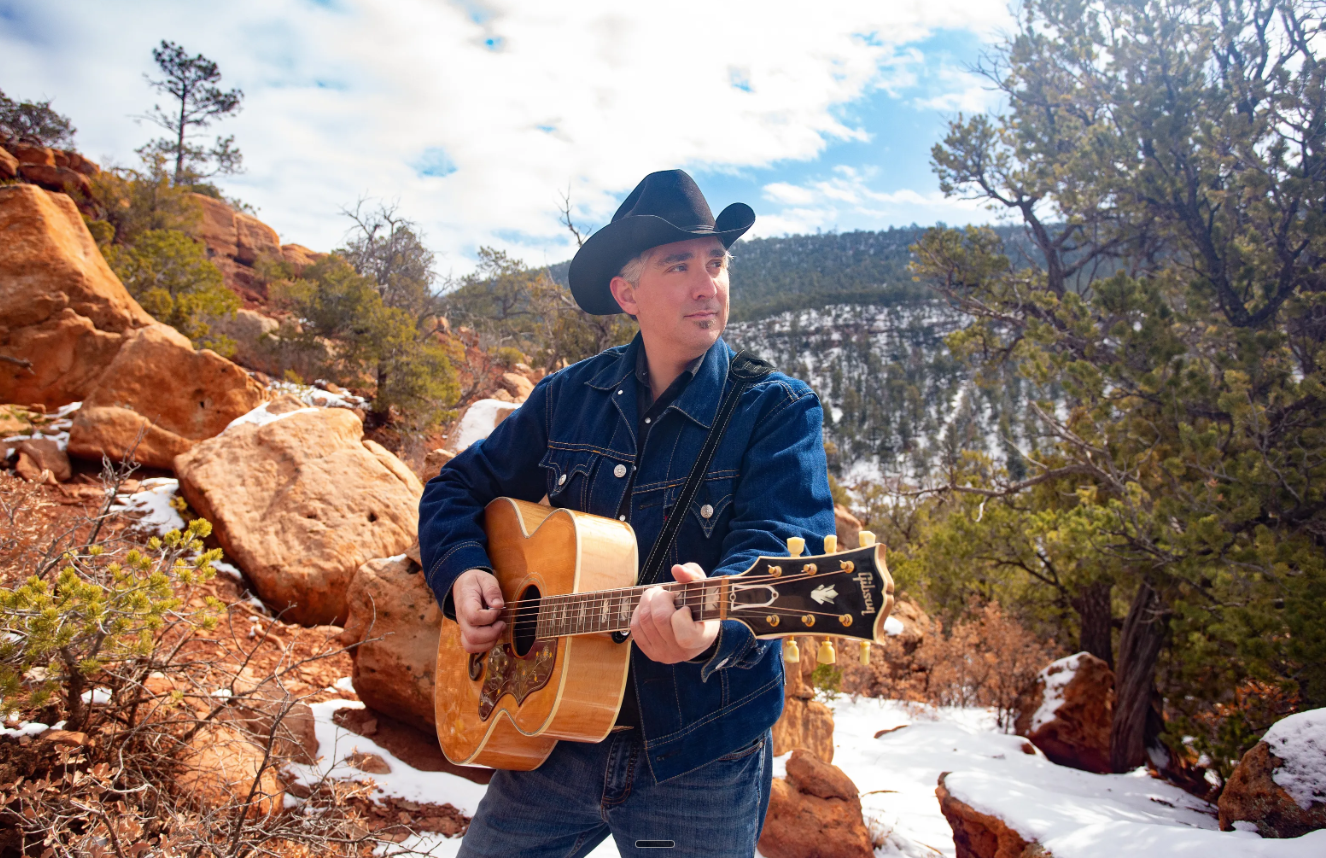
James Trawick
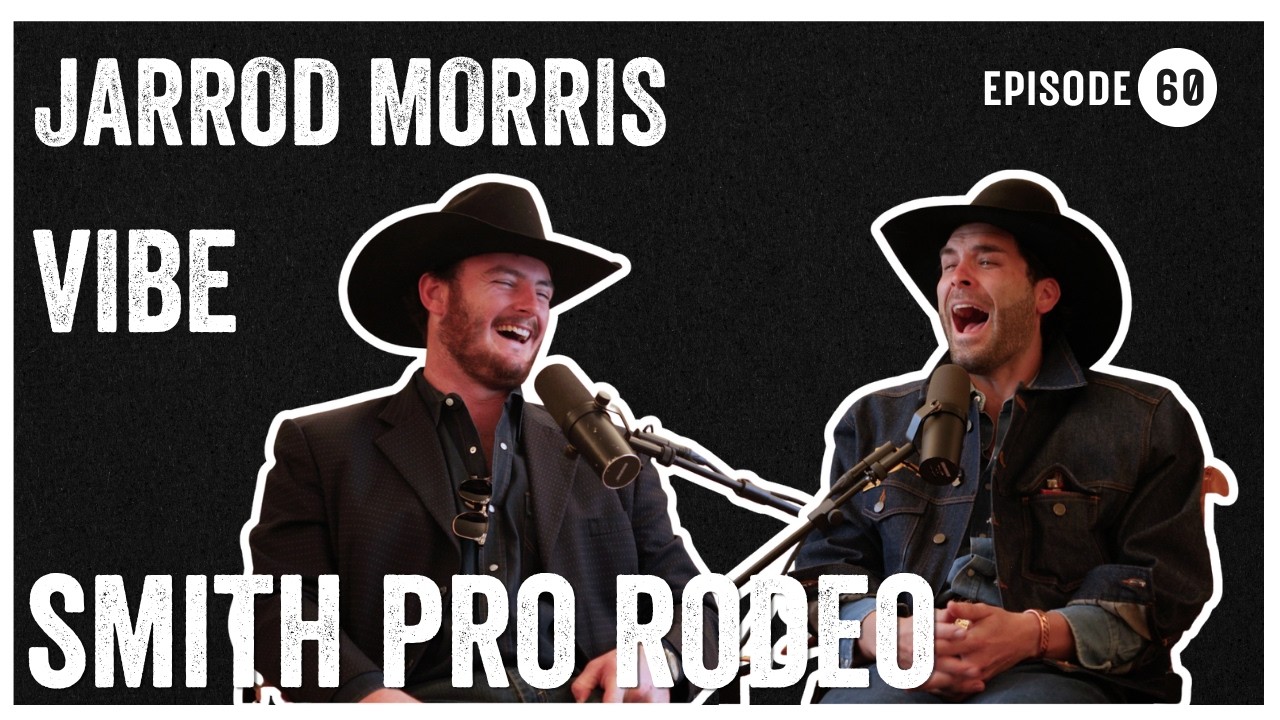
Hosted by Jarrod Morris, Texas-based singer-songwriter.
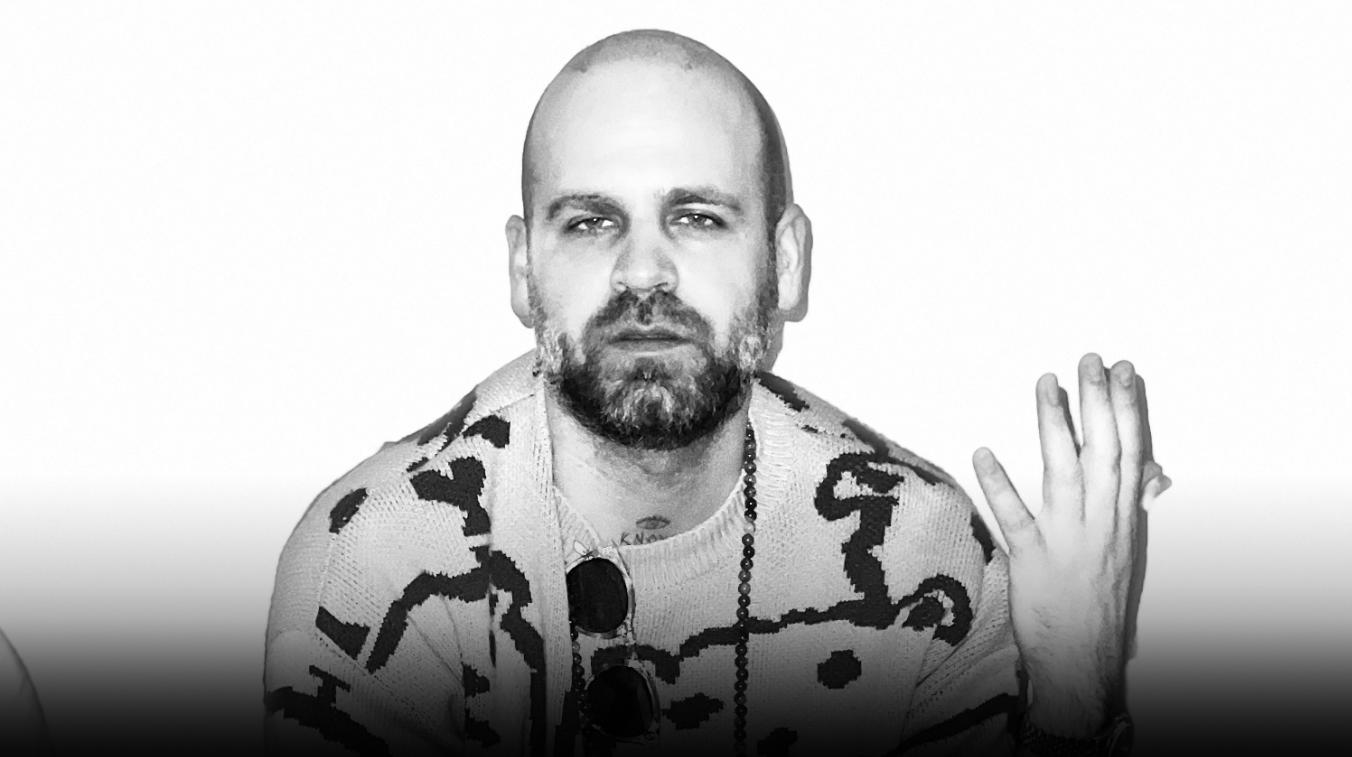
James Trawick is the founder and CEO of the Hondo Rodeo Fest, an invite-only "Million Dollar Rodeo" that pairs elite professional rodeo with stadium-headlining country and rock music. A former western-sports competitor turned media and film producer, he built the event to put the best cowboys and the biggest touring artists under one roof and pay the athletes like the stars they are. Since debuting at Chase Field in Phoenix in 2024, the festival has grown to draw tens of thousands of fans, staged a seven-figure purse, and expanded to the Caesars Superdome in New Orleans, with Tampa announced for 2027. Its lineups have featured names like Jason Aldean, Creed, and Lynyrd Skynyrd alongside a field of world-champion rodeo athletes.
https://www.thehondorodeofest.com Hondo Rodeo FestJames Trawick Episode Transcript
Episode TranscriptRead / hide
Full episode transcript, auto-generated from the audio and lightly formatted (verbatim, not edited).
purpley >> you were saying about motocross parlaying into rodeo when you were talking to him. I got to see got to see I unfortunately saw a friend of mine wreck bad like blew out both of his ankles. I used to I didn't race but I had a YZ125 >> because that's still like >> we were we were fun.
We were having fun. We ripping around. But it was like uh the thing that Okay, motorcycles are not my thing.
I need to go back to horses, you know, >> which is funny though. You have more control of a motorcycle technically. >> I tell that story, people are like, what?
>> Yeah. In a lot of ways, uh, a horse is way sketchier. >> Yeah.
>> Uh, I I never jumped up from I had 85s. >> Yeah. >> Uh, and I race raced those some when I was younger, but I quit like in the eighth grade.
I got hurt real bad. And it's that that moment of like, >> yeah, that hurt. >> I want to do some other things.
>> Yeah. >> And if there's even that little bit, it's almost like riding bulls or something. I mean, I never gotten on any bulls, but it it's uh if you even question at all and you're holding back at all, that's when you're going to get you're going to get hurt either way, but you're probably going to get hurt more if you're questioning it.
>> It's going to get worse, I think. >> So, you didn't race, though? >> No, it was just for fun.
I had a >> cuz like a That was 125. It was like the two strokes back then. Why is he 125?
My dad had a 450 like we so we had the bikes but we this is when I lived in Florida. We had the panhandle um the place in the panhandle. My mom's side was in a so they had a lot of land and it was like just ripped around.
>> Where were you all at the panhandle? >> Chipley right off I 10. >> Where's Chipley?
Is that west? >> You ever heard of the Bonaf rodeo? >> No.
No. No. >> It's the only rodeo only other rodeo on grass aside from >> Pendleton.
Yep. Oh, is it big >> in the south? It's one of the bigger ones in the panhandle.
Yeah. >> Oh, okay. >> But rodeo down there is um certainly not like out here.
>> Sure. >> Right. Which is part of the reason why we're going down there with what we're doing.
>> Oh, >> you know, I mean, it's just scarce. >> Yeah. I guess it could be an opportunity.
>> Yeah. >> It's probably more difficult in ways though. >> Yeah.
You got to haul the bulls and, you know, the Bronx. There's not as much to choose from down there, but the people, >> have you ever been to Okala Equestrian Center? >> Holy cow.
Huge. And and and the drive, you know, I'm in Euphala now, so I'm driving from Southeast Alabama to Tampa because it's two and a half hours to the airport in Atlanta and it's five hours down there. I'm just gonna drive.
But you're driving all the way through Florida, you know, and you're getting to see everything from Valdasta and it's nothing but a all the way down Okala. This is the world equestrians. It's like one of the biggest horse focused facilities in the US.
Might not be globally, but um >> it's it's pretty it's huge. >> Yeah. I mean they do they got people flying in there from all over the world >> and there's horse farms all over that drive down.
So, I think that the interest level is there in the community and all the surrounding areas. Um, and there's rodeo, too. It's just not um I mean, the PRCA incentivizes their guys um to go west.
All of the all of the events are here in Texas and up in the Northwest in the summer. And um you got Montgomery, Alabama. It's probably the biggest PRCA sanctioned event down there, but it's just it's a hall.
When you got a payto-play game and all the expenses are on you and you can look at how much is added and you can see that the fuel bill costs more than the potential to win first. When you get there, you're like, ah, I'm gonna go to the closer. >> Yeah.
>> You know, go west. But it seems like the state of Florida like the the government and stuff. Uh I mean has aren't they uh I think they're helping some right with like putting on the rodeo and incentivizing it a little bit or >> We're working on it.
>> Okay. >> We're getting close. >> Yeah, >> we're getting close.
Louisiana's government is very helpful uh in what we're doing down there. Uh Governor Landry is very very helpful. He loves it.
Loves it. And he's at at the show every night. Kate Sier uh I can't remember what a score was but he he wrote a good one and got off on the pickup man and the pickup man was like where the horse and the pickup man met was kind of like coming around uh to the back side of the p to the arena and it was along we build these um these big suites on the perimeter of the arena facing in New Orleans it's facing the bucking shoots behind them opposite would be >> how does that work if they're fa >> across the arena >> gota >> so opposite That's the opposite of buck and sheets.
Uh, and then behind So you're So this is like the best spot in the whole house to be. It's like our premium premium. So you're you're on the on the paneling right over looking over the dirt and you turn around the stage is right behind you.
So think endzone to endzone, right? You're you're looking facing one end zone and that's the arena. And our um our bucket shoots are kind of like over the back of the end zone and then you turn around and the stage is, you know, right behind you.
Anyway, story was Cade is getting off his Bron and and the pickup man's coming around the fence and Governor Landre's, you know, he's 50 yard line. We got to give him the best spot in the house. And he's on the, you know, cheering cuz Kade's from Louisiana and he's cheering him on and and uh and Kade rides a good one and he gets off and the pickup man's coming along the fence and it's like it just so happens that he comes right in front of the the uh the box, the governor's box and Governor Landry standing right there, got a beer in his hand.
He gives it to Kade. Kade chugs it then he rides off. We've got a clip of that.
It's It's awesome. That was >> I know. I don't know how I didn't see that one.
>> Yeah, that was one of the coolest moments of the show. Uh in Louisiana, but we're working on those relationships in uh in Florida, too. Byron Donald's is the incoming favorite on the Republican side.
He just won the primary. So, if he can get that done, we've got a good line there hopefully in the future. >> Yeah.
The Tampa's definitely never seen anything like this coming up. >> No. But I'm telling you, um, the data like social engagement, ticket sales, all that type of stuff.
Um, it's hotter than any market we've ever been to. >> Starving for it, >> I think. So, but it's like what we just talked about with the with rodeo and the scarcity in the east.
They just don't get it. They don't have it right. Especially at this level, >> you're talking about the best eight in the world going headtohead.
I mean, >> yeah. And y'all also booked some absolute bangers to play. That's nuts.
>> We don't mess around with that. We step into it. >> Just went for it.
>> Yeah. >> Yeah. Nickelback's such a funny one.
Like it really wasn't that long ago that people were dogging them so hard. >> Yeah. >> And then it's like it flipped on its head.
>> It's like, wait a minute, we don't this good. We like this music. I know these songs.
>> Yeah. And I I think I saw the Chad, the lead singer. I saw him in some interview.
I think I saw it in an interview where he he he's like starting to play a bunch of these rodeos and stuff and that was never like a part of their life or anything. And then he's like, "Huh, interesting. These people love this stuff." >> What's cool about that band in particular is the draw that they have in Canada >> and Calgary and Rodeo in the north.
Like, >> well, I guess they're from Canada, right? >> They are. >> Okay.
>> And we didn't realize. So, we do a pre-sale before every every sale cycle and you have to uh either give us your phone number or your email type kind of thing. And all the Canadians were want to come see Nickelback and they don't area code's not the same.
Something about it is not the same and they were trying to plug in their stuff. It's like it's not working. We want to go.
Anyway, that was it was intriguing to see how they in particular pull people from Canada and we're seeing it again down in Tampa. People are coming down to see them play. I got another Nickelback for you.
So John Kber, right? Reigning world champion in PBR right now. He just he just got it done.
But 2025 when Nickelback was playing, I'm walking down this down the U platform that these floor boxes are on. We bring some of the athletes in there and John's literally standing on a bar height stool screaming at the top of his lungs singing every word with Nickelback. It was so hilarious.
And then you got Kai Hamilton sitting beside him. You know, he's got his arms folded looking at him like, "What are you doing?" >> So serious. >> Yeah.
No, he was having a great time, too. But John was really having a great time. >> Yeah.
John's lo John's local here. >> He's like the king funhather. >> Yeah.
>> Of the of the group. >> Yeah. Most of the ruffies are.
>> Yeah. Yeah. Yeah.
>> And you did you What did you do? Did you Did you pro rodeo at all? >> I tried.
>> Yeah. >> Wasn't good enough. And that's part of what drove some of this.
You know, I did from about 15 years old, the dirt bikes were what I wanted to do, a little bit of basketball, a lot of dirt bikes until a friend of mine got in a wreck and it was just, I don't know, eye opening. I was like, this is not I don't like it that much. I like ripping around.
It's fun. I like the adrenaline. But my mom, thank God, even when I was kind of being rebellious about the horses and all that stuff, she raised uh and bred, her and my dad worked together and raised um we had a rainy cow horse uh stud and they were trying to build a >> who was it >> program.
Um you're not going to know this horse, but he came second. He was with uh something bale Oh, what's his name? >> Rain Cow Horse is my favorite.
>> It's not Travis Bell. I'm gonna blank on his name, but he's in the run for the million now with what Taylor's doing. >> Yep.
>> Last name Bale. He was a horse trainer that uh was in I want to say South Carolina, but they had a they had a a stud cult that he was doing the snapple biturities and all that stuff on and and um the horse got pneumonia and placed didn't win. And it was just kind of like, are we gonna double down?
Are we gonna, you know, keep doing this? Are we just gonna bring him home? And and they were like, ah, let's bring him home.
My dad gelled him and then he healed on him until last year. That horse passed last >> Oh, yeah. >> Crazy how he was with us for so long.
But um >> when you when you say you were rebellious with the horse thing, >> that's just what they were doing. >> Okay. So mom was breeding and barrel racing and my sister loved it.
And my dad was learning how to team rope. So my dad was in telecom and he fell off a telephone pole working in construction and blew out his ankle. And so his right ankle's fused and he was doing like church league softball and stuff like that at the time.
And my mom was really into western pleasure and he said, you know, can't can't do this type of stuff anymore. We're not we're not hiking and going hunting and stuff like that. So let's rope.
He had friends that were roping and this was like, you know, the Rich Skelton, Speed Williams era. And Speed came from, I think, Jacksonville, somewhere down there in the southeast. And so there was a lot of guys in that pocket.
Northwest Florida, Georgia, Caleb coming from from that area too, you know, but there was a lot of people that were competing in that area and team repping was hot. So he got into team roping and that happened, you know, when I was really young. So that's what I grew up in and it was what the whole family was doing.
We had horses all I was cleaning stalls, having to feed. I'm like, I don't want to do this crap. >> And dirt bikes were, you know, >> and like Well, you said you guys were high school in '08.
>> I graduated high school in08. >> So like Yeah. the early 2000s though, that was like skateboarding, motocross, that was thing.
>> Like Travis Pastana was like the coolest thing ever right then. And uh uh what was this? Degan and the and the um >> Metal Militia.
>> Metal Militia. Yeah. Like that.
We used to watch, you know, and they had the PlayStation games. And then we would go outside and like, you know, try to kill ourselves on dirt bikes. >> Yeah.
It was funny even around that time. I think it was when uh a lot of the I remember uh RVCA and uh Hurly. >> I remember like a lot of the rodeo guys and the bull riders started to wear >> Hurley.
Yes. Yes. And I just I wanted to do the dirt bike and then the wreck happened, right?
So my buddy broke his ankles and I was just like, "Okay, maybe this team repping thing is not such a bad idea, you know?" And so they had the horses thankfully and all throughout that time period, what I mean by being rebellious is it was a lot of work to keep up with all of that. And thankfully my parents made me, you know, taught me work ethic through that. and and but when you're that age, you don't you don't get it.
Um but she my mom was like, "You're going to know how to ride. Like, we're going to we're going to do this. You're going to know how to take care of your tack and we're going to all the stuff, right?
We're going to know how to neck rain. We're going to know how to, you know, do flying lead changes. We're going to be able to keep a horse in shape and leg up and the basics.
You got to know it. I don't care how much you don't want to do it. pretty pretty rare to be team roping as a family, but then y'all also have uh all that experience with some like pretty fancy horsemanship stuff >> from >> I don't know how fancy you want to, >> dude.
Compared to like stereotypical team roper. >> Yeah. Um Yeah.
>> I mean, come on. >> Talking about neck raining and le changes. >> Yeah.
>> I mean, how many times you hit a jackpot and you're like, "Oh my gosh." >> Yeah. Yeah. Yeah.
So, I'm thankful for that because it helped me um it just gave me a love for the horses and for the sport for when the time was right. And then when I got into team repping with my dad, um it was just a lot of fun. We got to go as a family.
We got to go to especially in the summers. We would come out here from Florida and go all the way to Cody, Wyoming and back like just spend two months at a time. And those are some of the best memories as a family, you know.
And um and so I just kept kept with it and I wasn't very good. But I did high school rodeo and college rodeo and then >> where'd you college rodeo at? >> Hillsboro.
Paul Brown. >> Yeah. old Paul.
He's a good man. >> Yeah. And then uh and then you still you pro How long did you prodeo for?
>> Not long. I I didn't even I didn't even really call it You can't even really call it pro rodeo. And I didn't I never once I was into the college rodeo thing.
I got to the point to where I was hauling with guys that were that were good enough to go do that and it became abundantly clear like this ain't me. I'm not there yet. and the work that it would take to get there, the horses, the time.
I need to go to work. And I can I can vividly remember coming home one day and talking to my mom and my dad about it. It's like, thank you for helping me with the trailer and the horses and all the stuff.
But as fun as this is, it ain't going anywhere. And that's obvious. And it's time to go to work.
>> What' they say? >> They they understood like, "Yeah, yeah, you're right. Um, >> isn't that funny how there sometimes people take that as like lacking confidence or like man you need to like believe in yourself, >> but there's sometimes in life that it's like >> it's just not for you.
>> Got to be self-aware. >> And so, and they were great about it, but I just kind of >> kept one saddle, sold everything else. Dad kept doing it for fun.
Um, >> so going what did what was going to work? Well, I started I had a a close friend that was building shops, welding fence. So, I held pipe fence while he welded.
And uh you know, ran an augur and poured concrete for a minute. And then um I also had a job where I was working on a registered black Angus operation down at Grand View. Did that for a while.
fed cows, checked on fence and then I got into um film and film the film industry is where I spent shoot almost 15 years. We started out with like a hunting show on the pursuit channel like a lowbudget hunting show. We went all over doing that for about a year and a half and then just started um social media was really and in and the influencer culture was really starting to bud and so I got in on that and did some in the outdoor space.
Built some content for um Under Armour, Bass Pro, stuff like that with some of the some of the influencers that were sponsored by them. We would do short films and enter them into like the Badlands Film Fest and it was like a elk hunt short film, you know, and um and then that kind of parlayed into commercial work for for Cavenders or oil and gas companies and stuff like that. We were all over the place and we had an office in the stockyards.
Was there somebody that you were friends with or something that originally helps you with like the technical part of some of that or what what like initially got you into >> the film? >> Yeah. >> Well, my dad knew the guy that was doing the u the hunting show and so it was a a warm start there and this guy just needed somebody to come around a camera and I didn't know anything about it.
Um there was a um a stint in high school where I did yearbook because that's where all the hot girls were. when we moved from Florida to Texas. Uh >> I'm glad we got that out though.
>> Yeah, >> you are into women. >> I am into Yes, very much so. Uh one in particular at this point.
Her name is >> three beautiful >> That was an excellent >> children together and uh she's at home holding the fort down so I can be here. Uh, but yearbook was kind of like the basic T3i Canon, you know, go take pictures of the football game and bring them back and we're going to work them into the and that was when I like this is kind of cool, you know, I liked it. But but yeah, there was um there were several people along the way that helped.
the the production company um that I started that we ended up working through for so long was with a guy named Brad Hughes and um I worked with him. He went to film school in Austin and I went to film school at and didn't didn't finish but we started this business at like as I was going to school and I got into like one of my capstone classes and there was a teacher that she like we got this assignment we had already started this business and we had some of our own equipment. Part of the assignment was you got to go use the equipment that's assigned to our grade level or whatever.
Like this is we have this set. The upper classmen have these these types of cameras. >> This is in high school or college?
>> No, no, this was college. This is when I was going. >> So, you already were making some money though.
>> Well, that's kind of where I'm headed with this is that we were working and my film class I got docked. My grade got docked because I was using our equipment that we had bought as a company and the the product that that I created was better than the grade that I got and the teacher adopted me because I didn't go through the systematic process of you got to use this equipment, you got to go check it out from from I was just like this is so backwards the way >> Yeah. missing the whole point.
>> It pissed me off and and and so I was done at that that was the turning point for me in college where I was just like college is not for me. Did you finish or you dropped out? >> Yeah.
Sorry, Dad. >> Yeah. Well, that just shows the teacher that docked you probably hadn't >> made any real money from producing the thing that they're teaching.
>> They were there to regurgitate curriculum. They weren't building thought process. They weren't building creativity or fostering any of that.
And it became a it was just another inflection point in my life kind of like walking away from rodeos. was just like this is not this is not it. >> Do you think of yourself as a pretty creative person?
>> Yeah. >> Where did you get that? You think >> the good lord?
>> Oh, parents aren't really quite like that or >> um No, not really. Dad's in con in construction. I would say creative in they're very um solution minded.
Don't don't always have to take no for an answer. And it's not being bullheaded about something. It's just let's sit down and think about how to add value to the situation.
You know, how do we how do we find a yes? How do we find a way forward? Don't always accept the fact that the way we've always done it is the way we need to continue doing it.
And they instilled that in me. And so from that perspective, yes. But when most people ask that question, I maybe you can can clarify, but when you say creative, you're thinking, you know, something a little more artistic or >> Yeah.
Yeah. Often times the creatives lack uh like implementation. I sometimes get a little frustrated about ideas.
Everybody's got an idea. >> Yeah. The hard part is >> executing it.
>> Executing it. Following through. Yeah.
>> But I I I don't think being creative and executing I don't think those are like mutually exclusive. I think you can do both. >> I agree.
I agree. But I the photography in high school was um I guess the beginning of the visual creativity and then Instagram came around and we had these filters, right? Do you remember this?
And it was like oh this what is this? And then I dawned on me that you could uh take images on like a DSLR and then upload them to Instagram. And I was like this is cool.
this is a way that I can make it look different than everybody else. And um and you know, one thing led to another, but that career path, the thing that drove me to grind out the you know, 2,000 $5,000 jobs, one right after the other was a vision for impacting our culture in a bigger way. And I always wanted to tell I wanted to tell stories.
I wanted to do um uh big picture films, feature films. That was really the driving force for we're going to trudge through this. We're going to build a portfolio.
We're going to eventually get to a place to where we can raise some investment. We can do a bigger project. We can we can um kind of touch the masses with what I feel like we need to touch them with.
Right? This is um this culture, this western culture community, the ethics, morals, values, the things that we stand for as a as a as a community is something that I always wanted to bring to the world in some way, right? And at this part of my life, it was content.
It was how do we tell stories, brand films, eventually may maybe feature length dramas because like at the time that I was rodeoing, we had 8 seconds as a movie. >> Yeah. Shoot.
That came out in >> 94. >> Yeah. >> And >> all we had was Brokeback Mountain.
>> Since then, I was like, we got to turn this thing around. >> We got to turn this franchise around, baby. Second half coming out strong.
>> And you look at baseball, basketball, football, you've got, you know, remember the Titans, we are Marshall, the rookie, Friday Night Lives, and on and on and on. And Rodeo didn't have anything. Still don't.
So did you antic when you were doing those hunting shows as like 2014 13? >> Yeah. >> Uh did you anticipate or did you foresee maybe um this culture like western culture uh being able to become more popular at that time?
It was not. >> Yeah. So part of the part of the frustration frustrating thing about Taylor Sheridan is before Yellowstone hit for like five years running I was raising trying to raise money to make a movie um western culturebased you know sport focused because I thought that um it's just natural and you see this in politics but It's natural for the pendulum to swing, right?
And we were getting way left. And I felt like left, right, indifferent. There's something about the cowboy community and the western culture that's just grounded.
It feels center. It doesn't flail. It's always the same.
Now, you have your outliers and your stuff, but for the most part, you can bank on this community to be consistent. And I think we got at a point in America where that's really what we were hungry for. We were hungry for somebody that's going to be true and honest today and tomorrow.
Um, and it just worked. It worked for him. And I'm tickled for him because I'm riding that wave in a different way, you know?
>> Yeah. It's made Yeah. That's like that ultimate question.
Does like art reflect life or does life reflect art? >> Kind of goes both ways. He's he's made a lot of people a lot of money.
>> Mhm. >> I'm curious that pendulum swinging though, like at some point >> it'll go back, >> right? >> Yeah.
>> Maybe it will have elevated to a like maybe a level uh that like maybe it doesn't pull back super super far, but at some point people are going to get tired of of it, right? And it moves to something else in terms of like just popular culture. >> I I hope my hope as you look at how kind of extreme the dialogue or discourse is, my hope is that the middle grows and what does swing with the pendulum is just these pieces on the outside.
>> Yeah. >> It's like these there's this uh this segment that's just so far from reality. >> Yeah.
And I think that right now in particular, we're just seeing a lot of people, no matter what you believe politically, you're just like, let's just let's kind of bring it down and not weird that like >> come back to the middle. >> Yeah. But it's it's turned out where like now we're talking about like lab grown meat.
>> Yeah. >> Like that's not like a political thing. It feels like there's a like a separation that's happening in society where it feels like the Matrix where there's people that just want to operate in the real world.
Yeah. >> And then there's going to be other people that don't care and they're okay with eating lab grown meat and they're okay with listening to AI music and they're okay with like >> not ever talking to a real human on a customer service phone call and they are okay with never leaving their home. And then there's another side that's like, uh, I think I'm gonna eat real beef and I want to hear like a real guitar with a real person playing it and I want to like, you know, grow my own vegetables and uh, and I don't want you to like pump my kids full of a bunch of garbage right when they're born.
Yep. >> If you know what I mean, without actually saying the word. Yep.
>> And like I don't know, it feels like there's >> Yeah. And so like the cowboy western lifestyle definitely fits over there. And if that makes it left first, I don't find it to be left first right.
And that's where I think there's a lot of people in big cities that are that are starting to like step back and go, "Huh?" >> Well, the big cities are the home of the Hondao, right? And so what I'm doing and what we're trying to build is a place where that doesn't matter. And you get to check all that at the door because music and rodeo or sport sport entertainment if you want to call it that that intersection it just attracts people from every pocket and it tears down it tears down those barriers because when you're not behind the keyboard and you're drinking a cold beer watching you know a 4 second run or you know an incredible feat of athleticism and then you get to enjoy the music, it tears all that down.
And what happens, in my opinion, is when you get away from the screens and that separation, that digital separation, uh, and into a context where you can actually look somebody in the eyes, they're right in front of you, you just act different. You have more respect. And the way that you approach the dialogue is altogether different.
And we need more. We just need more of that, period. And I think that the Honda's a great a great place to add that to culture.
>> I have a hope that all this AI garbage where you just scroll on there and you can't tell what's real, what's fake. You can see it in the comment sections, too. People are going like, I can't I don't know if this is >> right >> real or what this is.
I actually have a, you know, not that long ago, people were complaining about everybody just being attached to their phones and >> yeah, >> you know, and then it feels like society kind of got really used to that where it's like, well, it's just the way it is. everything's on your phone. And then now that we can't trust what we're actually seeing, it feels like there's some people that are withdrawing again.
It's like, man, I got to go back to my hope is the AI thing just kind of forces people to get back into into some real stuff, real world stuff. Like, I think it'll help live music ultimately. >> I think it'll help uh a lot of artists that are actually doing things that are cool and unique.
If you're doing generic derivative stuff, it's but you're already making AI essentially >> basically because >> you're copying stuff already. >> Yeah. >> So I think the cream rises to the top.
>> I'm optimistic actually. >> AI is not going to have an original thought, >> right? >> Until it's freaking sentient.
>> Yeah. Well, they're working on that. >> Terrifying.
>> They're we're working on that. But even when that happens, or if that happens, I think the clouds are going to part. We're going to see a white horse and a guy with a tattoo on his thigh coming down.
>> You think so? Do you think that that is like the >> I mean, it's hard. It's hard not to want that to happen if we get to that point.
>> I mean, it does feel pretty dystopian. >> Yep. Yeah.
When I think about the world I grew up in and then you hear things like what when my grandparents talk about the world they grew up in, you think about where you're passing on to your kids, you know, and my I got a four-month-old. Um, >> granted, every generation thinks that they're the ones. >> They've all said it.
>> Yeah, >> they've all said it. >> Dude, World War II, can you imagine living in World War II? >> Like you got this like dictator guy that's just like killing all the Jews.
>> Yeah. >> And then I would have been like, "Well, >> this is it. >> This is it." >> Yeah.
But for whatever reason, it wasn't. I don't know. I don't know.
And you won't. You just >> We're never going to know. though.
Keep your lamp keep your lamp on. >> Yeah, for sure. Yeah.
So, uh what's it like like running this thing? >> A lot of fun. >> It's got to be like incredibly stressful.
>> No, >> really? >> No, it's a lot. >> How big is y'all's team that put it together?
>> There's only 14 of us. >> But you scale way up when you get to Showtime. You've got people that come in, you know, hundreds and hundreds of of uh you know, stage hands, rodeo crew, that type of thing.
Um, but on the dayto-day, it's a lot of fun and the show's a lot of fun. I mean, it's hard work, but you're getting to um I mean, come on, we're doing a rodeo in a in the Superdome. We're doing a rodeo at Rama James where the Bucks play, right?
Like, it's it's a dream come true. It's what I, you know, you talk about how, you know, a man a man will create his his plans, but the Lord establishes his steps. And at the point where I never did get to make that movie.
Um, and I never did get to go pro in rodeo. Those closed doors were leading to this. And the further into it you get, you look backwards, it's abundantly clear, right?
Um, >> but in the middle of it, you're just >> No, it's so frustrating. You're so mad. you're just but that pressure of figuring out how to navigate all of those closed doors makes it that much easier to walk through the right one when you get there, you know, and um and so for that I'm very grateful.
But this is uh yeah, this is a dream come true. >> Do you I mean I take it you're a Christian? >> Yes.
So, do you do you find doing um like in the business world and trying to accomplish big things, do you find that like what you believe within your faith uh I'd imagine you like follow the teachings of Jesus pretty as close as you can? I'd imagine. Do you ever find that that's at odds a lot of times with like accomplishing some uh maybe financial or business goals?
Not necessarily. I think that um I think the the rub that exists in those dynamics are born out of a variety of personalities also trying to interpret what they believe about those things and there's differing opinions because everyone's circumstances are different. And so the friction that I've personally experienced is typically tied to something along those lines.
It's not that um >> so you're saying their interpretation of >> it just everybody is um everybody looks at the world through their own historical experiences, right? The Bible's the Bible. You're not changing what it says about about life and about correlates and you know what the Lord has to say about all that.
But I think that you know what I am trying to accomplish I cannot do on my own. It requires a lot of people, right? And with those people come personalities and historical experiences that find their way into influencing the decisions that they make today.
And that creates an interesting constant nuanced circumstance. And so those things uh make it challenging. But I don't find the Bible to disagree with um the pursuit of big dreams or um financial gain.
I think that the the ideas and the creativity that lead to concepts like the Hondao are a gift from God. And I think my purpose is to be um the best steward I can of those ideas, those gifts, those talents. and the team that we have together.
And I think that that means, you know, even on the financial side, right, the money's his in the first place. If we're gonna put a bunch of money into this, we need to figure out how to make more of it in the process so that we can reinvest it. And a lot of the things that um that we like to do um to honor him in the process is give back, right?
the the bigger we can grow this thing, the more people we can reach, the more walls we can tear down to bring people into one place, we can impact culture and we can give back as we go. Um it's a huge huge importance. But no, I don't find the Bible to conflict with um and I maybe I'm misunderstanding your question, but I don't find it to conflict with that that pursuit.
>> Yeah, I don't think you're misunderstanding it. I just find sometimes in my life, especially like um having people work with you um or or like even people you're collaborating with, like I've always struggled sometimes with uh like I know I could potentially probably like manipulate somebody to a degree to like accomplishing more or like I could be harder on maybe people or uh but like sometimes I find that to just feel dirty, >> right? >> Yeah.
and uh and and like I just don't see like a guy like Jesus, you know, doing that. It feels like there's probably times by like treating people the right way or doing the right thing, it might cost you a little bit. >> Yeah.
Yeah. >> You know, because you can you can find some people that are sort of just hard asses about everything. >> No doubt.
>> And they get a lot done, but it's like I just could never bring myself to just really operate like that. >> Yeah. >> And it's like there's a but it's a tough line to Well, I think it depends.
Um, you know, if it's going to be if the if the the goal here is to honor the Lord and what we're doing, when we dishonor the Lord, I become a hard ass. If it's not that, then we're trying to have grace and patience and figure it out, right? But it's it's um it's it's nuanced.
Again, it's different in every circumstance. Jesus taught in analogies and parables and stories and I find that to be extremely helpful and useful. Right?
It it's not always the detail of what needs to be changed or what needs to be accomplished. It's the it's the story that helps people land in a place where they are actually trying to think about the solution, what it is that we're doing at a bigger from a bigger perspective. If you can pull them out of the weeds, it helps.
But but there's there are if you go to the story in the Bible about the talents, there were several people in that story that received se several different amounts of talents. You remember the story of of the of of the some um buried their talents, buried their their seed. it didn't it didn't produce any any new um crop and then some um went and planted it and harvested it and turned it into more.
Um and there was the perspective on that story um to me is that we all have a different skill set and all of us have a different purpose and the financial or monetary uh um reward is what's on the tip of my tongue. But it's almost like you know the Lord is going to trust certain individuals with certain things, right? He didn't give me a singing voice.
I can't play a lick on a guitar. Um, for some reason that's your gift for you to steward, you know, and for some reason that I may not fully understand until I go meet him face to face, right? Like these gifts of producing this event and managing this team and um I'm just equipped for that, right?
It's it's a different if it's a different thing. So, um, >> how much do you have you gone through phases of doubting that that was your thing or what you were supposed to do? >> For sure.
For sure. Um, but I but I there's always been a level of doubt in just about anything, right? And it's requires a lot of stillness and patience and just seeking to try to determine, you know, is it my own fear?
Is it a lack of preparation? Because that's real. Like maybe maybe the Lord called you to do something, but you haven't put in the work to prepare yourself to accomplish that thing yet, right?
And you got to do some more work and that could uh that could creep in. But but yeah, there's been doubt. There's been doubt even where we stand today.
You know, we got we're going to Tampa. We're gonna put this thing on in a in a you know, the Bucks play football here. are we going to be able to do this?
And all you can do, all I can do is do the daily work, do the small steps, you know, and try to do it to the best of my ability. And it is what it is, brother. >> It's gambling, dude.
Do you gamble at all? >> No. >> Yeah.
Me neither. >> Yeah. I have friends that are uh that are good and I'll go to the table and I'll drink the cold beer while they gamble.
Yeah. >> But no, I don't gamble. I'll be I'll I'll do it for you.
>> Okay. >> I'll do it and I'll drink the beer with you. >> And in a way, I guess I've gambled by proxy.
I'll give him a 20, >> you know, like >> Well, okay. >> Try to try to do something with it. I don't >> I thought you were talking about putting a rodeo on at Raymond James Stadium.
>> Yeah, that's a gamble. >> Come on, bro. >> That's a gamble.
>> Yeah. >> Yeah. You're just like your roulette's a lot bigger.
>> Team repping's a gamble. Like, it's all Yeah, I guess it's perspective on how you answer that question. Yeah, I guess I could do gamble.
>> It's not with cards. Yeah. It's something you might have a little more control of.
>> Yeah. >> Yeah. It's interesting these rodeos that are putting on the concerts, too.
Like >> I've heard some of them talk about how like the rodeos sometimes will be a little bit light and then a lot of people show up for the concert. >> Yeah. But at the same time, it's almost like what gives the concert credibility is because you've got like freaking a real rodeo going on.
Even though a lot of your average people like just don't know maybe what's going on and they they they like it like to a degree. They want to like watch, you know, low riders or something like that. Maybe the barrel racers, but they kind of just don't really know what's going on and they just show up for the concert, >> catch catch the end of the rodeo.
But at the same time, it's like the concert wouldn't be as cool if the rodeo wasn't going on. >> Yeah. Yeah.
>> Because I've heard some of them talk like, "Why do we even do the rodeo? Let's do the concert." It's like, "No, no, I think you're missing the >> It's the sum of all the parts." >> I think so. >> The value in the ticket is the sum of all the parts.
You've got artists that will come to our show that will not sell, you know, 30,000 plus tickets on their own. >> Yeah. >> They just Oh, yeah.
>> Right. All right. Now, granted, we put really strong openers and sometimes it's considered to be a co-headlining bill, but the rodeo is the best eight in the world available at that time, right?
With a million dollars on the line. There's a guy that's going to ride a bull and he knows that there's seven other individuals to his right, to his left, that could also win that night. Pressure on.
This is not, you know, your average rodeo where it's like in the summer run, everything's so spread out and fragmented. Um, the pressure's on, right? Everybody's all in one place and it's all happening in front of the same and that.
So part of what I'm trying to solve for because of that how close I got to the sport and on the competitor's side the idea of entering up paying to enter and then and then roping in the slack. Sometimes you want her up in the slack, but on the from a contestant's perspective, sometimes that's easier, better logistically, there's a lot of reasons, but from the fans perspective, you can't have Riley Web roping in the slack. You can't have Kate Sier riding the slack.
Like, that's your show. That's how we deliver the best product to the fan so that those fans become more excited about what we're doing next and bring people with them. >> And the rodeo is invite only.
It is correct. >> It is. But back to your your point about who shows up.
You're right. Like I mean that's a thing with these combination events where people will wait until barrel racing and show up and then enjoy the concert. In Phoenix in the first year, we broke the walk up record for all three nights.
>> Walk up record. They're buying tickets right there. >> Day of day.
>> How what a weird event to do that at. >> So it's it's a new show, never been done in Phoenix. It's happening in downtown.
People are like, "Right, what is it?" Which means you've heard this from a marketing strategy standpoint. You got to hit people with ads several times to get them to convert. >> Sure.
Well, that year it was if the average is 7 to 10, we were 20 to 30, right? Like we had to work for it because it was so unknown. But when they got there and they saw that rodeo and they it just it blew I think it blew everyone's minds at the caliber of competition, right?
Everything moved faster, jumped higher. It was just all together. >> Were y'all uh kind of freaking out day of >> because if you hadn't pre-sold that many?
>> Well, we Yeah. >> I mean, I'm sure you did some, but then to be able to set the record on walkups, >> you were like, "Oh my gosh. Thank goodness." >> Little relief.
>> Yeah. >> Yeah. But you don't know that until like what what time of day did you find that out?
I guess by like the Perf or something. >> You literally watch them walk in. Like you don't >> You're just standing there going, "Oh, thank goodness." >> Yeah.
They're buying them online on the way up. Oh, >> and it's happening like hours before the show and our crowd, you know, that very first night we had to go Thursday, Friday, Saturday the first year. Um, and so now we do Friday, Saturday, Sunday.
People, we've learned that people would rather, you know, go to work hang hung over on Monday and have to take off Thursday and Friday, right? Like, so, um, >> that's funny. So, it's like it's easier to get them Yeah, it's harder to get them to leave work.
It's easier to get them to just >> They'd have to take off Friday. If they're going to go hard on Thursday night, right, they got to take off Friday. >> And >> I get it though, psychologically, like once you're in it, >> you're there.
>> It's harder to go back to work. >> Exactly. >> But once you're there, it's like, oh, we can keep you till midnight on Sunday.
>> Yeah. >> You're just gonna be have a rough Monday. Um, and so we learned we learned uh be what that walk up metric taught us is that once they experienced it, they wanted it and they came back and they were coming earlier.
So that very first show across all three days, more people were showing up earlier each day. So I was like halfway through the show the first day, you know, and then by like tie down there in for the second night and by the third night it was 75% in the house ready to go for the anthem. Like it just I think impress like oh this is what rodeo can be you know and then and then for sure the next year.
So, we do a street fest that starts at noon. And the next year, like people were showing up for the street fest at noon. >> I love it.
>> And then when doors were open at 5, I'll show you a clip, but it literally wrapped around the block. So, at Chase Field, where the box office is, we go back a block and a half and we ran out of parking lot. And this is little video I'm about to show you is at five o'clock.
like doors are opening >> and >> it's jam-packed. >> Yeah. And you'll see as it kind of pans to the back, it goes a block down and the line >> Oh my gosh.
>> So, people are kind of migrating out of the street fest and into a line because doors are about to open. That's the second year. But to me, what's happening there is the rodeo.
We all know what a concert is. I know >> we've all had an opportunity to see Nickelback play or Cody Johnson, but the rodeo is altogether different and that that brought them in earlier. And so once people sample our product, I I think that's going to be the differentiator for >> I I love that you weren't afraid to to go for I mean, you know, I mean, you come out of this world like sometimes people think the uh cowboy western thing.
It's like we all are just look, George Strait is my favorite country artist of all time, but like >> not all of us are just only listening to George Straight. Like when some dude's climbing down on a Bron like he ain't listening to Amarilla by morning. I'm sorry.
>> Like he's probably listening to like AC/DC or something. >> Yeah, for sure. >> Or he's probably listening to Dexter and Moon Rocks >> today, >> you know?
And it's like some people might be like, "Well, that ain't country or whatever." It's like, well, >> we all like we all listen to that stuff. >> Yeah, we do. Rap, too.
And that's what I love for sure. Rap. >> Yeah.
>> Yeah. There. I got a uh I've gone up the last few years and I play the Sheridan rodeo.
It's like a thing they call Wio Jam, whatever they do downtown. Yeah. >> And the people that put that on >> this last year they had the >> what I think it was the Yin-Yang Twins.
>> Oh. >> And they played Dude, it was packed. >> Let's go.
And so next year there I was talking to them and he was like, "Man, I need I I'm he was uh talking about uh >> Oh, dude, who is um I just blanked on on who it was. They were going to have me open for potentially maybe for him next year." Uh I'll tell you off off the air, though. >> All right.
All right. >> Uh but it's like >> in that vein >> for sure. And it was packed.
Bunch of rodeo kids just >> of course. Yeah. Get down.
Like I I go back to that, you know, seeing John Kber, you know, he'd probably probably be right in the thick of things. Well, that's why I'm like excited that you, you know, you're you guys are booking just cool cool stuff. >> Another thing that happened that night, I was just thinking about Zeke Thirsten.
You know, he got up there and sang Rockstar. >> Oh, yeah. I think I saw that video >> on stage.
They gave him a microphone, everything. >> How gnarly is that? >> So epic.
>> Were you up there when he did it? >> I didn't get on stage. No, I was out I was out on the on the platform watching.
>> So, you didn't get to talk to him or stand over there or anything? >> Oh, I talked to him about it. >> What was What did he feel?
Zeke was >> Did you You got to You got to find the clip. Zeke is like working the crowd like he's a part of the band. >> Just absolutely handled the moment.
>> Oh, yeah. Yeah. And I bet those dudes were just like they're so used to people just getting up there and being a disaster probably.
>> Yeah. Yeah. No, you see it.
So, so on some of the clips that we got that we we used, you'll see uh the guitar player and and it's like I think maybe everybody in the band thought it was going to be like a a verse and he's gone and Zeke was like in it to win it. >> If I'm up here, >> they were dying laughing playing like just loving it cuz Zeke was like screaming to the crowd and singing everywhere. That'll go down in the history books of Hondao moments of you know the best of the best.
That was that was really cool >> for sure. Or did they? So they had him ears and everything.
>> No, I don't think they went that far. Like >> Oh, well that's a crazy thing to do to him. >> Yeah, >> just >> maybe they did.
>> They had to have. >> Maybe >> cuz that would have been an insane thing to do to somebody. >> Yeah, maybe.
>> Impossible. >> They did it. >> Crowd loved it.
I don't know. Just hand him a microphone. Yeah.
>> Gosh, feed them to the wolves. >> Yeah. No, the crowd went crazy.
>> Yeah. Hopefully, I would imagine there's some stuff uh uh getting cooked up for the Tampa show. >> Oh, for sure.
Dexter is uh I saw you had some of those guys on your show and um you know, we we got a bullseye with Treaty Oak and Nickelback and Phoenix last year. And I really do think it's going to be the same type of combo. >> Might be bigger.
>> They are such so hot right now. And and I and I love seeing that whatever we're calling it, grunge, rock, country, alt, whatever it is. It's just awesome >> to have that sound back.
Going back to the motocross days, right? >> Yeah. You're telling me, dude, I love it.
>> It's It's awesome. So to do that paired with rodeo in an environment like that with a crowd that big is just >> Yeah, it's nuts. Dexter they about five years ago they opened for me down in uh >> like outside of New Bron Falls.
>> Really? >> There's like a 100 people. >> That's so wild.
>> Yeah. Pretty gnarly. >> That is so wild.
>> Yeah. So like I've known them for a while and their drummer Ryan is like I think he's a genius. >> I think he's actually a genius >> like in terms of marketing and stuff.
>> Yeah. >> He's a freaking >> He's putting out a lot of really good stuff. >> Yeah.
just keeping them every time I open my phone there's something. And that's funny, like really like outliers in society that like accomplish like really really big things, I've just noticed a lot of them usually pretty eccentric and they usually have a story of just feeling like lonely and feeling like they're different. >> And at some point probably a doctor tried to put them on some sort of >> ADHD medication and drug them out of being so unique, you know, >> and like a lot of those that's like what I've found.
And and sometimes they've like maybe even struggled in life with like making friends and stuff and it's like well yeah because you >> we're meant to do something completely outlandish. >> Yeah. >> You are different.
>> Yeah. >> It's a good thing. >> Yeah.
Let's embrace that. >> Um >> society can be hard on people like that though. >> Yeah.
No doubt. No doubt. When you've got the new idea that's different that's going to change the way that it was always done.
>> For sure. >> Yeah. It's important to like get people together that are doing stuff like that, you know, so you can encourage each other.
>> Amen to that. >> Because it can get lonely. >> Amen to that.
>> When you're going for something big. >> Yeah. >> It's a lonely journey.
>> Yeah. Yeah. The um the music though, I mean, in your career getting into music was that like how did that overlap with rodeo for you?
Like what was the >> Were you born into music? Was your family musical? >> No.
But ironically, neither side of that. Yeah. Family didn't horses, cattle, nothing.
>> I mean, I grew up here indicator. So, I had a lot of friends and Yeah. Which was interesting.
But I was very like uh >> I'm like a hipster at heart, I guess, where it's like whenever somebody's into something. I've gotten over it now now that I've gotten older. When I was younger, if people were into something, I'd always want to like kind of be into something else, you know?
>> It's just like, that's lame. I'm into this over here. which is like it's pretty stupid because still you're not actually making a decision whether or not you like it for yourself.
>> It's still based off of everybody else, right? >> So then you hit a point in life where it's like I just like what I like now and now it's like a pretty eclectic >> combination of things. >> Uh and so yeah, I mean like I grew up just like playing sports and I had a bunch of friends and stuff that rodeoed and like you know bunch of people's family had huge cattle ranches and stuff.
Uh, and I played a bunch of sports and then I was like really into like a lot of the extreme sports stuff when I was younger. >> Uh, but then I had a my brother-in-law is a horseshoeer and his whole family is a bunch of horseshoe. So at the end of high school I started working for him as a summer job.
But dude, when I say like when I started work I didn't know how to put a halter on a horse when I started working for him, you know, like he showed me everything. He was like my older brother. Yeah.
>> So taught Yeah. Literally taught me how to swing a rope, how to do everything, shoe horses. So then I started doing that and then went out on my own shoe and horses and that's that's when I got way more interested in all of it.
But you know I still get a hard time from I mean shoot dude I freaking wear starch jeans and Jordans like >> Oh yeah >> still I get a hard time from people because if you don't fit this like perfect little box then people get weird about it. But that to me is like life. You learn a bunch of different stuff which and hey talking about you don't know what stuff's going to lead to.
>> Me doing so much different things >> has definitely been a blessing. Uh because like I can I can sit with most people and probably find something in common with them, >> right? >> Because I've done a lot of different things.
>> That's so valuable. >> Yeah. >> That's so valuable.
Being relatable, finding a way to build trust quick. Like that's so huge. >> Yeah.
And you've only got, you know, you can live your life. That's the only life that you can live. And like I can I can be the best version of myself.
I'm not in competition with anybody else. Like >> Yeah. >> You know, and every person is that way.
It's like you've you're the only person that can live your life and it's unique and it's special. So like lean into it. You know, >> with our team at the Honda, we we're try we try to do that, right?
Like the perspectives that people outside of rodeo bring to the conversation are so valuable. And you would my uh marketing lead is a hipster out of Austin. He's going to laugh whenever he sees this or hears this.
Uh he's my he's my left earing cowboy is what I call him. He's got uh he's got a beautiful family down there and but his story he met uh his wife through a summer program and she lived in London and they dated for like seven or eight years before they got married and they traveled their dating experience was hopping on a jet and meeting somewhere. Instead of her coming to Texas and him going to London every time they would go to Thailand, they would go to wherever.
all these places. And I just love having him around because it's such a cool his life is his lived experience is so dramatically different than mine that it creates an an incredible opportunity as a sounding board, right? And we we riff on ideas all the time and he's into different other music and all this stuff.
And it's it allows us when we think about what artists we're booking or we think about how we create our marketing assets, it allows us to have a um a unique and well-rounded perspective because we're we're checking the box. Like what do you think? Well, what do you think?
And we've got, you know, from 25 years old to 70 literally and all walks of life, all contexts. And so we try hard to keep ego out of the equation, right? Everybody owns their respective thing.
They've got to be responsible for what they're required to do. But we route things around and have conversation and debate and no one is ever, you know, like I'm right, I'm always going to be right, you know, no, we're always just looking for the best answer. And that dynamic of just having different opinions and experiences creates such a really cool, you know, it creates stuff like Dexter and Nickelback on top of a rodeo and Raymond James, right?
Like it just >> Exactly. >> Yeah. >> And often times if you get people outside of your little bubble, they're they're able to draw >> attention or your attention or like give you perspective on something that you're doing that you just didn't even realize was like, >> "Oh, people care about that.
Oh, that's a thing, >> right? >> Because they're not in your little bubble. They're like, "Yeah, that's like super cool.
You need to emphasize that." You're like, "Oh, that's super." I would have never >> Yeah. >> considered that, >> but unless you're willing to maybe talk to some people outside your bubble, >> which is hard for some people. >> Yeah.
>> I mean, it's We've got uh former president of Fox Sports, LA, still lives in Armosa Beach. We have um I'm not even going to go down the list because it's literally everything. It's East Coast, West Coast, Texas, Alabama.
Um my co-founder on the deal, Blake, he played music. Um and so, similar to my story, he came close, got the record deal, opened for bands like Evan Essence, and he was into the rock and roll scene, got the leather pants to prove it. I'll introduce you to him one day and you'll laugh at the thought of him in leather pants.
>> I try not to imagine it. >> Yeah. Yeah, that's I like that idea actually.
That's better. >> Appreciate you tricking me into that. >> I know what you're thinking about over there, Jerry.
>> But he is uh he had the same, you know, I came close, but I never I never broke through. And so I get married. He's he's my wife's second cousin.
I get married and we're doing tailgate talk, Sunday lunch type kind of stuff, getting to know each other. I come from this rodeo western background. He's southeast Alabama.
He's running a trucking company, but he's got this musical background. And we just he's very entrepreneurial thinker, big- time driver. The dude's got more energy than anybody I've ever met.
It's wild. And he's just constantly spewing ideas like, "What if we did this? What if we did that?" Blah blah blah.
and it ends up becoming this idea. And you know, he calls me one day, he's like, I think we need to do this. There's there's no rodeo in the east.
And he went he's he got to see some of the biggest rodeos. And and then really the big the biggest one you were talking about George Straight earlier. Uh couple years ago, George Straight played Houston.
He closed out Houston and Blake got to go to that, you know, and uh that's like next to as close to a religious experience as you can get. King George in Houston, Texas, right? Like >> and it's just this we've had we've been we had this ongoing conversation about uh his music days.
He had relationships of Apple and directors in Hollywood and this type of stuff from being out there. And so we were he was make helping me make connections, right? How do we make that going back to the to the film making days, how do we how do we take these stories, this history, how do we parlay it into something bigger?
And then that turned into this, right? It just became this. And I had the rodeo relationships, he had the music relationships.
Um, I brought Cord McCoy and Cord's the best human period, but the best at producing rodeos in my opinion there is. And uh, just grew up in it. cord.
It's in his veins, you know, and um and it's all of the it's it's going back to the value of the show is the sum of all the parts and why people why third why 30,000 plus people want to come. Um but the reason why the show is so good is because of all of that, right? It's not any one of us.
It's the whole dynamic that we share, you know, and us leaning on each other, trusting each other. It's a really it's a really cool thing. I'm so thankful for >> Yeah.
What what it's February? What is it in February? Uh Tampa's in February, but Phoenix is in November, >> right?
>> So don't skip over Phoenix. You got to come to Phoenix. >> Right.
Right. Right. Right.
>> Yeah. Which you need to come out and hang out. >> Yeah.
I'm in. >> Come on. >> Twist my arm.
What are the dates for November? >> Uh 13th, 14th, 15th. >> Yeah.
One month before Vegas. >> Yep. Pretty much exactly.
>> Yeah. >> And then Tampa is the last weekend in February and New Orleans is the first weekend in April. for 26.
So we'll do three shows in 26. >> I mean seven. Sorry.
27. >> Yeah. Okay.
Three shows in 27. >> Yeah. What are you saying?
Phoenix is this November. >> Yeah. >> Yeah.
Right. >> Yeah. Like 70 days away.
>> But then you'll do Phoenix again that next November, >> right? >> Okay. In 27.
>> Yeah. We're So we started with one show in Phoenix. We came back, did that show again the following November, and then added New Orleans this spring.
this past >> So, one show in 24, one show in 25, two shows in 26, three shows in 27. >> Yeah, >> we hope to continue to >> Who what's the bill for uh Phoenix? Who's playing that?
>> Tim McGraw and Miranda Lambert together the first night and then Blake Shelton and Turnpike the second night >> and then um >> that's an interesting combo. >> Parker and Leonard Skard. Parker McMullen and Leonard Skard.
>> Yeah, it's pretty interesting. >> Blake and Turnpike. >> Yeah.
>> Huh. Yeah, there was a lot of things that uh did not occur to us um around that that then occurred to us. >> Got it.
Roger. >> Yeah, >> I didn't know. I guess I missed Parker was I for sure got to go for uh is Parker the last night?
>> Yeah, Sunday and Leonard Skard. >> Yeah, I need to just go out there for it. >> Have you ever been to a Leonard Skinnard show?
>> I never have. >> Unbelievable. >> Yeah, >> it is so good.
We had them in New Orleans. Um >> Well, I thought that Yeah, cuz they played with uh >> Aldine. >> Yeah.
And like those two crowds I can totally see being just all over it. >> Yeah. >> I bet that they were just vibing the whole time.
>> Whole time. My father-in-law is uh you know, been in Alabama his whole life. And so that not and he's also very he's a he's a kind of a uh conservative keeps to himself, you know, he's not a very outgoing personality.
Um you driving down the road, he's got the radio on like two. >> It's like mumbling. You can kind of tell that there's music playing, but that's just my father-in-law.
Love him, but he's, you know, and so the uh >> pretty stoic. >> Stoic. Yeah.
until football season gets here and then he's yelling at the TV from Alabama, bro. Roll tide, baby. But the uh Leonard Skard show, he was jumping up and down, singing every word.
Like so into it. But okay, so go with me back to like why Honda, right? Like it's that it's that it it it pulls the good out of people in my opinion.
And that just that was a I don't know. You go back to Zeke Thirst that that one for me, right? Nobody else got to see that moment, but that one for me is going to be certainly a top five.
>> Yeah, it's the purity I think. I think rodeo, the western culture, all of that. There's Yeah, there is a uh Yeah, like a genuiness and uh it just feels right.
Feels has got like a homeliness to it while you can still cut up and have a good time. >> Yeah. >> That's what I've always loved about rodeo.
>> Like it'll get heavy and it's got an edgginess obviously, right? And it's aggressive at times, but then it's beautiful in other ways. And then, you know, at the, you know, you can go to most rodeos and like whenever they pray before it, everybody stops.
Yeah. >> Like, try doing that at a different sporting event. It just don't happen.
>> You're not going to I'm excited for you to see it and feel it. And when you stand in the middle of of that moment when we are praying and then we and then we say we sing the national anthem, we we we we create space for all those moments to breathe. The response the crowd has is electric.
Like it is you can you're you know you always hear the saying makes hair stand up on your neck. It does. Like you can just feel it's thick in the air and people are just united in that thought and in that moment and it's it's so good.
>> Yeah. >> So good. >> Hey, talk about somebody with uh a ton of energy and I just freaking love him to death.
Uh because you met him down in Florida probably. Lee Padone. >> Oh my gosh.
Yeah. >> You talk about bringing the party, bro. He's a really good friend of mine.
I invited him. We're taking over the uh we got a home game with the Dbacks coming up this next Friday. It's Texas and Dbacks and it's the Hondo night.
Okay. >> We had to throw out the first pitch. >> So I text Lee and JB and Blake in a group the other day.
I was like, "Lee, I got one for you." >> Was like, "Come out here and throw throw the first pitch." >> Is it in Texas or the one out there in Diamond >> Back? When is that? >> Next Friday.
>> Is he going? >> He couldn't. >> He got cold feet.
>> Stop. >> Yeah. Yeah, Lee, I hope you watch this.
>> You're being a little what, >> dude? We should call him. >> He's like, "No, man.
I got something. I got something." All right. I was like, "Le, there's no way.
>> You're just worried you're going to skip it before home plate." >> Yeah. Is JB going out there or no? >> No, I don't think so.
But, uh, I tried to squeeze Lee into that. Lee came to Tampa for our press conference because we're doing a partnership with Bucktown. >> So, Oh, you are?
>> Yeah. We're taking Daniel Keeping >> in Phoenix. And so every time somebody wins a Bucktown now >> I got my Bucktown hat on.
>> Oh, you dang sure do. >> I do. >> But we're going to take them.
So we're going to take the the winning bull rider. Yeah, he's >> turd. He knows.
>> Yeah, he does. >> He knows. That's like right up his alley to go do something like that.
>> Maybe it's legit. Maybe he did have something booked. We'll get him that out >> because that that's like so up his alley.
>> He's been cool though. We met him because of the Bucktown relationship through JB. I so I've only recently met Lee, but Lee is the the gateway to uh Byron Donald's, >> the incoming potentially the incoming governor of Florida.
>> He's been extremely helpful down there. >> Yeah. >> Very helpful down there.
>> He's also one of those people that uh Yeah. He just roots for people. >> Yeah.
>> Like he he genuinely does like when when you someone's not around, he just like only speaks highly of them. Yeah. Yeah, >> you know, he's like one of those, you know, if he's rooting for you.
>> Could go the other way, too. >> But he's just a ride or die, which those are like those are tough people to find, man. >> You know, like being like knowing what they're saying once the door gets shut behind you.
>> Yeah. And >> I've had the opposite of that and around and it just >> I guess genu I'm at the point in my life that like I can deal with maybe like >> if somebody's like maybe doesn't believe exactly what I believe or like is maybe a little rough around the edges or has but like at least I know what I'm getting into. Like at least they're genuine.
Yeah. Right. As opposed to this like >> little chess game of you don't really know if they're on your team.
I just >> No thanks. >> Have a hard time with it, dude. >> Yeah.
I mean and everybody does. Everybody deals with that at some some point, but when you do it makes people like Lee >> so like you Yeah. >> Yeah.
Especially >> that's all you want to be around, you know? >> Yeah. It's bringing energy to >> bringing energy.
Well, cool, man. I appreciate you taking the time to do this. >> Absolutely.
>> And uh yeah, I'm going to we're going to get off here and I'm going to look at my calendar and see if I can't come out there in November. >> Come on. >> Might need to set up like a Jared Morris vibe live stream or something out there.
>> We can do it. You know, >> we got 76 of the world's best athletes out there. Maybe you can line some of them up.
>> I know. >> For real. We should talk about that.
I've got a pre-show set up and a um um Jordan Weaver does a podcast and so does uh they've got the show Kennedy Kennedy Rigs and Jordan Weaver that we're developing. It's a new show. >> Yeah.
>> Um >> but please like I would love to make a space and help you with whoever you want to interview. I would love to do that. >> Okay.
All right. Well, let's do it. Can I bring Booger?
>> Booger? What' you say, Booger? >> What' you say, Booger?
>> Can you fly on Southwest? >> All right, y'all. Thanks for being here.
Hondao Rodeo November and February. >> Yep. Thanks for having me, man.
>> Yeah. Thanks. Sing the sweet melody.
Frequently Asked Questions About James Trawick
Frequently AskedShow / hide
Who is James Trawick?
James Trawick is a co-founder of the Hondo Rodeo Fest, an event that pairs an invite-only professional rodeo with major concerts. He comes from a rodeo family and spent years working in film before launching the event.
Where did James Trawick grow up?
He spent part of his childhood in Florida, where his mother's family had land in the Panhandle near Chipley, before his family moved to Texas. He graduated from high school in 2008.
How did James Trawick get into rodeo?
His family was deep in the horse world. His mother bred horses and barrel raced, and his father took up team roping after an injury, so he grew up cleaning stalls and riding. He said he preferred dirt bikes until a friend's bad wreck pushed him toward team roping.
Did James Trawick compete in rodeo?
Yes. He team roped in high school and college rodeo. He said that once he was hauling with competitors who were good enough to go pro, it became clear rodeo was not going to be his career, so he went to work.
What did James Trawick do before the Hondo Rodeo Fest?
He spent close to 15 years in the film industry. He started on a hunting show on the Pursuit Channel, made outdoor content involving brands such as Under Armour and Bass Pro, and later did commercial work for companies including Cavender's.
How did the Hondo Rodeo Fest start?
Trawick said his co-founder Blake, a former musician and his wife's second cousin, pitched the idea because there was so little rodeo in the eastern United States. Trawick brought the rodeo relationships, Blake brought the music relationships, and Cord McCoy produces the rodeo.
What makes the Hondo Rodeo Fest different from other rodeos?
The rodeo is invite only, bringing the best eight athletes in the world in each event head to head with a million dollars on the line. Trawick said the top names compete in front of the crowd rather than in the slack.
Where has the Hondo Rodeo Fest been held?
It began in Phoenix at Chase Field, where Trawick said the first year broke the walk-up ticket record on all three nights. It then expanded to the Superdome in New Orleans and to Raymond James Stadium in Tampa.
More Western
View All