Gerry Gessell
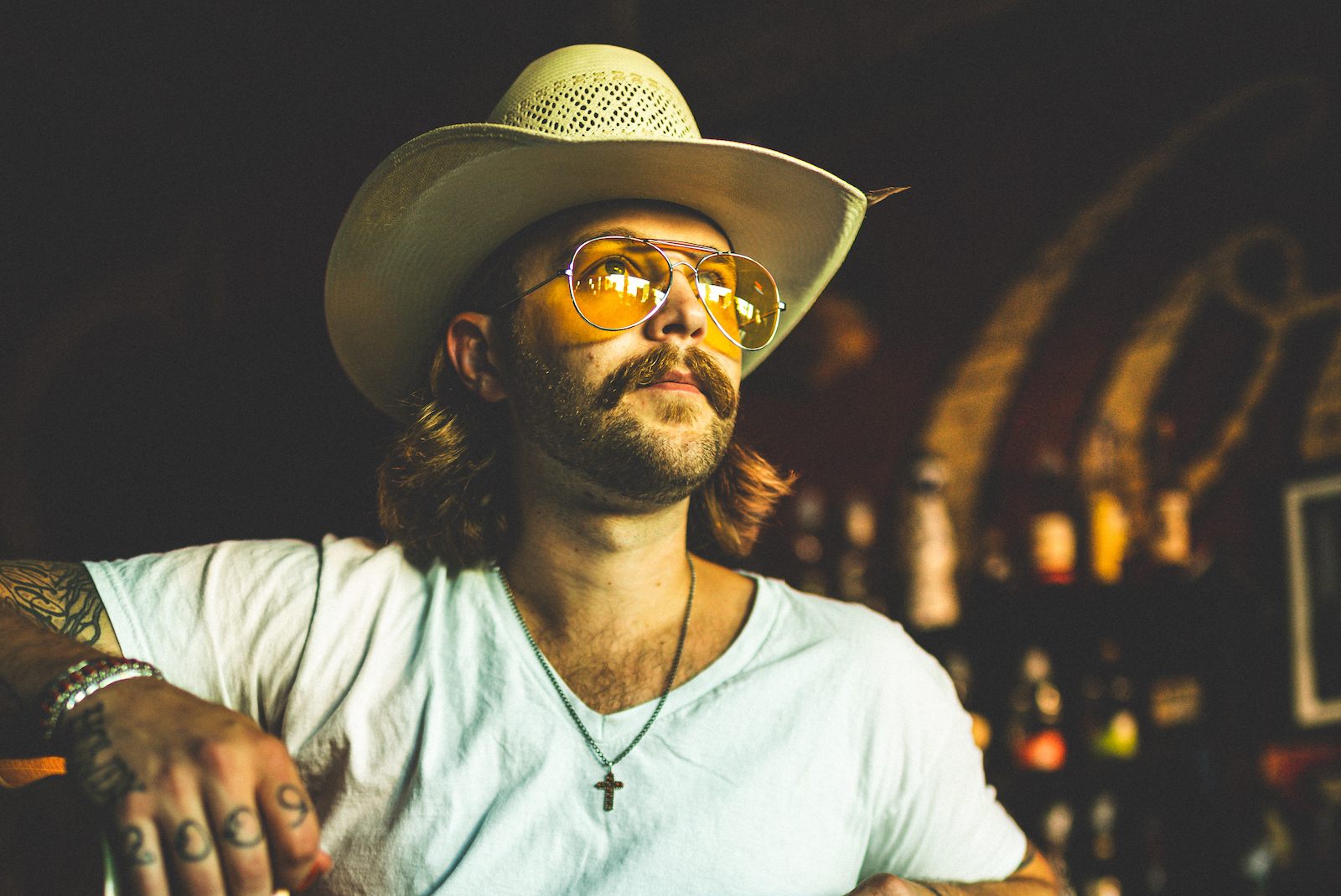
Hosted by Jarrod Morris, Texas-based singer-songwriter.
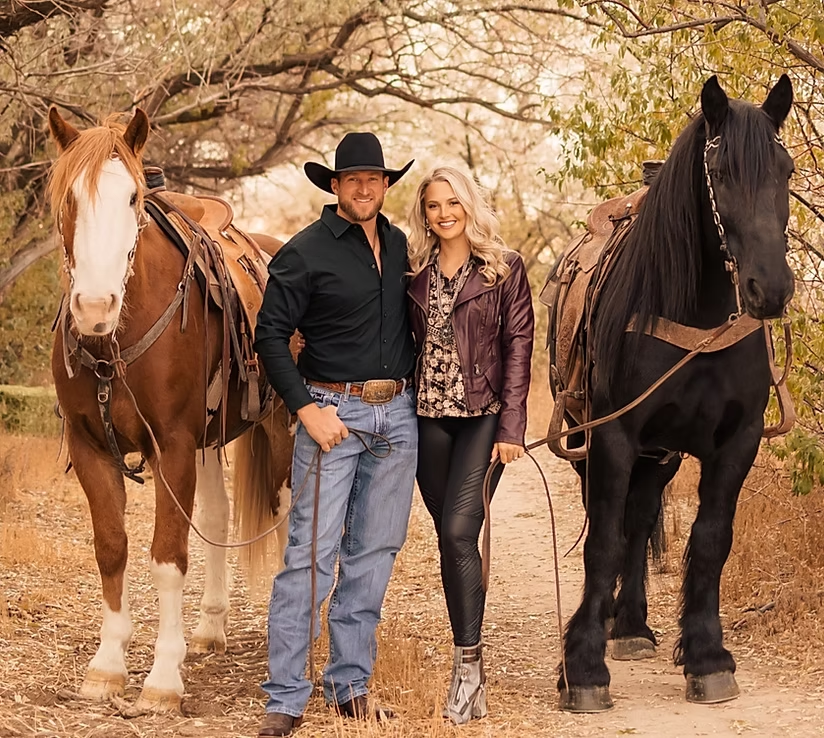
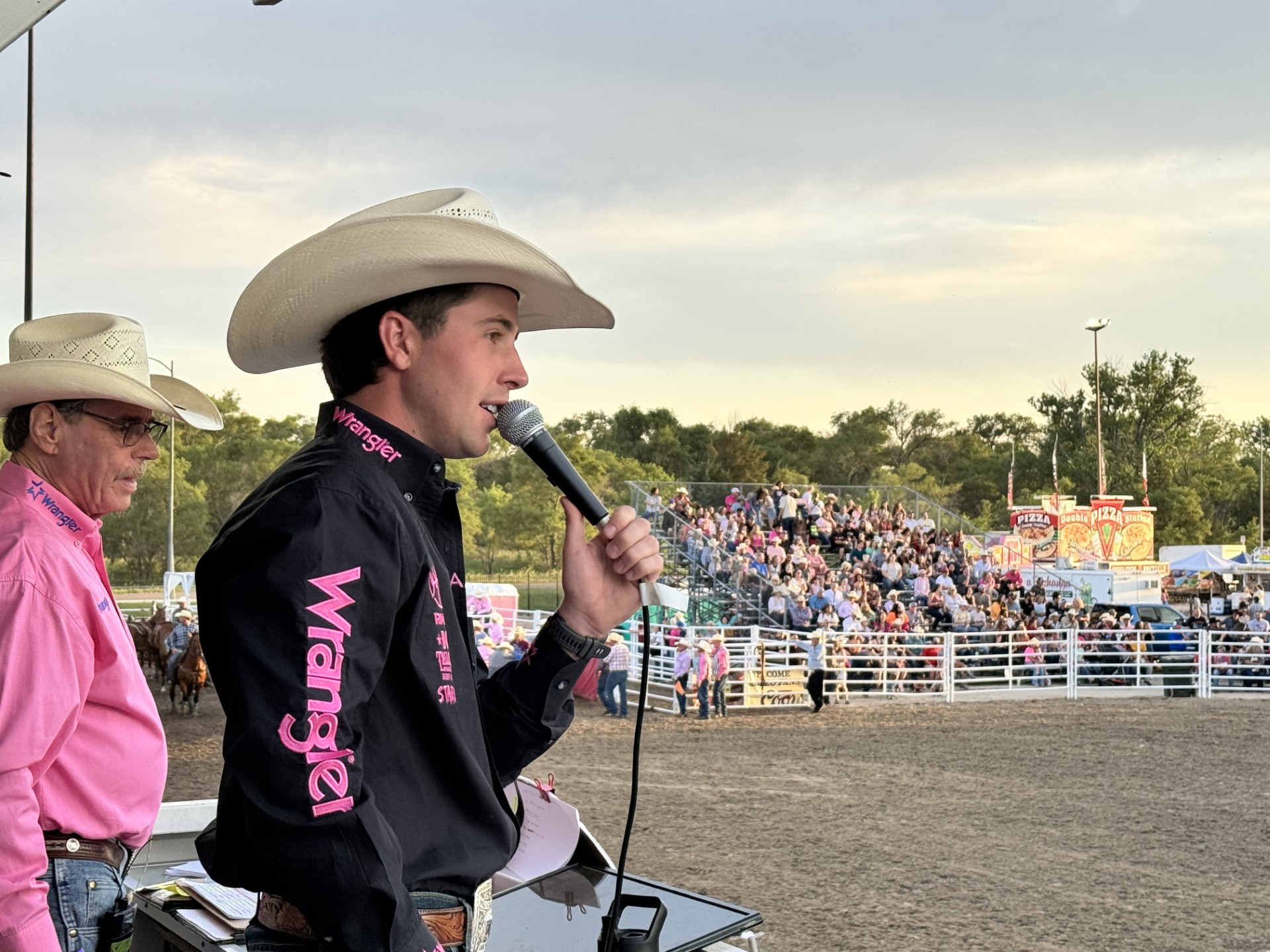
Jarrod sits down at The Westgate Las Vegas Resort & Casino with Gerry to chat during NFR Vegas. Gerry Gessell is a Texas-based horse trainer, leatherworker, and cowboy with decades of experience training everything from polo ponies to cow horses. Gerry is also the founder of "Many Irons" brand and executive producer of the movie "Laundromat, TX" Presented by Espuela Productions & Westgate Casino & Resort l NFR 2025
Category: Western
CowboyGerry Gessell Episode Transcript
Episode TranscriptRead / hide
Full episode transcript, auto-generated from the audio and lightly formatted (verbatim, not edited).
Shangling [music] underne so my San Angelo buddy we used to like I don't even know if we uh oh we met for the first time at the NFR last year. Yeah we were at the Paul Cton at the Paul Cawton. Yeah. And I dude I can't I tried to tell people the story about how when we when we met there was a guy you were with who's I guess part of the vicero.
Oh, was it Smallwood? I don't know. No, it might have been it might have been John. Um, that sounds familiar because I was with John Smallwood, Scott Slusher, and David Bond, but I don't It might have been or less unless it was another varo that was there that knew them, maybe.
I don't I don't know. But the guy handed me a uh it's the first time and only time I've ever gotten it, but he handed me a business card, just a white business card with just his name on it. That might have been John Smallwood. And I was just That might have been Smallwood.
tried to look him up and it's like the guy didn't exist [laughter] and then he all he said was like I'm a part of the vicaros it was very mysterious. Yeah. And you were you were standing around him or something. Yeah.
It added to the mystique for sure. [laughter] Yeah. Maybe I don't know if that was that was a good show actually though too cuz I'd never seen him live. You hadn't?
Mm- And so that was actually pretty cool. But I'd played a private event with him one time and that was the first time I saw him and I was that I was a fan ever since. Yeah, he's something else, dude. I mean, and his band is always just unreal.
Yeah. Yeah. They're really something else. So I guess he's out here again, isn't he?
He's playing somewhere. Yeah. Yeah. I don't know where he's playing, though.
We were going to try to get him on the pod. Yeah, that'd be good. Yeah, he'd be an interesting one. Yeah.
Yeah, that would be interesting. something. Yeah. Yeah.
He got JB Mooney and Kai out there for one of those. Yeah, he was up there on stage. They were up there on stage. That's right.
I remember that. So, yeah. JB was like they just stood there, you know? They're just like I think he was just smoking a cigarette.
He's just like Wendy not smoking a cigarette. True. [laughter] True. That's all part of it.
True. True. Yeah. So, that was the first time I met you and then we hadn't been able to like connect since then.
No. No. But it's always, you know, it's funny you think about like we all live in Texas, but we don't see each other till we get here to Las Vegas with a million other people. So even though it seems like our world's a small world, but at the same time it's we're all scattered.
So we don't live that far apart. No, you're in San Angel. St. Angelo.
Yeah. So it's And you're in Decar. So or right around Is that where Yeah. It's not that far.
N seems like I'm in Weatherford every other day. You are. What for? Spending money at Tesky's or and or going up to uh either showing there at Will Rogers or going to Cody Porterfields or one of somewhere up, you know, it's always the [snorts] horse world seems to evolve around Weatherford now.
So, that seems to be for sure where we always are. So, but are you originally from St. Angelo? I'm from San Antonio or out right outside San Antonio.
I was born and raised where uh a little town called Atkins. Okay. which would be Leveria, Stockdale, just it's Bear County, but it's on the outskirts of San Antonio, but so it's kind of a small used to be small. It seems like San Antonio is slowly taking over all those small towns, but ranching family, horse family.
Well, dad, dad was a rusttock rider and they mom and dad met because they were rodeoing. Mom wrote Breakaway and was a barrel racer and dad rode bulls and bearback horses and they actually met at an arena where we used to get on horses and bulls practicing and that's where they had actually met. So, and [snorts] then mom got out of rodeoing and went to training horses and like a lot of I guess rodeo guys is once they get married they got to quit they got to quit rodeoing and get a real job. And so dad got and which is funny is you know we grew up with a barn full of horses and mom trained horses and dad hated horses really.
Yeah. He was like a lot of those old roughstock riders that hated it seems like they just hated horses. He just wanted to spur them. Yeah.
Exactly. Yeah. He wanted them to buck or not do anything at all. Interesting.
But he was the guy that you know I always tell everybody even though he didn't like the horse business, he did anything he could to help mom be successful in the horse business. So he built fence, built stalls, fixed things, you know, did whatever mom needed in order to keep those horses, you know, to keep her in business. So that was that was always which it's funny growing up or I say growing up, but more or less like once I got out into the world, everybody always assumed dad was the horse trainer. So they were like, "Well, what'd your dad do in the horse business?"
And I'd always be like, "Well, it wasn't dad. It was mom that was in the horse business." And so I had a growing up it was a different perspective like I just assumed that it was always the mothers or the sisters. It was always the women that were the horse trainers.
And so it was I always had this different perspective of that which is almost the opposite of what most people assume in the horse business is that it's the man that's doing all the What age did you start to even figure that out? [sighs and gasps] Man, that's hard because it seems like it's probably been in the last 10 years that really Well, I think because of because, you know, the more and I think it has a lot to do with social media, you know, is the more people reached out or the more conversations outside of your social circles you had, people would just assume that it was your dad that was in the horse business. And so but I always, you know, I always respected the women in the horse business because mom was always and we were just having this conversation today about, you know, when mom was showing, she always wanted to show against the men. You know, even though there was women that were just as good as the men in the cutting horse world or in even in the pleasure horse world, she wanted to be right up there with all those old-timers, those old horsemen that were showing horses cuz she figured that was the best of the competition.
And if she could hang with those guys, she could hang with anybody. And so I always got to and she my mother was super competitive. I mean, she was vicious, you know, when it came to the horse world and where I wasn't. I mean, I didn't get the competitive side, but I appreciate No, I mean, I did, I think, at one point in time, but it was it wasn't like I was obsessed with winning things, you know.
I just wanted to be good at what I did, you know, and to make a living. And uh So, who do you think you got that from? I don't know. Was your dad a little bit more My dad?
No, because dad was which is hard because you know growing up you know dad it looking back now like if I was to look at what dad did in the in the competitive side of things is you know being a rough stock rider he looked at me and said you know you're no good at riding bucking horses your brother is. And so he more or less wanted my brother to be really good at riding bulls or riding bearback horses. And he wanted me to more or less, you know, do a mom was doing. So dad was more practical in that sense, but I wouldn't say he was, it's not like he had my brother out there doing push-ups and getting on, you know, the dummy or the spurboard and always doing things.
But he built my brother a spurboard, you know, for riding bearback horses. So it wasn't that he was competitive, but he wanted to do whatever he could to make us successful and whatever. So it was the same thing he did with mom, he did with us, you know. So he's a pretty uh selfless person.
It sounds like dad was extremely selfless. He was one of those guys that whatever it took to help us. And it's, you know, like with my sister, she didn't really do much with horses except when we were little kids, but she liked cheerleading. she played volleyball and so dad did whatever he could to help her be successful growing up as a cheerleader or doing sports.
Um so he was and where my mother was so obsessed with being successful that it was like let dad handle the kids and when it comes to that and I'm going to keep training my horses. So yeah, it's like a little bit backwards from what the way 100%. But it but it but when it came to like the traditional things like the cooking, the cleaning, they shared in those things. So there might have been a night where mom might have gone off to go work a horse at somebody else's place.
So dad would cook dinner, but if mom was home, she would cook dinner, you know, and they and mom liked she did all the things that you would expect, you know, the man to do like working on the fences or, you know, doing they shared in those things, but mom didn't wait for somebody to to do those things. She just did them. And [snorts] so there was this, you know, just seeing the dynamic between the two of them. I think there was so much value in that, you know, and that I think that's what helped me with not just relationships with, you know, it helped me in with anybody, you know.
It wasn't like, you know, it's like I was telling somebody the other day, I was walking through the hall here and there was something laying on the floor like right outside the door here and it was it was trash. But I walked by it and I was like, "Nobody's picking [clears throat] that up." Oh, yeah. And I went and I picked it up and realized it was just trash, but everybody kept walking past it.
And the way we grew up, if there was like bailing twine or bailing wire or something on the ground, we picked it up. And that was that came from both mom and dad. My big one is shopping carts. I find myself like putting away everyone's shopping carts and that's a good one because it you'll see somebody like they'll put their groceries in the car and then they think they're doing right by just turning the shopping cart another direction like they've done their job.
Crazy. And I'll go over there and grab it and I do my best to not make eye contact with them because I there's things that I would love to say to those people. It's like it's the simplest thing that you could have done raising them that would translate into putting that shopping cart where it belongs. It's unreal, man.
And then you got somebody making minimum wage that's going to come out there and do it. Yeah. Uh have you seen the cart guy? Mm-m.
It's on social media. It's one of the funniest things I've ever seen. I can only imagine. And he uh he does like he'll have like these like uh flags with like a suction cup on them or whatever and he'll have like these magnet stickers.
[laughter] And so when he'll follow people around out there when they don't put their shopping cart up, he'll come out there and be like, "Oh, cart." And he has like a little siren that he does and he'll like stick this flag on their windshield and he'll [laughter] like act like he's writing them a ticket and they get so mad at him. The funny thing about that is you can look at somebody and you know exactly what they're going to do with that shopping. You're like, you know, they're just going to leave that thing.
And it's like the time it takes for them and you'll watch some of those people and they'll see that shopping cart like start to roll like slowly towards either the middle of the drive or rolling right towards somebody's car and the time it takes for them to just go put it up. They'll sit there and watch that shopping cart and not do anything with it. And it's like all you have to do is go put that thing over there in the rack. I know.
Yeah. I mean I'm sure I've Yeah. There's been times I've been incredibly disrespectful, but it does seem [clears throat] like people lack a general sense of Yeah. But it's one of those things, too, like if you're going into the store and you see somebody load their groceries and they're done with their cart, just grabbing that cart from them and be like, I'll go put it up for you.
It like it'll make your entire day and make their entire day. Yeah. They'll think about that the rest of their lives. Yeah.
You know, and it's a simple task. But we've got a guy in Decar that Micah, do you remember the guy that used to do the chains uh at the football games in Decar in high school? So this guy, he had he was missing an arm, I think, right? Yeah.
I don't even know if he was missing a leg or something like I thought he had a fake leg, too. I don't remember. But he worked at Walmart and he was just he was a shopping cart guy for freaking ever. And then he was the chain gang on in uh our football games for as long as I can remember, too.
But he would always wear like roller blades. [laughter] Uh, and he would do it. He had one arm. So he'd push all those carts with one arm and it's like you would he would dude he hustled working just on rollerblades with one arm.
Fascinating guy. And uh I mean that's you'd see people just like leave carts and stuff. It's like got one arm and you don't even Exactly. I don't know.
It's that lack of compassion or empathy or just pure laziness. Yeah. You know, at some point I think some of those things go hand in hand anyway. So yeah.
So your upbringing that was not that was not a lot. Oh god no. Oh god no. No it was no.
We it was even as kids it was even on Saturday mornings it you know dad would give us a little leeway watching cartoons or whatever it was but then it was like outside you know doing whatever it was. Dad was one of those guys. He could have easily dug post holes with a tractor and an augur, but he just assumed do it with a pair of post hole diggers just because that was like the character building way of doing things, but it only came natural to him. And so he made sure that at least that we had done it and knew how to do it once we went out into the world and that we were capable of doing it the hard way versus the easy way, even if we had the option.
You know, it was part of the mindset that he instilled in us. And mom was the same way. But she was, you know, she was that I always tell the story that, you know, mother was a multitasker big time, but she was also very much a she was she could delegate task and chores, but she was a dictator. And she loved and I always say that she found ways she loved for us to get into trouble because she had so many things we could do as punishment that helped her.
And the biggest one was picking up rocks, you know, and out of the arena. Out of the arena, out of the pastures, whatever it was, she would just she just assumed, "Let us get into trouble." One, it was a character building thing, you know, but it was also a way she was like, "All right, pick up rocks, wash water buckets, do whatever it was." But at the same time, she would say, "Now you know, you know, she and but that was one of the where dad did his best to just teach us a lesson by saying, "Don't do this.
It's wrong." You know, mom would tell us after the fact because it was check something off her list. Yeah. Yeah.
She's kind of hoping you might screw up a little bit. Yeah. Exactly. I was actually reading something I wrote a couple years ago, you know, about it about she didn't care if we I mean, as long as it wasn't something, you know, we weren't burning down the house or something.
She [snorts] she let us get into trouble because it was just one more way to get us to do something. Clean stalls or whatever it was that we had to do. So So did she trained horses freaking her whole life? Yeah, she was When did she actually So she they didn't she didn't grow up with horses.
I mean, while I say that, it seems like everybody back in the 50s and 60s, somebody had a horse that, you know, you could go ride and, you know, they grew up in San Antonio, but even back then, somebody had a horse. I mean, even if it was in the middle of the city, somebody had a horse. And I think mom was 16 when she decided that's what she wanted to do was train horses. and she uh she worked she went to school and then when she was old enough, I think in her junior senior year in high school, she would go to school half a day and then she rode her bike down to one of the barns and she would work riding with different people and she started learning how to give riding lessons and then there was she learned from different horsemen just around the area and that's she knew exactly that's what she wanted to do and spent her entire life training in horses.
Yeah. So, when did she quit training? She I tell this story. She went through different disciplines and different phases of the horse life, but when there was in this would have been, let's see, probably in 2015, 2014, 2015, she somewhat retired from the horse business.
And but she still had horses, but she was no, she was more or less just doing it for her own her own thing. She went she went into doing kind of like ranch pleasure stuff with a horse that she had just cuz she wanted to still show horses, be competitive, but not have the pressure of being successful, even though she was super competitive and uh she would always complain about the judges, you know, when she would wouldn't win a class or something like that. But I always tell people that so mom ended up having uterine cancer. Never told anybody.
She was she didn't want people to feel sorry for her. She didn't want she didn't want any of that attention. How long did she not tell anybody? About a year.
And it finally got to the point and this would have been in early summer of 2016. She finally got to the point she couldn't get on horse anymore. And she was she was still riding. She had competed that.
She didn't even tell your dad. No. And which I'll tell you something even more unbelievable in a minute. But it would have been my nephew graduated in May and we could tell she was something wasn't right.
But she was still riding but not doing like she had done. And I tell people she went into the hospital in late June and she had been on a horse two weeks before that and she died in the middle of July. So she rode horses up until about a month before and she could where she just couldn't get on a horse anymore. So, you know, she rode up until she just couldn't even couldn't do it, you know, and but that was, you know, I and I always tell people, I said, if somebody had told her a year before that, you can't ride a horse anymore, she probably would have died a year a year sooner, you know, because that was what that's what kept her going.
And dad was the same way. They were both hard workers. And that's, you know, the doctors always say that's what keeps those people alive. When they're that tough, they work their entire lives.
their bodies are stronger than what's killing them, you know, until they till they just can't do it anymore. And dad was the same way. Dad had lung cancer and never told anybody. And how long after your mom passed was did you get that?
Two weeks. So, so the we always say that dad died of a broken heart when what it was is he had finally lost that will because his best friend, his wife of 40some years had died. He got diagnosed with lung cancer. He We don't know when he No, he died two weeks after.
Two weeks after mom did. Holy cow. Wait, hold on. So, neither one of them told each other.
No, not until they finally had to And the what I always say is that mom died without knowing dad was sick, which was good. Wow. But it was one of those things that like, you know, it just gave me goosebumps. It people always think it's a I mean it is sad when you lose your parents especially that close together but it was the fact that they didn't give up you know and we always you know we knew dad would wouldn't take it wouldn't take it well but it was one of those things we didn't know when dad was diagnosed you know it was one of the dad was a smoker so you know he smoked since he was 12 years old and so we didn't know when He went into the hospital.
The doctors were like, you know, he has like this much lung capacity, you know, and it was and we're like, well, he has smoked since he and that's not a lot, right? No, it [laughter] that much. Yeah. So, you think I mean to me that seems like, you know, that was one.
So, one lung was completely non-functional and the other one is, you know, basically the bottom part of that lung was functional. And I remember the doctors were like, all this cloudiness in here, basically his lungs aren't working. And they were like, "And see that big white spot right there? That's cancer."
Wow. You know, we had no idea. You know, and so it was one of those we feel like if mom had still been alive, dad would have kept going with cancer until he just couldn't function anymore. But we feel like it was, you know, basically, you know, it was I remember my sister and I talking about it and you know, I lived two and a half, three hour three hours away.
My sister lived just south of San Antonio. So every day she'd go by and check on dad and he was still like doing stuff like still working on the barn, still work, you know, because he that's what kept him going and then finally it was like he just, you know, he didn't give up, but he just couldn't do it anymore. Oh yeah. But yeah, I mean that just goes to show you how powerful love is.
Yes. Yeah. Exactly. And it's not like they had the perfect, no one has the perfect marriage, but you know, they'd been together 40ome years, you know, and raised us and you know, and so it just shows that was it.
I always say it's like he just died of a broken heart, you know, can saying he died of cancer is just too generic and sucks to, you know, in Yeah. There's almost something comforting about dying of a broken heart. Yeah. Yeah.
I guess in a in a different way. Yeah. I mean, it I think so. I'd rather look and I not everybody has that frame of mind, but I'd rather look at it that way.
So, yeah, he just wanted to be with his Yeah. Dang, that's pretty gnarly. Yeah. How So, how long ago was that?
2016. Yeah. Not all that long ago. Yeah.
Mom, it was July 6th and dad was the 25th of July. Yeah. So, and they died at roughly the same hour, 4:00 a. m.
Really? Yeah. That was kind of the neat thing about and they both died at home, you know, and in the same bed that they lived in, you know, that they slept in, you know, so that was and that's the way we wanted, you know, mom wanted to die at home and then and by that time it my sister and I had made the decision that dad's going to die at home, too. And to know that they both died at roughly that same time, that was that [snorts] was actually yes, it's sad, but at the same time, it's like there's something romantic and magical about that.
So, you know, my sister and I just look at it that way. Yeah, you got to, man. Yeah, you have. I mean, it's a better way to do it.
Yeah. So, so when So, I guess on Did you go to Where did you go to high school? I went to East Central High School. Okay.
Yeah. Did you rodeo through high school? That's I hated horses because they were work and they were punishment. And it wasn't until I, you know, I was a junior, I was a junior in high school and I would go to school half a day and I worked at a grocery store.
We had a small grocery store next to our near our house and I would actually ride the school bus and it would drop me off at the grocery store and uh and then once I could buy a pickup, I bought an old truck and I would I'd get out of school at 10:30 in the morning and I'd go work at the grocery store. And on the days I didn't work, my mother was finally like, "Hey, why don't you help me with the horses?" And then all of a sudden she was like, "Wow, he can actually ride a horse." you know, we always would get on the horses and go ride and do stuff and [snorts] and u but she like realized she's like, you know, he can he can help me, you know, and so she would still she was still riding two-year-olds then, too.
So, she slowly started having me help her with those two-year-olds. And then it just kind of evolved from there. And then slowly it was like I quit working at the grocery store and started helping her most of the day, you know, through my junior and senior year in high school. So was she mainly training barrel horses or rope horses?
No, she was training at that she was just starting colts some like actually back then it would have been horse thbred horses for the track. Oh. And then she had gotten into polo horses and so she started buying these horses off the track. uh that were already broke obviously and but they were horses that just weren't going to make it on the track.
And she started trading uh trading horses and so she could buy horses and if they weren't going to make for like a polo pony, she would figure out we just get them broke and then sell them. But [snorts] but she started doing more and more of that. And she at the time she was still every once in a while she'd get like a reject pleasure horse of all things that were the worst horses in the world, you know, and the you get these pleasure western pleasure people who say this horse is running off with me and you know which running off meant they just weren't listening to these I'm surprised they were uh sound enough to even run off with them. Most of them weren't.
Uh but she would she would find ways to fix these horses to where they could go back to showing them and then she just completely got away from the quarter horses altogether. Oh. So she she was Okay. But she was still doing the polo and the race horses.
Yeah. you were. So, so then she just shifted completely to polo horses and which was to me one of the best things that could ever happen because it was just such a such a legitimate horse training world that she could that she could do cuz she wasn't roping and she kind of and she hadn't roped breaker and she damn sure wasn't doing barrel horses. Um she just I think she quit barrel horses when we were born.
She uh she got completely out of the rodeo world and uh well for what? Do you know why? Cuz because she had triplets and so but she wanted to get more into to training. Uh yeah.
What did they what did they what did your dad do for work? He was a carpenter. Okay. Well, I say that he became a carpenter, but when they were married and we were born, he was actually washing cars.
uh he worked at a gas station as washing cars and then uh he eventually got into to working for a company that built cabinets but they also built houses and so he was he was more or less a woodworker, you know, but uh but still went to work every day. So when she was having kids though, she had triplets. It's like, yeah, she wasn't riding no horses, which but I guess she Well, [laughter] yeah, it was one of those things where they eventually So, we were born 2 months premature. And I guess that was like the perfect thing for her to be able to get back on one.
You get three done in 9 months. She had a crew and so and that's it's kind of funny cuz they called us the pit the triplet pit crew when we were when we were little. But so they finally had to tell her to quit riding when she got too big to get on a horse. And but it wasn't long after she had us, she was right back at the barn getting on horses.
And uh she would put it if she was working two-year-olds in the round pin, she'd have all three of us in the round pin. And she had a snubbing post in the round pin. And so she'd just park us right there around that snubbing post. And there she had some old tires over that snubbing post.
So we'd sit on those tires just in the center of the Yeah. Yeah. And then when it came time to for her to do something with those, like to do more than just, you know, kind of work those horses around, she'd put us outside the round pin. But it got to where when I we were like three years old, she would put us on those two-year-olds.
And so what she would do is she'd have those two-year-olds in the round pin and she'd just put us on, put us off, put And she'd just take Oh, like a saddle pad. Mhm. Yeah. And so then when we when she'd have them saddled, she'd put us on there and then it'd get and she had she'd use she had these old rope side pulls and uh with 8ft rains on them and it get to where so she'd start walking those horses around with us up there and she'd have her finger in our belt loop.
And so if anything happened, she'd just yank us off and that but if those horses were good, she'd slowly like feed out the res and those horses get a little farther away from her and [snorts] she'd just walk them around and if they were if they looked like they were good enough and she was going to get on them and ride them, she'd just put us outside the round pin and she had a place where she'd tie those horses on the on the fence of the round pin and there were these big sandy spots where those horses would paw, you know, and so we'd just sit there in the sand and she'd ride those horses. and so it didn't slow her down at all, you know, and when she was still showing horses and I mean this would have been in the early 80s, she'd take us to those horse shows and you know, everybody knew us, you know, we were the triplets and you know it was like a mother hen with her chicks. You know, wherever she'd be going with those horses, we'd be right behind her, you know, the whole time until we got big enough to go off and you know, play around at the Yeah. So, what was the move into more show horses than like her doing the polo stuff?
I think she was it all happened by accident. She uh getting into the polo horses. She bought this thoroughbred mare off the track and she was a really nice mar. They called her Merritt and I don't remember what that mayor's registered name was, but she was a thoroughbred mare and a nice mayor.
And we grew up just a couple miles down the road from at the time he was one of the best polo players and breeders of polo horses in the world, Tommy Weman. And his dad was Billy Weman who rode cutting horses but also trained polo horses. And my mom had no she wouldn't hesitate to ask for help. Uh and she didn't know really what to do with this thbred horse.
and she called Billy and told him what she had and he said, "I'll come look at the horse." And he was like, "This is a nice horse." You know, and he ended up helping her sell that horse as a polo prospect. And they became instant best friends, you know, and Billy would have Billy would have been like my grandfather's age.
And he recognized the potential in my mother, not as a polo player, but as a horseman. And my mother never wanted to be called a horsewoman. She wanted to be called a horseman. And Billy liked that, you know, she wasn't intimidated by that aspect of men versus women in the horse world.
And so they immediately started like partnering on horses. And it uh then and she loved the aspect of the polo pony, you know, a horse that could do everything that a cutting horse could do, raceh horse could do. Any of any horse athlete, the polo pony was the elite equin athlete cuz they have to stop and turn, they have to run, they have to do all of these things, you know, and that appealed to her. She liked that.
And so it was like no looking back on once she once she had the bug for those horses. It was that's all she wanted to do, you know, uh you know, the rest of her life in the horse business and which me but they he was into he had some cutters though that and they so he had cutters but they weren't cutting anymore. Okay. So it was it was strictly polo horses at their barn.
Uh, and they had hundreds of horses, you know, and uh, and it was just an it's such an appealing sport with horses and fascinating because it's global, you know, it really is. Oh, yeah. Anywhere you go in the world, there's polo. Where there's not necessarily a cutting horse or a rain cow horse or a pleasure horse, there's always polo.
Yeah. I don't re I don't know [expletive] about the polo world really. Um I had a real good friend growing up when I was little that played like big time polo. I want to say he played professionally, but he would go every summer down to like Argentina.
Yeah. Uh and he'd play down there. They were like real wealthy family. Uh, I don't know anything about it, but I watched that documentary on uh there was like one on Netflix, wasn't there?
But the guy was like cloning him or whatever. Oh, yeah. Yeah. And cloning is a big we were talking about that today about cloning.
But yeah, that doc that the one on Netflix. What's that guy's name? He's like the biggest freaking of all time. Dolphaso.
Yeah. Yeah. Yeah. And he's uh actually they just won the Argentine Open today.
him, him and his son. They played on the same team with two other brothers, all young guys. They're all phenomenal horsemen, polo players. They But they sort of revolutionized cloning and horses.
It's incredible what they're doing now in the horse business. Yeah. And I can't Wasn't there like some sort of like legal thing that happened with him and the business partner or something? Probably.
[clears throat] I can't remember what it was. Oh, the there was like a dock that he was partners with and something went sour. Hm. I thought something happened.
I can't remember what it was. Yeah. Huh? Probably.
I don't know. I probably got that wrong. Yeah. But no, it's it's uh that world.
It's a fascinating and I guess it's lucky because it's like the Formula 1 but for horses. Yes. 100% the Formula One in every aspect of it. It's Formula 1.
It's the most elite and elitist thing you could do in the horse business. We think cutters spend a lot of money on horses, you know. No, but it is one of those We look like a bunch of hicks out here compared to No, and I can remember growing up, you know, and this would have been in the once I was out of high school and riding polo horses, you know, and Billy used to say, you know, you can spend as much showing one cutter as you can playing six polo ponies, you know, and it's sort of shifted over the years. It's obviously the money is, you know, there's no end to what they spend on these things, but you know, I like what's a what's a good polo pony cost?
Oh god. roughly just like the game. It seems to me like on average if a guy says, "Hey, I need six horses to put in my string with these other six or 12 or 18 or barnful I already have." You know, they might be spending the bare minimum 35,000.
And I think that's like a utility horse versus the best, you know, and they're spending quarter of a million, million dollars, whatever. Yeah. You have to have a whole string of them and they've got to, you know, they'll go to the field and they'll have nine of them, you know, where they used to have six of them, but now they'll take nine to 12 horses because they're playing them half chuckers. They're not, you know, it'd be like to me it'd be like if you were at a cutting horse show, you got two and a half minutes to cut a, you know, to show your horse.
They if you had the chance to switch horses in that two and a half minutes, you would. But in the polo world, they're doing so much more. So they're starting to extend the life of these horses by, you know, if you're playing a sevenminute chucker and there's six chuckers in a in a game, they'll play a horse 3 four minutes and then switch and get on another one. And because the horses are so important and they're becoming so valuable that they're and they might maybe they'll come back on that horse later on once that horse is rested, but those they're treating those horses with such respect as their value that So, how much did you play?
I played a lot back in the back in the late 90s and it mainly it was young horses. You know, I was, you know, most of the places I worked for were ranches that had polo horses cuz ranches are owned by wealthy people and they play polo and so they all went hand in hand. And the ranching and the polo world in a lot of a lot of places there was a crossover. So I would I would ride those young horses and then I would start playing polo on them as young horses and then eventually hand them off to the to the guys that would take them further, you know, like the two-year-old guys in the cutting horse world.
But we were on, you know, we were breaking them as two-year-olds, playing them, starting them in polo as three-year-olds and then slowly moving them on. And then I played professionally. I wasn't competitive, so I was always very protective of my horses or whoever's horses I was playing. So, if I was playing, if I was getting paid to play, I would choose to protect my horse instead of putting them in a play that would maybe win the game or make another play that would win that game.
And so, I was just very cautious when I played. So, so is there guys that have a reputation for doing the opposite? Yeah, there is. I mean, guys that'll do anything with put their horses in a sketchy situation in order to make a play that might win them the game or at least win them, you know, to do anything to get that ball to make another play.
So, in the polo community, is that something that's frowned upon or encouraged? Generally speaking, depends on where you're playing. You know, there's so many levels because in polo you have levels. So, you have your low goal, your medium goal, and your high goal polo.
And your low goal is very amateur. Um, not that there's I mean, I didn't mind the amateur polo because it was slow. It was a way I could get my horses trained. And you would play with people on a lower super dangerous.
Oh, yeah. I mean, between a three and a half inch ball made of hard plastic, mallets, you know, that could hit you, horses, people, and a lot of times amateurs that might not understand the rules. So there yeah it the levels of danger go up with the levels of play but at the same time the level of play also made your players professionals and they could easily they could they ran that fine line just like in F1 there was that line of do you wreck your car or do you put it on the edge of wrecking it? Sure.
just to win that race. And whereas if it was [clears throat] low goal, it's go-karts, you know, like if you wreck that go-kart, you're not going to get hurt for the most part. But if you wreck that that in the high goal polo, if you wreck if you cause a wreck, it's liable to kill you or your horse, you know, and so there is that. I mean, there's a level of danger in anything we do with our horses, but I think in the polo world, it's more than racing, you know, in the horse racing, you know, but I mean any of them you can get hurt in.
So, but you played predominantly just to train the horses and that's what I preferred. I liked it because I liked training the horses. I liked seeing those horses progress and then knowing that, you know, five years down the road, a horse that I had started in polo is winning awards as a best playing pony somewhere and being successful for somebody that's playing polo either as a hobby or as a as a profession. And that was there's a lot of satisfaction in that.
No doubt. Yeah. So, so were you trained in other disciplines along with that? I wasn't trained in other disciplines, but I never hesitated to at least learn other disciplines uh because it doesn't hurt, you know, and but and it wasn't necessar at the time in the polo world, you're not around cow horse people, you're not around ropers, you're not around cutters, you're around D riders, you're around the jumping horse, the, you know, you're around the equitation riders, you're around exactly what you think you're, you know, anybody that you might not know anything about polo, but you understand that everybody's probably wearing, you know, Lululemon.
Yeah, pretty much. you know, wearing tall boots, riding English saddles and flat saddles and so I was but none of that can hurt you if you if you if you have the confidence and the self-awareness or even the security in yourself to learn those other disciplines, it can't hurt you. You know, it only helps you in your in your horsemanship. And I liked it.
Honestly, I didn't do lots of it, but riding jumpers was a lot of fun because it's like everything. I like to go fast on a horse, but if somebody said, "Hey, will you go jump that 6ft jump over there?" I wouldn't hesitate to do it. You know, sailing through the air on a horse and hoping you land correctly on the other side.
There's a lot of fun in that. And approaching a jump and realizing that horse has to clear it or you're going to crash. That's a lot of fun. It freaks me out.
Did you have a bad wreck doing that? Never had a wreck doing that. And never really, honestly, [snorts] knock on wood, I never had a lot of wrecks playing polo or learning other disciplines. And I think it's cuz I was just if I ever had a bad feeling, I could find a way to navigate that bad feeling and keep that keep it from coming to coming to life, you know?
So even like is that is that an intuition even with the horse? Yeah. Did you have that from a really early age? I think so.
If I had a bad feeling about a horse, there was usually a reason. And it was almost one of those things that, you know, obviously if we think something's going to happen with a horse, we end up making it happen with a horse. But it but I do think that I gave every horse a chance and gave him the benefit of the doubt, you know, and I think about like I bought a horse one time, real pretty gray horse, and the minute I got on her, I was like, "This is not going to go well." And I was like, "But I'm going to get her away from the barn.
I'm going to get her moving and hopefully it works out for the best." in, you know, 200 yards away from the bar and she bucked me off and I broke my leg and somehow I knew that was going to happen. Do you ever think sometimes because you're thinking about it, it like puts it in their head? It's like almost they feel that energy because Yeah.
They you know, but I don't Yes. And but which comes first? I know. That's what I'm saying.
The egg or the chicken? But that horse and it's funny because I remember I was laying out there on the ground and she ran off back to the barn and I knew my leg was broken and I was it hurt like hell and I was trying to like get my boot off before my leg swelled up so much that I'd have to cut my boot off and I was sitting there like trying to push my boot off and I could just feel you know you feel it and you know so it was like the tibia down there. It was actually right here back here on this bone and it was a spiral. Oh, how did you get like hung up or something?
No, I landed on the heel. So, when she bucked me off, I went straight up in the air and I landed right on my boot heels straight up and it caused that spiral break right up here like on your feet. Yeah, just like that. Landed on your feet.
Landed standing up. But I was so high up in the air. I had enough time to realize I was like, "Oh [expletive] I'm really high in the air." That's I had enough time to think that before I and I thought, "Well, if I land on my feet, I'll be okay."
And it was as soon as I landed on my feet, I fell backwards and was like, "It's broken." Did it jack up your other leg, too? No, just that just my just my And it was Dude, that thing had to like launched you. It she did.
And that was the thing. It's like Dude, that's just straight out of Sorry, I'm laughing about it, but it seems such a ridiculous. And I remember I had a I had a flip phone and it was in my pocket and I was as I was laying there, I called the guy that sold me the horse and I said, "This marriage has bucked me off." And he knew it.
No. And he What do you mean he knew it? Like Well, he knew she was a Bronc. Oh.
And it was from a sales company. It was at a horse. I won't mention names. Yeah.
But he said, "Bring her back." Like without hesitation, he said, "Bring her back." So he Well, that was nice at least. Well, so I took her back and he wasn't there.
Of course not. There was a note stuck to the door. He said, "Put her in this pin. There's a check in the envelope."
And the funny thing about it is the way that all worked out is id bought another horse that was crippled. Same people. Same guy. And he said, "Bring her back."
And when I took her back, he said, "I got this gray horse you might like." Good grief. So it was, you know, and that's just horse trading stories, you know. Yeah.
No [clears throat] kidding. But it was one of those that I always wondered what the endgame is, though, cuz if they're just going to re like give Well, they end up going on a truck and Yeah. heading south. Well, I know.
But like it's like if you know it's going to buck Yeah. and then they're just going to bring it back. Like why even go through the freaking you know I guess they think that well maybe maybe I'll get lucky and or they think well he'll take the horse home maybe turn it out before he and then once time passes no longer his Yeah. But it was every horse I ever bought, I couldn't wait to get on them if I bought them without getting on them, you know, and so but I couldn't wait to get on those horses.
And so that was the, you know, and I think he probably was like, maybe he'll wait a week or so before he gets on this thing and then it won't be my problem anymore. But I don't know what happened. Yeah. It What are you feed What are you feeding it?
Yeah. Yeah. What' you do? Feed her too much?
Put her in a star? You know, one of those things. But I do you get those weird premonitions and I think anybody that has a lifetime with horses, they respect those premonitions and they either give the horse the benefit of the doubt or [clears throat] they don't get on that horse. Yeah.
So listen to this one. Uh when I first started shooting, so I learned to shoot from my brother-in-law and then his dad it was a big time shooter and there was this horse that uh my brother-in-law would do. Uh its name was wings and it uh western pleasure horse and this thing was like if you walked by its stall like it'd come after you. Yeah.
try to bite you. And uh so you'd have to like, you know, you couldn't even go near it. And uh when you'd shoot it, you know, we would have to like just drug the hell out of it like Torb and dorm and uh and have to lay it down to and do the hind feet and I mean and we gave and you'd give it so much drugs and have to lay it down and it was the one time I would see and my brother-in-law is just like a badass and like never saw him get scared of anything really and he would just sit there and shake when he'd have to do it and they and it was a badass horse too. Uh, and uh, and so we had to shoe it all the way around.
Like there was just no way around it. So um, and it would like there was one day I saw it like get him down and just like absolutely pummeled him in a corner. And so he'd have to lay it down and do those hind feet. [clears throat] So anyways, you fast forward like I guess it would have been probably five years or six years or something like that.
And the lady who had originally owned that horse, uh, I started shoeing for her um, in a little place called Nakona up north of Decatur. Oh yeah. And it was like a right of passage kind of place like I'd go out there and trim her brood mares and do her studs and stuff like that. Uh and she was she pretty eccentric character and uh she was like I would I would be like doing a stud in the barn like she would run her brood mares through the barn into stalls and I was like under a stud one time and she was like running broodmares down like she was nuts.
So uh anyways I'm sitting there doing this mare one day and um I get the front foot done. And I go around doing this hind foot and she was still wanting me to shoe it [clears throat] for whatever reason. And I'm doing this hind foot and like no problem at all. She had a little fo with her and we were just sitting there getting it done.
Uh didn't move a muscle and the lady comes walking by me and she goes, "Oh, she's being good." And I was like, "Yeah, I mean she seems like she's pretty chill, you know." I'm holding a hind foot and uh and she goes, "Well, you know who that is, right?" And I go, "I nope, I don't know which one this is."
And she goes, "Well, that's wings. That one you used to do over there." And uh and I was sitting there holding that foot and I go, "What?" And like right when I said it, you felt her.
Yeah. She started tugging on me and I was like, "Oh my." Tugged on me and I just backed away and uh and I and I stood up and turned around and I was like, "What are you doing?" I said, "Why did you not tell me that?"
I go, "Do you realize what we used to have to do to get this thing done?" And uh and I'm not kidding, dude. I went over there to grab that hind foot again and just pow. Yeah, it is.
And like I couldn't do the hind feet right from that point. And that it's one of those uh where they always say ignorance is bliss. Yeah. You know, and it there's so many stories out there like that.
And I it made when you were when you were saying that it made me think of a story that a guy told me about he went out to go they went to go gather or something and friend of his was running late and he had I guess he had left him this would have been a long time ago. It's not like we had cell phones. And he left him a message somehow saying, "Just grab the gray horse. Meet me out, you know, here.
This is where we'll be gathering." And he grabbed a gray horse that had never been ridden. Threw a saddle on it. Got on it and rode it all the way out there.
And they were like, "What are you doing?" And he's like, "You said to get the grey horse." And they're like, "That horse has never been ridden." And he was like, "Oh, no wonder I'm having to pull him around everywhere I go."
But the horse had [laughter] and but it was one of those if he had if he had known the horse had never been ridden, it could have been a wreck. Yeah, man. You know, and I think there's so much so much of that in the horse business that if we don't, you know, they always say, "Oh, only bucks on Tuesdays." You know, those jokes like that, but I think there's a lot of there's that that energy, you know.
I 100% believe in it. Yeah. Oh, yeah. And I'm not even like a hocus pocusy Yeah.
type person, but there is no doubt about it. No. And I think that the horse business is full of that. So what the energy thing or just like Oh yeah.
Yeah. And the hocus pocus. But yeah. I mean, how many times have you freaking I mean, you've probably gotten horses that people have just said all sorts of stuff about and then you're like, I don't.
But it's funny. I sold a horse a few years ago. We called him Ranchwater and he was like a he was a full brother to a horse that we had that was an amazing horse. Gentle is all get out and this was a full brother.
And when I bought the horse, they didn't tell me. He had front shoes on, but he didn't have hind shoes on. And I remember I got him home and I was going to reset him in the front and shoe him in the back. And man, there was no shoeing this horse behind.
And I was like, I'm going to get him. We drugged him. We did everything we could. And I remember I went to tack a nail and he was fine until you start driving those nails, which is the worst time.
And as soon as I hit that one nail, he kicked that shoe and hammer and it stuck it right in my forehead here. The claw of that shoe and hammer got me stuck in there. It stuck in there and uh and I thought, you know, we'll get him, you know, and I had a mare that was similar to that and she shoved a nail right through my she shoved a nail all the way into my leg one time, but he was he was bad. And I sold him to a guy that still has him, loves the horse, and to this day he's like, "We still can't put high shoes on him, you know."
And he said, "We've tried we've tried everything. We've tried all these different horseshoeers." And I made a joke, and this has been about maybe six weeks ago. I said, "What if you just tell a shooter that he's not just don't say anything about him being bad to shoe behind?"
I know, right? and he's like, "Man, I never thought of that." But I haven't heard from him since, so I don't know if But I do think that power Yeah. that power of perception, you know, it's that energy that it's a dicey thing.
It pissed me off because it's like, you realize you could have freaking got me now all Yeah. Exactly. It goes both ways. At the same time, it's like, you know, it's a solid case to be made about Yeah.
Yeah. The second they feel you like, you know, they're going, "Wait, what? Why are you being weird?" You're going, "Why are you being weird?"
Now, yeah. Then everybody's getting weird. Yeah, exactly. When did you learn to shoe?
When I had to shoe my own horse. [laughter] You know, when you Was it really just Did you Didn't have anybody like necessarily show you or No, I mean, we grew up I had a growing up, we had we had a couple horse shoes that shot all mom's horses. And but there was always when I first went to work in the horse business, if a horse lost a shoe, it wasn't call the horse shoeer, come have him put the shoe back on. It was go put that shoe on that horse.
And you know, Gosh, I bet those horseshoeers loved you all. No. You know, but it was, you know, you had watched enough of your horse shoeer shoeing horses that you had a pretty good idea. It's the same with floating teeth.
It was like, go float that horse's teeth. And it was like, well, I've watched it. That's crazy. I've seen it done.
So, so you and obviously it's you got to have a feel anyway. You have to have some sort of common sense about shoeing horses, a good idea of how it's done. You're not just going to go start driving nails into a horse's foot. And but yeah, but and there's like a just doing it enough like the mechanics of it like it's really awkward weird.
Yeah. And if you but if you if you've spent your life, you know, um with horses, you kind of have a good idea how and I mean, obviously it's not you're not going to go shoeing for the public, you know, because they're not you're not doing corrective shoeing. You're not doing, you know, and they're not perfect by any means, but I started, you know, I just had to start shooting my own horses at some point. And then and then at some point, the only way I could afford to shoe a horse was to do it myself.
And so I got better at it. Hated doing it. You know, it was one of those things that I could watch somebody shoe my horses and they could do six horses and by 3:00 in the afternoon they're out of there. By 3:00 in the afternoon, I still got three more horses to shoe.
And I'm hating it, you know, and there's satisfaction in it. I mean, there is when you set a horse's foot down and you look at that shoe, those nails are perfect. You're like, "Yeah, that's awesome." And then you think, I got six more of these things to do, you know, this.
But it's and I it's not something I would ever want to do [laughter] full time. You'd have to be an idiot. Yeah. You know, but it is there is there is nobility.
The only way you can be dumber than being a horseshoe is trying to be a musician. They pay really well. It's a lifestyle. Yeah, they both uh Yeah, they both pay tremendous.
You might as well do both of them, actually. I mean, shoe does pay well. It does. music thing.
You earn every penny that you do for sure. You definitely But if I mean, you think about and I'd say, man, imagine if you could chew a horse and sing a song at the same time. You know, I really feel like if somebody did that might be on to something. Yeah, they would be.
I might know a guy. I still have uh Oh, I think I know who you're talking about. Yeah. And he's like gay though or something, isn't he?
Something like that. Yeah, I thought so. Something like that. He's a little squirly.
Weird. Weird. Yeah, but [clears throat] aren't we all? He's North Texas weird.
Yeah, exactly. Yeah, she's not from West Texas. I am 30 minutes from Denton. Yeah.
Well, it does get a little weird over there. I won't. I went to the square in Denton the other day and there was a furry. Really?
Yeah. Like the people on the leash. [laughter] Yeah, they were. I don't know what those are.
Wait, what? Yeah. What is that? [laughter] Yeah.
It was a trick to see, you know. Yeah. Put my foot in my mouth. Yeah, you sure did.
But Denton. Really? Yeah. Right.
What was it doing? Den's weird. Well, somebody was leading it around. What was it doing?
[laughter] Well, what exactly? I don't know. Well, isn't that weird? Like that would used to sound rude and then nowadays calling somebody it is like supposed to be more appropriate or something.
A compliment, right? Because now you're not assuming what they are. Something like that. Yeah.
I don't know. No, I can't. You know, I do think you and I are the guys that are going to figure it out, though. You know, we could all these problems.
Does that mean we'll save humanity? 100%. That'd be good. 100%.
Dude, you are like the uh you are the quintessential guy that I think of whenever somebody whenever I'm in an airport and somebody's like I'm wearing my hat and they're like, "You a real cowboy?" And I'm like, "No, no, no, no, no. You're the reason I say no is because of people like you." Nah.
it, you know, I it's one of those I mean, I did my own podcast about, you know, that are you a cowboy, you know, and there's so many levels to how you answer that or what they mean by that and it's one of those uh I don't know, it's hard to even approach the subject anymore because we did a which is kind of we were just talking about this last night is we did this photo shoot a couple weeks ago for a hot rod magazine and it this 32 Ford Gasser and it's the you know it's rusted. I mean I say rusted out the thing is untouched you know it's just it's pure hot rod and we were talking about like you know even back in the day when they were building these hot rods they were those guys were cowboys in a sense of what they did was no different than what cowboys did. It was the It was the same lifestyle but different. Obviously, you had your hot roders and you had your guys on horses, but in a sense they were It sounded much better to call those guys cowboys than it was to call cowboys hot rodders, you know, and it just works that way.
But they all shared the same train of thought. Yeah. The kind of the ethos is the same. Yeah.
Exactly. And I and I say that about a lot of different lifestyles, but we've seen such a such a blending crossover of all of these things. And I mean that's I find that to be just so appealing to you know like cuz growing up you know even though we grew up with mom in the horse business you know my brother and I were those guys that like and I've told these stories you know when she would go to a horse show we'd always smuggle our skateboards into the nose of the trailer and as soon as we'd get to a horse show and mom would go off to go work a horse we'd get our skateboards and we'd go find somewhere to go skate you know and talking to a guy last night he was like what music did you listen to growing up? And I said, "Well, dad would play records and it would be the Beach Boys, Eddie Rabbit, Roger Miller."
Dude, Dude, that's really funny to say. The Beach Boys and Eddie Rabbit. Yeah. But he did.
And he had eight track tapes in his truck that were the same as the records. And you would have like the Flying Burrito brothers in there, you know, and then mom would be like George Strait, Huey Lewis, Phil Collins, and man, Phil Collins, that's a Oh, she was obsessed. People do not talk about him enough. No.
No. And he's come up a lot lately because everybody always talks about, you know, growing up, we never wanted to admit that we did have some Phil Collins in there somewhere, you know, that we listen to. I never hear anybody talk about him. And then in the last 4 days, like I've heard like five people talk about him.
I put out a cover of one of his songs. He's great. Like a while back and like nobody knew it. Nobody knew it was going.
Well, no. No one. At least in my world, nobody really knew it. But that's how we, you know, but for me, I loved punk rock, you know.
You know, growing up it was and I remember listen it was like social distortion, ranted, 7 seconds. You know, there was Oh, you were Yeah, you were. Yeah. I mean, you get into 7 seconds, you're going deep, you know, but with I mean, like even when I was young, it was like the Dead Boys and it's like you're listening to the Dead Boys.
That's So was the n some of the 90s punk stuff. Was that like did you get into some of that stuff or not as much? You know, in the '9s it would have been like like I love the Offspring. So, the Offspring, which the other day, actually on Spotify, I put in '90s punk and it was a lot of that stuff.
And I was like, and then I'm sitting there and I'm like, man, there's no Blink 182 in there. And then it wasn't like 10 minutes later, I'm like, nah, we're getting real close to getting into the 2000s, but it was like old Blink 182. Yeah. [snorts] But, but even like most of the 2000 stuff is not my thing.
No, but like in the '9s, it was still 7 seconds. It was some of that pop punk stuff, but you know, it was like Black Flag, Dr. You know, and then in the next breath here I am, I've got George Straight or Chris Leoo, you know, you had all that. And then it was a lot of the Robert Earl Keane, Gary Pun, and then there would be like, you know, a Social D cassette tape, you know, all of that.
So, it was and it was just a matter of what I was like wanting to listen to at that moment, you know, and it's still that way, you know. Yeah. You just need to be the spokesperson for my music. Yeah.
Well, I mean, [laughter] it's such a Yeah, it's such a good I mean, it really is like a good crossover. You know, it makes me think like and I was telling Michelle that today. I was like I said, he's on stage in Vans and a Blink 182 t-shirt and his cowboy hat, you know, like how much better can you get, you know? But it's hard for a lot of people to even Oh, dude.
Cannot handle it. And a lot of the old punkers were like, you know, they would talk about listening to like the Kings or the Dead Boys and then it would be like Bakersfield Country, you know, there was that connection between, you know, if you look like Ched Atkins, they're listening to Ched Atkins, but then they're listening to the old rockabilly because there wasn't a big difference. And that's that was always fascinating to me with, you know, with like Bob Wills is everybody says he was like the original punker. Yeah.
But it wasn't punk. I mean, but he represented what that was. It wasn't a front to the traditional. Do you Did you ever see a band called the Dirty River Boys?
Mm-m. They had an upright bass. They kind of had a punk thing to them, too, but it was it was it was like a folk punk sort of thing. Yeah.
Well, I think the I think Corb Lond at one. I mean, he's definitely he had he had a rock or a hardcore punk band or whatever you want to call it. He even said that last night, but you know, and I think that there's so much to speak for that for that type of uh there's an interesting dynamic with that type of Yeah. And it's just nobody's quite done it in like Yeah.
like the cowboy format, right? [clears throat] That's why like playing that opening thing like where it was it wasn't necessarily like a punk song but it definitely has like a right rock and roll grungy thing to it. Uh but yeah, writing that style of music but with like cowboy aesthetics and storytelling and Yeah. Yeah.
punk rock ballads. Yeah, man. You know, it's I think that there's something to be said for that. Well, that's cool.
You're making me not feel not so crazy. No, no, not even. No, I think we need more of it. Where do you think you got you have that independent streak to you that you just seem confident in what you're doing regardless of what everybody else is doing?
And I find that to be rare. Like where did you get that? I think I always had it. Um, but it's one of those things that it takes life and experience to be comfortable with it and then it there you end up finding acceptance and I think in this day and age with social media is there's two different paths to take.
Either social media destroys you or social media gives you the confidence to embrace those things because you find those other those other people that think like you do. And it I don't know where it came from. I think it was just the idea of it I don't know I it's a delicate discussion because you don't want to insult people that don't have that same wavelength. Like maybe there's a simplicity in the way some people think and then you're beyond simplicity with you know you know one day you're listening to this or reading this and the next day you're you've done a 180 but there's this idea that you're never completely uh you're never completely satisfied with what you're learning.
And so if we're in if we're in one if we stay in one genre, you end up getting stale. And some people are okay with that. And I think as a kid, my imagination, it was just always I was I was always daydreaming anyway. And but to where it came from, you know, everybody always thinks you get those things from the environment.
You learn those things from the people you're around. But we weren't around people. We lived in the country and in our group of people or friends, you know, I did I mean my network was my brother and sister, you know, that's those were my friends growing up because we were triplets. We were so we always had each other, you know, and it wasn't like we lived in the city where you would be influenced by a certain group of people and we didn't have the internet.
And so it's like and so I think people have a hard time comprehending like well where did that come from if you didn't have the internet and it was I always laugh about it is MTV. It really was. It was it was MTV and is that where this kind of the skateboarding stuff came from too? No, I think I was more I skateboarding.
It was the idea obviously of a counterculture, but it was also there was the artistic side to skateboarding because you had not only the graphics, but you had the music and it wasn't it wasn't so plain or sterile. Uh but I always I always laugh about I mean obviously MTV you know rest in peace it's we've lost something that I think it I mean we it's been coming for a long time but I think there was a cultural value to MTV that we and people are going to think that's the weirdest thing they've ever heard but honestly you think about back in the day we only we not only had music but we were creating music videos. Yeah. So there was this side of creativity that went along with the music.
So I mean I've actually pushed when people complain a little too much about like Tik Tok and Instagram and stuff like musicians. I usually just end up telling them like it's all it is just MTV but it's just shorter music videos. It's really funny when people get all weird about the whole lip singing thing uh on like Tik Tok where it's clearly like a music video style thing, right? Like every music video they're lip- syncing.
Yeah. You know, like you're not actually And that people don't But a lot of people didn't grow up with M MTV, so they can't comprehend that. No, they're lip-syncing. They're acting.
Yeah. You know, and they're having to but even when you act, they're still going to go back and redo the sound. Yeah. You know, but yes, it you're lip-syncing isn't a bad thing unless it's unless you're purely fake with what you're doing.
Unless it's not yours. Yeah. But I do think Yeah. I find it funny like in a music video like I lip sync in a music video obviously and it's like somebody's like he's lip-syncing and it's like well I sang it live.
I'm just like this is a performative. Well it's the same when you record music. You're not, it's not like everybody's playing their instruments at the same time you're record. I mean, typically everybody might individually record their instrument and you might individually record your lyrics and then you put it all together, you know, and that's, you know, like I think about like when people say, "Oh, we recorded a live album in the studio."
Well, they just recorded everything in real time, right? And that's what you got. Yeah. But I do think that like MTV it was we would stay sometimes we would go into San Antonio and stay with my dad's sister and they had cable television.
You know, that was back in the day table and I would sit up at night watching MTV, mesmerized by MTV. Like, it didn't matter what the music was. And back then we didn't have there wasn't 50,000 different musicians or genres or whatever you want to call it. You know you had your you know you had these you might play one song from you know sort of pop and then you might go into rap or you might or hip-hop and then into punk.
And I can remember like the first time I saw a social distortion music video, I knew like right then and there I was like this is I love this. And then it was rancid, you know, and it was like it was it appealed to me where it came from. I have no idea. But they didn't play country music.
So we didn't the only exposure to country music was listening records with dad or the radio with dad you know and but couldn't wait to like go stay the weekend you know with Aunt Jyn and get to watch MTV and you just it'd be like 10:00 at night and like yeah finally get to watch MTV you know and you're just mesmerized by that and I think that had a lot to do with just opening my not that music influenced me but the idea of what it all kid influenced me and opened up my mind to a lot of different things. So yeah, I mean it can't hurt, you know. I didn't become one of those kids that just was lazy and didn't do anything but listen to music, you know. Luckily, we had structure.
We had discipline, I guess, is what it is. For sure. Yeah. Yeah.
If you compi combine the art and the creative with some discipline, you get like Well, yeah. I mean, because even the idea of being an artist and being a creative, that's [clears throat] not sit around with your head in the clouds. Yeah. You got to make some stuff happen.
You got to do it. Yeah. And it takes a lot of discipline. I mean, art takes art to me, it goes into, you know, you can't sit around and wait for art to happen.
Music, visual, whatever kind of art you're into. You're not going to sit there. I mean, you sit there and you wait for the moment that you can do it, but you're not going to if you don't put in the if you don't seize the moment of inspiration, you're not going to create whatever it is you're creating. And I it goes into the horse business as well.
You know, I always say that takes an imagination to train a horse. In what way? creating scenarios, you know, and I said this in another podcast is, you know, we have to create in the polo world probably more than like some of the other disciplines, but we always have to think or imagine of a of a situation to put that horse into to get them out of that situation, you know, because if you can't get them out of that situation, you're going to be in a you're going to be in a wreck. And so creating different scenarios in your head, putting that horse in his in that situation, and then figuring out the best way to train that horse correctly to get him out of that situation and to have them ready to go into that next situation.
That's interesting. How do you think I actually haven't heard any horse trainers talk about that. Um, and I'm curious if that's that sounds like [clears throat] it's common in polo, but like I can't say I've ever heard like a barrel horse trainer. No, but they might think of they might use their imagination to find a way to correct a horse or to Yeah, but think about the amount of times that you run in there and like you just end up getting a weird angle.
Yeah. Like it ducks [snorts] going into the first barrel and then you steps off the back and then you're off and you know what I mean? Like [expletive] changes, you know? And but I'll listen to like different trainers and they'll say like imagine if you're doing this and but they don't think that it's that it has anything to do with imagination.
They might just say, "Imagine if you do this with this horse to get it to do this." Well, that is imagination. Now, it might be just a real simple way of looking at imagination, but for me, it's into like creating different scenarios and then putting that horse even if I was showing a horse, I would imagine this is what we're doing, you know, and but then at the same time, if I'm riding, if I'm out on the ranch and I'm on a young horse just putting miles on them, my imagination goes somewhere else. you know, it goes into to writing a short story or thinking of the next pair of leggings I'm going to build and what I'm going to do.
You're that and then by the end of that, I've been on that cult for two hours and he's good. He's good, tired, done a lot with him. He's getting more broke every step we take because my imagination has released all that pressure off of him and I'm doing something else with him. Yeah.
Well, and allowing yourself to have time to just Yeah. like think. Yeah. just be alone and think.
Yes. And it's also a way of multitasking, but accomplishing good things. So, yeah, it's I'm probably wired differently than a lot of a lot of people when it comes to that. You don't say.
No. No. [laughter] I think I might be, too. Yeah.
Exactly. I'm definitely an odd duck. Yeah. Weirdos.
Weird. Weirdos. Weird. I um like when people come up to me and they're like, "Oh, I don't want to be weird, but like I really like your music or whatever."
Um, I'm like, you definitely are not the weird one in this situation. Everyone else is weirdo. No. Well, like, uh, you liking my music is not weird.
Me sitting in a dark room for eight hours writing the song, like that was weird. Yeah. Well, that's but that's what it takes. That's what it takes.
You know, we're creating something. Yeah. A lot of people seem to like just what happens because of it. Whether it's like [clears throat] training horses or writing songs, like they like the finished product, which that part's cool, but that's not even really the essence of the point of it.
Yeah. Like the I mean it sounds like a cliche, but the process of doing it actually is the true Yeah. There's nothing wrong with that. No, not at all.
Well, thanks for doing this, man. Yeah, it's good. I like talking with people that kind of have the same Yeah. same wavelengths, you know, and it's uh it's fun being here in Vegas doing it.
Totally. Are y'all going to the watch party? We'll be there and then we're going to go see Ray Wy Hubard tonight. Yeah.
So, that's going to be fun. Where's Ray Wy playing? The Golden Nugget. Oh, that'll be sick.
I know. Cuz we're going to go a little bit early just so we can take in Yeah, man. Old Vegas, you know. Yeah.
And then talk about weirdo. Oh my gosh. Ray Wy is one of the one of the best, you know, and his music is is good. So, I've got um at the podcast studio back home, the picture that's behind the guests, Ray [clears throat] Wy made that picture.
Oh, wow. And he signed it. Yeah, that's so cool. But yeah, we're going to try to we're going we're going to do that.
Um but the watch party's always fun here. Yeah, man. That's why that's partly why we come. Yeah, we'll be we'll be hanging out here pretty much every day.
Yeah. Are you playing again while you're here? I play the Westgate here on Friday the 12th. Okay.
Oh, good. You're gonna be out here the whole time? Ah, sick. I know.
I'll be sick. Don't say [laughter] by the time I get home. That's not Dude, I'm not jinxing. But it always happens.
We always We always get the crud by the time we go home, dude. And I was really nervous about playing at the end of it, you know? I'm here the whole time. No voice.
You'll be Oh, and then I play backing on stage. I hope not. No, you'll be okay. Yeah.
Yeah. Taking my vitamins, working out, getting in the sun, trying to The sun helps. Yeah. Might sneak a couple little go lay by the pool and sneak a couple darts.
Exactly. [laughter] Those help. Those are good for the voice. Those are for sure.
Especially out here in the dryness. Yeah. Yeah. Exactly.
Cool. Well, thanks for doing this, man. Yeah. Thanks for having me.
Yeah. Yeah. Yeah. Been a long time coming.
Yeah. Mini Irons is doing well. That's the clothing company. Mini Irons has been good.
It's been really good. I think we got 2,000 caps out there all over the world, you know, and it's been a that's been a good one. That's been I was talking today about the community that it's built and just getting better cuz it's everybody. It's not cowboys.
It's not, you know, it's not just one walk of life or culture or lifestyle. It's all over. And that's been that's been a lot of fun. Yeah.
It describes you perfectly. You got a lot of irons in the fire. A lot of irons in the fire. Can people So, you do leather work.
Can they Can they like do you do custom order stuff and custom orders is a is a touchy subject because I talk about doing custom orders, but the minute somebody starts telling me what they want, Yeah. I'm done. Yeah. I'm like, but if you say, you know what, build me whatever you want to build, man, they're going to get it and it's going to be good.
Cool. And I think a lot of custom makers are that way. it. But I do I mean I like to be able to build something for somebody that they'll use and enjoy, but it's a there's a fine line on that custom leather work stuff.
But it's it's been a gosh 18 years of 17 18 years of doing it and I'm finally I finally feel like I'm I've got it down, you know, and doing something good, doing quality work anyway. So, no, I've seen some of it. It looks badass. Thank you.
It's fun. I rock that many irons hat sometimes, too, man. It's good. Oh, no.
Oh, shoot. I wore it in uh there was a video that I was shooting or whatever and singing and I wore it. I think it went freaking pretty nuts. Good like on Facebook or something, didn't it?
Or Tik Tok or whatever. Yeah. Yeah, that's good. I don't know.
Maybe we sold like a hat. Yeah. I you know it's funny to see because I'll have people the other day somebody was coming back from Key West and they were in the Denver airport and they were walking through the airport and they saw a guy wearing one so they stopped him took a picture sent it to me and like man we saw this in the wild and it's so cool to see when people do that. It's really cool to see the type of people.
Yeah, because I have the same experience with my music because I'm not like some household name. Like most of the time people that I meet that are into my music uh are people that I would like I'd probably be friends with. Yeah. You know, they like so closely kind of just identify with my music that uh it's really cool to see.
You end up having more of a connection with it when they're proud of it, you know, because they because they think that it they understand or however you want to say it is, but they know that it represents what they're doing. Yeah. So they feel like it's for them, you know, when it is. And it is, and that's what I always tell people.
I said, you know, it's for everybody. You know, you could be a bike builder, surfer, cowboy, leather worker, whatever it is. And that mini irons cap represents what you're doing. Hell yeah, dude.
You know, so that's I'm just trying to make I'm trying to make the music uh version of that, you know. You're doing it. Hell yeah, dude. Well, thank you.
Yeah. Thanks. All right, cool. Well, we're going to go party at the West Gate.
Yeah, definitely. The West Gate every night. That's my one Yeah, I was like my one sign on. I like to point at Skeer at random times.
[laughter] Well, cool. We're going to get you to Ray Wy, too. Yeah, it's going to be good. [music] Thanks for doing this.
Gage. Oh, Lord. No more. That was just too damn rank.
Little buddy, better luck next season. Get a gold buckle and a couple good reasons. She might let you come back home. Oh, hell no.
Kick rocks ain't nothing but [music] a heathen. More money. But just as a wicked, she'll never let him come back home. Kick rocks cowboy.
Frequently Asked Questions About Gerry Gessell
Frequently AskedShow / hide
Where is Gerry Gessell from?
Gessell said he is from a small town called Adkins, just outside San Antonio, Texas, and went to East Central High School. He said he now lives in San Angelo, Texas.
What did Gerry Gessell's parents do?
Gessell said his mother was a lifelong horse trainer who worked with off-track thoroughbreds and polo horses, while his father was a roughstock rider who rode bulls and bareback horses and disliked horses but supported his wife's business. He said his parents met while rodeoing.
Is Gerry Gessell a triplet?
Yes. Gessell said he is a triplet, born two months premature, and grew up with his brother and sister as his main circle of friends in the country. He said their mother called them the triplet pit crew.
How did Gerry Gessell's parents pass away?
Gessell said both parents died within about two weeks of each other in July 2016, his mother of uterine cancer and his father of lung cancer, both at home. He said neither told anyone they were sick, and his mother died without knowing his father was ill.
Did Gerry Gessell play polo?
Yes. Gessell said he played polo professionally, mostly on young horses that he was training and then handing off to other players. He said he was protective of his horses and chose to safeguard them over making risky game-winning plays.
How did Gerry Gessell break his leg?
Gessell said he broke his leg with a spiral fracture when a gray mare he had just bought bucked him off, launching him high in the air so that he landed on his boot heels. He said he had a bad feeling about the horse before getting on, and the seller took her back.
What is Many Irons?
Gessell said Many Irons is his clothing company, and that there are around 2,000 of its caps out all over the world. He said he has also done custom leather work for about 17 or 18 years.
What music did Gerry Gessell grow up on?
Gessell said he grew up loving punk rock, naming bands like Social Distortion, Rancid, 7 Seconds, Black Flag, and the Dead Boys, alongside country artists his parents played. He credited MTV as a major influence on opening up his imagination.
More Western
View All